
Plot Summary
Souls on the Asphalt
Rita Todacheene, a forensic photographer for the Albuquerque police, arrives at a gruesome highway fatality. As she meticulously documents the scattered remains, her unique ability to see and communicate with the dead becomes apparent. The victim's ghost lingers, desperate for answers, and Rita's gift—both a blessing and a curse—guides her to overlooked evidence. The scene is both physically and emotionally taxing, setting the tone for Rita's life: haunted by the dead, isolated from the living, and driven by a compulsion to seek truth for those who can no longer speak. The chapter immerses readers in the visceral reality of Rita's work and the supernatural burden she carries, foreshadowing the collision of her professional and personal worlds.
Haunted Childhood Lights
Rita's earliest memories are filled with mysterious lights and presences only she can see. Raised on the Navajo reservation by her grandmother after her mother's departure, Rita's supernatural sensitivity isolates her but also shapes her resilience. Her grandmother, both loving and wary, seeks traditional healing, but nothing can sever Rita's connection to the spirit world. Rita learns to mask her abilities, blending the voices of the dead with the sounds of home. This chapter explores the roots of Rita's gift, the loneliness it brings, and the cultural tensions between Navajo beliefs and her lived reality, establishing the emotional foundation for her later struggles.
Ghosts in the Lab
Exhausted from her latest case, Rita returns to the police lab, where her reputation for uncanny insight is both valued and resented. Her boss, Samuels, relies on her, but her colleagues are wary of her intensity and odd behavior. Rita's secret—her ability to see ghosts—threatens to unravel as the spirit of the highway victim, Erma, begins to haunt her even at work. The pressure mounts as Rita juggles the demands of her job, the skepticism of her peers, and the relentless presence of the dead. The chapter highlights Rita's isolation and the growing danger of her secret being exposed.
Grandma's Camera Lessons
Rita's grandmother teaches her to build a camera from a box, blending Navajo tradition with the magic of photography. These lessons are more than technical; they are acts of love and cultural transmission. Through the lens, Rita connects with her ancestors, including the ghost of her grandfather, who visits to offer guidance and warnings. The camera becomes a symbol of Rita's dual inheritance: the scientific rigor of forensic work and the spiritual legacy of her people. This chapter deepens the emotional bond between Rita and her grandmother, grounding her supernatural experiences in family and tradition.
Erma's Desperate Plea
Erma Singleton, the victim from the highway, becomes a relentless presence in Rita's life. Erma's ghost is frantic, desperate to return to her child and furious at the injustice of her death. She threatens to destroy Rita's peace unless her story is uncovered. Rita, already stretched thin by insomnia and trauma, is pushed to the brink by Erma's demands. The chapter explores the ethical and emotional toll of Rita's gift, as she is forced to confront the limits of her power and the consequences of failing the dead who depend on her.
Grandpa's Warnings
Rita's grandfather's ghost visits her, offering both comfort and caution. He explains that not all spirits are benign; some are dangerous and seek to exploit Rita's abilities for their own ends. He warns her to set boundaries, lest she be consumed by the demands of the dead. The chapter is a meditation on the thin line between gift and curse, and the importance of self-preservation. Rita's struggle to heed her grandfather's advice is complicated by her compassion and sense of responsibility, foreshadowing the escalating risks she will face.
Death on Third Street
Rita is called to photograph the body of a homeless Native man found frozen on a downtown bench. The scene is a microcosm of the city's indifference and brutality, especially toward its most vulnerable. Rita's empathy for the dead man is heightened by her own outsider status, and the encounter with his spirit deepens her sense of mission. The chapter underscores the intersection of personal trauma, systemic injustice, and the supernatural, as Rita's work becomes a form of advocacy for those silenced by violence and neglect.
Loss and Loyalty
Rita's childhood is marked by the arrival and loss of her cousin Gloria, whose tragic death leaves a lasting scar. The aftermath—funeral, family suspicion, and the haunting presence of Gloria's ghost—cements Rita's reputation as someone touched by the otherworldly. The chapter explores themes of loyalty, abandonment, and the pain of being misunderstood by both family and community. Rita's ability to see the dead becomes both a source of solace and a cause for further alienation, shaping her identity and her approach to the living and the dead.
The Weight of Evidence
Rita's forensic work is both a calling and a torment. Her meticulous documentation of crime scenes is driven by a need to honor the dead and uncover hidden truths. Yet the accumulation of violent images and unresolved cases takes a psychological toll. Rita's gift allows her to see what others cannot, but it also exposes her to the relentless suffering of the dead. The chapter delves into the ethics of bearing witness, the limits of objectivity, and the personal cost of carrying the weight of so many stories.
Dangerous Gifts
As Rita's encounters with the dead intensify, her health and sanity begin to deteriorate. Hospitals, filled with restless spirits, become sites of overwhelming torment. Rita's attempts to seek help—through therapy, traditional medicine, and friendship—are complicated by disbelief and fear. The chapter examines the double-edged nature of Rita's abilities: her visions are invaluable for solving crimes, but they also make her vulnerable to exploitation, suspicion, and physical harm. The boundaries between the living and the dead blur, threatening to consume her.
Erma's Final Moments
Driven by Erma's relentless haunting, Rita investigates the circumstances of her death. She uncovers a web of corruption involving police, cartels, and systemic cover-ups. As Rita pieces together evidence—both physical and supernatural—she realizes that Erma's death was no suicide, but a murder tied to larger criminal enterprises. The chapter is a tense race against time, as Rita risks her career, safety, and sanity to bring justice to Erma and protect her own loved ones from the fallout.
Family and Farewell
Rita's journey comes full circle as she returns to her grandmother's home, seeking solace and reconnection. The rituals of family, memory, and tradition offer healing, but also underscore the inevitability of change and loss. Rita must learn to balance her responsibilities to the dead with her obligations to the living, and to accept that some ghosts—literal and metaphorical—can never be fully laid to rest. The chapter is a meditation on grief, resilience, and the enduring power of love.
The Judge's House of Death
Rita is called to a horrific murder-suicide at Judge Winters's home, where an entire family has been slaughtered. The scene is both a professional challenge and a personal trauma, as the ghosts of the victims reach out to her for answers. Rita's investigation reveals connections to the same criminal networks behind Erma's death, implicating corrupt police and powerful interests. The chapter heightens the stakes, as Rita becomes a target for those who would silence her and the dead she serves.
Coming of Age in Shadows
Rita's adolescence is shaped by her mother's illness, her own struggles with identity, and the constant presence of the supernatural. Friendships, first loves, and the search for belonging are complicated by her secret life as a medium. The chapter explores the challenges of coming of age in a world marked by trauma, poverty, and cultural dislocation, and the ways in which Rita's gift both isolates and empowers her.
Hospital of the Dead
After a breakdown, Rita is hospitalized, only to find herself besieged by the ghosts of the hospital's many dead. The experience is harrowing, pushing her to the brink of madness. With the help of friends and family, Rita escapes, but the episode leaves her shaken and more determined than ever to control her abilities. The chapter is a visceral depiction of the costs of empathy and the dangers of being too open to the suffering of others.
City of Broken Homes
Rita navigates the complexities of city life, balancing work, friendships, and the ever-present demands of the dead. Encounters with old friends and new threats force her to confront the limits of her endurance and the necessity of self-care. The city, with its violence and indifference, becomes both a battleground and a place of potential healing. Rita's journey is one of survival, adaptation, and the search for meaning in a world that often seems hostile to the sensitive and the wounded.
Friends, Fears, and Revelations
As Rita's investigation into Erma's death deepens, she uncovers allies among her colleagues and friends, but also discovers betrayal and danger from those she once trusted. The lines between friend and foe blur, and Rita must rely on her instincts and the guidance of the dead to navigate a landscape of shifting loyalties and hidden threats. The chapter is a suspenseful exploration of trust, courage, and the costs of pursuing justice in a corrupt system.
Ghosts in the City
Rita's efforts to bring Erma's killers to justice culminate in a violent confrontation with corrupt police and cartel members. The ghosts of the city—victims, perpetrators, and bystanders—crowd around her, demanding resolution. Rita's actions have far-reaching consequences, both for herself and for the community she serves. The chapter is a cathartic reckoning with the past, a test of Rita's strength, and a vision of hope amid darkness.
The Truth Unraveled
In a final showdown, Rita exposes the truth behind Erma's death and the web of corruption that enabled it. The cost is high: physical injury, professional risk, and the loss of innocence. Yet Rita's perseverance brings closure for Erma and other victims, and a measure of peace for herself. The chapter is a meditation on the meaning of justice, the necessity of sacrifice, and the possibility of redemption.
The Last Photograph
As Rita recovers from her injuries and the trauma of her journey, she reflects on the lessons learned and the ghosts left behind. Photography remains her means of connection—to the living, the dead, and herself. Surrounded by family and friends, Rita finds a measure of healing, even as she acknowledges that some wounds never fully close. The story ends with a sense of hope and continuity, as Rita prepares to face whatever comes next, camera in hand.
Analysis
A modern meditation on trauma, justice, and cultural survival"Shutter" is more than a crime thriller or supernatural mystery; it is a profound exploration of what it means to bear witness in a world marked by violence, loss, and systemic injustice. Through Rita Todacheene's journey, the novel interrogates the costs of empathy, the burdens of inherited trauma, and the complexities of navigating multiple worlds—Navajo and Anglo, living and dead, past and present. The supernatural elements are not escapist but serve to illuminate the psychological realities of grief, memory, and the longing for closure. The story's emotional arc moves from isolation and despair to connection and hope, suggesting that healing is possible but never complete. The lessons are clear: justice requires courage and sacrifice; tradition and innovation can coexist; and the dead, like the past, are never truly gone—they shape us, haunt us, and, if we listen, guide us toward truth.
Review Summary
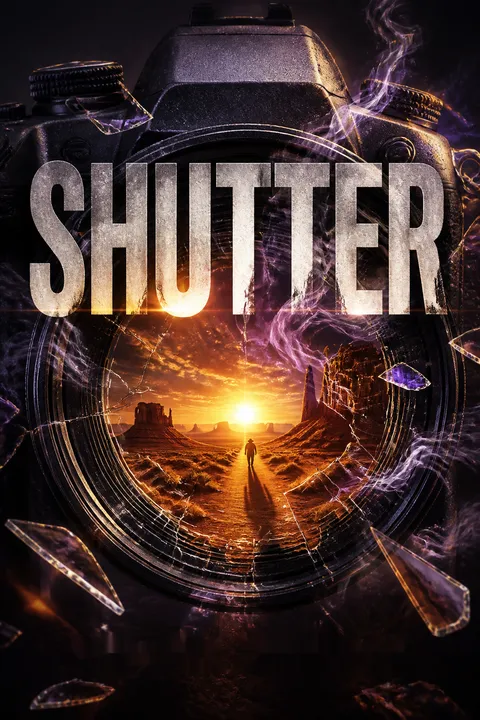
Shutter by Ramona Emerson follows Rita Todacheene, a Navajo forensic photographer for the Albuquerque Police Department who can see ghosts. Reviews average 3.78/5, with readers divided on execution. Praise centers on the rich portrayal of Navajo culture, Rita's relationship with her grandmother, and the unique photography details. Critics cite repetitive writing, a weak mystery plot, and flat characterization. The dual timeline structure—alternating between Rita's childhood on the reservation and present-day crime scenes—receives mixed reactions. Many appreciate the atmospheric writing and cultural authenticity, while others find the supernatural elements overwrought and the ending unsatisfying.
People Also Read





Characters
Rita Todacheene
Rita is the heart of the story—a Navajo forensic photographer whose ability to see and communicate with the dead sets her apart. Raised by her grandmother after her mother's abandonment, Rita's childhood is marked by loneliness, cultural tension, and supernatural encounters. Her gift is both a source of power and a profound burden, isolating her from others but driving her to seek justice for the voiceless. Rita's psychological complexity is rooted in trauma, empathy, and a fierce sense of responsibility. Over the course of the novel, she evolves from a haunted outsider to a courageous advocate, learning to balance her obligations to the dead with her need for self-preservation and connection to the living.
Grandma (Minnie S. Emerson)
Rita's grandmother is her anchor—a strong, resourceful Navajo woman who raises Rita with love, discipline, and cultural wisdom. She embodies the resilience of her people, building her own home and imparting lessons through stories, rituals, and practical skills like camera-making. Grandma is both nurturing and wary, deeply concerned about Rita's supernatural abilities and the dangers they pose. Her relationship with Rita is a source of comfort and conflict, as she struggles to protect her granddaughter from forces she cannot fully understand. Grandma's presence grounds the narrative in family, tradition, and the enduring power of love.
Erma Singleton
Erma is the ghost whose murder catalyzes the novel's central mystery. In life, she was a mother and partner entangled in dangerous relationships; in death, she is a relentless force, demanding justice and threatening Rita's sanity. Erma's haunting is both a cry for help and an act of vengeance, her unresolved trauma echoing the broader themes of violence against women and the marginalized. Through Erma, the novel explores the costs of injustice, the persistence of memory, and the complex interplay between victimhood and agency.
Samuels
Samuels is Rita's boss at the crime lab—a seasoned investigator who recognizes her talent but is wary of her eccentricities. He represents the institutional pressures and limitations of law enforcement, often prioritizing protocol over empathy. Samuels's relationship with Rita is ambivalent: he relies on her skills but is quick to question her stability. His presence highlights the challenges Rita faces in navigating a system that values results but is hostile to difference and vulnerability.
Angie Seivers
Angie is one of the few colleagues who genuinely cares for Rita's well-being. She balances professional competence with empathy, offering guidance, protection, and tough love. Angie's own experiences as a woman in law enforcement inform her understanding of Rita's struggles. Her role is pivotal in both supporting and challenging Rita, urging her to seek help and advocating for her within the department. Angie embodies the possibility of solidarity and healing within a hostile environment.
Detective Martin Garcia
Garcia is the primary antagonist—a detective whose involvement in organized crime and willingness to kill to protect his interests make him a formidable foe. Outwardly affable and competent, Garcia is ruthless beneath the surface, exploiting his position to cover up murders and silence witnesses. His relationship with Rita is adversarial, marked by intimidation, gaslighting, and escalating violence. Garcia's character exposes the rot within the system and the dangers faced by those who challenge it.
Mr. Bitsilly
Mr. Bitsilly is a traditional healer who offers Rita both practical and spiritual support. He represents the continuity of Navajo culture and the importance of community, ritual, and prayer. Mr. Bitsilly's relationship with Rita is one of mutual respect and affection, tempered by concern for the dangers of her gift. He provides a counterbalance to the skepticism and hostility of the outside world, reminding Rita of her roots and the need for boundaries.
Gloria
Gloria is Rita's older cousin and childhood protector, whose untimely death leaves a deep wound. Her ghost haunts Rita, both as a source of comfort and a reminder of the costs of love and loss. Gloria's story is emblematic of the vulnerabilities faced by young Native women, and her relationship with Rita shapes the latter's understanding of loyalty, grief, and the persistence of memory.
Shanice
Shanice is Rita's childhood and adult friend, a fellow outsider who shares her experiences of marginalization and resilience. Their friendship is a source of strength and humor, providing Rita with a lifeline to the world of the living. Shanice's acceptance of Rita's abilities, despite fear and skepticism, underscores the importance of solidarity and trust in the face of adversity.
Judge Harrison Winters
Judge Winters is a respected figure whose murder, along with his family, reveals the depth of criminal infiltration in the justice system. His ghost, along with those of his family, becomes part of the chorus demanding justice. Winters's story is a cautionary tale about the vulnerability of even the powerful to the forces of greed, violence, and betrayal.
Plot Devices
Dual Narrative: Past and Present Intertwined
The novel employs a dual narrative structure, alternating between Rita's present-day investigations and her formative experiences on the reservation. This device deepens character development, contextualizes Rita's supernatural abilities, and highlights the enduring impact of childhood trauma on adult identity. The interplay between past and present also serves to foreshadow key revelations and underscore the cyclical nature of violence and healing.
Supernatural as Metaphor and Mechanism
The presence of ghosts functions on multiple levels: as literal entities guiding Rita's investigations, as metaphors for unresolved trauma and systemic injustice, and as narrative devices that blur the boundaries between reality and the spirit world. The supernatural is not merely a plot gimmick but a means of exploring psychological, cultural, and ethical complexities.
Photography as Truth and Witness
Photography is central to the novel's structure and themes. Rita's camera is her tool for documenting reality, uncovering hidden truths, and honoring the dead. The act of photographing is both an assertion of agency and a means of bearing witness, but it also exposes Rita to danger and emotional overload. The motif of the camera recurs throughout, symbolizing the tension between objectivity and empathy, evidence and memory.
Foreshadowing and Recurring Motifs
The novel uses foreshadowing—through dreams, ghostly warnings, and recurring symbols like light, blood, and cameras—to build suspense and thematic resonance. These motifs reinforce the interconnectedness of events, the inevitability of confrontation, and the persistence of the past in shaping the present.
Corruption and Conspiracy
The plot is driven by the uncovering of a web of corruption linking police, cartels, and the justice system. This device raises the stakes, complicates Rita's quest for justice, and situates individual tragedies within broader patterns of exploitation and violence. The conspiracy is both a source of external conflict and a mirror for Rita's internal struggles with trust, loyalty, and disillusionment.
Download PDF
Download EPUB
.epub digital book format is ideal for reading ebooks on phones, tablets, and e-readers.








































