
Plot Summary
Rituals of the Dead
In a cold, dirt-scented cellar, Yana, a seasoned vampire slayer, performs a brutal ritual before a crowd of anxious villagers. The body of the stable master, recently dead, is prepared to prevent his return as a vampire—a brick is hammered into his mouth, his jaw broken, and a spike is given to the mayor to pin him in his grave. Yana's mother taught her to see bodies as objects, to wield fear and spectacle as power. The villagers, desperate for hope as winter approaches, watch in awe and terror. Yana's mixed heritage and her mother's lessons on using people's beliefs for protection and authority are revealed. She is both feared and needed, a liminal figure who walks between worlds, offering the promise of safety from the monsters that haunt the village's imagination.
Homecoming and Old Wounds
Kiril, a young doctor, rides home through the night, haunted by memories and the ringing in his ears from a childhood accident. He recalls his last night in the city with his friend Hasan, watching a comet—an omen that will soon loom over his village. Kiril's homecoming is fraught: the village is gripped by fear, blaming a widow for witchcraft after a mutilated chicken is found. He intervenes to protect her, but his actions mark him as an outsider. Reunited with his cousin Anka and their uncle, the Captain, Kiril finds the household changed by illness and tension. Old friendships and rivalries resurface, and the specter of the Captain's plans for Anka's future hangs over them all.
Curses and Comets
Anka, the Captain's ward, wanders the woods, craving escape from the village's suspicion and her uncle's control. She discovers a stranger's camp—Yana's—and steals a dagger, feeling both fear and fascination. The village's superstitions are stoked by the appearance of the comet and a series of misfortunes: failed crops, dead animals, and the persistent belief that Anka herself is cursed. Kiril's return brings hope and resentment; his city experiences have changed him, and his relationships with Anka and childhood friend Margarita are strained. The village's collective anxiety grows, seeking scapegoats for their suffering.
The Witch's Daughter
Anka's greatest fear is her own blood—the monthly sign of womanhood that she must hide from the Captain, who waits for her to be "ready" for marriage. Yulia, the housekeeper, helps her conceal it, but the threat of discovery is constant. Memories of near-drowning and rescue by Kiril mingle with her dread of the Captain's intentions. After a violent confrontation with Kiril, Anka's sense of entrapment deepens. She visits the old midwife, Minka, with Yulia, seeking help to delay her fate. Minka offers practical advice and the possibility of escape, but Anka feels trapped by the Captain's power and the village's hostility.
Blood and Blame
The village's paranoia intensifies as more omens appear—bloody eggs, dead animals, and rumors of witchcraft. Yana, the seer, is summoned to investigate, using her mother's book of monsters and her own skills in spectacle to manipulate the villagers' fears. She identifies the signs of a vampire, stoking the crowd's anxiety while subtly steering suspicion away from the living and towards the dead. Anka, meanwhile, investigates the omens herself, seeking understanding and agency. She forms a secret alliance with Yana, offering stolen treasures and the truth about her predicament in exchange for help. Together, they begin to plot Anka's escape.
The Seer Arrives
Yana's arrival in the village is both theatrical and strategic. She presents herself as a seer who can see both the world of the living and the world of spirits, using her mother's book to convince the Captain and the priest of her power. She stages rituals and omens—bloody eggs, animal hearts—to create a narrative the villagers can believe in. Yana's true goal is to help Anka escape the Captain's control by faking her death, using poison and the appearance of supernatural danger. The alliance between Yana, Anka, Yulia, and the old women of the village grows, as they prepare the means for Anka's disappearance.
Poison and Power
Anka, with the help of Yulia, Minka, and Yana, begins taking a carefully measured poison to simulate a fatal illness. The plan is to convince the Captain and the village that she has died, allowing Yana to "bury" her far from the village and spirit her away to safety. The process is fraught with risk—too much poison could kill her, too little and the ruse will fail. Anka's relationships with Kiril and Margarita are strained by secrecy and fear. The Captain grows increasingly suspicious and controlling, while the village's hysteria reaches a fever pitch with each new omen.
Sacrifice in the Woods
Yana and Anka perform a ritual sacrifice of a lamb in the woods, using its blood to stage further omens and reinforce the vampire narrative. The act is both horrifying and empowering for Anka, who feels a surge of agency in the violence. The blood is used to create signs throughout the village—bloody rags, stained wells, and church doors—deepening the villagers' belief in the supernatural threat. The alliance of women tightens, each playing a role in the deception. The village prepares for a wedding, but beneath the surface, the plot to free Anka moves toward its climax.
Wedding and Betrayal
The village wedding of Margarita and Simeon is both a moment of joy and a backdrop for betrayal. Kiril, now respected as a doctor, is drawn into the festivities but remains haunted by his own failures and desires. The Captain announces his intention to marry Anka, provoking her to a public confrontation in the church. Anka accuses the Captain of murder and abuse, revealing his crimes to the assembled villagers. The Captain tries to dismiss her as mad, but the seeds of doubt and rebellion are sown. The tension between tradition, power, and resistance comes to a head.
The Monster Unmasked
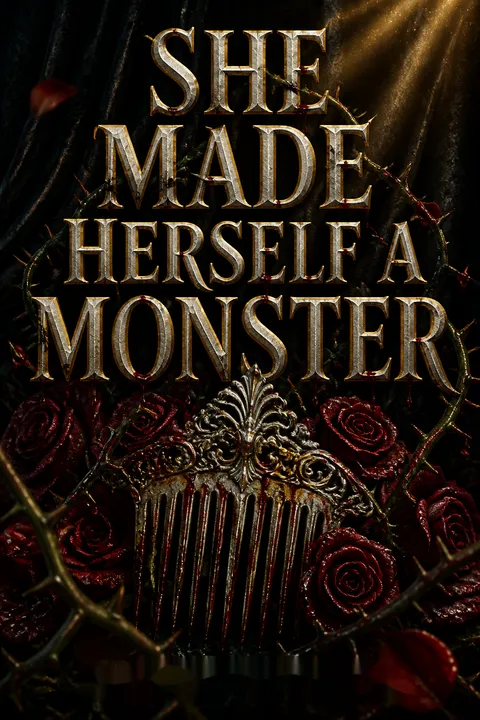
Anka, desperate and cornered, enacts the final stage of her plan. She confronts the Captain in private, offering him wine and conversation. Hidden in her hair is the silver comb Kiril gave her, its teeth coated in deadly poison. When the Captain tries to force himself on her, Anka stabs him in the throat with the comb, killing him. The act is both self-defense and a symbolic breaking of the chains that have bound her. Kiril arrives too late to save the Captain, but chooses not to intervene, recognizing the necessity of Anka's violence. The village is left to reckon with the truth.
Poisoned Comb, Broken Chains
The Captain's death is staged as the final act of the vampire ritual. Yana performs the burial rites before the villagers, driving a brick into his mouth and a spike through his chest. The community, desperate for closure, accepts the narrative of supernatural evil defeated. Anka is both celebrated and pitied, her role as victim and survivor finally acknowledged. Kiril, Nina, and the other women begin to imagine new futures for themselves. The old order is broken, but the scars of violence and loss remain. Anka and Yana prepare to leave the village together, seeking freedom beyond its borders.
Aftermath and Departure
In the days following the Captain's death, the village begins to heal. Anka receives apologies and gifts from those who once shunned her. Kiril reconciles with Nina, and Yulia prepares to leave with Minka. Anka and Yana pack their belongings, saying goodbye to Margarita, Simeon, and Kiril. The road ahead is uncertain, but filled with possibility. Anka, once trapped by fear and fate, now chooses her own path. The women's alliance, forged in secrecy and danger, endures as they step into the unknown.
The Road Beyond
Anka and Yana leave the village at dusk, riding down the mountain toward the sea. The comet fades from the sky, its cycle complete. Anka, once a scapegoat and victim, has remade herself—a survivor, a slayer, and, in her own way, a monster who chose her own story. The world is vast and open before her, full of new stories to live and tell. The legacy of violence and hope, of monsters and women who fight them, continues beyond the village, carried by those who refuse to be defined by fear.
Analysis
A modern feminist gothic of survival and transformationShe Made Herself a Monster is a fiercely intelligent reimagining of the vampire myth, set in a Balkan village haunted by both literal and metaphorical monsters. At its core, the novel interrogates the ways patriarchal power is maintained through ritual, superstition, and violence—especially against women. The story's emotional arc is one of entrapment, resistance, and ultimately self-liberation. Anka's journey from victim to agent, aided by a clandestine network of women, is both harrowing and hopeful. The novel's use of ritual and spectacle exposes the constructed nature of power and belief, while its psychological depth gives voice to the trauma and resilience of its characters. The lessons are clear: survival often requires complicity with darkness, but true freedom comes from seizing one's own narrative—even if it means becoming a monster in the eyes of others. The book is a testament to the power of women's alliances, the necessity of difficult choices, and the enduring hope that, even in the darkest places, new stories can be written.
People Also Read

Characters
Anka
Anka is the Captain's ward, orphaned at birth in a fire that killed her parents. Marked as cursed by the villagers, she grows up isolated, watched and controlled by her uncle, who plans to marry her once she is "of age." Anka's psychological landscape is shaped by trauma, secrecy, and a fierce desire for agency. Her relationship with Kiril is fraught—he is both protector and rival, their bond twisted by shared pain and resentment. Anka's alliance with Yana and the village women is her path to liberation. Her journey is one from victimhood to self-determination, culminating in the violent act that frees her from the Captain's grasp.
Yana
Yana is a mixed-race vampire hunter, trained by her mother to wield both ritual and spectacle. She is a liminal figure, using the villagers' beliefs to protect herself and manipulate events. Haunted by her mother's ghost and her own outsider status, Yana is both compassionate and ruthless. Her alliance with Anka is born of empathy and shared marginalization. Yana's psychological complexity lies in her struggle to help others without becoming a monster herself. Her rituals are both real and performative, blurring the line between magic and manipulation. She becomes Anka's mentor and companion, guiding her toward freedom.
Kiril
Kiril returns to his village after studying medicine in the city, changed by knowledge and distance. He is haunted by guilt, longing, and a sense of inadequacy—never fully belonging in either world. His relationship with Anka is deeply ambivalent: protector, rival, and sometimes aggressor. Kiril's desire to help is often undermined by his own anger and confusion. He is drawn to Nina, the widow, seeking redemption and connection. Kiril's arc is one of reckoning with his complicity in the village's violence and his own limitations, ultimately choosing to support Anka's liberation.
The Captain
The Captain is both Anka's guardian and her greatest threat. Haunted by lost love and guilt over the deaths of Anka's parents, he becomes obsessed with possessing her as a means of redemption. His power in the village is absolute, enforced through violence and manipulation. The Captain's psychological complexity lies in his self-justification—he sees himself as both protector and victim, unable to recognize the harm he inflicts. His transformation into the "vampire" is both literal and symbolic, embodying the destructive hunger of patriarchal control. His death is the necessary breaking of the old order.
Yulia
Yulia is the quiet, enigmatic housekeeper who has raised Anka and Kiril. Her past as a city poisoner is revealed late in the story, adding depth to her role as protector and conspirator. Yulia's expertise in herbs and poisons is crucial to Anka's plan. She is emotionally reserved but fiercely loyal, especially to Anka and Minka, the old midwife. Yulia's psychological resilience is rooted in her ability to adapt and survive, using her skills to help women escape violence. Her relationship with Minka is one of deep, understated love.
Margarita
Margarita is Anka's childhood friend, now engaged to Simeon. She represents the life Anka might have had—marriage, acceptance, and community. Margarita's loyalty is unwavering, but she is also pragmatic, supporting Anka's escape even as she mourns the loss of their closeness. Her relationship with Simeon is loving and stable, a counterpoint to the violence and secrecy surrounding Anka. Margarita's role is to anchor Anka emotionally, reminding her of hope and the possibility of happiness.
Simeon
Simeon is Kiril's childhood friend and Margarita's fiancé. He is gentle, supportive, and well-liked, embodying the best of village life. Simeon's kindness extends to Anka, whom he treats as a sister. His relationship with Kiril is strained by jealousy and the changes brought by adulthood, but ultimately he remains steadfast. Simeon's presence in the story is a reminder of what is worth saving in the community.
Nina
Nina is the blacksmith's widow, accused of witchcraft and imprisoned by the villagers. Pregnant and alone, she becomes a symbol of the village's cruelty and the vulnerability of women. Nina's resilience is tested by loss, shame, and violence, but she finds support in Kiril and the women's alliance. Her survival and the birth of her child are acts of defiance against the forces that seek to destroy her. Nina's story parallels Anka's, highlighting the dangers faced by women in patriarchal societies.
Minka
Minka is the village's former midwife, now living in isolation. She is a source of knowledge, comfort, and practical magic for Anka and the other women. Minka's experience with birth, death, and healing grounds the story's rituals in lived reality. Her relationship with Yulia is one of mutual respect and love. Minka's wisdom and compassion are essential to the women's resistance.
Hasan
Hasan is Kiril's friend from the city, an astronomer who introduces him to new ways of thinking. Hasan's presence in the story is brief but significant—he represents the world beyond the village, the promise of knowledge, and the hope of escape from superstition. His comet becomes a symbol of change, both feared and longed for by those trapped in the village's cycle of violence.
Plot Devices
Ritual and Spectacle
The narrative is structured around rituals—vampire burials, sacrifices, and staged omens—that serve both as genuine acts of protection and as performances to manipulate belief. Yana's expertise in spectacle allows her to control the village's narrative, turning fear into a tool for liberation. The rituals are both literal (blood, bricks, spikes) and symbolic (poisoned comb, staged deaths), blurring the line between magic and psychology. This device underscores the power of story and belief in shaping reality.
Poison and Medicine
Poison is a central motif, representing both danger and salvation. Yulia's knowledge of herbs and toxins is used to simulate death, to heal, and ultimately to kill. The ambiguity of medicine—what heals can also harm—mirrors the ambiguity of the characters' actions. The use of poison as a means of escape and resistance highlights the limited options available to women in oppressive systems.
Foreshadowing and Omen
The recurring appearance of the comet, omens of blood, and cycles of violence foreshadow the story's climactic events. The comet's forty-day visibility mirrors the forty days of transformation in vampire lore, linking cosmic and earthly cycles. Omens—dead animals, bloody rags, failed crops—build tension and drive the plot, while also serving as metaphors for the hidden rot in the village's social fabric.
Narrative Structure
The story is told through multiple perspectives—Anka, Kiril, Yana, and others—allowing for a rich exploration of psychological depth and conflicting motivations. Interludes and stories-within-stories (such as the origins tale and lovers' interludes) provide context, myth, and emotional resonance. This structure emphasizes the multiplicity of truth and the importance of storytelling in survival and resistance.
Symbolism of Blood and Monsters
Blood is both a source of fear (the curse, the vampire) and a symbol of agency (sacrifice, menstruation, violence). The monster is not just supernatural but also human—embodied in the Captain's abuse, the villagers' scapegoating, and the cycles of violence. The process of "making oneself a monster" becomes a metaphor for reclaiming power in a world that punishes difference and resistance.
Download PDF
Download EPUB
.epub digital book format is ideal for reading ebooks on phones, tablets, and e-readers.








































