
Plot Summary
Christmas Eve Autopsy
Dr. Kay Scarpetta, chief medical examiner, is elbow-deep in a decomposed body while holiday music blares, the world outside bracing for a snowstorm. The victim, Rowdy O'Leary, is a software designer found in the Potomac River, his body battered by time and water. Scarpetta's forensic solitude is interrupted by calls from her team and family, all shadowed by the terror of the Phantom Slasher—a serial killer using holographic "ghosts" to stalk and murder women. The city is tense, the morgue nearly empty, and Scarpetta's sense of duty keeps her from leaving for vacation. The chapter sets a tone of isolation, dread, and the relentless intrusion of violence into the most personal moments.
The Phantom Slasher Strikes
The Phantom Slasher's latest attack is the talk of the town, his use of advanced technology—signal jammers and holograms—making him a ghostly, untouchable presence. Scarpetta's team, including Marino and Lucy, are drawn into the investigation as the killer's methods escalate. The Slasher's victims are women in caring professions, and his crimes are timed with holidays, amplifying public fear. The killer's ability to invade homes undetected, leaving no physical trace, frustrates law enforcement and terrifies the community. The chapter pulses with anxiety, the sense that anyone could be next, and the city's collective trauma deepens.
Bones of Mercy Island
Forensic anthropologist Cate Kingston uncovers a young woman's skeleton in the old Mercy Island asylum cemetery, her bones marked by sharp force trauma. The grave's marker doesn't match the remains, hinting at a cover-up. Scarpetta and Cate realize the victim was murdered and hidden among the forgotten dead, her identity erased. The discovery exposes the asylum's legacy of abuse and neglect, and the bureaucratic indifference that allowed such secrets to fester. The chapter is heavy with the weight of history, the pain of the unremembered, and the urgency to give voice to the silenced.
Holograms and Hauntings
Dana Diletti, a celebrity journalist, claims to have captured the Slasher's ghostly hologram in her home, sending the city into a panic. Scarpetta, Lucy, and Benton analyze the footage, confirming its authenticity and sophistication. The killer's use of drones and AI-driven projections makes him a new breed of predator, exploiting the vulnerabilities of "smart" homes. The chapter explores the psychological impact of being watched, the paranoia that seeps into daily life, and the challenge of fighting an enemy who is everywhere and nowhere.
Political Pressures Mount
Scarpetta faces pressure from politicians and bureaucrats to close Rowdy O'Leary's case quickly, to avoid scandal and spare the grieving family. Maggie Cutbush and the governor's office push for a tidy resolution, but Scarpetta resists, determined to uncover the truth. The chapter exposes the collision between public relations and forensic integrity, the ways in which politics can distort investigations, and the personal toll on those who refuse to compromise. Scarpetta's resolve is tested, but her commitment to the dead remains unshaken.
The O'Leary Family Visit
Scarpetta and Marino deliver Rowdy's personal effects to his widow, Reba, and their twin sons. The visit is fraught with emotion—grief, anger, and the unspoken question of whether Rowdy's death was truly accidental. Reba reveals Rowdy's struggles with pain, depression, and paranoia, his obsession with security and the Slasher murders. The family's financial troubles and Rowdy's secretive behavior raise further questions. The chapter is intimate and raw, capturing the ripple effects of sudden death and the complexities of mourning amid suspicion.
Secrets in the Snowstorm
As Scarpetta and Marino brave the blizzard, they reflect on their own histories—childhood traumas, family dynamics, and the scars left by loss. The storm outside mirrors the turmoil within, as unresolved tensions between Scarpetta, her sister Dorothy, and Marino surface. The chapter weaves together personal and professional anxieties, the omnipresent threat of the Slasher, and the fragile bonds that hold the characters together. The snowstorm becomes a crucible, testing loyalties and revealing vulnerabilities.
The Ghost in the Machine
Lucy's AI avatar, Janet, becomes a source of both comfort and conflict, blurring the boundaries between memory and reality. Dorothy's dependence on Janet exacerbates her insecurities, fueling jealousy and misunderstandings with Marino and Scarpetta. The AI's evolving personality reflects the flaws and desires of its creators, raising questions about identity, grief, and the dangers of technology that mimics human intimacy. The chapter is both poignant and unsettling, exploring the psychological costs of seeking solace in artificial companionship.
Unraveling Rowdy's Death
Scarpetta's meticulous examination of Rowdy's body and personal history reveals inconsistencies—gunshots fired, a mysterious cash flow, and a possible connection to the Slasher's technological methods. Interviews with Reba and analysis of Rowdy's office suggest he was involved in something clandestine, possibly as a victim or a pawn. The investigation expands beyond a simple drowning, implicating powerful interests and hinting at a larger conspiracy. The chapter is tense and methodical, as Scarpetta pieces together clues that others would rather ignore.
The Slasher's Calling Card
On Christmas morning, the Slasher strikes again, killing psychiatrist Georgine Duvall on Mercy Island and gravely injuring Zain Willard, nephew of a presidential candidate. The crime scene is a tableau of violence—bleach, bite marks, and the signature hologram. The attack's timing and brutality escalate the public's fear and draw national attention. Scarpetta, Benton, and Lucy race to process the scene, aware that political and media scrutiny will complicate their work. The chapter is urgent and chaotic, the stakes higher than ever.
Family, AI, and Old Wounds
The investigation into Georgine's murder forces Scarpetta and Lucy to confront their shared past with the psychiatrist, whose boundary-crossing therapy left lasting scars. Family tensions flare—Dorothy's jealousy, Marino's insecurities, and the lingering effects of trauma. Janet, the AI, becomes both a confidante and a provocateur, surfacing old grievances and secrets. The chapter is emotionally charged, as the characters grapple with guilt, resentment, and the need for forgiveness.
A Deadly Christmas Morning
As Scarpetta and Benton navigate the crime scene and hospital, they face interference from Senator Calvin Willard and the governor's office, both desperate to control the narrative. Zain becomes the prime suspect, his history of self-harm and dependency on Georgine casting suspicion. The forensic evidence is ambiguous—DNA, blood patterns, and the mysterious residue left by the killer. The chapter is a race against time, as the team struggles to separate truth from manipulation.
Mercy Island's Dark Past
The investigation uncovers hidden tunnels connecting the Mercy Island residences, a relic of the asylum's history. The team discovers that Georgine's therapeutic relationships often blurred into dependency and control, echoing the institution's patterns of exploitation. The past and present intertwine, as old crimes resurface and the boundaries between victim and perpetrator blur. The chapter is atmospheric and haunting, the island itself a character steeped in tragedy.
The Psychiatrist's Last Patient
Scarpetta and Benton review Georgine's files, revealing Zain's long struggle with depression, self-harm, and a fraught relationship with his powerful uncle. The records hint at a mysterious event that deepened Zain's trauma, and Georgine's own ethical lapses become apparent. The chapter is a psychological deep dive, exploring the complexities of dependency, resentment, and the ways in which care can become control. The investigation into Zain's role in the murder intensifies.
Zain Under Suspicion
Forensic analysis links Zain to the crime scene—DNA under Georgine's nails, blood on the stairs, and ambiguous behavior captured by his robotic dog, Robbie. The media and law enforcement converge, eager for a resolution that will satisfy public and political demands. Zain's mental health history becomes both a shield and a weapon, as his uncle maneuvers to protect him. The chapter is fraught with tension, the line between victim and suspect razor-thin.
The Senator's Shadow
Senator Willard's influence looms over the investigation, his threats and machinations shaping the narrative. Scarpetta and Benton face surveillance, intimidation, and the risk of professional ruin if they pursue the truth. The senator's need to control extends to Zain, Georgine, and the investigators themselves. The chapter is a study in the corrosive effects of power, the ways in which personal ambition can warp the pursuit of justice.
DNA, Drones, and Deceit
Advanced forensic techniques reveal the presence of a unique residue—chlorophyll and calcite—at the crime scene, on the victim, and in Zain's hair. The team uncovers the use of a sophisticated orb-shaped drone, capable of projecting holograms and evading detection. The investigation links the residue to a nearby research lab, Primal Biodynamics, and its enigmatic scientist, Duke Mansoni. The chapter is a triumph of science over subterfuge, as technology becomes both the killer's weapon and his undoing.
The Chimonkeytan Connection
The escape of a genetically engineered "chimonkeytan" named Peanut from the research lab brings the investigation full circle. Peanut's presence in Scarpetta's greenhouse, covered in the same fluorescent residue found at the murder scene, provides the crucial link. The team realizes that Mansoni, Peanut's handler, is the Phantom Slasher, his crimes enabled by his access to advanced technology and his obsession with control. The chapter is surreal and revelatory, as the boundaries between human and animal, science and violence, collapse.
The Real Killer Revealed
Mansoni is arrested, his guilt confirmed by DNA and forensic evidence. The political and personal fallout is immense—Zain is exonerated but left adrift, Scarpetta's family confronts their own fractures, and the city breathes a tentative sigh of relief. The legacy of trauma, both individual and collective, lingers. The chapter closes with a bittersweet family gathering, the promise of healing tempered by the knowledge that evil is never truly vanquished, only held at bay.
Analysis
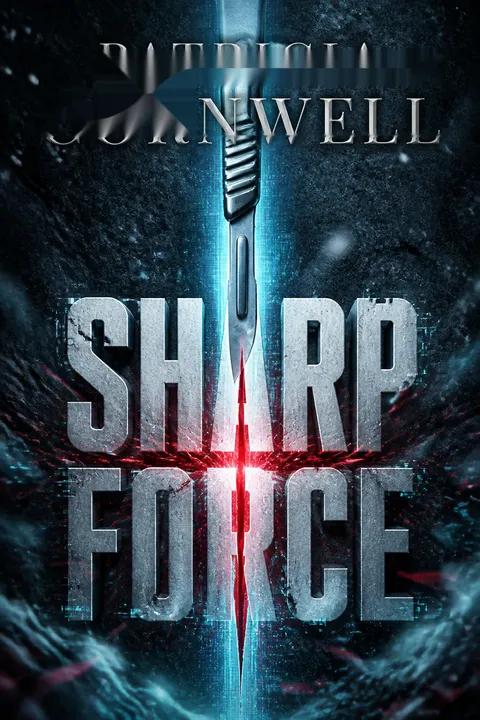
Patricia Cornwell's Sharp Force is a forensic thriller that interrogates the intersection of technology, trauma, and power in contemporary society. At its core, the novel is a meditation on the ways in which violence—both physical and psychological—reverberates through families, institutions, and communities. The Phantom Slasher's use of holograms and AI-driven surveillance is both a literal and symbolic manifestation of modern anxieties: the fear of being watched, manipulated, and rendered powerless by forces beyond comprehension. Cornwell's narrative is as much about the limitations of science as its triumphs; Scarpetta's meticulous investigations are constantly undermined by political interference, media sensationalism, and the emotional fallout of unresolved personal histories. The novel's emotional arc is one of resilience in the face of horror, the necessity of confronting uncomfortable truths, and the possibility of healing through connection and forgiveness. Ultimately, Sharp Force warns of the dangers of unchecked technological power and the corrosive effects of secrecy and control, while affirming the enduring value of empathy, integrity, and the relentless pursuit of justice.
Review Summary
Sharp Force by Patricia Cornwell receives mixed reviews averaging 4.11/5 stars. Readers praise the return to classic forensic thriller elements and the series' familiar characters, though many criticize the abrupt, coincidental ending and excessive tech/AI elements. Reviewers appreciate the atmospheric setting and compelling mystery involving a serial killer using holographic technology. Common complaints include repetitive family drama, unnecessary detail about mundane actions, and weak plot resolution. Long-time fans note improvement over recent installments but miss earlier books' quality. The standalone nature works well for newcomers, though excessive brand-dropping and over-reliance on technology frustrate some readers.
Characters
Kay Scarpetta
As chief medical examiner, Scarpetta is the story's emotional and ethical center. Her commitment to truth and justice is unwavering, even as she faces political pressure, personal loss, and the psychological toll of her work. Scarpetta's relationships—with her husband Benton, niece Lucy, sister Dorothy, and colleague Marino—are complex, marked by loyalty, guilt, and unresolved tension. She is haunted by the past, driven by empathy for the dead, and fiercely protective of the living. Her psychological resilience is tested by the Phantom Slasher case, forcing her to confront her own vulnerabilities and the limits of science in the face of evil.
Benton Wesley
Benton is a forensic psychologist and Secret Service agent, providing analytical insight and emotional support. His calm exterior masks deep-seated anxieties about control, justice, and the safety of those he loves. Benton's relationship with Scarpetta is a partnership of equals, but he struggles with the demands of their professions and the shadows cast by political power. His interactions with Lucy and Dorothy reveal a capacity for empathy and frustration, and his own past mistakes inform his cautious approach to the investigation.
Lucy Farinelli
Lucy is Scarpetta's niece, an FBI cyber specialist whose genius with technology is matched by her emotional volatility. She is fiercely independent, shaped by early trauma and a fraught relationship with her mother, Dorothy. Lucy's creation of the AI avatar Janet is both a coping mechanism and a source of new complications, blurring the line between memory and reality. Her loyalty to Scarpetta is unwavering, but she is wary of intimacy and quick to anger when boundaries are crossed. Lucy's psychological arc is one of seeking connection while fearing betrayal.
Pete Marino
Marino is Scarpetta's longtime colleague and brother-in-law, a former homicide detective now working as head of investigations. His tough exterior hides deep insecurities, especially regarding his relationship with Dorothy and his feelings for Scarpetta. Marino's old-school methods clash with new technology, and he often feels sidelined by younger, more specialized colleagues. His protective instincts are both a strength and a liability, leading to conflicts with Scarpetta and others. Marino's development is marked by moments of vulnerability and the struggle to adapt to a changing world.
Dorothy Scarpetta
Dorothy is a social media influencer and podcaster, whose outward confidence masks deep-seated jealousy and insecurity. Her relationship with Marino is tumultuous, fueled by suspicion and the influence of Janet, the AI avatar. Dorothy's need for attention and affirmation often puts her at odds with Scarpetta, and her inability to let go of perceived slights creates ongoing tension. She is both comic and tragic, a figure whose psychological wounds drive much of the family drama.
Maggie Cutbush
Maggie is a former secretary turned government official, wielding her position to interfere in Scarpetta's investigations. She is manipulative, self-important, and driven by a desire for influence. Maggie's relationship with Scarpetta is adversarial, marked by power plays and attempts to control the narrative. Her actions reflect the dangers of bureaucracy unchecked by empathy or expertise.
Cate Kingston
Cate is dedicated to uncovering the stories of the dead, particularly those erased by history. Her work on the Mercy Island bones brings to light the asylum's legacy of abuse and the ongoing consequences of institutional neglect. Cate's relationship with Scarpetta is collegial and respectful, grounded in a shared commitment to truth. She is methodical, compassionate, and haunted by the suffering she uncovers.
Zain Willard
Zain is the nephew of a presidential candidate, a graduate student with a history of depression, self-harm, and dependency on his psychiatrist, Georgine Duvall. His psychological profile is marked by feelings of powerlessness, resentment, and a desperate need for approval. Zain becomes the prime suspect in Georgine's murder, his mental health history weaponized against him. His relationship with his uncle is fraught, and his interactions with Scarpetta and Benton reveal a young man adrift, both victim and suspect.
Georgine Duvall
Georgine is a complex figure—warm, idealistic, but ethically compromised. Her therapeutic relationships often blur into dependency and control, leaving her patients vulnerable and herself exposed. Georgine's murder is the catalyst for the story's climax, her past with Lucy and Zain casting long shadows. She is both a victim of violence and an agent of psychological harm, her legacy ambiguous and haunting.
Duke Mansoni
Mansoni is the embodiment of the story's central anxieties—technological power without empathy, intelligence divorced from morality. His work at Primal Biodynamics gives him access to advanced drones, genetic engineering, and the means to commit undetectable crimes. Mansoni's psychological profile is chilling—manipulative, obsessive, and devoid of remorse. His crimes are both personal and symbolic, targeting women in caring professions as proxies for his own unresolved rage. His eventual capture is a triumph of forensic science, but his legacy is one of lasting trauma.
Plot Devices
Holographic Ghosts and Signal Jammers
The Phantom Slasher's use of holograms and signal jammers is central to the narrative, allowing him to invade homes, terrorize victims, and evade detection. This device blurs the line between supernatural and scientific, amplifying fear and complicating the investigation. The holograms serve as both literal and metaphorical ghosts, haunting the characters and the city.
AI and the Avatar Janet
Janet, the AI avatar, is a plot device that explores grief, memory, and the dangers of technology that mimics human intimacy. Janet's evolving personality reflects the flaws and desires of her creators, surfacing old wounds and provoking new conflicts. The AI's presence complicates relationships, challenges boundaries, and raises questions about identity and agency.
Political Interference and Media Sensationalism
The involvement of politicians, bureaucrats, and the media shapes the investigation, introducing obstacles, pressures, and competing agendas. The narrative structure is punctuated by news reports, leaks, and public statements, creating a sense of urgency and chaos. The interplay between public perception and forensic reality is a recurring theme.
Forensic Science and Hidden Evidence
Scarpetta's forensic methods—autopsies, DNA analysis, chemical testing—drive the plot forward, uncovering hidden connections and exposing lies. The discovery of unique residues, the analysis of wounds, and the interpretation of ambiguous evidence are central to the story's suspense. The narrative structure alternates between procedural detail and psychological insight.
Family Dynamics and Psychological Echoes
The relationships between Scarpetta, Lucy, Dorothy, and Marino are woven throughout the investigation, their unresolved conflicts and shared traumas influencing their actions. The narrative uses flashbacks, internal monologue, and dialogue to explore the ways in which the past informs the present. The psychological complexity of the characters adds depth and resonance to the procedural elements.
Red Herrings and Misdirection
The narrative employs multiple suspects, ambiguous evidence, and shifting perspectives to keep the reader guessing. Zain's troubled history, the political machinations of Senator Willard, and the technological sophistication of the crimes all serve as misdirection, delaying the revelation of the true killer. The structure is nonlinear, with revelations emerging through investigation and confrontation.
Kay Scarpetta Series Series
Download PDF
Download EPUB
.epub digital book format is ideal for reading ebooks on phones, tablets, and e-readers.








































