
Plot Summary
Shadows Stir in Blackmoon
Gray Desario survives in Blackmoon Bay, a city where monsters walk the streets and witches like her hide their magic to avoid the deadly Hunters. She's learned to trust no one, keeping her powers locked down and her past buried. But when a late-night delivery turns violent, Gray's instincts and hidden strength are tested. The city's darkness is not just outside—something stirs within her, a shadowy power she's long denied. The arrival of a group of damaged but fiercely loyal supernatural men—vampire, demon, wolf, and more—begins to crack her isolation, hinting at a found family she never expected. But as the city's dangers close in, Gray's own darkness threatens to break free.
Blood and Indigo Flames
Gray's attempt to save a runaway girl from a human predator ends in tragedy. The girl, Bean, dies in Gray's arms, and the trauma shatters her magical defenses. In a surreal, dreamlike state, Gray's suppressed power erupts—indigo flames and necromantic energy swirl as she accidentally resurrects Bean. The act draws the attention of Blackmoon Bay's most dangerous supernaturals, including the enigmatic vampire Darius and the fiercely protective demon Ronan. Gray's magic, once a source of comfort, now feels alien and corrupted. The city's shadows are no longer just outside; they're inside her, and the fuse has been lit.
Resurrection's Price
The aftermath of Bean's resurrection leaves Gray reeling with guilt and fear. She's broken her cardinal rule: never use magic, never draw attention. The city's supernatural undercurrents sense the disturbance. Gray's best friend, Sophie, senses the change and pushes for honesty, but Gray can't bring herself to confess the darkness she's unleashed. The coven's politics, the threat of Hunters, and the risk of exposure all press in. Gray's relationships begin to strain under the weight of secrets, and the price of her magic becomes clear—every act has consequences, and the city is watching.
Secrets in the Kitchen
Gray's home life with Sophie is a fragile sanctuary, but secrets fester. Sophie reveals she's been practicing magic with the local coven, seeking connection and power. Gray, haunted by her own magical mishap, is torn between fear and longing for belonging. The kitchen becomes a confessional, Tarot cards revealing more than either woman wants to admit. The Death card looms, a harbinger of change and loss. Trust is tested, and the cracks in their friendship widen. The city's dangers are mirrored in the dangers of intimacy and truth.
Vampire Deals and Debts
Darius, the seductive vampire, confronts Gray about the resurrection. Their encounter is a dance of threat and desire, culminating in a blood oath—Gray's secret in exchange for a debt owed. The ritual is intimate, binding, and dangerous. Gray is drawn to Darius's power and the promise of protection, but the cost is high. The city's vampire politics are treacherous, and Gray's entanglement with Darius marks her as both valuable and vulnerable. The boundaries between ally and predator blur, and Gray's heart is caught between fear and fascination.
Demons, Wolves, and Witches
Ronan, Gray's demon protector, returns, his loyalty fierce but complicated by unspoken feelings. The wolf shifter Emilio and the incubus Asher join the circle, each bringing their own scars and secrets. Together, they form an unlikely band of guardians—The Witch's Rebels. Their shared history with Gray is revealed: they saved her life years ago, forging a bond deeper than memory. But old wounds—both physical and emotional—threaten to tear them apart. The city's dangers demand unity, but trust is hard-won, and the past is never truly buried.
Death's Messenger
Death himself appears, a spectral figure tied to Gray's magic. Souls swirl at the edge of life and death, and Gray's necromantic power draws his attention. Sophie's sudden, inexplicable death shatters Gray's world. The raven, Death's messenger, ferries souls to the Shadowrealm, and Gray's attempt to intervene nearly damns her friend to a fate worse than death. The rules of magic, life, and afterlife are rewritten. Gray is forced to confront the true nature of her power—she is Shadowborn, a rare witch who walks between worlds, able to give and take life.
Coven of Mistrust
Gray seeks answers from the Bay Coven, but finds only suspicion and exclusion. Norah, the coven leader, is more interested in secrecy than solidarity. The witches are divided, some fearful, some complicit, and Gray is cast out as an outsider. Haley, a witch with her own secrets, offers a fragile alliance. The coven's refusal to unite leaves the city's witches vulnerable, and Gray realizes that strength in numbers is meaningless without trust. The seeds of betrayal are sown, and the true enemy may be closer than anyone suspects.
The Hunter's Mark
Witches are dying—murdered in their beds, their bodies marked with runes and drained of blood. Detective Emilio, the wolf shifter, investigates, but the clues point to something darker than a rogue vampire. The killer seeks to turn witches into vampires, using forbidden blood magic. Gray's past collides with the present as she recognizes the signature of the Hunters—ancient enemies of witches, driven by a twisted sense of destiny. The city is no longer safe, and Gray is forced to confront the possibility that she is the true target.
Soul Magic Unleashed
Gray's magic grows wilder, her connection to the Shadowrealm deepening. She learns to manipulate souls, to heal and to harm, but the temptation to use her power for vengeance is strong. Death warns her of the consequences—stealing a living soul is the gravest crime, one that would damn her for eternity. Gray's struggle is not just with external enemies, but with the darkness within herself. The line between justice and revenge blurs, and every choice brings her closer to a point of no return.
The Attic Trap
Asher is captured, trapped in a devil's trap and tortured. The rebels mount a desperate rescue, fighting through vampire ambushes and magical wards. Gray's only hope is to use her soul magic, risking her own life to extract and restore Asher's soul. The act is intimate, dangerous, and transformative—a kiss that is both salvation and confession. The bonds between the rebels deepen, forged in fire and blood. But the cost is high, and the enemy remains at large.
The Witch's Rebels United
The aftermath of the rescue brings the rebels together as a true family. Secrets are laid bare—Ronan's identity as a crossroads demon, Darius's ancient loyalties, Asher's incubus hunger, Emilio's wolfish devotion. Gray's own past is revealed, her survival owed to sacrifice and magic. The rebels pledge themselves to each other, united by love, loyalty, and the shared goal of stopping the Hunter. The city's fate rests on their shoulders, and for the first time, Gray allows herself to hope.
The Past Burns Bright
Gray's memories return in full force—the night her adoptive mother Calla was murdered by Hunters, the burning of her home, the betrayal by a boy she once loved. The trauma that shaped her is laid bare, and the amulet stolen that night becomes the key to the present mystery. The past is not dead; it burns bright, fueling Gray's resolve. The Hunter's promise to find and burn her echoes through the years, and the final confrontation draws near.
The Crossroads Demon's Truth
Ronan's true nature is revealed—he is a crossroads demon, bound by a contract to protect Gray, but powerless to break the terms. His love for her is real, but so is the threat of damnation. Their relationship, forged in secrecy and sacrifice, is tested by truth. The rules of Hell, the price of souls, and the possibility of redemption all come into play. Gray must decide whether to trust Ronan, to accept his love, and to fight for a future together.
The Hunter Returns
The Hunter, once a boy Gray loved, now a man twisted by vengeance, returns to Blackmoon Bay. His methods are brutal—witches murdered, souls stolen, allies turned against each other. The rebels realize the killings are part of a larger plan, a new Great Hunt. The city's witches are in mortal danger, and the Hunter's obsession with Gray threatens to destroy everything she loves. The final battle is not just for survival, but for the soul of the city itself.
The Book of Shadows
Gray unearths her buried book of shadows, the last legacy of her mother. Within its pages are spells, memories, and a prophecy of four witches who must unite to save their kind. The book is both weapon and guide, a symbol of Gray's acceptance of her power and her past. With the rebels at her side, Gray chooses to embrace her magic, to fight not just for herself, but for all witches. The book's secrets point the way to the Hunter, and the final confrontation looms.
Choosing Power, Choosing Family
Gray stands at the crossroads—run from her destiny, or claim her power and fight. With her rebels—vampire, demon, wolf, and more—she chooses to stand and face the darkness. The Hunter will come, but Gray is no longer alone. Her magic, once a curse, is now her greatest weapon. The rebels are her family, forged in love and loyalty. Together, they vow to end the Hunt, to protect the city, and to write their own story. The future is uncertain, but for the first time, Gray is ready to choose it.
Analysis
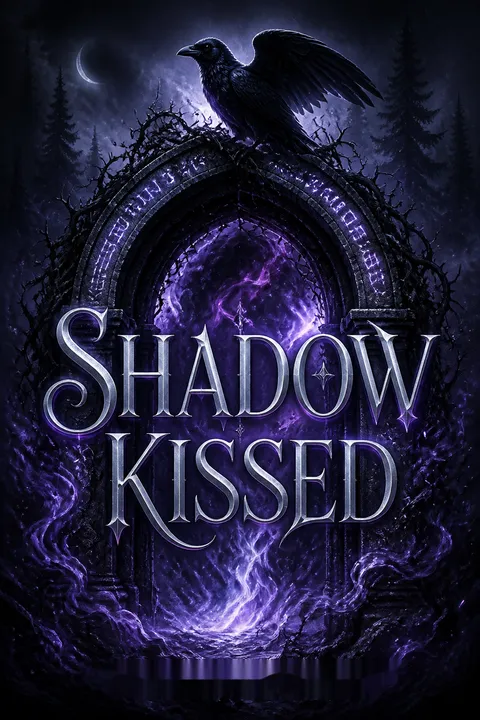
Shadow Kissed is a modern urban fantasy that reimagines the witch narrative for a new generation—one that values found family, agency, and the complexity of trauma and healing. At its core, the novel is about survival: not just enduring, but choosing to live, to love, and to claim power in a world that seeks to erase or control it. Gray's journey from isolated survivor to empowered leader mirrors the struggles of marginalized communities, particularly women, to reclaim their stories and destinies. The book interrogates the costs of secrecy, the dangers of division, and the necessity of trust—both in oneself and in others. By blending romance, horror, and supernatural intrigue, Shadow Kissed offers a vision of hope rooted in solidarity and self-acceptance. Its lessons are clear: power is not just a burden, but a birthright; family is chosen as much as inherited; and the only way to break the cycle of violence is to stand together, to choose love over fear, and to write one's own story.
Review Summary
Shadow Kissed received mixed reviews from readers. Many praised the engaging plot, interesting characters, and potential for the series. Readers enjoyed the reverse harem elements and supernatural world-building. However, some found the main character frustrating, the relationships underdeveloped, and the pacing slow. Critics noted a lack of chemistry between characters and predictable storylines. Despite these issues, many readers expressed interest in continuing the series, appreciating the unique blend of romance, magic, and suspense. The book's rating averaged 3.88 out of 5 stars on Goodreads.
People Also Read
Characters
Gray Desario
Gray is the heart of the story—a witch haunted by trauma, guilt, and the burden of forbidden magic. Adopted and raised by Calla, she loses everything to the Hunters and spends years on the run, learning to trust no one. Her power is rare and dangerous: she is Shadowborn, able to walk between life and death, to manipulate souls. Gray's journey is one of self-acceptance—learning to embrace her magic, her past, and her capacity for love. Her relationships with her rebels—Ronan, Darius, Asher, Emilio, and even Death—are complex, blending friendship, romance, and found family. Gray's greatest struggle is internal: the fear that her darkness will consume her, and the hope that love can redeem her.
Ronan Vacarro
Ronan is Gray's oldest protector, bound by a demonic contract to watch over her. Once human, he was damned by his parents' bargain, becoming a crossroads demon tasked with collecting souls. His love for Gray is deep, conflicted by the rules of Hell and the risk of damnation. Ronan is fiercely loyal, self-sacrificing, and tormented by secrets he cannot share. His relationship with Gray is a slow-burning romance, complicated by duty, guilt, and the ever-present threat of loss. Ronan's greatest fear is failing to protect Gray, and his greatest hope is finding a loophole that will set them both free.
Darius Beaumont
Darius is the elegant, enigmatic vampire who becomes both Gray's protector and her temptation. He is bound by ancient codes and a personal sense of honor, but his feelings for Gray challenge his detachment. Darius is a master of politics, navigating the city's vampire hierarchy and the dangers of exposure. His blood oath with Gray is both a shield and a chain, tying their fates together. Darius's struggle is between desire and restraint, loyalty and self-interest. He is both a lover and a leader, willing to fight and bleed for Gray and the rebels.
Asher O'Keefe
Asher is the group's wild card—a demon whose power feeds on sexual energy, masking deep wounds and a fear of vulnerability. His brash exterior hides a capacity for loyalty and sacrifice, revealed when he risks everything for Gray. Asher's relationship with Gray is charged with tension, humor, and unexpected tenderness. He is haunted by past loss, and his journey is one of learning to trust, to accept help, and to find family among the rebels. Asher's greatest fear is being unworthy of love, and his greatest strength is his willingness to fight for those he cares about.
Emilio Alvarez
Emilio is the group's conscience—a shifter who straddles the line between human law and supernatural justice. As a detective, he investigates the witch murders with compassion and tenacity, refusing to let the system fail the vulnerable. Emilio's loyalty to Gray and the rebels is unwavering, and his presence grounds the group. He is both protector and peacemaker, using his strength and wisdom to hold the family together. Emilio's struggle is with the limits of law and the need for action, and his journey is one of embracing the pack, both literal and chosen.
Sophie
Sophie is Gray's anchor, her chosen sister and confidante. Her death is the story's inciting tragedy, shattering Gray's world and setting the plot in motion. Sophie's legacy lives on through her book of shadows, her Tarot readings, and the hope she inspires in Gray. She represents the cost of secrecy, the dangers of isolation, and the power of love. Sophie's memory drives Gray to seek justice, to reconnect with her magic, and to fight for a future where witches can live without fear.
Death / Liam
Death is both a force of nature and a character—appearing as a raven, a shadow, and eventually as Liam, a borrowed human form. He is drawn to Gray's necromantic power, serving as both warning and guide. Death's role is to maintain balance, to ensure that souls pass as they should, and to caution against the misuse of power. His relationship with Gray is complex—part adversary, part teacher, part potential ally. Death's presence forces Gray to confront the consequences of her magic and the responsibilities of her unique gifts.
Norah Barnes
Norah is the elder of the Bay Coven, a figure of authority and suspicion. Her leadership is marked by secrecy, exclusion, and a refusal to unite the witches against the growing threat. Norah's actions—both protective and self-serving—highlight the dangers of division and the cost of mistrust. She is both obstacle and cautionary tale, representing the old ways that must be challenged for the witches to survive.
Haley Barnes
Haley is a member of the Bay Coven who becomes Gray's unexpected ally. She is practical, loyal, and willing to challenge authority for the greater good. Haley's friendship with Sophie and her willingness to reach out to Gray help bridge the gap between the coven and the rebels. She represents the possibility of unity, the importance of trust, and the power of ordinary courage.
The Hunter
The Hunter is the story's central antagonist—a former lover turned mortal enemy, driven by a twisted sense of destiny and revenge. He is the architect of the witch murders, the orchestrator of the Great Hunt, and the shadow that haunts Gray's past and present. The Hunter's methods are brutal, his motives rooted in ancient grievances and personal betrayal. He is both a symbol of the dangers witches face and a deeply personal threat to Gray and her found family.
Plot Devices
Found Family and Chosen Bonds
The narrative is built on the theme of found family—Gray, orphaned and traumatized, finds belonging among a group of supernatural misfits. Each character brings their own wounds and strengths, and together they form a family stronger than blood. The bonds are tested by secrets, betrayals, and external threats, but ultimately prove unbreakable. The story uses alternating perspectives, intimate dialogue, and shared trauma to deepen these connections, making the emotional stakes as high as the supernatural ones.
Necromancy and Soul Magic
Gray's unique magic—her ability to manipulate souls, to resurrect the dead, to walk between worlds—is both gift and curse. The plot uses this power as both a literal and metaphorical device, exploring themes of life, death, and the consequences of playing god. The rules of necromancy are established through foreshadowing, warnings from Death, and the escalating costs of each use. The tension between using power for good and the temptation of vengeance drives Gray's internal conflict and the story's moral complexity.
The Hunter and the Great Hunt
The Hunters, descendants of mages denied power, serve as the story's primary antagonists. Their methods—murder, blood magic, manipulation—are rooted in ancient grievances but play out in the modern world. The plot uses the threat of a new Great Hunt to raise the stakes, uniting the witches and their allies against a common enemy. The Hunter's personal connection to Gray adds layers of betrayal, guilt, and unresolved love, making the conflict as emotional as it is physical.
Tarot, Prophecy, and Foreshadowing
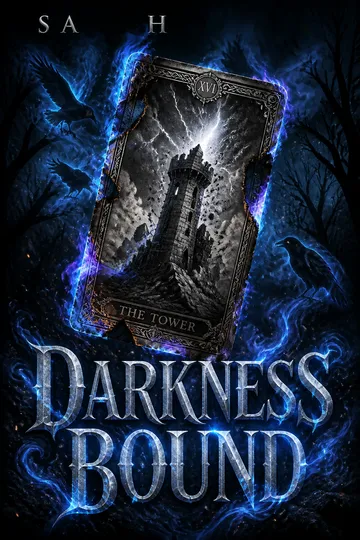
Tarot cards and prophecies are woven throughout the narrative, serving as both literal plot devices and symbols of fate, choice, and transformation. Sophie's readings, the Death card, the Tower, and the High Priestess all foreshadow key events and character arcs. The prophecy of four witches uniting to save their kind drives the plot forward, while the ambiguity of the cards mirrors the uncertainty of the future and the importance of agency.
Dual Realms and Magical Spaces
Gray's "magic place"—a personal realm where she accesses her power—serves as both sanctuary and battleground. The Shadowrealm, the black forest, and the stone pedestal are recurring motifs, representing the internal landscape of trauma, healing, and transformation. The ability to move between realms is both a source of power and vulnerability, and the story uses these spaces to externalize Gray's internal struggles and to stage key confrontations.
Romantic Multiplicity (Reverse Harem)
The narrative structure allows for multiple romantic and sexual relationships, rejecting the traditional love triangle in favor of a "love pentagon." Each relationship is distinct—Ronan's forbidden devotion, Darius's seductive protection, Asher's wounded passion, Emilio's grounding loyalty, and even Death's enigmatic mentorship. The plot uses these dynamics to explore themes of trust, jealousy, and the capacity for love, while also providing emotional and physical support for Gray's journey.
The Witch's Rebels Series
About the Author
Download PDF
Download EPUB
.epub digital book format is ideal for reading ebooks on phones, tablets, and e-readers.








































