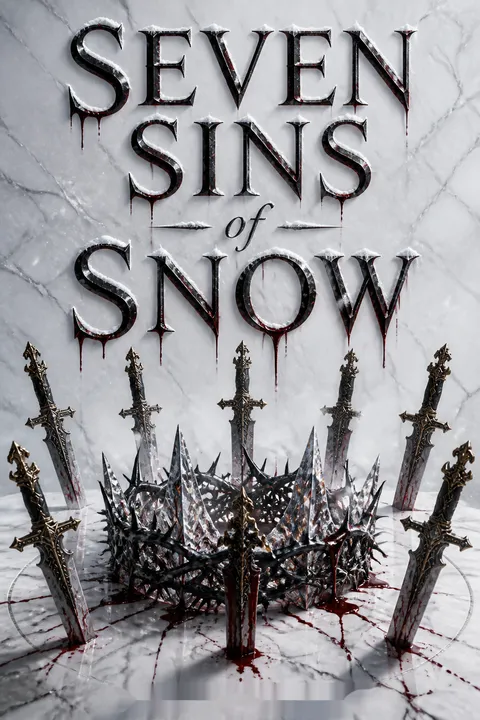

Plot Summary
Blood on the Run
Princess Snow, abused by her stepmother, the evil queen, escapes into the rain-soaked night, pursued by the queen's huntsmen. Her feet bleed as she runs through the twisting streets, desperate to avoid capture and certain death. In the shadows, she glimpses the legendary "lurkers"—monstrous, seductive figures who beckon her with pale fingers. Drawn to them despite the danger, Snow's fear and hope mingle as she chooses the unknown over the queen's cruelty. Her flight is a desperate act of survival, setting the stage for a life defined by pain, resistance, and the lure of forbidden power.
Fairest in Chains
Awakened from nightmares, Snow faces her stepmother's daily torment. The queen's obsession with being the "fairest" drives her to humiliate and control Snow, using servants to strip, wax, and dress her for suitors. Snow's body is a commodity, her beauty both weapon and prison. The servants, secretly loyal to Snow, bear the mark of rebellion—a snowflake tattoo. Snow's only solace is the hope that one day, she will lead her people to freedom. For now, she endures, her spirit unbroken, her hatred for the queen growing with every indignity.
Dungeons and Despair
After refusing another vile suitor, Snow is thrown into the queen's dungeon. The cell is cold, dark, and wet, her body battered and starving. Memories of her father's love and the queen's corruption haunt her. She recalls the queen's magic mirror, the source of her power and madness. Snow's only companions are the rats, who seem to understand her pain. In the darkness, delirium and hope blur—she dreams of the lurkers, ancient kings who rule the night, and wonders if her destiny lies with monsters or in death.
Public Humiliation
Dragged from her cell, Snow is caged and paraded naked through Riverwood. The queen forces the townspeople to witness Snow's degradation, branding her loyal servants as traitors. In the town square, Snow is tied to a pole and whipped mercilessly, her blood a spectacle. The people's pity and anger simmer beneath their fear. As Snow's body is broken, she glimpses a lurker in the shadows—proof that the legends are real. Her pain becomes a strange euphoria, a promise that her suffering will not be in vain.
Whip and Rebellion
Snow awakens in her room, her back shredded from the queen's whip. Loyal servants tend her wounds, risking their lives. Despite agony, Snow refuses to break. She wonders why the queen keeps her alive—suspecting ancient magic protects her. The rebellion's hope rests on Snow's survival. She dreams of the lurkers, their allure and danger, and senses her fate is entwined with theirs. The queen's threats grow darker: if Snow refuses the next suitor, she will lose her heart—literally. Snow's will to live, and to fight, hardens.
Mouse and Poison
Alone and desperate, Snow befriends a mouse who brings her a vial of poison. The queen's next suitor approaches, and Snow knows refusal means death. She plots escape, using the poison to kill her guards. Guilt and terror war within her, but survival demands sacrifice. Disguised in a hastily altered dress, Snow flees the castle, pursued by huntsmen. The storm outside mirrors her turmoil. In the alleys, she finds the mark of the lurkers—seven slashes above a door. With nowhere else to turn, she steps into the unknown.
Escape and Lurkers
Inside the lurkers' lair, Snow is drawn into a decadent, dangerous world. The seven kings—each embodying a deadly sin—rule over a court of vampires and revelers. Snow is both prey and guest, her beauty and blood stirring hunger and fascination. She is offered a healing nectar, her wounds miraculously mended. The kings' power is seductive, their intentions mysterious. Snow senses she is the center of a prophecy, her fate bound to theirs. For the first time, she feels alive, her pain transformed into desire.
The Seven Kings
The seven vampire kings—Lucian (Lust), Strix (Pride), Thorin (Wrath), Marcel (Greed), Killian (Gluttony), Ramsey (Envy), and Dante (Sloth)—reveal themselves as rulers of the night. Each is dangerous, alluring, and marked by his sin. Snow is tested, seduced, and healed by their magic. They see in her the potential for power and transformation. The kings offer her a choice: submit to their unveiling, or return to her old life, memories erased. Snow, desperate for freedom and vengeance, chooses to embrace the darkness.
Nectar and Healing
Snow drinks the kings' nectar, a blend of their blood and magic. Her wounds heal, her senses sharpen, and her desires awaken. The kings' touch and taste become addictive, their power a balm and a temptation. Snow is drawn into their games—dancing, stripping, and offering herself before the court. Each king tests her, demanding submission and courage. Through pain and pleasure, Snow discovers her own strength. The nectar is both a gift and a bond, tying her fate to the seven sins.
The People's Queen
Healed and emboldened, Snow returns to Riverwood. She destroys the whipping post, rallying the people to her cause. The townsfolk kneel before her, pledging loyalty. The queen's guards recapture her, but Snow's spirit is unbroken. The people's faith gives her purpose—she will fight not just for herself, but for all who suffer under the queen's rule. The rebellion gains momentum, fueled by Snow's courage and the promise of a new future.
Punishment and Pain
The queen's punishments grow more creative and cruel. Snow is forced to clean the corpses of her victims, crawl and eat like a beast, and suffer public degradation. Her body is battered, but her will is iron. The queen's magic cannot break her spirit. Snow's connection to the lurkers deepens—she dreams of their touch, their bite, and the power they offer. Each humiliation becomes a lesson in survival, each wound a mark of resistance.
The Queen's Threat
The queen, sensing her power slipping, threatens to rip out Snow's heart. Snow's only comfort is a mouse—her unlikely ally—who brings her hope and small gifts. The queen's magic mirror, source of her power, becomes a target. Snow plots to destroy it, knowing it is the key to the queen's downfall. The rebellion waits for her signal. The time for patience is ending; the time for action is near.
Mouse's Gift
Snow's mouse brings her another vial—this time, nectar from the lurkers. The healing, intoxicating power of the kings flows through her. She realizes her destiny is to unite the people and the vampires, to wield the seven sins against the queen. The mouse's loyalty is a sign: even the smallest creature can change fate. Snow prepares for the final confrontation, her body and soul transformed by pain, love, and magic.
The Lurkers' Invitation
Snow is summoned to the lurkers' throne room for the unveiling. Before the coven, she is stripped, touched, and tasted by the seven kings. Each claims her in his own way, marking her with his sin. The ritual is both humiliation and empowerment—Snow's submission is the key to her transformation. The kings promise her power, pleasure, and vengeance, but only if she surrenders completely. Snow chooses to become theirs, embracing the darkness within.
The Unveiling
In a public ceremony, Snow is unveiled as the future queen of the vampires. The kings and their court watch as she is stripped, displayed, and pleasured. Each king bites her, sharing his sin and power. The ritual is ecstatic and agonizing, a union of blood, magic, and desire. Snow's body and soul are remade, her humanity slipping away as she becomes something new. The kings declare her their mate, the queen of sin, and the weapon against the evil queen.
Submission and Power
Each king tests Snow, demanding she submit to his sin. With Strix, she learns pride; with Thorin, wrath; with Marcel, greed; with Killian, gluttony; with Dante, sloth; with Ramsey, envy; and with Lucian, lust. Each encounter is a lesson in pain, pleasure, and surrender. Snow's body is marked, her will tested, her desires awakened. Through submission, she gains power—each sin becomes a weapon, each king a lover and a teacher. The seven sins fuse within her, making her unstoppable.
The Sins Awaken
As Snow absorbs each sin, her powers grow. She learns to glamour, to compel, to shift into a wolf, and to heal with blood. The kings' bond deepens—she can sense their emotions, and they hers. The people of Riverwood become drones, empowered by vampire blood. The coven and the town unite, preparing for war. Snow's humanity fades, replaced by something darker, stronger, and more dangerous. The final sin—gluttony—awaits, and with it, the end of her old life.
The Queen's Mirror
Snow infiltrates the castle, destroys the queen's magic mirror, and escapes with the help of Thorin's wolves. The queen's power wanes, her control over the people and guards weakening. Snow's act of defiance is a turning point—the rebellion surges, the people and vampires rallying behind her. The queen, enraged, prepares for war. Snow, now bonded to the seven, is ready to face her destiny.
The Wolf Within
Snow learns to shift into a wolf, embracing her new powers. She leads the people, inspires hope, and prepares for battle. The kings, now her mates, share their blood and magic, making her the ultimate weapon. The people of Riverwood and the vampires become one army, united by Snow's leadership and sacrifice. The final confrontation with the queen looms, the fate of the world hanging in the balance.
The Kings' Bond
In a final, ecstatic ritual, Snow is claimed by all seven kings. Their blood, magic, and desire fuse within her, killing her mortal body and rebirthing her as the Queen of Sin. The kings drain her to death, then revive her with their power. Snow awakens in her own coffin, transformed—stronger, faster, and more powerful than any vampire before her. The people and the coven kneel before their new queen, ready to follow her into battle.
The Final Sin
Snow's death is agony, her rebirth a revelation. She floats between worlds, choosing the seven over her parents in the afterlife. Her new body is a vessel for all seven sins, her power unmatched. The kings crown her, the people and vampires kneel, and Snow claims her throne. The final battle is at hand—only she can defeat the evil queen and free the world from darkness.
Death and Rebirth
Snow's resurrection is a miracle. She is crowned before the people and the coven, her power radiating from her. The seven kings kneel, pledging their loyalty. Snow's blood becomes an elixir, making vampires daywalkers and healing the wounded. The people and vampires unite, their differences erased by shared suffering and hope. Snow's reign begins, but the final test remains—the queen must die.
The Last Battle
The evil queen attacks, her magic devastating. Snow leads her united army—humans, vampires, and wolves—into battle. The field is a slaughterhouse, but Snow's power turns the tide. She absorbs the queen's magic, transforming it into her own. The two queens face each other, their hatred and power colliding. Snow's sins become her strength, her submission her weapon. The final confrontation is brutal, bloody, and cathartic.
The Queen's Heart
In a moment of ultimate vengeance, Snow tears the queen's heart from her chest and drinks her blood. The queen's death is the end of an era—the people and vampires are freed, the sun returns, and hope is reborn. Snow bathes in her enemy's blood, her victory both savage and just. The kings and the people celebrate, mourning the lost and honoring the fallen. Snow's tears are for the past; her smile is for the future.
A New Dawn
With the queen dead, Snow's reign begins. The people rebuild, the vampires walk in sunlight, and the coven thrives. Snow's blood heals and empowers, uniting the two worlds. The seven kings are her lovers, her equals, her family. Together, they create a new society—one of freedom, pleasure, and power. Snow, once a victim, is now a queen, her sins her strength, her love her legacy. The story ends with hope, desire, and the promise of a future forged in blood, pain, and triumph.
Analysis
Seven Sins of Snow is a dark, erotic reimagining of the Snow White myth, blending elements of gothic romance, reverse harem fantasy, and psychological horror. At its core, the novel is about the transformative power of pain, desire, and surrender. Snow's journey from abused princess to vampire queen is a metaphor for trauma recovery—she must confront her deepest wounds, embrace her darkest desires, and find strength in vulnerability. The seven kings, each embodying a deadly sin, represent different paths to healing and empowerment. The novel challenges traditional notions of purity, agency, and femininity, suggesting that true power comes not from denying one's darkness, but from integrating it. The story also explores the dynamics of consent, the complexity of love, and the importance of chosen family. In a modern context, Seven Sins of Snow is a celebration of survival, resilience, and the right to define one's own destiny—even if it means becoming a monster to defeat a greater evil. The ultimate lesson is that freedom and happiness are won not by denying pain, but by transforming it into strength, pleasure, and love.
Characters
Snow (Princess/Queen Snow)
Snow is the daughter of a murdered king and queen, raised under the sadistic rule of her stepmother. Her beauty is both a blessing and a curse, making her the target of envy, lust, and violence. Psychologically, Snow is a survivor—her trauma has forged a core of iron beneath her vulnerability. She is compassionate, loyal, and fiercely protective of her people, but also harbors deep rage and a hunger for vengeance. Her journey is one of transformation: from victim to rebel, from human to vampire, from pawn to queen. Through pain, submission, and the embrace of the seven sins, Snow discovers her true power lies in her willingness to surrender, to love, and to fight for those who cannot fight for themselves.
The Evil Queen (Stepmother)
The queen is obsessed with beauty, power, and control. She is a master manipulator, using magic, cruelty, and humiliation to dominate Snow and the kingdom. Her psychological profile is that of a classic narcissist—incapable of empathy, driven by envy, and terrified of losing her status. The magic mirror is both her confidant and her curse, reflecting her deepest fears and insecurities. The queen's need to destroy Snow is rooted in her own self-loathing. Her downfall is inevitable, brought about by her inability to see the strength in those she deems weak. She is a cautionary symbol of unchecked power and the self-destructive nature of envy.
Lucian (King of Lust)
Lucian is the first of the seven kings to claim Snow's attention. He is charismatic, confident, and deeply sensual, embodying the sin of lust. His psychological complexity lies in his need for connection—he craves intimacy, both physical and emotional, and is drawn to Snow's vulnerability and strength. Lucian is a skilled manipulator, but his love for Snow is genuine. He teaches her to embrace her desires, to find power in pleasure, and to use lust as a weapon and a shield. His journey is one of learning to surrender control and to trust in love.
Strix (King of Pride)
Strix is the embodiment of pride—regal, self-assured, and protective. He values dignity, both his own and Snow's, and pushes her to see her worth. Strix's pride is not arrogance, but a deep sense of responsibility and honor. He is the king who teaches Snow to hold her head high, to claim her place as queen, and to find strength in her scars. His relationship with Snow is one of mutual respect and admiration, and his psychological arc is about learning humility and the power of vulnerability.
Thorin (King of Wrath)
Thorin is the most physically imposing of the kings, embodying wrath. He is quick to anger, fiercely loyal, and driven by a need to protect those he loves. Thorin's rage is both a curse and a gift—he teaches Snow to harness her anger, to use it as fuel for justice rather than destruction. His psychological struggle is with control—learning to temper his wrath with compassion, and to trust Snow's strength. His love is expressed through dominance, pain, and the promise of safety.
Marcel (King of Greed)
Marcel's greed is not just for wealth, but for experience, sensation, and connection. He is both giver and taker, always seeking more—of Snow, of life, of pleasure. Marcel's psychological depth lies in his fear of emptiness; he is driven by a need to fill the void within. With Snow, he learns the difference between possession and partnership, and the joy of sharing power. His arc is about balance—finding satisfaction in enough, and learning to give as much as he takes.
Killian (King of Gluttony)
Killian is the king of excess, delighting in food, drink, and pleasure. He is the most lighthearted of the seven, using humor and warmth to ease tension. Killian's gluttony is a metaphor for living fully, for embracing abundance without shame. He teaches Snow to savor life, to find joy in the body, and to celebrate survival. Psychologically, Killian is the healer of the group, soothing wounds with laughter and love. His journey is about learning restraint and the value of sacrifice.
Ramsey (King of Envy)
Ramsey's envy is a double-edged sword—he is driven to protect what he loves, but also haunted by fear of loss. He is the most jealous and intense of the kings, his love for Snow bordering on obsession. Ramsey's psychological struggle is with trust—learning to let go, to share, and to believe in his own worth. With Snow, he finds peace in devotion, and learns that envy can be transformed into loyalty and courage.
Dante (King of Sloth)
Dante is the most enigmatic of the kings, often appearing indifferent or lazy. In truth, he is hiding immense power and vulnerability. His sloth is a mask, a way to avoid pain and responsibility. With Snow, Dante learns to engage, to care, and to act. He teaches her the value of patience, rest, and surrender. His psychological arc is about awakening—finding purpose in love, and embracing the world rather than retreating from it.
Katie (Snow's Friend)
Katie is one of the few humans who remains close to Snow throughout her ordeal. She is brave, resourceful, and compassionate, offering comfort and practical help. Katie's role is to remind Snow of her humanity, to ground her in friendship and laughter. She represents the possibility of healing, the importance of chosen family, and the power of ordinary kindness in a world of monsters and magic.
Plot Devices
The Seven Sins as Transformation
The central device is the embodiment of the seven deadly sins in the vampire kings, each representing a path to power and self-knowledge. Snow's journey is structured around her submission to, and mastery of, each sin. The sins are not merely vices, but sources of strength, pleasure, and identity. Through pain, pleasure, and surrender, Snow is transformed—her suffering becomes her weapon, her submission her liberation. The sins are also a metaphor for trauma and healing, showing how darkness can be integrated rather than denied.
Reverse Harem Structure
The narrative uses the reverse harem trope to explore different facets of love, power, and sexuality. Each king offers Snow a unique challenge and gift, forcing her to confront her fears, desires, and limitations. The structure allows for a deep exploration of consent, agency, and the dynamics of dominance and submission. The harem is not just about sex, but about the creation of a chosen family, a community forged in adversity.
The Magic Mirror and Foreshadowing
The queen's magic mirror is a classic device, representing self-knowledge, obsession, and the danger of unchecked power. Its destruction marks the turning point in the war, signaling the end of the queen's reign and the rise of a new order. The mirror also serves as a source of foreshadowing, warning Snow of her destiny and the price of power.
Death and Rebirth
The narrative structure is cyclical—Snow must die to be reborn. Her journey is marked by repeated cycles of suffering, submission, and transformation. The final ritual, in which the kings drain her to death and revive her as queen, is the culmination of this device. It is both literal and symbolic—a passage from victimhood to agency, from human to monster, from pawn to queen.
Duality and Integration
The story constantly plays with dualities—human and vampire, victim and ruler, pain and ecstasy, submission and power. Snow's arc is about integrating these opposites, finding strength in vulnerability, and using her darkness as a source of light. The plot uses these dualities to explore trauma, healing, and the complexity of desire.
Download PDF
Download EPUB
.epub digital book format is ideal for reading ebooks on phones, tablets, and e-readers.








































