
Plot Summary
Debt, Guns, and Shadows
In the predawn mist of West Africa, Chinese intelligence officer Kang Shikun orchestrates a clandestine operation, leveraging "debt-trap diplomacy" to control Togo's new port. He partners with South African mercenary Tremaine and a motley crew of international guns-for-hire, arming local rebels and recruiting Russian ex-Wagner fighters. Their mission: destabilize Ghana by training and equipping a rebel force, all under the guise of private security. The Chinese, seeking to expand their influence, manipulate local politics and economics, setting the stage for a coup. The mercenaries, motivated by money and survival, are pawns in a larger geopolitical game, their loyalty as fragile as the alliances they form. The operation's cold efficiency and moral ambiguity foreshadow the chaos to come, as violence and subterfuge become the currency of power in West Africa.
Jalalabad: Betrayal and Blood
In Afghanistan, young contractor Josh Duffy is thrust into a deadly ambush orchestrated by his reckless superior, Tremaine. What begins as a routine weapons pickup devolves into a firefight and betrayal, with Tremaine prioritizing stolen guns over his men's lives. The team is decimated, and Duffy's friend Caruth dies in his arms. The trauma etches itself into Duffy's psyche, manifesting as nightmares and a deep mistrust of authority. Tremaine's cold pragmatism and disregard for human life leave Duffy scarred, both physically and emotionally. This formative experience shapes Duffy's worldview, teaching him that in the world of private military contracting, loyalty is expendable and survival often comes at the cost of one's soul. The seeds of future conflict between Duffy and Tremaine are sown in blood and betrayal.
Nightmares and New Beginnings
Years later, Duffy is a wounded veteran, now with a prosthetic leg, struggling with PTSD and the ghosts of his past. He's built a new life in Virginia with his wife Nichole, a former Army officer, and their two children. Both work for the State Department, balancing demanding careers with family life. Their relationship is marked by love, resilience, and the ever-present shadow of Duffy's trauma. Nichole's ambition and discipline contrast with Duffy's lingering self-doubt, but together they navigate the challenges of parenthood and public service. The promise of a foreign posting offers hope for a fresh start, even as Duffy's nightmares remind him that the past is never far behind. The family's bond is their anchor, but the world they serve is fraught with unseen dangers.
Family, Duty, and D.C.
The Duffys' suburban life is a blend of morning chaos, school runs, and career aspirations. Nichole awaits her first overseas assignment, while Duffy juggles desk work and the occasional protection detail. Their children, Mandy and Huck, are bright and curious, absorbing the tension and love that permeate their home. Duffy's injury and PTSD are ever-present, but he masks his pain with humor and devotion. The couple's shared history—Nichole's rescue in Syria, Duffy's near-fatal wounding in Lebanon—binds them, but also sets them apart from their peers. The looming move abroad is both an opportunity and a risk, promising adventure but also uncertainty. The family's resilience is tested by the demands of service and the scars of war.
Protection Detail Gone Wrong
Assigned to protect a visiting EU diplomat, Duffy's day takes a violent turn when a protest at the Turkish ambassador's residence erupts into chaos. Turkish security agents attack protesters, and Duffy is forced into action, rescuing the diplomat's daughter and subduing armed assailants. The incident leaves him injured but lauded for his bravery. The episode underscores the volatility of diplomatic work and the thin line between order and anarchy. Duffy's instincts and training save lives, but the experience reignites his trauma and highlights the ever-present dangers faced by those who serve abroad. The event cements his reputation as a protector, but also foreshadows the greater threats awaiting him and his family.
Chaos at Sheridan Circle
The melee at Sheridan Circle is a microcosm of global tensions, with foreign security forces clashing on American soil. Duffy's quick thinking and courage avert a massacre, but the incident exposes the fragility of international norms and the unpredictability of violence. The aftermath is a blur of hospital visits, media attention, and bureaucratic fallout. Nichole's concern for Duffy's well-being deepens, as does her anxiety about their impending move. The episode serves as a stark reminder that danger can strike anywhere, and that the personal and political are inextricably linked. The family's resolve is tested, but their unity endures.
Ghana: Arrival and Adjustment
The Duffys relocate to Accra, Ghana, embracing the challenges of expatriate life. Duffy joins the embassy's security team, while Nichole takes on a political officer role. The family settles into a guarded compound, navigating cultural differences and the complexities of diplomatic work. Duffy's prosthesis and PTSD remain obstacles, but he finds camaraderie among his colleagues and a sense of purpose in his duties. The embassy community is tight-knit, but rumors of unrest and foreign interference simmer beneath the surface. The promise of stability is shadowed by the region's history of coups and the growing influence of China. The Duffys' hope for a fresh start is tempered by the realities of their new environment.
Webs of Conspiracy
Behind the scenes, Kang Shikun's plot advances. He manipulates local rebels, mercenaries, and corrupt officials, weaving a web of alliances and betrayals. Tremaine recruits Russian ex-Wagner fighters, while Kang secures the loyalty of Ghanaian General Boatang through blackmail and promises of power. Iranian operatives and jihadist proxies are drawn into the scheme, adding layers of complexity and danger. The rebels, led by the ambitious Professor Addo, are pawns in a game they barely understand. The Chinese aim to destabilize Ghana, eliminate Western influence, and install a puppet regime. The stage is set for a violent upheaval, with Duffy and his family unwittingly caught in the crossfire.
Rebels in the Jungle
In the jungles near the Togo-Ghana border, mercenaries train the Dragons of Western Togoland, transforming them from ragtag rebels into a credible fighting force. Tremaine and his men provide weapons, tactics, and ruthless discipline, while Kang orchestrates the broader strategy. The rebels are motivated by dreams of independence and revenge, but their cause is co-opted by foreign interests. The alliance is uneasy, with mutual suspicion and conflicting goals. The mercenaries' professionalism contrasts with the rebels' inexperience, and the looming operation is fraught with risk. The jungle becomes a crucible, forging alliances and enmities that will explode in the coming coup.
The Dam: A Ticking Bomb
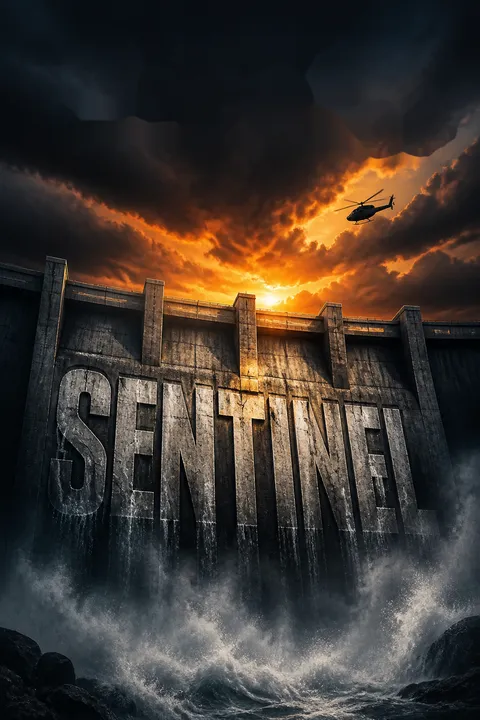
The Akosombo Dam, Ghana's lifeblood, becomes the focal point of the conspiracy. Kang's plan is to seize the dam, cut power to the nation, and plunge the country into chaos. Mercenaries infiltrate the facility, disguised as police, while explosives are planted to ensure leverage over the government. Duffy, assigned to the ambassador's protection detail, grows suspicious of the security forces at the dam. His instincts prove correct as the coup ignites, and he is thrust into a desperate battle to protect the delegation and prevent catastrophe. The dam becomes a symbol of Ghana's vulnerability, its fate intertwined with the nation's future.
The Coup Ignites
The coup erupts with a sniper's shot at the president during a staged photo op at the dam. Duffy's warning saves lives, but the delegation is caught in a crossfire as rebels disguised as police attack. The scene devolves into a brutal firefight, with Duffy and his colleagues fighting to protect the ambassador and escape the kill zone. The rebels seize the dam, plant explosives, and cut power to the nation, fulfilling Kang's plan. The chaos spreads, communications are jammed, and the country teeters on the brink. Duffy's courage and quick thinking avert total disaster, but the cost is high, and the threat is far from over.
Powerless and Under Fire
Trapped in the dam's control room, Duffy and the survivors face overwhelming odds. With communications down and ammunition low, they must decide whether to hold their ground or attempt a risky escape. The rebels, emboldened by their initial success, press the attack, while Duffy leads a small team to confront the mercenaries planting bombs below. The battle is brutal and intimate, with hand-to-hand combat and split-second decisions determining life and death. Duffy's leadership and sacrifice inspire those around him, but the psychological toll is immense. The dam's fate—and that of the nation—hangs in the balance.
The River Command's Stand
Sergeant Isaac Opoku and his River Command police mount a courageous defense of the dam, rallying their men and counterattacking the rebels. Their knowledge of the terrain and determination to protect their homeland prove decisive. Isaac's actions, alongside Duffy's, help retake the facility and prevent its destruction. The alliance between Americans and Ghanaians is forged in blood and mutual respect. The victory is hard-won, with heavy casualties and lingering trauma, but it marks a turning point in the battle for Ghana's future. The dam is saved, but the war is far from over.
Helicopters Down
As the delegation attempts to evacuate by helicopter, they are ambushed by RPGs fired by mercenaries. One helicopter is shot down over the river, killing all aboard, while another crashes in the jungle with Duffy's wife and colleagues inside. Duffy and Isaac race to the crash site, navigating treacherous terrain and enemy patrols. The survivors, injured and traumatized, must escape through the jungle, pursued by mercenaries intent on silencing witnesses and recovering a critical tablet computer. The ordeal tests their endurance, ingenuity, and trust in one another. The jungle becomes a crucible of fear and hope.
Jungle Escape
Duffy leads the wounded survivors through the jungle, pursued by mercenaries and rebels. The group faces ambushes, treacherous terrain, and the ever-present threat of discovery. Duffy's tactical acumen and Isaac's local knowledge are their lifelines. The group's unity is tested by exhaustion, injury, and fear, but their determination to survive prevails. The critical tablet, containing evidence of the conspiracy, becomes both a burden and a bargaining chip. The escape is a testament to human resilience and the bonds forged in adversity. The jungle, both enemy and ally, shapes their journey and their fate.
The Tablet and the Truth
The damaged tablet computer, recovered from a dead mercenary, holds the key to exposing the conspiracy. Tremaine, desperate to recover it, kidnaps Duffy's children, forcing a deadly game of negotiation and pursuit. The tablet becomes a symbol of truth and leverage, its contents sought by all sides. Duffy and Nichole must choose between their children's safety and the greater good, navigating a web of lies, threats, and shifting alliances. The personal and the political collide, and the cost of doing the right thing becomes painfully clear. The stakes are no longer just national—they are existential.
The Capital Besieged
As rebel columns, mercenaries, and jihadists converge on Accra, the city descends into chaos. The military is stretched thin, fighting on multiple fronts, while the Chinese orchestrate events from their hilltop mansion. The embassy becomes a sanctuary and a prison, with Duffy and his family at the center of the storm. The lines between friend and foe blur, as betrayals and shifting loyalties threaten to unravel everything. The fate of Ghana—and the Duffys—hangs by a thread, as violence and intrigue reach their zenith. The city's survival depends on courage, cunning, and the willingness to risk everything for what matters most.
The Final Gambit
Tremaine kidnaps Mandy and Huck, using them as leverage to force Duffy's hand. With time running out and the military closing in, Duffy, Nichole, and Isaac disguise themselves as mercenaries and infiltrate the Chinese safe house in the Aburi Hills. The rescue is a desperate, high-stakes gambit, pitting Duffy against Tremaine in a final, brutal confrontation. The children's courage and the unexpected help of a conflicted Chinese contractor tip the balance. The battle is fierce, with casualties on all sides, but Duffy's determination and love for his family prevail. The conspiracy is exposed, and the children are saved, but not without lasting scars.
The Children Taken
Mandy and Huck's kidnapping is a harrowing ordeal, exposing them to violence and fear. Their resilience and quick thinking, along with the compassion of Chen Jia, the pregnant Chinese contractor, help them survive. The children's ordeal humanizes the conflict, reminding all involved of the stakes beyond politics and power. The trauma they endure is profound, but their bravery inspires those around them. The episode forces Duffy and Nichole to confront the limits of their own morality and the lengths they will go to protect their family. The innocence of childhood is forever altered by the violence of adults.
The Rescue at Ankama Close
The final assault on the Chinese safe house is a maelstrom of violence, courage, and sacrifice. Duffy and Tremaine's rivalry culminates in a savage hand-to-hand fight, with Duffy prevailing but gravely wounded. Nichole and Isaac's heroism and quick thinking save the children and Chen Jia. The Ghanaian military storms the compound, ending the mercenaries' reign and capturing Kang. The conspiracy is unraveled, and the truth comes to light. The cost is high—lives lost, innocence shattered, and wounds both physical and psychological—but justice and love endure. The family is reunited, and the nation begins to heal.
Aftermath and Reckoning
In the days following the coup, the Duffys recover with the help of friends and allies. Kang is captured, the conspiracy exposed, and Ghana's democracy survives. Chen Jia is granted asylum, and Isaac is celebrated as a hero. The family faces the prospect of leaving Ghana, their home and sanctuary, but their bond is stronger than ever. The scars of trauma remain, but hope and resilience prevail. The lessons of loyalty, sacrifice, and the cost of doing what's right linger. The story ends not with triumph, but with the quiet determination to move forward, cherish what matters, and face whatever comes next—together.
Analysis
Modern thriller, timeless questions: loyalty, power, and the cost of doing rightSentinel is a masterful fusion of high-octane action and nuanced psychological drama, set against the backdrop of contemporary geopolitical conflict. Mark Greaney explores the intersection of personal trauma and global intrigue, using the Duffy family's ordeal as a lens to examine the costs of loyalty, the dangers of unchecked ambition, and the resilience of the human spirit. The novel interrogates the ethics of intervention, the expendability of individuals in the games of great powers, and the enduring power of love and sacrifice. Through its interwoven timelines, complex characters, and relentless pacing, Sentinel offers both a gripping narrative and a meditation on the nature of heroism in a world where the lines between right and wrong are blurred by necessity and circumstance. The story's ultimate message is one of hope: that even in the darkest moments, courage, compassion, and the bonds of family can prevail over cynicism and violence.
Review Summary
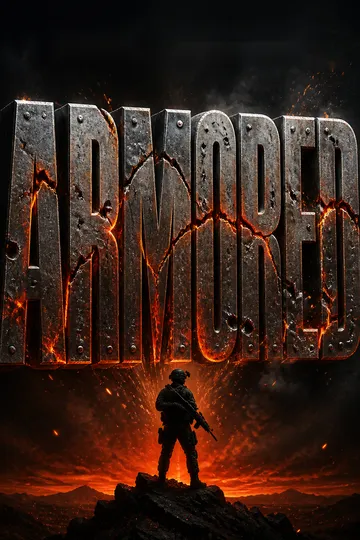
Sentinel by Mark Greaney is the second book in the Armored series, following Josh Duffy and his wife Nicole as they work for the US State Department in Ghana. The novel is praised for its intense action, well-researched plot, and relatable characters. Readers appreciate the fast-paced narrative, realistic geopolitical elements, and Greaney's skill in crafting suspenseful scenes. While some found it too long or formulaic, most reviewers highly recommend it for fans of political and military thrillers.
Characters
Joshua "Josh" Duffy
Josh Duffy is the emotional core of the story—a former Army infantryman and private military contractor, now a Diplomatic Security agent. Scarred by betrayal and violence in Afghanistan and Lebanon, he carries deep PTSD and a physical reminder of war: a prosthetic leg. His marriage to Nichole is a partnership of equals, forged in shared trauma and mutual respect. Duffy's psyche is a battleground of guilt, duty, and love; he is driven by a need to protect, even at great personal cost. His journey is one of redemption—learning to trust, to lead, and to forgive himself. The kidnapping of his children crystallizes his purpose, transforming him from a reluctant hero into a force of nature. His final confrontation with Tremaine is both a reckoning and a release, allowing him to reclaim agency over his life and legacy.
Nichole Duffy
Nichole is a former Army officer and helicopter pilot, now a State Department political officer. Intelligent, ambitious, and deeply empathetic, she is both Duffy's anchor and his challenger. Her own trauma—surviving a helicopter crash and the chaos of war—gives her insight into her husband's struggles, but also a drive to build a better future for their family. As a mother, she is protective and nurturing; as a professional, she is assertive and principled. Nichole's arc is one of agency—refusing to be sidelined, she becomes an active participant in the rescue of her children and the defense of her adopted home. Her partnership with Duffy is a model of mutual respect and shared sacrifice, and her resilience is a beacon for those around her.
Conrad "Condor" Tremaine
Tremaine is the embodiment of the mercenary ethos—pragmatic, cunning, and utterly amoral. A former South African officer, he is haunted by past failures and driven by a need for control and recognition. His relationship with Duffy is complex: mentor, betrayer, and nemesis. Tremaine's willingness to sacrifice anyone for the mission, including children, marks him as a villain, but his charisma and competence make him a formidable foe. Psychologically, he is a study in compartmentalization—able to rationalize any atrocity in pursuit of his goals. His downfall is precipitated by his inability to anticipate the consequences of his own ruthlessness, and his final confrontation with Duffy is both a personal and symbolic reckoning.
Kang Shikun
Kang is the architect of the coup—a Chinese intelligence officer whose mastery of manipulation, patience, and psychological warfare makes him the story's shadowy antagonist. He operates with clinical detachment, viewing people as pieces on a chessboard. His alliances with mercenaries, rebels, and corrupt officials are transactional, and his ultimate loyalty is to the interests of the Chinese state. Kang's psychological profile is marked by a lack of empathy, a belief in the ends justifying the means, and a capacity for long-term planning. His downfall comes not from a lack of intelligence, but from underestimating the resilience and unpredictability of his adversaries.
Isaac Opoku
Isaac is a Ghanaian police sergeant with a background in special forces. Brave, resourceful, and deeply committed to his country, he becomes Duffy's indispensable ally. Isaac's perspective grounds the story in local realities, and his actions are motivated by a sense of duty and justice. His relationship with Duffy is one of mutual respect and growing friendship, transcending cultural and professional boundaries. Isaac's heroism is understated but vital—he saves lives, provides critical intelligence, and embodies the best of Ghanaian resilience. His arc is one of sacrifice and recognition, as he moves from the periphery to the heart of the story.
Mandy and Huck Duffy
Mandy and Huck are the Duffys' children, thrust into a nightmare of violence and abduction. Mandy, the older sibling, is quick-witted and protective of her brother, displaying remarkable composure under pressure. Huck is younger and more vulnerable, but his trust in his family and his own small acts of bravery are poignant. Their ordeal humanizes the stakes of the conflict, and their survival is a testament to the power of love and resilience. The trauma they endure is profound, but their bond with their parents is unbreakable.
Chen Jia
Jia is a Chinese intelligence contractor, pregnant and wracked by guilt over her role in the conspiracy. Her interactions with Mandy and Huck awaken her conscience, and she ultimately risks her life to help them escape. Jia's psychological journey is one of awakening and redemption—she moves from passive complicity to active resistance, driven by empathy and the hope for a better future for her own child. Her arc underscores the theme that even in the darkest circumstances, individuals can choose compassion over obedience.
Professor Mamadou Addo
Addo is the leader of the Dragons of Western Togoland, a charismatic but naïve academic swept up in the promise of power. His motivations are a mix of genuine grievance and personal ambition, but he is outmatched by the machinations of Kang and Tremaine. Addo's psychological profile is marked by insecurity, a need for validation, and a susceptibility to flattery and manipulation. His fate is a cautionary tale about the dangers of idealism unmoored from reality and the perils of trusting those who see you as expendable.
Lev Belov
Belov is a Russian ex-Wagner mercenary, hardened by years of conflict and betrayal. He is competent, loyal to his men, but ultimately a pawn in a game he cannot control. His interactions with Duffy are marked by mutual respect and recognition of shared trauma. Belov's death is emblematic of the expendability of mercenaries in the schemes of greater powers, and his possession of the critical tablet is the catalyst for the story's climax.
Bob Gorski
Gorski is a veteran CIA officer, skeptical, resourceful, and driven by a sense of duty. He serves as a mentor and ally to Duffy, providing critical intelligence and support. Gorski's psychological profile is marked by pragmatism, a dry sense of humor, and a deep understanding of the moral ambiguities of his profession. He is a stabilizing force in the chaos, and his efforts are instrumental in unraveling the conspiracy and saving lives.
Plot Devices
Interwoven Timelines and Perspectives
The narrative employs a non-linear structure, weaving together past trauma, present action, and future consequences. Flashbacks to Duffy's experiences in Afghanistan and Lebanon provide psychological depth and context for his actions in Ghana. The story shifts perspectives between Duffy, Nichole, Kang, Tremaine, Isaac, and others, creating a mosaic of motivations and stakes. This structure builds suspense, reveals hidden agendas, and allows the reader to experience the complexity of the conflict from multiple angles. The interplay of personal and political timelines heightens the emotional impact and underscores the interconnectedness of individual choices and global events.
Foreshadowing and Symbolism
The story is rich with foreshadowing—Duffy's nightmares, the recurring motif of betrayal, and the symbolism of the dam as both a literal and metaphorical source of power. The damaged tablet represents the fragility of truth and the dangers of secrets. The jungle, with its beauty and peril, mirrors the moral wilderness the characters navigate. The use of children as both victims and catalysts underscores the theme of innocence endangered and the cost of violence. These devices deepen the narrative, inviting reflection on the nature of loyalty, sacrifice, and redemption.
High-Stakes Action and Moral Dilemmas
The plot is driven by a series of escalating crises—ambushes, betrayals, kidnappings, and battles. Each action sequence is not merely spectacle, but a crucible for character development and ethical decision-making. Duffy and Nichole are repeatedly forced to choose between personal safety and the greater good, between vengeance and mercy. The tension between duty and family, loyalty and survival, is ever-present. The story's climax is not just a physical confrontation, but a moral reckoning, with the fate of innocents and the soul of the protagonist at stake.
Realism and Geopolitical Intrigue
The narrative is grounded in meticulous research and authentic detail, from the mechanics of embassy security to the intricacies of African politics and Chinese influence operations. The conspiracy is plausible, reflecting real-world tactics of hybrid warfare, debt diplomacy, and proxy conflict. The interplay of local grievances and global ambitions creates a believable and immersive world, where the personal and the political are inseparable. The story's realism heightens its impact, making the stakes feel immediate and consequential.
About the Author
Other books by Mark Greaney



Download PDF
Download EPUB
.epub digital book format is ideal for reading ebooks on phones, tablets, and e-readers.








































