
Plot Summary
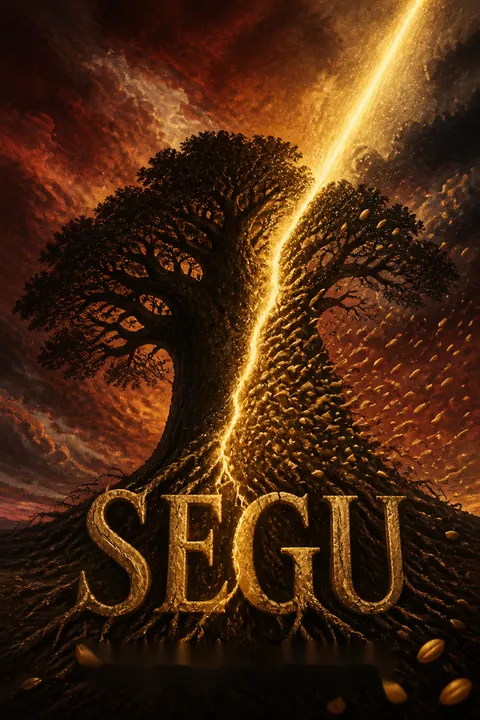
Segu: City of Splendor
Segu, the heart of the Bambara kingdom, flourishes on the banks of the Joliba River, a city of wealth, tradition, and sacred trees. The Traore family, led by Dousika, embodies the city's nobility and complexity, their compound a microcosm of Segu's grandeur and contradictions. The city pulses with life—markets, rituals, and the ever-present griots singing of glory and treachery. Yet, beneath the surface, unease stirs: a white stranger appears, portending change, and the old ways are threatened by whispers of new faiths and foreign ambitions. The Traore family's daily rhythms—births, marriages, rivalries—are shadowed by the city's reliance on war, slavery, and the favor of capricious gods. Segu's splendor is inseparable from its violence and fragility.
Sons and Seeds Scattered
Dousika's sons—Tiekoro, Siga, Naba, and Malobali—each carry the weight of their lineage and the city's expectations. Tiekoro, the eldest, is drawn to Islam, seeking meaning beyond blood and sacrifice, while Siga, the son of a slave, struggles for recognition and belonging. Naba, the gentle one, is swept away by the slave trade, his fate a testament to the era's brutality. Malobali, the youngest, is marked by his Fulani mother's exile and the pain of abandonment. The family's unity fractures as each son is cast into a world in flux—some by choice, others by force. Their journeys, both physical and spiritual, mirror the scattering of millet by the wind: unpredictable, sometimes fruitful, often lost.
Faiths Collide, Loyalties Fracture
As Islam spreads through West Africa, the Traore family and Segu itself are torn between old gods and the new faith. Tiekoro's conversion is both a personal awakening and a public scandal, bringing shame and suspicion upon his father. The city's rulers, wary of Islam's challenge to royal authority and tradition, oscillate between tolerance and repression. Family members and friends become adversaries, their loyalties tested by faith, ambition, and fear. The griots' songs now tell of betrayal as much as glory. The gods of Segu, once unassailable, tremble as their altars are neglected and their blood sacrifices questioned. The city's future hangs in the balance, its soul contested by competing visions of the divine.
Exile, Betrayal, and Loss
Dousika, once a pillar of Segu, is disgraced and banished from court, undone by palace intrigue and the perceived betrayal of his son's conversion. The family compound, once vibrant, is shrouded in mourning and silence. Sons are lost to exile, slavery, or death; wives and concubines are left to grieve or fend for themselves. The city's fortunes wane as enemies gather at its borders and within its walls. The pain of loss is compounded by the knowledge that much of it is self-inflicted—by pride, by stubbornness, by the inability to adapt. The Traore family's suffering becomes a microcosm of Segu's decline, as the old order crumbles and the future remains uncertain.
Brothers on Divergent Paths
Tiekoro pursues Islamic scholarship in Timbuktu and Jenne, facing prejudice and loneliness but also moments of spiritual ecstasy and forbidden love. Siga, forced into trade and servitude, adapts to new worlds in Timbuktu, Fez, and beyond, his identity ever-shifting. Naba, captured and sold, endures the horrors of the Middle Passage and plantation life, finding fleeting solace in love and memory. Malobali, restless and angry, becomes a mercenary, his violence both a survival strategy and a curse. Each brother's path is shaped by the era's upheavals—religious wars, the slave trade, colonial encroachment—and by their own choices and regrets. Their stories are threads in a tapestry of diaspora, longing, and transformation.
Slavery's Shadow and Diaspora
The slave trade's shadow falls across every family and every land. Naba's journey from noble son to slave in Brazil is mirrored by countless others—Africans torn from home, remade in suffering, and forced to find meaning in exile. The diaspora creates new identities: Agoudas in Ouidah, Maroons in Jamaica, freedmen in Freetown. Some, like Naba and his descendants, find love and resilience amid loss; others, like Romana, are haunted by memory and longing. The trauma of slavery is not only physical but spiritual, severing ties to ancestors and gods, yet also forging unexpected solidarities and new forms of faith. The search for home becomes both a literal and existential quest.
Mothers, Wives, and Exiles
The women of Segu—Nya, Sira, Nadie, Romana, Fatima, and others—endure the era's violence, betrayals, and exiles with a resilience often unacknowledged by men. They are mothers who lose sons, wives who are abandoned or replaced, concubines who become outcasts, and slaves who become matriarchs. Their suffering is both personal and collective, their power often exercised in the shadows—through ritual, through memory, through the raising of children. Some, like Sira and Romana, choose exile or death rather than submission; others, like Nya and Fatima, hold families together through sheer will. Their stories reveal the costs of patriarchy and war, but also the quiet heroism of survival.
Return, Reunion, and Ruin
As the decades pass, some of the scattered sons and daughters return to Segu, bringing with them new faiths, new wounds, and new questions. Reunions are bittersweet—marked by joy, suspicion, and the ghosts of the past. The city itself is changed, its walls weakened, its gods neglected, its people divided. The returnees—whether from Hamdallay, Ouidah, Freetown, or Fez—struggle to reconcile their new identities with the demands of kin and tradition. Old rivalries flare, and new alliances are forged. Yet, for many, homecoming is a prelude to further loss: deaths, betrayals, and the inexorable advance of forces beyond anyone's control.
The Rise of Islam
Islam, once a foreign faith, becomes the dominant force in Segu and the wider region. The process is neither smooth nor uncontested: it involves violence, negotiation, and the co-opting of old structures. Mosques rise where fetish huts once stood; griots learn new songs; kings and nobles convert for reasons both sincere and strategic. Yet the new faith does not erase the old entirely—syncretism, nostalgia, and resistance persist. The Traore family, like Segu itself, is divided between zeal, skepticism, and resignation. The rise of Islam brings new opportunities for some—education, trade, prestige—but also new forms of exclusion and conflict, as brotherhoods and sects vie for power.
The End of Old Gods
The final destruction of the old gods—fetish huts burned, priests humiliated, rituals banned—is both a political and spiritual cataclysm. For many, it is a second exile, a loss of meaning and connection to the ancestors. The trauma is compounded by the hypocrisy and violence of the new order, as conversions are often forced or feigned. Some, like Tiefolo, resist to the end; others, like Siga, are left bewildered and bereft. The griots' laments mingle with the cries of the dispossessed. Yet, even in defeat, the memory of the old gods endures—in stories, in dreams, in the stubborn refusal to forget.
War, Conquest, and Cataclysm
The wars unleashed by religious zeal, ambition, and foreign intervention devastate Segu and its neighbors. El-Hadj Omar's jihad sweeps across the land, leaving cities in ruins, populations scattered, and old elites destroyed. Alliances shift, betrayals multiply, and the line between faith and power blurs. The Traore family, like many others, is decimated by violence, exile, and internal strife. The survivors are left to pick up the pieces in a world remade by conquest—a world where nothing is certain, and where the future belongs to those who can adapt, resist, or simply endure.
The Last Generation's Burden
The children and grandchildren of the original Traore generation inherit a world of loss and possibility. Some, like Muhammad, seek to reconcile faith and family, tradition and change; others, like Olubunmi, are restless, drawn to new horizons and new identities. The wounds of the past—slavery, exile, religious conflict—are not easily healed, but they also inspire new forms of solidarity and creativity. The search for meaning continues, as each generation tries to make sense of its inheritance and to forge a path forward. The burden of memory is heavy, but so too is the hope for renewal.
The World Remade
As the nineteenth century draws to a close, the world of Segu is irrevocably changed by the advance of European colonialism, the spread of Christianity, and the global African diaspora. Former slaves return as Agoudas, Maroons, and missionaries, bringing with them new languages, customs, and ambitions. The old boundaries—between faiths, races, and nations—are blurred or erased. Some embrace the new order; others mourn what is lost. The Traore family's story becomes part of a larger narrative of displacement, adaptation, and survival. The search for home, for belonging, and for meaning continues, now on a global stage.
The Unending Search for Home
In the end, the story of Segu is a story of longing—for home, for wholeness, for the lost world of ancestors and gods. The Traore family's journey, like that of so many others, is marked by exile, return, and the unending search for a place to belong. The city itself, once a symbol of power and tradition, becomes a memory, a song, a cautionary tale. Yet, even in defeat and dispersal, the spirit of Segu endures—in the stories told by griots, in the rituals of the faithful, and in the dreams of those who refuse to forget. The search for home is never finished; it is the thread that binds past, present, and future.
Analysis
Segu as a microcosm of African transformation and traumaMaryse Condé's Segu is a sweeping, multi-generational epic that dramatizes the collision of tradition and change in West Africa from the late eighteenth to the mid-nineteenth century. Through the lens of the Traore family, the novel explores the profound disruptions wrought by the rise of Islam, the transatlantic slave trade, and the encroachment of European colonialism. The characters' journeys—marked by exile, conversion, betrayal, and longing—mirror the broader historical forces that reshape societies and identities. Condé's narrative refuses nostalgia: she exposes the violence and hierarchies of the old order even as she mourns its loss. The novel interrogates the costs of faith, the ambiguities of progress, and the enduring wounds of displacement. At its core, Segu is about the search for home and meaning in a world where gods tremble, families scatter, and the past is both a burden and a source of resilience. Its lessons resonate today: the necessity of adaptation, the pain of loss, and the unending human quest for belonging and dignity.
Review Summary
Segu by Maryse Condé receives polarized reviews averaging 4.1 stars. Readers praise its historical depth, depicting 18th-19th century West African society through the Traore family across multiple generations. Many commend Condé's research, cultural authenticity, and portrayal of Islam's spread, the slave trade, and colonialism's impact on the Bambara Empire. The novel explores themes of identity, religion, and dehumanization. However, critics note problematic depictions of sexual violence and misogyny, with several reviewers disturbed by rape scenes where victims fall in love with attackers. Some find the prose dense and characters underdeveloped, while others consider it a masterful epic comparable to García Márquez's work.
People Also Read


Characters
Dousika Traore
Dousika is the head of the Traore family and a respected nobleman in Segu, embodying the city's values of lineage, honor, and tradition. His authority is both a source of strength and a prison, as he struggles to adapt to a world in flux. His relationships—with his wives, his sons, and the king—are marked by both love and rivalry. Dousika's downfall, precipitated by his son's conversion and court intrigue, mirrors the decline of the old order. Psychologically, he is torn between pride and vulnerability, unable to reconcile his longing for stability with the demands of change. His death leaves a vacuum that his descendants struggle to fill.
Nya Kulibaly
Nya, Dousika's first wife, is the emotional and spiritual center of the family. Descended from Segu's founding lineage, she commands respect and fear, her authority extending over wives, children, and slaves. Her love for her sons, especially Tiekoro, is fierce and sometimes blinding, shaping the family's fate. Nya endures betrayal, loss, and humiliation with stoic resilience, her suffering often hidden behind duty and ritual. She is both a victim and a quiet agent of change, her wisdom and endurance sustaining the family through its darkest hours. Her death marks the end of an era.
Tiekoro Traore
Tiekoro is the eldest son, marked by intelligence, restlessness, and a yearning for meaning beyond tradition. His conversion to Islam is both a personal quest and a public scandal, setting him at odds with his father and his people. As a scholar, lover, and would-be reformer, Tiekoro is both admired and resented. His relationships—with his mother, his brothers, his wives, and his faith—are fraught with longing and disappointment. Psychologically, he is driven by guilt, pride, and a sense of destiny, yet haunted by failure and loss. His martyrdom cements his legacy but also exposes the costs of vision in a world resistant to change.
Siga Traore
Siga, the son of a slave, is forever marked by his ambiguous status—neither fully noble nor fully accepted. His life is a struggle for recognition, dignity, and belonging, whether as a trader, craftsman, or eventual head of the family. Siga's journey takes him from Segu to Timbuktu, Fez, and back, his identity shaped by exile, adaptation, and the trauma of his mother's suicide. He is pragmatic, kind, and often overlooked, yet his endurance and humility become sources of unexpected strength. Psychologically, he is haunted by loss and self-doubt, but also capable of quiet heroism and forgiveness.
Naba Traore
Naba, the most sensitive of the brothers, is swept away by forces beyond his control—captured, sold, and transported to Brazil. His story is one of suffering, resilience, and the search for meaning in exile. Naba's relationships—with Romana, with his children, with memory—are marked by tenderness and longing. Psychologically, he is both broken and remade by trauma, his identity forged in the crucible of loss. His descendants carry his legacy, their lives shaped by the enduring wounds of slavery and the hope of return.
Malobali Traore
Malobali, the youngest son, is marked by the pain of his mother's exile and his own sense of abandonment. His life is a series of violent journeys—mercenary, exile, lover, and ultimately victim of political intrigue. Malobali's relationships are fraught with anger, desire, and regret; he is both perpetrator and victim of violence. Psychologically, he is driven by a need for belonging and revenge, yet unable to escape the cycle of loss. His death, far from home, is both a personal tragedy and a symbol of the era's dislocations.
Sira
Sira, a Fulani woman taken as Dousika's concubine, embodies the complexities of identity, love, and survival. Her relationship with Dousika is fraught with ambivalence—love, resentment, and the pain of being both cherished and captive. Sira's exile, her decision to leave her son behind, and her struggles in a changing world reflect the broader themes of displacement and adaptation. Psychologically, she is both proud and vulnerable, her choices shaped by necessity and longing.
Nadie
Nadie, a slave woman who becomes Tiekoro's concubine, is both a victim and a catalyst. Her relationship with Tiekoro is marked by passion, dependence, and eventual abandonment. Nadie's suffering—culminating in her suicide—exposes the costs of love, exclusion, and the rigidities of social hierarchy. Psychologically, she is resilient yet fragile, her fate a testament to the era's cruelties and the limits of agency.
Romana (Ayodele)
Romana, born Ayodele, is a Yoruba woman enslaved and transported to Brazil, where she endures and overcomes immense suffering. Her relationships—with Naba, with her children, with her own past—are marked by loss, adaptation, and the search for dignity. Romana's return to Africa as an Agouda matriarch symbolizes both the trauma and the resilience of the diaspora. Psychologically, she is both haunted and empowered by memory, her life a bridge between continents and generations.
Muhammad Traore
Muhammad, Tiekoro's son, is the product of multiple worlds—Bambara, Fulani, Muslim, and the legacy of exile. His journey is one of reconciliation: between faiths, between family factions, and between past and future. Muhammad's relationships—with his mother, his cousins, his friends—are marked by longing, loyalty, and the burden of inheritance. Psychologically, he is introspective, idealistic, and often torn between competing loyalties. His quest to find a place in a world remade by war and faith is emblematic of his generation's struggles.
Plot Devices
Interwoven Family Saga
Segu's narrative structure is built on the interwoven stories of the Traore family, spanning several generations and continents. The novel uses parallel journeys—of brothers, mothers, and descendants—to explore the impact of historical forces on individual lives. Shifting perspectives allow the reader to experience events from multiple angles, deepening empathy and complexity. The family saga format enables the novel to encompass themes of tradition, change, exile, and return, while also highlighting the ways in which personal choices are shaped by—and shape—history.
Historical Backdrop and Foreshadowing
The novel is anchored in real historical events—the rise of Islam, the slave trade, colonial encroachment, and the fall of West African kingdoms. Foreshadowing is achieved through dreams, prophecies, and the songs of griots, creating a sense of inevitability and tragedy. The presence of white strangers, the spread of new faiths, and the recurring motif of exile all signal the coming cataclysm. The interplay between personal and historical time gives the story both intimacy and epic scope.
Symbolism and Ritual
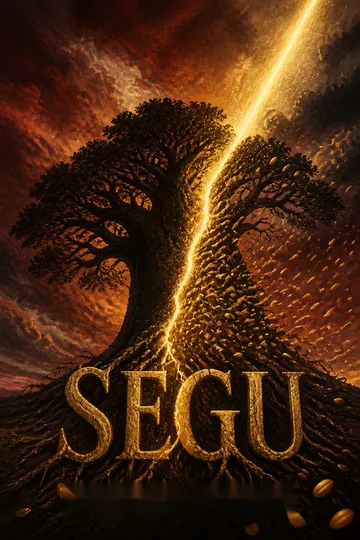
Symbols—fetish huts, griot songs, sacred trees, and rituals—pervade the narrative, embodying the values and anxieties of Segu's people. The destruction of altars, the burning of fetish huts, and the forced conversions are not just political acts but spiritual traumas. Rituals of birth, death, and marriage structure the characters' lives, providing both continuity and sites of conflict. Memory—personal, familial, and collective—is both a refuge and a burden, shaping identity and resistance.
Diaspora and Return
The motif of diaspora—forced and voluntary—is central to the novel. Characters are scattered by war, slavery, and ambition, their journeys marked by longing and the hope of return. The return home, when it occurs, is fraught with ambiguity: home is changed, the self is changed, and the search for belonging is never fully resolved. This device allows the novel to explore the psychological and cultural costs of displacement, as well as the possibilities of renewal.
Generational Conflict and Inheritance
The novel is structured around generational conflict—between fathers and sons, mothers and daughters, old and new faiths. Inheritance is both material and spiritual: land, titles, and rituals, but also trauma, guilt, and hope. The struggle to define what is worth preserving and what must be abandoned is at the heart of the family's—and the city's—story. The unresolved tensions between past and future drive the narrative forward, even as they threaten to tear it apart.
Ségou Series
Download PDF
Download EPUB
.epub digital book format is ideal for reading ebooks on phones, tablets, and e-readers.








































