
Plot Summary
Death's Chase Down the Strip
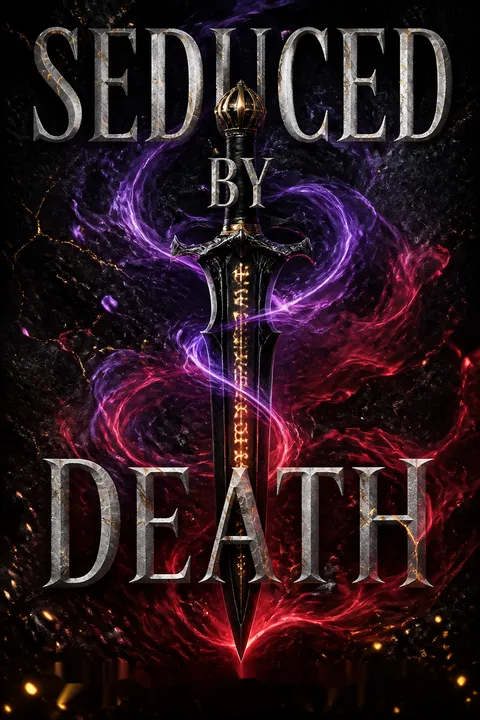
Vivien, a newly turned vampire, races through the neon-lit chaos of Las Vegas, chasing a mysterious motorcyclist with her incorporeal reaper puppy, Cupcake. The chase is reckless and exhilarating, culminating in a rooftop confrontation where the quarry, under the influence of a god, leaps to his death. Vivien's vampiric senses and bounty hunter instincts are on full display, but the event leaves her shaken. The sword she recovers is a fake, and the suicide's cryptic words echo in her mind, hinting at a larger divine conspiracy. The emotional aftermath is raw—Vivien is haunted by the boy's death and the knowledge that gods are manipulating mortals for their own ends, setting the stage for a battle that will test her heart and her loyalties.
Judgment and Blood Bonds
Grim, the god of death, presides over the ancient ritual of soul judgment, his power and detachment masking a deep connection to Vivien. Their relationship is passionate and fraught with the tension between his immortal responsibilities and their forbidden love. Vivien's presence in the underworld is both a comfort and a challenge to Grim's control. The discovery of the fake god-killing sword and the implications of worshippers being manipulated by gods deepen the mystery. The chapter explores the intersection of love, power, and the burden of immortality, as Grim and Vivien navigate the rules of the divine world and the consequences of breaking them.
Love, Power, and Surrender
Vivien and Grim's relationship intensifies as they explore the boundaries of trust and control through their blood bond. Their physical connection is electric, but beneath the surface, Vivien grapples with the fear of losing herself in love. Her traumatic past makes surrender both thrilling and terrifying. Grim's desire for her heart, not just her body, is palpable, but Vivien's inability to say "I love you" becomes a source of pain for them both. The chapter delves into the psychological scars that shape Vivien's resistance and the ways love can be both a source of liberation and vulnerability.
Domestic Bliss and Guilt
Vivien and Grim attempt to find normalcy in their domestic life, baking cupcakes and sharing quiet moments. Yet, the shadow of the recent suicide and the ongoing divine conspiracy looms large. Vivien's guilt over the boy's death and her frustration at the lack of progress in the investigation drive her to action. The couple's dynamic is tested by their differing approaches to danger and responsibility. Vivien's need for agency and Grim's protective instincts clash, highlighting the challenges of balancing love with the demands of their supernatural roles.
Friends, Secrets, and Loss
Vivien's friendship with Miranda, her human confidante, provides a grounding force amid the chaos. Their banter and mutual support are a respite from the darkness. The subplot of Timothy, Grim's aide, and his unspoken love for Aaron, the barista, adds depth to the theme of forbidden love. The group's efforts to uncover the truth behind the godly manipulations are hampered by secrets and the fear of consequences. The chapter explores the importance of chosen family and the pain of loving across boundaries that seem insurmountable.
Cat Fights and Car Bombs
Vivien's investigation leads her into a literal cat fight with a magical Maine Coon, a symbol of the gods' meddling. The tension between her need for independence and Grim's desire to protect her comes to a head. Their date night is shattered by a car bomb meant for Grim, underscoring the mortal danger they face. The aftermath is a mix of relief and trauma, as Vivien confronts the reality of almost losing Grim. The incident deepens their bond but also exposes the fragility of their happiness in a world where divine politics can turn deadly at any moment.
Resurrection and the Cradle
After Grim is poisoned and dies, Vivien is plunged into grief and rage. The revelation that gods can die—and be resurrected from the "cradle of life"—shatters her understanding of immortality. The process is fraught with risk: gods brought back too soon can be unstable, dangerous, or changed. Vivien's determination to bring Grim back, despite warnings from other gods, becomes her driving purpose. The chapter explores the cost of resurrection, the limits of divine power, and the lengths to which love will go to defy fate.
Gods, Betrayal, and War
The divine community is in turmoil as Galina (Bast) is revealed as the mastermind behind the conspiracy. Her motivations are rooted in ancient grief and a desire to free her sister, Sekhmet, the Original vampire. The gods are divided, with some joining Galina's revolution and others resisting. Vivien's role as both outsider and insider becomes crucial as she navigates shifting alliances. The chapter is marked by betrayals, revelations, and the escalation of conflict into open war between gods, vampires, and mortals.
The Blade of Bane Heist
Vivien, Miranda, and their hacker ally Echo orchestrate a heist to steal the real Blade of Bane, the only weapon capable of killing a god. The operation is a blend of supernatural cunning and mortal ingenuity, with genetically engineered rabbits causing chaos as a distraction. Echo insists that only Miranda, a mortal, can wield the blade, emphasizing the theme of human agency in a world dominated by immortals. The successful theft shifts the balance of power and sets the stage for the final confrontation.
Poisoned by the Past
Grim's past actions—drugging Sekhmet to subdue her centuries ago—come to light, straining his relationship with Vivien. The revelation forces both to confront the moral ambiguities of survival and the price of peace. Meanwhile, Galina's machinations reach a climax as she poisons Grim with the flesh of the dead, exploiting his secret weakness. The chapter is a meditation on the ways the past haunts the present and the necessity of confronting uncomfortable truths to move forward.
Death Can Die
Grim's death devastates Vivien, who is left to mourn and rage against the injustice. The gods' rules about resurrection and the afterlife are laid bare, revealing the precariousness of even the most powerful beings. Vivien's grief is compounded by guilt and the realization that her love was left unspoken. The breaking of their blood bond symbolizes both loss and the possibility of transformation. The chapter is a raw exploration of mourning, resilience, and the refusal to accept the finality of death.
Grief, Rage, and Resolve
Vivien's grief gives way to rage as she confronts Galina, who justifies her actions as necessary for freedom. The confrontation is brutal, leaving Vivien physically and emotionally shattered. Yet, even in defeat, she manages to outwit Galina by stealing the Blade of Bane. The support of friends and the memory of Grim's love rekindle Vivien's resolve. The chapter is a testament to the power of anger as a catalyst for change and the importance of hope in the face of overwhelming loss.
Vampire Uprising
The city descends into chaos as newly created vampires, controlled by Sekhmet and Galina, attack indiscriminately. Vivien, Miranda, and their allies fight to protect innocents and each other. The battle is fierce, with casualties on both sides. The lines between mortal and immortal blur as friendships and loyalties are tested. The chapter highlights the dangers of unchecked power and the necessity of solidarity in the face of existential threats.
The Original Awakens
Sekhmet, the Original vampire, is awakened, and her insatiable hunger threatens to unleash a new age of darkness. The gods are divided, some imprisoned, others powerless to stop the tide. Vivien's unique status as a vampire with a god's blood makes her both a target and a potential savior. The chapter explores the terror of ancient forces unleashed and the desperate search for a solution before humanity is lost.
The Battle for Balance
The climactic battle pits Vivien, Grim (resurrected), and their allies against Galina, Sekhmet, and their army of vampires. The fight is brutal and chaotic, with shifting alliances and moments of heroism and betrayal. The Blade of Bane is wielded, and sacrifices are made. The cost of victory is high, with lives lost and wounds that may never heal. The chapter is a meditation on the meaning of balance, the necessity of hard choices, and the hope for a better future.
Resurrection's Price
Vivien is mortally wounded, and Grim, desperate to save her, gives her so much of his blood and power that she is transformed—her heart beats again, and she is freed from all bonds. The act nearly kills Grim, but their love and connection pull them both back from the brink. The price of resurrection is a new kind of existence, one that defies the old rules and opens the door to a different future. The chapter is a celebration of love's power to transcend even death, but also a warning about the dangers of unchecked passion.
Lovers Reunited
With the threat ended, Vivien and Grim are finally able to be together without fear or reservation. Their love, tested by death and betrayal, emerges stronger and more honest. The wounds of the past are acknowledged but do not define them. The chapter is a quiet, joyful affirmation of the possibility of healing and the importance of choosing each other, again and again, in the face of uncertainty.
The End of Tyranny
The gods are freed, the city is restored, and Osiris grants Vivien a new role as shepherd of the sekhors (vampires), balancing Grim's role as shepherd of souls. The old order is broken, but a new, more compassionate one is possible. Vivien and Grim marry, surrounded by friends and allies, and look forward to building a life together. The story ends with a sense of hope, possibility, and the knowledge that love—imperfect, hard-won, and fiercely defended—can change the world.
Analysis
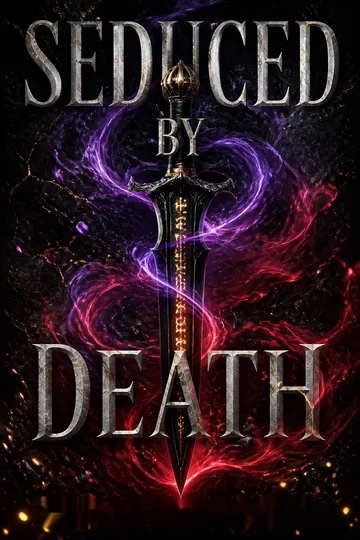
Modern analysis: Love, power, and the courage to changeSeduced by Death is a high-octane urban fantasy that uses the trappings of gods, vampires, and Las Vegas excess to explore timeless questions about love, agency, and the cost of power. At its heart, the novel is a meditation on the ways trauma shapes our capacity for intimacy and the courage required to break free from old patterns. Vivien and Grim's relationship is a microcosm of the larger struggle between tradition and transformation, control and surrender. The story challenges the idea that immortality or power guarantees happiness, insisting instead that true fulfillment comes from vulnerability, honesty, and the willingness to change. The plot's twists—betrayals, resurrections, and battles—are ultimately in service of a deeper message: that love, fiercely defended and honestly expressed, can remake even the most broken world. The novel's humor, sensuality, and emotional rawness make it both a thrilling adventure and a poignant reflection on what it means to be truly alive.
Review Summary
Seduced by Death concludes the Vegas Immortals trilogy with mixed reviews. Many readers praised the emotional rollercoaster, character development, and steamy romance between Vivien and Grim. The book offers intense action, plot twists, and a satisfying conclusion to their love story. Some critics found parts repetitive or rushed, and a few wanted more depth in god characters. Overall, fans enjoyed the Egyptian mythology, humor, and passionate relationships, with excitement for potential spin-offs featuring side characters like Miranda and Xander.
People Also Read
Characters
Vivien
Vivien is a former bounty hunter turned vampire, marked by trauma and a relentless drive for agency. Her transformation into a sekhor (vampire) is both a curse and a liberation, forcing her to confront her deepest fears about love, control, and self-worth. Her relationship with Grim is the emotional core of the story—passionate, combative, and ultimately redemptive. Vivien's psychological journey is one of learning to trust, to surrender without losing herself, and to fight for a future where love and freedom coexist. Her wit, loyalty, and refusal to accept the status quo make her a catalyst for change in both the mortal and divine worlds.
Grim (Anubis)
Grim is the god of death, ancient and powerful, yet deeply lonely. His role as judge of souls is both a duty and a burden, shaping his worldview and relationships. Vivien awakens in him a longing for connection and vulnerability, challenging his detachment and control. Grim's struggle is between the demands of tradition and the possibility of transformation through love. His willingness to break the rules for Vivien—and to face the consequences—marks his growth from a remote deity to a partner willing to risk everything for a new kind of balance. His psychological complexity lies in his fear of loss, his need for order, and his ultimate embrace of change.
Galina (Bast)
Galina is the architect of the divine conspiracy, driven by ancient grief over the loss of her sister, Sekhmet. Her actions are both ruthless and deeply human, rooted in a desire to free those she loves from oppression. Galina's manipulation of mortals and gods alike is a means to an end, but her inability to see the cost of her revolution makes her a tragic figure. Her psychological depth comes from her capacity for love and her blindness to the suffering she causes. In the end, her willingness to die rather than live without her sister is both her downfall and her redemption.
Sekhmet (The Original)
Sekhmet is the Original vampire, a force of nature whose awakening threatens to consume the world. Her insatiable hunger is both literal and metaphorical—a longing for peace that can never be satisfied. Sekhmet's brief moments of lucidity reveal a being trapped by her own nature, longing for the oblivion of sleep. Her relationship with Galina is the emotional engine of the revolution, but her true desire is for release from suffering. Sekhmet embodies the dangers of unchecked power and the tragedy of being unable to change one's nature.
Miranda
Miranda is Vivien's best friend and head of security at Sinopolis. Her strength, pragmatism, and humor ground the story in the human world. Miranda's journey is one of accepting the reality of the supernatural and finding her own agency within it. Her role as the wielder of the Blade of Bane underscores the theme that mortals, too, have power and responsibility. Miranda's loyalty and courage make her an indispensable ally, and her own struggles with love and loss mirror Vivien's in subtle ways.
Timothy (Thoth)
Timothy is Grim's right hand, a god of order and record-keeping who longs for connection but fears the consequences. His unspoken love for Aaron is a poignant subplot, highlighting the pain of loving across boundaries. Timothy's commitment to duty is both his strength and his prison, and his eventual willingness to risk everything for love marks his growth. His psychological complexity lies in his need for control, his fear of chaos, and his yearning for acceptance.
Aaron
Aaron is a mortal drawn into the supernatural world by his connection to Timothy. His stutter and laid-back demeanor mask a history of addiction and risk-taking. Aaron's willingness to face danger for those he loves, and his ability to adapt to the impossible, make him a symbol of human resilience. His relationship with Timothy is a testament to the power of vulnerability and the possibility of love in the most unlikely places.
Echo
Echo is Vivien's hacker ally, a formidable presence who demands respect and honesty. Her insistence that only a mortal can wield the Blade of Bane is a crucial plot point, emphasizing the importance of balance and the dangers of unchecked power. Echo's family and her genetically engineered rabbits add warmth and humor to the story, while her pragmatism and integrity provide a counterpoint to the gods' machinations.
Fallon (Horus)
Fallon inherits Grim's role as god of death after Grim's demise, struggling with the weight of responsibility and the challenge of mastering new powers. His relationship with Bianca and his role in the divine community are marked by tension and unspoken longing. Fallon's journey is one of accepting leadership, learning from failure, and finding the courage to act in the face of uncertainty.
Bianca (Hathor)
Bianca is the goddess of love and fertility, an oracle whose visions guide and warn the other characters. Her rivalry with Fallon and her concern for the future add depth to the divine community. Bianca's foresight is both a gift and a burden, and her warnings about the dangers of resurrection and imbalance are prescient. Her psychological complexity lies in her desire to help, her fear of being ignored, and her hope for a better world.
Plot Devices
Blood Bonds and Divine Rules
The blood bond between Vivien and Grim is the central plot device, symbolizing both intimacy and the potential for domination. The rules governing gods, vampires, and mortals—who can be resurrected, who can wield power, who can love—create the framework for the story's conflicts. The breaking and reforming of these bonds drive the narrative, forcing characters to confront the limits of their agency and the consequences of their choices. Foreshadowing is used throughout, with cryptic warnings and prophecies hinting at future betrayals and the dangers of resurrection. The narrative structure alternates between action-packed confrontations and intimate character moments, building tension and deepening emotional investment.
The Blade of Bane
The Blade of Bane is the only weapon capable of killing a god, and its theft and use are pivotal to the plot. Its restriction to mortal hands underscores the theme that true balance requires the participation of all beings, not just the powerful. The blade's magical properties and the conditions of its use create suspense and force characters to make difficult choices about violence, justice, and mercy.
Resurrection and the Cradle
The concept of the cradle of life as the source of resurrection adds a mythic dimension to the story. The risks of bringing a god back before they are ready—instability, loss of memory, uncontrollable power—raise the stakes and create moral dilemmas. The process of resurrection is both a literal and metaphorical journey, requiring sacrifice, faith, and the willingness to face the unknown.
Mortal Agency and Chosen Family
Despite the dominance of gods and vampires, mortals like Miranda and Aaron play crucial roles in the outcome. Their choices, courage, and capacity for love challenge the assumptions of the immortal characters and reshape the world. The theme of chosen family—friends who become allies, lovers who become partners—runs throughout, offering hope and resilience in the face of loss and betrayal.
Vegas Immortals: Death and the Last Vampire Series
About the Author
Download PDF
Download EPUB
.epub digital book format is ideal for reading ebooks on phones, tablets, and e-readers.








































