
Plot Summary
Mysterious Trunk Arrives
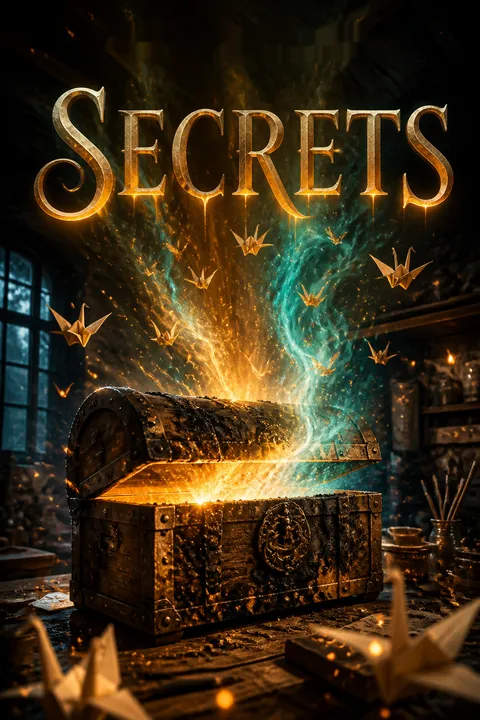
Cullen Bodman, a meticulous restorer, receives an unexpected, fire-damaged trunk with no return address and a cryptic unsigned note. His psychic sister, Luna, is immediately intrigued, sensing a strange energy from the delivery. The trunk, accompanied by a generous deposit, hints at a hidden story and unresolved pain. As Luna and Cullen debate what to do, the trunk becomes a catalyst, drawing in their circle of friends and setting off a chain of events that will force secrets from the past into the light. The siblings' curiosity and Luna's intuition ensure that the mystery will not remain buried for long, even as unease and anticipation settle over their lives.
Sibling Bonds and Secrets
Luna and Cullen's relationship is a blend of practical partnership and spiritual connection. Their shared history in the family restoration business and Luna's New Age sensibilities create a unique synergy at the Stillwell Art Center. Luna's psychic gifts, once a source of embarrassment, now serve as a bridge to the community and a tool for helping others. Their daily rituals—coffee, scones, playful banter—mask deeper wounds and unspoken fears. The arrival of the trunk stirs old anxieties, but also reaffirms their commitment to each other and to the found family they've built among the artists and friends at the center.
Tori's Unraveling Life
Tori, a woman haunted by her past, learns she is unexpectedly pregnant. Her marriage is strained, her husband controlling and distant, and her son recently left for the military. Memories of a traumatic event—an accidental fire and her subsequent flight from home—surface, fueling guilt and uncertainty. Tori's life is a patchwork of survival, routine, and suppressed dreams. She yearns for guidance, connection, and a sense of self she's never truly known. The news of her pregnancy becomes both a burden and a catalyst, pushing her to seek answers and, perhaps, redemption.
The Art Center's Heartbeat
The Stillwell Art Center, founded by the wise and generous Ellie Stillwell, is a haven for artists, dreamers, and seekers. It's a place where Luna's psychic café, Chi-Chi's jewelry, and Cullen's restoration shop coexist with glassblowers, sculptors, and musicians. The center's ethos of trust, honor, and collaboration fosters deep bonds among its denizens. Daily rituals—shared coffee, laughter, and mutual support—create a tapestry of belonging. Yet beneath the surface, each character carries private wounds and longings, their lives subtly shaped by the center's magic and the mysteries it attracts.
Psychic Connections Spark
Luna's psychic abilities, once hidden, become central as she investigates the trunk's origins. Her readings—part art, part science, part empathy—draw her into the emotional currents of those around her. She senses terror, abandonment, and unresolved trauma linked to the trunk. Sketches and visions point to fire, a lost boy, and a missing family. Luna's growing relationship with U.S. Marshal Gaines adds both comfort and complexity, as their mutual attraction simmers beneath the surface. The trunk's mystery becomes a mirror for Luna's own fears and hopes, compelling her to dig deeper.
Past Fires, Present Shadows
Tori's memories of the fire that changed her life become increasingly vivid. The narrative reveals her role in the accident, her flight with her boyfriend, and the abandonment of her younger brother. Meanwhile, Luna's investigation uncovers clues that link the trunk to a long-ago tragedy involving a missing girl and a boy scarred by fire. The past casts a long shadow over the present, shaping choices and relationships. As Luna, Cullen, and their friends piece together the puzzle, they realize that healing the present requires confronting the pain and secrets of the past.
Love, Longing, and Hesitation
Luna and Gaines, drawn together by shared purpose and mutual respect, struggle with their feelings. Both are cautious, shaped by past disappointments and the fear of vulnerability. Their flirtation is sweet, awkward, and charged with possibility. Similarly, Cullen and Chi-Chi navigate their own budding attraction, each hesitant to make the first move. The art center's community becomes a backdrop for these emotional journeys, as friends offer advice, encouragement, and gentle teasing. Love, in all its forms, is both a source of strength and a risk that each character must choose to embrace.
The Squad Gathers Clues
Luna, Cullen, Chi-Chi, Ellie, and Gaines form an informal "squad," pooling their talents and resources to unravel the trunk's secrets. Their investigation blends intuition, research, and practical skills. They consult carnival flyers, analyze handwriting, and track down old news reports. Each clue deepens the mystery, revealing connections between the trunk, the fire, and the missing siblings. The group's camaraderie and determination are tested by setbacks and doubts, but their shared commitment to truth and healing keeps them moving forward. The search becomes a journey of self-discovery for all involved.
Tori's Search for Answers
Driven by restlessness and a sense of impending change, Tori visits the Stillwell Art Center, hoping to find the psychic she's heard about. Her encounter with Luna is tentative but transformative, as Luna's insights validate Tori's pain and hint at the possibility of forgiveness. Tori's exploration of the center—its art, its people, its sense of community—awakens a longing for creativity and connection. She signs up for an origami workshop, buys a symbolic "wishing ball," and begins to imagine a life beyond survival. The seeds of hope and agency are planted.
Unveiling Hidden Pasts
As Luna and Ellie dig through archives and consult with a helpful librarian, they uncover news articles about a fire in a mobile home park, a missing girl, and a boy sent to foster care. The details match the clues from the trunk and Tori's story. Meanwhile, Luna's psychic impressions and sketches grow more specific, pointing to a reunion long overdue. The revelation that the mysterious artist "Jimmy Can-Do" is actually Tori's brother, scarred by the fire and living in anonymity, brings the narrative's threads together. The past, once hidden, is finally brought into the light.
Reunions and Revelations
Luna orchestrates a meeting between Tori, her childhood friend Rita, and her long-lost brother Jimmy. The emotional reunion is raw and cathartic, as apologies are made, wounds acknowledged, and forgiveness tentatively offered. The trunk, once a symbol of loss and secrecy, becomes a vessel for healing and remembrance. The art center community rallies around the reunited siblings, offering support and celebration. The power of synchronicity, intuition, and human connection is affirmed, as the characters realize that even the deepest wounds can be mended through love and understanding.
Healing, Forgiveness, and Hope
Tori and her husband Kyle, after years of miscommunication and resentment, finally confront their issues. Honest conversation, vulnerability, and a willingness to change open the door to reconciliation. Tori's pregnancy, once a source of fear, becomes a symbol of renewal and possibility. Jimmy, too, finds peace in reconnecting with his sister and embracing the community that has accepted him. Luna and Gaines, having crossed the threshold of intimacy, discover a new depth to their relationship. The narrative's emotional arc bends toward hope, as each character chooses healing over bitterness.
New Beginnings, Old Wounds
The aftermath of the revelations brings both challenges and opportunities. Tori and her husband Kyle commit to rebuilding their marriage, while Jimmy steps out of the shadows to claim his place in the community. Luna and Cullen, inspired by the events, pursue their own romantic and creative aspirations. The art center, once merely a backdrop, becomes a crucible for transformation—a place where old wounds are acknowledged and new dreams are born. The characters learn that the past need not define the future, and that every ending contains the seeds of a new beginning.
The Power of Community
The Stillwell Art Center's ethos of trust, creativity, and mutual aid proves essential in the characters' journeys. Friends rally around Tori, Jimmy, and their families, organizing celebrations, offering practical help, and bearing witness to their struggles and triumphs. The community's diversity—of backgrounds, talents, and perspectives—becomes a source of strength. The narrative affirms that healing is not a solitary endeavor, but a collective one, made possible by empathy, generosity, and shared purpose. The art center stands as a testament to the transformative power of belonging.
Love's Second Chances
Luna and Gaines, having finally surrendered to their feelings, build a relationship grounded in trust, humor, and shared adventure. Cullen and Chi-Chi, too, embrace the possibility of love, overcoming cultural differences and personal insecurities. The narrative celebrates the courage required to risk one's heart, especially after disappointment or loss. Love, in its many forms—romantic, familial, platonic—emerges as both a balm and a catalyst, inspiring the characters to grow, forgive, and dream anew. Second chances are not given, but chosen, through acts of vulnerability and hope.
The Truth Comes Home
The final pieces of the mystery fall into place as Luna, with Gaines's help, confirms the connection between Tori, Jimmy, and the trunk. The truth, once feared, becomes a source of liberation. The characters confront the consequences of their choices, but also the possibility of redemption. The narrative honors the complexity of forgiveness, acknowledging that healing is a process, not a destination. The past, once a source of shame and pain, is integrated into a larger story of survival, resilience, and love. The truth, at last, comes home.
Full Circle: Lost and Found
Months later, the community gathers at the art center for a joint baby shower and belated wedding reception for Tori and her husband Kyle. Jimmy, now embraced by his sister and friends, finds belonging and peace. Luna, Cullen, Chi-Chi, and Gaines, their own relationships deepened, look to the future with optimism. The art center, once the site of mystery and longing, becomes a place of joy and connection. The narrative closes with a sense of wholeness and gratitude, as the characters—once lost—are finally found, together.
Analysis
Fern Michaels' Secrets is a heartfelt exploration of trauma, forgiveness, and the redemptive power of community. At its core, the novel asks whether the wounds of the past can ever truly be healed, and answers with a resounding—if hard-won—yes. Through the intertwined stories of Luna, Tori, Cullen, and their circle, Michaels demonstrates that healing is a collective endeavor, requiring honesty, vulnerability, and the support of others. The art center, with its ethos of trust and creativity, serves as both a literal and symbolic space for transformation. The narrative's use of psychic intuition, synchronicity, and symbolic objects blurs the line between fate and agency, suggesting that meaning is found not in certainty, but in openness to possibility. The romantic subplots reinforce the novel's central message: that love, in all its forms, is both a risk and a gift, capable of mending even the deepest wounds. Secrets ultimately affirms that while the past may shape us, it need not define us—and that, with courage and connection, we can choose hope, healing, and new beginnings.
Review Summary
Secrets received mixed reviews, with an average rating of 4.21 out of 5. Many readers found it lacking as a mystery, focusing more on relationships and daily life. Some enjoyed the characters and romance elements, while others felt the plot was weak and predictable. Criticisms included excessive "fluff," unrealistic scenarios, and outdated character perspectives. Positive reviews praised the book as a light, enjoyable read with likable characters. Overall, opinions varied widely, with some readers disappointed by the lack of suspense and others appreciating the blend of mystery and romance.
Characters
Luna Bodhi Bodman
Luna is the heart and soul of the narrative—a psychic, artist, and gentle force of nature. Her intuition, empathy, and curiosity drive the story forward, as she unravels the mystery of the trunk and the pain it conceals. Luna's relationships—with her brother Cullen, her best friend Chi-Chi, and her love interest Gaines—reveal her vulnerability and longing for connection. She is both healer and wounded, using her gifts to help others while grappling with her own fears of intimacy and self-worth. Luna's journey is one of courage, self-acceptance, and the transformative power of love.
Cullen Bodman
Cullen is Luna's anchor—steady, practical, and quietly passionate about his craft. His restoration business is both a livelihood and a metaphor for his approach to life: patient, attentive, and committed to bringing beauty out of brokenness. Cullen's relationship with Luna is marked by playful banter and deep loyalty. His growing affection for Chi-Chi reveals a softer, more vulnerable side, as he navigates the uncertainties of romance and self-doubt. Cullen's development is a testament to the value of trust, patience, and the willingness to risk one's heart.
Tori (Victoria) Conover
Tori is a woman shaped by trauma, regret, and the relentless demands of survival. Her accidental role in a childhood fire, her flight from home, and her subsequent struggles with marriage and motherhood have left her emotionally adrift. Tori's journey is one of awakening—first to her own needs and desires, then to the possibility of forgiveness and connection. Her search for guidance leads her to Luna and, ultimately, to a reunion with her lost brother Jimmy. Tori's arc is a moving exploration of guilt, agency, and the courage to choose hope.
Christopher Gaines
Gaines is a U.S. Marshal specializing in missing persons, whose calm competence and dry humor mask a deep well of empathy. His partnership with Luna—both professional and romantic—brings out his playful, nurturing side. Gaines is cautious in love, shaped by divorce and the responsibilities of fatherhood, but his growing bond with Luna inspires him to risk vulnerability. He is a bridge between the rational and the intuitive, supporting Luna's investigations while grounding her in practical reality. Gaines's development is a study in trust, patience, and the healing power of partnership.
Chi-Chi (Lebici) Stone
Chi-Chi is a Nigerian-born jeweler whose elegance, wisdom, and humor make her a beloved presence at the art center. Her friendship with Luna is a source of mutual support and gentle challenge, as they navigate the complexities of love, culture, and self-expression. Chi-Chi's own romantic journey with Cullen is marked by shyness, cultural negotiation, and the gradual blossoming of trust. She is both a fierce protector and a seeker of joy, embodying the resilience and adaptability of the immigrant experience. Chi-Chi's arc is one of self-acceptance and the celebration of difference.
Ellie Stillwell
Ellie is the founder of the Stillwell Art Center, a woman of means and heart who has dedicated her resources to fostering creativity and connection. Her wisdom, humor, and generosity make her a mentor to Luna, Cullen, and the wider community. Ellie's own journey—marked by loss, reinvention, and the quiet pursuit of happiness—serves as a model for aging with grace and purpose. She is the glue that holds the art center together, embodying the values of trust, honor, and collective care.
Jimmy Can-Do (James T. Conover, Jr.)
Jimmy is the enigmatic metal sculptor whose work and presence haunt the art center. Scarred by the fire of his youth and the loss of his family, he has chosen anonymity and solitude. His art is both therapy and communication, a way of processing trauma and reaching out to the world. Jimmy's eventual reunion with his sister Tori is a moment of profound healing, as he moves from isolation to belonging. His character is a meditation on resilience, forgiveness, and the redemptive power of creativity.
Rita
Rita is Tori's childhood friend, whose longing for answers and closure mirrors Tori's own. Her persistence in seeking out Luna and her willingness to forgive Tori's disappearance are acts of grace. Rita's presence in the narrative underscores the importance of friendship, memory, and the possibility of reconciliation after long estrangement.
Kyle (Tori's Husband)
Kyle is Tori's husband, a man shaped by insecurity, addiction, and the pressures of masculinity. His controlling behavior and emotional distance are both a cause and a symptom of the couple's unhappiness. Yet, when confronted with the truth, Kyle is capable of vulnerability, remorse, and change. His arc is one of slow, hard-won growth, as he learns to listen, apologize, and participate in the work of healing.
Nathan Belmont
Nathan is the art center's security guard, a former farm supervisor whose strength and kindness make him a reassuring figure. His role is both practical and symbolic, representing the community's commitment to safety, respect, and inclusion. Nathan's friendship with Ellie hints at the possibility of late-life romance and the enduring value of loyalty.
Plot Devices
The Trunk as Catalyst
The fire-damaged trunk, delivered without explanation, serves as the narrative's inciting incident and central symbol. It is a vessel of secrets, trauma, and longing, drawing together characters whose lives have been shaped by loss and silence. The trunk's contents—diary, memorabilia, and clues—provide both a literal and metaphorical puzzle, compelling the characters to confront the past and seek resolution. Its restoration parallels the emotional healing undertaken by Tori, Jimmy, and the community.
Psychic Intuition and Synchronicity
Luna's psychic abilities are both a plot device and a thematic motif, enabling her to sense connections, uncover hidden truths, and guide others toward healing. The narrative employs synchronicity—meaningful coincidences, chance encounters, and intuitive leaps—to advance the plot and deepen character relationships. These elements blur the boundaries between fate and agency, suggesting that healing and discovery are as much about openness and trust as they are about reason and effort.
Dual Timelines and Interwoven Narratives
The story unfolds through a blend of present-day action and flashbacks, gradually revealing the events that shaped Tori, Jimmy, and the other characters. The use of diaries, letters, and oral histories allows the past to speak directly to the present, creating a sense of continuity and inevitability. The interwoven narratives of Tori, Luna, Cullen, and the art center community reinforce the theme that individual healing is inseparable from collective history.
Community as Character
The Stillwell Art Center is more than a backdrop; it is an active participant in the story, fostering connection, creativity, and healing. Its ethos of trust, honor, and collaboration enables the characters to take risks, confront pain, and build new lives. The center's rituals, events, and shared spaces provide opportunities for revelation, reconciliation, and celebration.
Romantic Subplots and Emotional Parallelism
The parallel romantic arcs of Luna and Gaines, Cullen and Chi-Chi, and Tori and Kyle serve as emotional counterpoints to the central mystery. Each relationship is marked by hesitation, vulnerability, and the need for honest communication. The resolution of the trunk's mystery is mirrored by the characters' willingness to risk love, forgive past hurts, and embrace new beginnings.
Foreshadowing and Symbolism
The narrative employs foreshadowing through Luna's visions, symbolic objects (the trunk, the wishing ball, origami cranes), and recurring motifs of fire, restoration, and art. These elements create a sense of inevitability and resonance, preparing the reader for the story's revelations and affirming its themes of transformation and hope.
Lost and Found Series
About the Author
Other books by Fern Michaels


Download PDF
Download EPUB
.epub digital book format is ideal for reading ebooks on phones, tablets, and e-readers.








































