
Plot Summary
Shadows in the Coffeehouse
Petra Grady, a weaver with a living shadow named Pluck, sits in a Chicago coffeehouse with her team, hunting a memory-wiping mage. The world is one where magic is hidden, and dross—the waste of magic—threatens to expose it. Petra's unique bond with Pluck, a sentient shadow, makes her both valuable and feared. When the target strikes, Petra's team is caught in a memory-wiping spell, but Pluck's alien magic shields Petra. The thief is revealed as a separatist mage, intent on erasing weavers and their shadows. A desperate chase and confrontation ensue, with Petra's loyalty to her friends and her shadow tested. The encounter sets the tone: in this world, trust is rare, and the line between hunter and hunted is thin.
Trap Set, Trap Sprung
The team's plan to catch the mage unravels as the thief, Fawn, lures Petra into an ambush. Fawn destroys Petra's lodestone, hoping to kill Pluck, but underestimates their bond. In a brutal alley fight, Petra is nearly suffocated by magic, but Pluck and her friends intervene. The confrontation exposes the deep-seated hatred separatist mages have for weavers and shadows, and the lengths they'll go to maintain magical hierarchy. The team captures Fawn, but the cost is high—Petra's lodestone is shattered, and the threat of separatist violence looms. The experience leaves Petra shaken but determined to find others like her, even as the world grows more dangerous.
The Weaver's Search
Petra and her boyfriend Benedict travel to a high school, searching for new weavers among the next generation. The interviews reveal the deep divisions in magical society: sweepers, mages, and the rare weavers. Petra's own journey from sweeper to weaver is mirrored in the students' uncertainty and fear. The search is fruitless, and Petra is haunted by the loneliness of her kind. Pluck, ever her companion, urges her to be honest about her feelings and her need for connection. The chapter explores the cost of being different, the pain of rejection, and the hope that somewhere, another weaver waits to be found.
Vaults and Vexations
Returning to St. Unoc, Petra and Benedict find the magical community in crisis. The vaults that store dross are failing, and shadows are blamed for the destruction. A mage marshal, Dana, arrives to investigate, her suspicion falling on Petra and Pluck. The university is divided, with old prejudices resurfacing. Petra is caught between her loyalty to the sweepers, her bond with Pluck, and the demands of the authorities. The tension escalates as another vault cracks, and the threat of open conflict grows. Petra's ability to mediate is tested, and the need for a new balance between magic and shadow becomes urgent.
A Weaver Found
On campus, Petra encounters Marty, a young woman unknowingly trailing a shadow. Marty's fear and confusion mirror Petra's own early days as a weaver. When a powerful, malevolent shadow named Thoth appears, it becomes clear that Marty is a weaver—and a target. Thoth's hatred for weavers and his ability to possess others make him a deadly adversary. Petra and Pluck intervene, but the encounter leaves Marty traumatized and on the run. The hope of finding another weaver is realized, but the danger is greater than ever, and the need for unity among outcasts becomes clear.
The Shadow's Past
As Petra and her allies regroup, the history of shadows and weavers comes to light. Pluck reveals the trauma of past betrayals, the genocide of weavers, and the survival strategies of shadows. The group debates how to protect Marty and confront Thoth, whose manipulations threaten to reignite old wars. The emotional toll of being hunted and misunderstood weighs on everyone. Petra's relationship with Pluck deepens, as does her understanding of the cost of change. The chapter explores forgiveness, the burden of history, and the fragile hope of building something new.
Bottled and Broken
Thoth's machinations lead to Petra and Pluck being trapped in a shadowproof vault, cut off from their allies. The isolation forces them to confront their fears and regrets. Pluck's guilt over past violence and Petra's struggle with her damaged magic come to the fore. Together, they discover a new way to combine their powers, weaving dark matter and shadow into something stronger. Their escape is both a physical and emotional breakthrough, proving that together, they are more than the sum of their parts. The experience cements their partnership and sets the stage for the final confrontation.
The Grotto's Secrets
Reunited, Petra, Pluck, and their friends gather in the grotto beneath the ruined auditorium. The group now includes Marty and her shadow Aasta, a new weaver/shadow pair. The challenge is clear: to catch Thoth, they need five balanced sticks and the cooperation of mages, sweepers, and shadows. Old rivalries and mistrust threaten to derail the plan, but the urgency of the threat forces unlikely alliances. The chapter is a study in teamwork, compromise, and the courage to trust others. The stage is set for a final, desperate attempt to restore balance.
Dross and Division
As the magical community reels from the destruction of the vaults, blame and suspicion tear old wounds open. Dana, possessed by Thoth, manipulates events to frame Petra and Pluck. The university board is divided, and the sweepers and mages are at odds. Petra's friends are arrested or forced into hiding. The cost of standing for change becomes clear, as does the power of fear to drive people apart. Yet, in the darkness, new bonds are forged, and the resolve to fight for a better future hardens.
The Fifth Stick
The group's only hope lies in assembling five balanced sticks, each wielded by a different aspect of magic. Marty's courage is tested as she risks everything to retrieve the final stick from Dana's apartment. The plan is fraught with danger, but the stakes are too high to turn back. The chapter is a race against time, as the group prepares for the final confrontation with Thoth. The theme of unity in diversity is at the forefront, as each character brings their unique strengths to the table.
Dana's Accusation
Dana, still under Thoth's influence, confronts Petra and her allies, demanding confessions and threatening to destroy Pluck. The confrontation is a crucible, forcing each character to choose between self-preservation and loyalty. Marty's bond with Aasta is revealed, and the power of forgiveness and second chances is tested. The group's unity is strained to the breaking point, but the willingness to sacrifice for one another proves stronger than fear. The chapter is a turning point, as the true enemy is unmasked and the final battle looms.
The Vault Cracks
Thoth, now possessing Dana, lures Petra and Pluck into a sealed vault, hoping to destroy them. Trapped and running out of air, Petra and Pluck must combine their powers in a new way, weaving shadow and dark matter to shatter the vault and escape. The experience is transformative, revealing the true potential of their partnership. The escape signals a shift in the balance of power, as the group prepares to confront Thoth one last time. The cost of victory is high, but hope endures.
Prisoners and Plans
With the group reunited, plans are made for the final confrontation. The challenge is not just to defeat Thoth, but to convince the magical community of the truth. The group's diversity—mages, sweepers, weavers, and shadows—becomes their greatest strength. Old wounds are healed, and new alliances are forged. The chapter is a meditation on the power of community, the necessity of change, and the courage to face the unknown.
Escape and Reunion
Petra and Pluck's escape from the vault is both a literal and metaphorical breaking of old constraints. The group's reunion is bittersweet, as the cost of the struggle becomes clear. Yet, the willingness to forgive and move forward prevails. The chapter is a celebration of resilience, the power of partnership, and the hope that comes from standing together.
The Balance Attempt
Armed with five balanced sticks and the cooperation of all factions, the group confronts Thoth in the memorial garden. The battle is fierce, with Thoth possessing allies and turning their strengths against them. Marty and Aasta's bond proves crucial, as does Petra and Pluck's new way of weaving magic. The struggle is not just physical, but a test of will, trust, and the willingness to let go of old fears. The outcome is uncertain until the very end.
Marty's Choice
Marty, once paralyzed by fear, finds the courage to stand with her friends and her shadow. Her willingness to risk everything for Aasta and the group is a turning point, proving that even the most unlikely hero can change the world. The chapter is a meditation on the power of choice, the importance of forgiveness, and the necessity of embracing one's true self.
The Shadow's Net
Thoth is finally trapped, not by force alone, but by the combined will and magic of weavers, shadows, mages, and sweepers. The victory is hard-won, and the cost is high—old wounds are reopened, and the future is uncertain. Yet, the group's unity and willingness to change prove stronger than fear. The chapter is a testament to the power of community, the necessity of balance, and the hope that comes from standing together.
The Final Confrontation
With Thoth defeated, the group must reckon with the aftermath. The magical community is forever changed, and the old hierarchies are broken. Petra and Pluck's partnership becomes a model for a new way forward, one that embraces difference and seeks balance. Marty and Aasta's bond is celebrated, and the promise of more weavers to come offers hope. The chapter is a meditation on the cost of change, the power of forgiveness, and the courage to build something new.
Aftermath and New Beginnings
In the wake of victory, Petra, Pluck, and their friends work to rebuild the magical community. Old prejudices linger, but the willingness to listen, learn, and forgive offers hope. Petra's new role as a teacher and mediator signals a new era, one where balance is possible, and the mistakes of the past are not repeated. The story ends with the promise of more weavers, more shadows, and a future where magic and humanity can coexist in peace.
Analysis
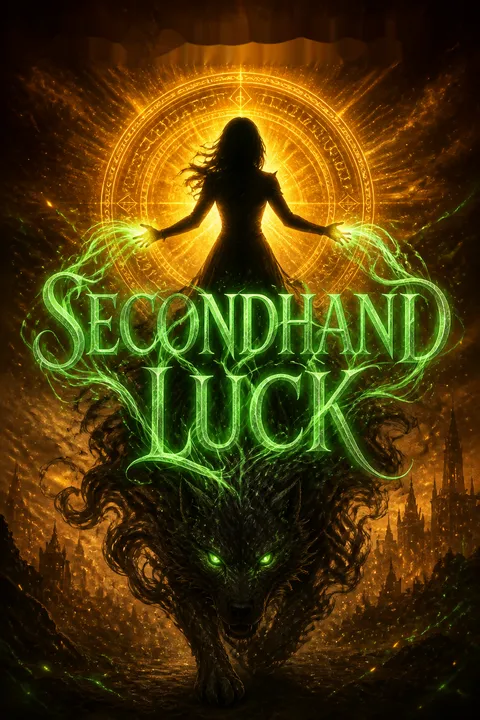
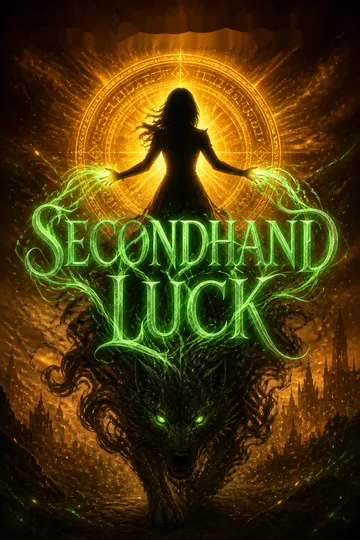
Secondhand Luck is a rich, emotionally resonant urban fantasy that uses the language of magic to explore themes of trauma, exclusion, and the struggle for balance in a divided society. At its heart, the novel is about the courage to change—both oneself and the world—and the cost of refusing to do so. The relationship between Petra and Pluck is a powerful metaphor for partnership, healing, and the risk of intimacy. The story's use of dross as a metaphor for social waste and exclusion is both subtle and effective, grounding the magical world in real-world concerns. The novel's structure—moving from personal struggle to collective action—mirrors the journey from isolation to community, and its insistence on the necessity of forgiveness, trust, and the willingness to be changed by others is both timely and timeless. The defeat of Thoth is not just a victory over an external enemy, but a reckoning with the pain of the past and the possibility of a better future. Secondhand Luck is ultimately a story of hope: that even in a world built on fear and division, balance is possible, and that the courage to stand together can change everything.
Review Summary
Secondhand Luck by Kim Harrison receives mostly positive reviews (4.26/5), praised for its unique magic system involving shadows, dross, and luck. Readers love Pluck, the shadow companion who bonds with protagonist Petra. The sequel benefits from established worldbuilding, allowing stronger character development. Common criticisms include pacing issues, middle-book energy, and occasional juvenile dialogue. Some found the plot repetitive or slow in parts. The book explores themes of prejudice and oppression while developing Petra's growth as a shadow weaver. Fans of Harrison's Hollows series particularly appreciate the familiar narrative structure and found-family dynamics.
People Also Read

Characters
Petra Grady
Petra is a former sweeper turned weaver, uniquely able to handle dross and bond with living shadows. Her journey is one of self-discovery, as she moves from outsider to leader, forging connections between mages, sweepers, and shadows. Her relationship with Pluck is central—both a source of strength and vulnerability. Petra's psychological arc is defined by her struggle with isolation, her fear of being used or discarded, and her determination to find balance in a world that fears change. Her empathy, resilience, and willingness to forgive make her the heart of the story.
Pluck
Pluck is a sentient shadow, centuries old, who has survived the genocide of his kind by bonding with Petra. His perspective is both ancient and childlike, shaped by loss, betrayal, and the need to adapt. Pluck's relationship with Petra is transformative, allowing him to move beyond survival and seek connection. His fear of repeating past mistakes, his guilt over violence, and his hope for a new balance drive much of the story's emotional depth. Pluck's ability to weave magic with Petra becomes a metaphor for healing and partnership.
Benedict Strom
Benedict is a mage and Petra's boyfriend, torn between his loyalty to her and his place in the magical hierarchy. His arc is one of humility and growth, as he learns to trust Petra's judgment and confront his own biases. Benedict's willingness to risk his reputation and safety for Petra and Pluck is a testament to his love and integrity. He serves as a bridge between the old world of mages and the new world of balance, embodying the possibility of change.
Marty Mayson
Marty is a young woman who discovers she is a weaver, trailed by the shadow Aasta. Her journey is one of overcoming fear, embracing her power, and choosing to stand with her friends. Marty's psychological struggle is defined by her desire for a normal life, her guilt over endangering others, and her eventual acceptance of her role. Her bond with Aasta is a mirror of Petra and Pluck's, and her courage in the final confrontation is a turning point for the group.
Aasta
Aasta is a shadow traumatized by the loss of her previous weaver, afraid to trust again. Her bond with Marty is hard-won, forged in crisis and sacrifice. Aasta's arc is one of healing, as she moves from guilt and isolation to connection and hope. Her willingness to risk everything for Marty and the group is a testament to the power of forgiveness and the possibility of change.
Herm Ivaros
Herm is a Spinner and Petra's mentor, having protected her from the separatists for years. His arc is one of coming out of hiding, using his skills and experience to guide the next generation. Herm's pragmatism, humor, and deep sense of responsibility make him a stabilizing force. He represents the wisdom of experience and the necessity of adapting to new realities.
Lev Evander
Lev is a member of the magical militia, tasked with both protecting and policing magic users. His arc is defined by his struggle to reconcile duty with conscience, and his willingness to break the rules for what he believes is right. Lev's loyalty to Petra and his growing respect for shadows mark his transformation from enforcer to ally.
Cameron Owens
Cameron is an investigator sent to root out the cause of the vault destructions. Initially suspicious of Petra and Pluck, her experiences—especially being possessed by Thoth—force her to confront her own prejudices. Cameron's arc is one of humility, learning to trust those she once hunted, and using her authority to protect the vulnerable.
Dana Vean
Dana is a powerful airologist whose fear of change and desire for control make her susceptible to Thoth's possession. Her arc is a cautionary tale of the dangers of rigidity and the cost of refusing to adapt. Dana's eventual liberation and willingness to help mark the possibility of redemption, even for those who have done harm.
Thoth
Thoth is the primary antagonist, a shadow who has lost the ability to bond with weavers and seeks to destroy any chance of balance. His ability to possess others and manipulate events makes him a formidable foe. Thoth's psychological profile is one of jealousy, rage, and self-destruction, a warning of what happens when pain is allowed to fester. His defeat is both a victory and a warning: the past must be faced, not buried.
Plot Devices
Magic as Social Hierarchy
The world's magic system is built on the creation and disposal of dross, a dangerous byproduct. Sweepers, mages, Spinners, and weavers occupy different rungs of a rigid hierarchy, with weavers and shadows at the bottom. The handling of dross becomes a metaphor for social exclusion, prejudice, and the cost of maintaining the status quo. The narrative structure uses Petra's journey from sweeper to weaver to explore the pain and possibility of breaking free from assigned roles.
Living Shadows and Bonding
The bond between weaver and shadow is both a source of power and a survival mechanism. Shadows, once hunted to near extinction, need weavers to survive; weavers, in turn, gain unique abilities. The psychological and magical merging of minds is both dangerous and healing, a metaphor for intimacy, trust, and the risk of being truly seen. The story uses this device to explore trauma, forgiveness, and the possibility of change.
Possession and Identity
Thoth's power to possess others—without leaving them insane—serves as both a plot engine and a psychological threat. It raises questions about agency, responsibility, and the danger of unchecked pain. The device is used to create suspense, drive the plot, and force characters to confront their own darkness.
The Five Sticks
The legend of five balanced sticks, each wielded by a different aspect of magic, is both a literal and symbolic device. It represents the necessity of cooperation, the power of difference, and the futility of trying to win alone. The failed attempts of the past become a warning, and the group's eventual success is a testament to the power of trust and the willingness to change.
Foreshadowing and Cyclical History
The narrative is structured to echo the cycles of violence, exclusion, and failed attempts at balance. The characters' knowledge of history—both personal and collective—serves as both a warning and a guide. The story uses foreshadowing to build tension and to suggest that true change is possible only when the past is faced and learned from.
The Shadow Age Series Series
About the Author

Download PDF
Download EPUB
.epub digital book format is ideal for reading ebooks on phones, tablets, and e-readers.








































