
Plot Summary
Reluctant Homecoming Storm
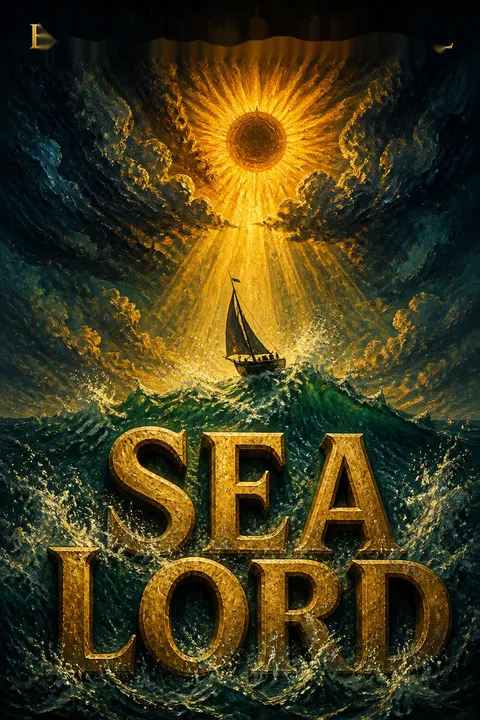
John Rossendale, after years at sea, is summoned home by news of his mother's illness. His journey across the Atlantic is fraught with storms, exhaustion, and a sense of foreboding. The sea, his only true home, resists his return, mirroring his reluctance to face the family and responsibilities he abandoned. As he battles the elements and his own fatigue, John's memories of past failures and unresolved family tensions haunt him. The homecoming is not a triumph but a duty, shadowed by guilt and the knowledge that he is returning to a world that neither welcomes nor understands him. The storm outside is matched by the turmoil within, setting the stage for a confrontation with his past.
Family Ties and Accusations
John's arrival in England is met with coldness and suspicion from his family. The Rossendales, once proud and wealthy, are now fractured by loss, scandal, and poverty. At his mother's deathbed, John is greeted not with forgiveness but with bitterness. The funeral becomes a battleground of old grievances, with his twin sister Elizabeth openly accusing him of betrayal and theft. The family's decline is laid at John's feet, and he is cast as both scapegoat and outsider. Only his younger sister Georgina, mentally disabled but innocent, offers him unconditional affection. The family's dysfunction is laid bare, and John is forced to confront the consequences of his long absence.
The Vanished Sunflowers
The heart of the family's misfortune is the theft of a Van Gogh painting, "Sunflowers," once the last hope of saving their ancestral home. The painting vanished under John's watch, and though never charged, he is universally suspected. The loss of the painting led to the sale of Stowey, the family estate, and the scattering of the Rossendales. The painting's absence is a wound that will not heal, fueling suspicion, greed, and a desperate search for someone to blame. For John, the painting is both a symbol of what he has lost and a chain binding him to a family and a past he cannot escape.
Old Friends, New Enemies
John seeks refuge with his childhood friend Charlie, whose success contrasts with John's rootlessness. Yet even this friendship is shadowed by mistrust, as Charlie's wife fears John's influence. Meanwhile, John's return has attracted dangerous attention. His boat, Sunflower, is ransacked by strangers searching for the missing painting. A violent confrontation leaves John shaken and wary. The past is not dead; it is hunting him. The line between friend and foe blurs, and John realizes that his homecoming has made him a target in a game he barely understands.
Intruders and Warnings
After the attack on his boat, John rescues Jennifer Pallavicini, an art curator sent by Sir Leon Buzzacott, a wealthy collector desperate to recover the Van Gogh. Jennifer's arrival brings both hope and accusation—she, too, believes John knows the painting's whereabouts. The violence of the intruders, led by the ruthless Garrard, signals that the search for the painting has become deadly. John is drawn into a web of threats, betrayals, and shifting allegiances, forced to rely on old skills and new instincts to survive.
The Funeral and the Will
The reading of his mother's will brings no comfort. Elizabeth inherits what little remains, including the legal claim to the painting, but the true ownership is tangled in trusts and legalities. The family's bitterness deepens, and John is left with nothing but suspicion and blame. The will becomes another weapon in the family's war, and the painting's absence is a festering wound. John's sense of duty to Georgina, the only family member he loves, becomes his sole anchor as the rest of the Rossendales turn against him.
The Painting's Shadow
The Van Gogh's value has soared, and its absence has drawn the attention of collectors, criminals, and the police. Sir Leon Buzzacott's offer of a fortune for its return is both temptation and trap. Jennifer's insistence that John holds the key to the painting's recovery forces him to relive the events of its disappearance. The painting's shadow falls over every relationship, poisoning trust and fueling desperation. The search for the Sunflowers becomes a quest for redemption, revenge, and survival.
Jennifer's Proposition
Jennifer pleads with John to help recover the painting, offering money, forgiveness, and the promise of clearing his name. Her beauty and determination unsettle him, and a fragile partnership forms. Together, they navigate a world of art dealers, lawyers, and thugs, each with their own agenda. The threat of violence is ever-present, and the line between ally and adversary is razor-thin. As they draw closer to the truth, attraction and suspicion intertwine, complicating their quest.
Sabotage and Survival
John's boat is sabotaged—its gas lines cut, turning it into a floating bomb. Jennifer is horribly burned in the explosion, and John barely survives. The attack is a message: the search for the painting is now a matter of life and death. Wracked by guilt and rage, John vows revenge. The circle of suspects narrows, and the true cost of obsession is revealed. The violence that began with a missing painting now threatens to consume everyone involved.
Charlie's Generosity
Charlie comes to John's aid, repairing his boat and offering support. Their bond is tested by secrets and lies, as Charlie's involvement in the painting's disappearance becomes increasingly suspect. The generosity that once seemed selfless is now tinged with guilt and ulterior motives. John is forced to question the nature of loyalty, the limits of forgiveness, and the price of trust. The past refuses to stay buried, and the truth edges closer.
The Maze of Suspects
With the police, led by the dogged Inspector Abbott, closing in, John and Jennifer sift through a maze of suspects and motives. Elizabeth's ambition, Garrard's violence, and Charlie's duplicity all come under scrutiny. The ransom demand for the painting raises the stakes, and the web of lies tightens. Each revelation brings new dangers, and John must decide whom to trust as the final confrontation approaches.
The Ransom Demand
The kidnappers demand a ransom for the painting, insisting that only John can deliver it. The exchange is set in the fog-shrouded waters of the Channel, with police and criminals alike watching every move. The plan is a masterpiece of misdirection, using electronic waypoints and radio codes to lead John into a trap. The tension mounts as John realizes he is being led to his own execution, and only his wits and seamanship offer a chance of survival.
Fog and Betrayal
In the dense fog, John outsmarts his pursuers, sabotaging their boat and turning the tables on Garrard and Peel. The confrontation is brutal and bloody, with Garrard killed and Peel captured. The truth of the painting's disappearance emerges: Charlie, John's oldest friend, was the original thief, acting out of misguided loyalty and later corrupted by greed and Elizabeth's manipulation. The betrayal cuts deeper than any wound, and John is left to reckon with the cost of friendship and trust.
The Deadly Rendezvous
The ransom exchange brings all the players together—John, Charlie, Elizabeth, and the police. The painting is recovered, but at a terrible price. Charlie's betrayal is laid bare, and Elizabeth's ambition is exposed as the driving force behind the violence. The family's ruin is complete, and John is left with nothing but the ashes of his past. The painting, once a symbol of hope, is now a testament to the destruction wrought by greed and obsession.
Truths on the Water
The aftermath is a reckoning for all. Charlie and Elizabeth are arrested, and the family's secrets are dragged into the light. John, wounded in body and spirit, is left to pick up the pieces. The painting is returned to Sir Leon, but the victory is hollow. The cost of truth is measured in blood, loss, and the end of innocence. Only Georgina, sheltered from the world's cruelty, remains untouched.
The Cost of Revenge
John visits Jennifer in the hospital, offering love and a promise of a future together. The scars of the past are deep, but the possibility of healing remains. Sir Leon, chastened by the violence his obsession unleashed, ensures Georgina's care and offers John a new beginning. The cycle of revenge is broken, and the survivors must find meaning in what remains. The sea, once a place of escape, becomes a symbol of renewal.
Love and Loss
With the painting's return and the family's reckoning complete, John is free at last. He mourns the loss of Sunflower, his boat and his home, but finds hope in Jennifer's recovery and their shared dreams. The past cannot be undone, but love offers a path forward. The lessons of betrayal, forgiveness, and resilience shape a new life, built not on wealth or legacy, but on hard-won understanding.
A New Sunflower
John builds a new boat, Sunflower II, and sets sail with Jennifer by his side. The wounds of the past are not forgotten, but they are no longer chains. Together, they chart a course for distant horizons, carrying with them the memory of all that was lost and the promise of all that can be found. The sea, once a place of exile, is now a homecoming. In the end, love and hope endure, and the journey begins anew.
Analysis
Bernard Cornwell's Sea Lord is a meditation on the corrosive power of obsession, the fragility of trust, and the possibility of redemption. At its heart is the question of what we inherit—not just wealth or title, but wounds, resentments, and the capacity for both betrayal and forgiveness. The missing Van Gogh is more than a plot device; it is a symbol of everything lost and longed for, a canvas onto which each character projects their desires and fears. The novel's structure—part mystery, part psychological drama—forces the reader to confront the ambiguity of motive and the complexity of human relationships. Cornwell's prose is both muscular and lyrical, capturing the raw beauty of the sea and the rawer emotions of his characters. The lessons are hard-won: that love is possible even after betrayal, that forgiveness is a form of courage, and that the journey toward truth is as perilous as any storm. In the end, Sea Lord is a story about letting go—of the past, of illusions, of the need for vengeance—and finding, in the open sea and in the arms of another, the hope of a new beginning.
Review Summary
Sea Lord is Bernard Cornwell's 1989 seafaring thriller featuring Johnny Rossendale, an earl who abandons his impoverished family to sail his yacht Sunflower. Called home for his mother's death, he's drawn into hunting a missing Van Gogh painting he's accused of stealing. Reviews praise Cornwell's detailed nautical knowledge and fast-paced plot with surprising twists, though many find the sailing jargon overwhelming. Critics note it's formulaic but engaging, with some finding the mystery predictable. Most rate it 3-4 stars, considering it inferior to his historical fiction but still entertaining for sailing enthusiasts.
Characters
John Rossendale
John is the last Earl of Stowey, a man who has fled the burdens of family, title, and expectation for the freedom of the sea. Scarred by loss, guilt, and suspicion, he is both fiercely independent and deeply loyal to those he loves. His relationship with his family is fraught—he is blamed for their ruin and the theft of the Van Gogh painting, yet he alone cares for his vulnerable sister Georgina. John's psychological journey is one of reluctant responsibility, forced to confront the consequences of his actions and the betrayals of those closest to him. His development is marked by a gradual acceptance of duty, the rediscovery of love, and the painful reckoning with the cost of trust and forgiveness.
Elizabeth Tredgarth
Elizabeth is John's twin sister, a woman whose pride and bitterness have curdled into obsession. She is convinced of John's guilt and determined to restore the family's fortunes at any cost. Her psychological makeup is a blend of wounded entitlement and ruthless ambition, willing to manipulate, betray, and even kill to achieve her goals. Elizabeth's relationship with John is toxic, defined by rivalry and mutual incomprehension. Her alliance with Garrard and later with Charlie reveals her capacity for cold calculation and emotional detachment. In the end, her pursuit of the painting leads to her downfall and the destruction of what remains of the family.
Charlie Barratt
Charlie is John's childhood companion, a self-made man whose practical skills and generosity mask deep insecurities. His friendship with John is genuine, but ultimately corrupted by envy, guilt, and the lure of easy wealth. Charlie's decision to steal the painting, initially as a misguided act of loyalty, becomes a fatal flaw as he is drawn into Elizabeth's schemes and Garrard's violence. His psychological arc is one of self-betrayal, as he sacrifices friendship for ambition and desire. The revelation of his role in the tragedy is devastating, and his downfall is a cautionary tale about the dangers of compromised loyalty.
Jennifer Pallavicini
Jennifer is the intelligent, beautiful, and persistent art expert sent to recover the Van Gogh. Her initial suspicion of John gives way to reluctant partnership and, eventually, love. Jennifer's psychological resilience is tested by violence and trauma—she is horribly burned in the sabotage of Sunflower, yet her spirit endures. Her relationship with John is transformative for both, offering the possibility of healing and redemption. Jennifer's presence forces John to confront his past and his capacity for love, and together they chart a new course beyond the shadows of loss.
Georgina Rossendale
Georgina, John's younger sister, is mentally disabled but possesses a purity and warmth absent in the rest of the family. She is the only Rossendale who greets John with joy and affection, and her vulnerability becomes his anchor. Georgina's fate is a central concern for John, motivating his actions and decisions. She represents the possibility of goodness and hope amid the family's ruin, and her eventual care and happiness are the story's quiet redemption.
Garrard
Garrard is the principal antagonist, a former soldier turned criminal, whose intelligence and brutality make him a formidable foe. He is both Elizabeth's lover and accomplice, driven by greed and a sense of entitlement. Garrard's psychological profile is marked by bitterness, a fallen sense of superiority, and a capacity for calculated cruelty. His pursuit of the painting is relentless, and his willingness to kill marks the escalation of the story's stakes. His eventual death is both justice and a grim warning about the corrosive power of obsession.
Ronny Peel
Peel is Garrard's partner, a man of limited intelligence but great physical strength. He is loyal to Garrard but lacks the malice and cunning of his leader. Peel's role is that of the expendable henchman, caught in events beyond his understanding. His psychological simplicity makes him pitiable rather than evil, and his eventual capture is a footnote to the larger tragedy.
Sir Leon Buzzacott
Sir Leon is the financier whose obsession with the Van Gogh sets the story in motion. His desire to possess the painting blinds him to the consequences of his actions, as he bankrolls both sides of the search and unwittingly enables violence and betrayal. Sir Leon's psychological makeup is a blend of acquisitiveness, pride, and a certain moral blindness. His eventual recognition of the cost of his obsession leads to a measure of atonement, as he ensures Georgina's care and supports John's new beginning.
Helen, Lady Buzzacott
Helen is Sir Leon's wife and Jennifer's mother, a woman of warmth, intelligence, and emotional insight. She provides comfort and support to both John and Jennifer, and her influence is a stabilizing force amid the chaos. Helen's psychological strength is evident in her ability to forgive, to see through pretense, and to advocate for those in need. She is a model of resilience and grace.
Inspector Harry Abbott
Abbott is the police detective assigned to the case, a man whose skepticism and persistence are matched by a certain world-weariness. He suspects everyone, including John, and his methods are blunt but effective. Abbott's psychological profile is that of a survivor—pragmatic, unromantic, and unafraid to bend the rules. His pursuit of the truth is relentless, and his eventual success is a testament to the value of persistence and skepticism in a world of deception.
Plot Devices
Fractured Narrative and Unreliable Memory
John's perspective is colored by guilt, suspicion, and longing, making him both a participant and an unreliable narrator. The use of memory—fragmented, selective, and often self-serving—creates ambiguity and tension. The reader is forced to question motives, reconstruct events, and navigate a maze of half-truths and misdirection. This device deepens the psychological complexity and keeps the mystery alive until the final revelations.
The MacGuffin: The Missing Painting
Its disappearance is the catalyst for every conflict, betrayal, and act of violence. The painting's value—monetary, symbolic, and emotional—transforms it into a mirror for each character's desires and flaws. The search for the painting is both literal and metaphorical, representing the quest for redemption, revenge, and meaning in a world stripped of certainty.
Foreshadowing and Irony
The stormy homecoming, the family's accusations, and the sabotage of Sunflower all point to deeper currents of danger and duplicity. Irony pervades the narrative: the painting meant to save the family destroys it; the friend who offers rescue is the betrayer; the sea, both refuge and threat, becomes the stage for reckoning. These devices heighten suspense and underscore the story's tragic dimensions.
The Closed Circle and the Outsider
His ambiguous status—family member, accused thief, and reluctant hero—creates tension and drives the investigation. The outsider's perspective allows for both critique and empathy, as John navigates a world where trust is scarce and motives are hidden. The closed circle intensifies the drama, making every relationship fraught with suspicion and potential betrayal.
The Sea as Metaphor
John's relationship with the sea mirrors his psychological journey—from escape to confrontation, from isolation to connection. The sea's unpredictability and danger reflect the story's emotional stakes, while its vastness offers the possibility of renewal and hope. The final voyage, with Jennifer by his side, is both an ending and a beginning, a return to the only home that endures.
About the Author
Other books by Bernard Cornwell



Download PDF
Download EPUB
.epub digital book format is ideal for reading ebooks on phones, tablets, and e-readers.








































