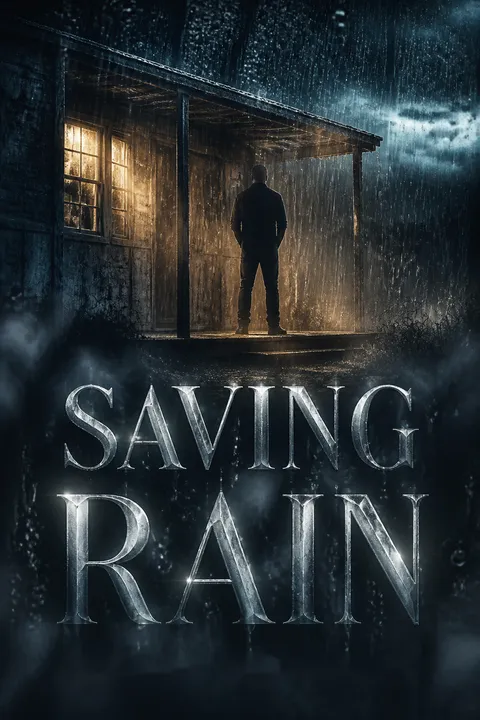

Plot Summary
Birth of a Burden
Soldier Mason enters the world as the unwanted child of Diane, a young woman already drowning in addiction and regret. His birth is marked by his mother's desperate hope that he will save her from herself, a hope she clings to even as she doubts her own capacity for love. Soldier's name is a symbol of the role he is forced to play from the very beginning: protector, savior, and the one who must carry the weight of his mother's brokenness. This chapter sets the tone for a life shaped by inherited trauma, unmet needs, and the impossible expectations placed on a child to redeem the sins of his parent.
Childhood Shadows and Promises
Soldier's early years are a patchwork of fleeting joys and persistent anxieties. Raised mostly by his loving grandparents, he experiences moments of warmth and stability, but these are always threatened by his mother's unpredictable presence and substance abuse. Soldier learns to read the moods of the adults around him, internalizing the belief that he must be good, helpful, and vigilant to keep the peace. His mother's promises of change are as fragile as glass, and Soldier's faith in her is tested again and again. The seeds of codependency and self-sacrifice are sown, shaping his understanding of love and responsibility.
Broken Homes, Broken Hearts
As Soldier grows, the cracks in his family widen. His mother's absences become longer, her relapses more severe. His grandparents do their best to shield him, but the strain is evident. Holidays and birthdays are bittersweet, marked by the absence of his mother and the silent grief of his caretakers. Soldier's longing for a normal family is palpable, and he often finds himself envying the stability of his friends' homes. The chapter culminates in the death of his grandfather, a devastating loss that leaves Soldier feeling unmoored and more alone than ever, forced to confront mortality and the fragility of the love he depends on.
The Descent Begins
With his grandfather gone and his grandmother's health failing, Soldier's world grows darker. His mother's addiction worsens, and Soldier is exposed to the harsh realities of poverty, neglect, and emotional abandonment. School becomes a refuge, but even there, he struggles to stay afloat. He witnesses his friends experimenting with drugs, and the temptation to escape his pain grows stronger. Soldier's sense of responsibility intensifies, and he begins to make choices that blur the line between survival and self-destruction. The descent into the world of pills and parties is gradual but inevitable, as Soldier seeks solace in the only ways he knows how.
Pills, Parties, and Pain
Soldier's teenage years are marked by increasing involvement in the local drug scene. What begins as a means to help his mother—stealing her pills to sell for rent and food—quickly becomes a way of life. He rationalizes his actions as necessary, convincing himself that he is protecting his mother by limiting her access to drugs while also keeping them both afloat. The lines between victim and perpetrator blur, and Soldier's guilt grows heavier. Friendships are tested, especially with Billy, whose own descent into addiction mirrors Soldier's. The pain of watching those he loves suffer is compounded by his inability to save them—or himself.
The Cost of Survival
As Soldier's situation becomes more dire, the consequences of his actions begin to catch up with him. His mother's theft of his savings shatters his last hope for escape, and he is forced to confront the reality that he may never break free from the cycle of trauma. The pressure to provide leads him deeper into the world of dealing, and the risks escalate. Soldier's moral compass is battered by necessity, and he struggles to reconcile his intentions with the harm he is causing. The cost of survival is steep, and Soldier is left questioning whether he can ever truly save anyone—including himself.
The First Tragedy
The turning point comes with the sudden death of Soldier's best friend, Billy, from an overdose of pills that Soldier provided. The tragedy is both shocking and inevitable, the culmination of years of shared pain and poor choices. Soldier's grief is compounded by guilt, and he is forced to face the full weight of his actions. The community's response is swift and unforgiving, and Soldier is arrested, charged, and ultimately convicted. The loss of Billy marks the end of Soldier's innocence and the beginning of a new chapter defined by punishment, regret, and the search for redemption.
Teenage Wasteland
In prison, Soldier is stripped of everything familiar. The harsh environment is both a punishment and a strange relief, offering structure and predictability he never had on the outside. Soldier finds solace in routine, education, and the rare kindness of others, particularly a guard named Harry who becomes a surrogate father figure. He reflects on his past through unsent letters to Rain, a girl he once saved, using writing as a means of processing his pain and longing for connection. Prison becomes a crucible, forcing Soldier to confront his demons and imagine the possibility of a different life.
Selling Salvation
Upon release, Soldier is met with rejection from his mother and the community he once called home. The world has moved on without him, and he struggles to find his place. Old enemies linger, and the threat of relapse—his own or his mother's—remains ever-present. Soldier's attempts to rebuild are met with suspicion and hostility, but he finds unexpected allies in Harry and a new town, River Canyon. The process of starting over is fraught with setbacks, but Soldier's resilience is tested and strengthened as he learns to accept help, trust others, and believe in the possibility of redemption.
The Last Pill
As Soldier settles into his new life, he is haunted by the ghosts of his past—his mother's death, Billy's overdose, and the unresolved pain of his childhood. The arrival of Rain and her son, Noah, offers a chance at healing, but also brings new challenges. Soldier must confront his own fears of intimacy, vulnerability, and the possibility of happiness. The process of letting go is neither linear nor easy, and Soldier is forced to reckon with the reality that some wounds may never fully heal. The last pill is both literal and symbolic, marking the end of one chapter and the uncertain beginning of another.
Consequences and Confessions
The truth about Soldier's parentage, his mother's past, and the web of connections that bind him to his enemies comes to light. Confrontations with Levi and Seth force Soldier to face the full extent of the damage wrought by addiction, betrayal, and revenge. The search for forgiveness—both from others and himself—is central, as Soldier seeks to make amends and find peace. The confessions exchanged are raw and painful, but necessary for healing. Soldier learns that forgiveness is not a single act, but a process that requires honesty, humility, and the willingness to move forward despite the scars.
Prison's Cold Embrace
Soldier's years in prison are marked by growth, self-discovery, and the slow rebuilding of his sense of self-worth. Through education, work, and the support of Harry, he learns to find meaning in small victories and daily routines. The letters to Rain become a lifeline, a way to process his regrets and hopes for the future. Prison is both a punishment and a sanctuary, offering the distance needed to gain perspective on his life and choices. Soldier emerges from this period changed, tempered by hardship but not broken, ready to face the world with a new sense of purpose.
Letters to Rain
The unsent letters Soldier writes to Rain serve as a bridge between his past and present. Through them, he confesses his deepest fears, regrets, and desires, using the act of writing as a form of therapy and self-forgiveness. The eventual reunion with Rain is both cathartic and transformative, offering a chance to rewrite the narrative of his life. Their connection is rooted in shared pain and mutual understanding, and together they begin to imagine a future defined not by trauma, but by love, trust, and the possibility of healing.
Release and Rejection
Soldier's release from prison is marked by both hope and disappointment. The world is not as welcoming as he had imagined, and the wounds of the past are slow to heal. Rejection from his mother and the lingering stigma of his crimes threaten to undo the progress he has made. Yet, through the support of Harry, Ray, and the community of River Canyon, Soldier begins to carve out a place for himself. The process of building a new life is slow and often painful, but each small victory is a testament to his resilience and capacity for change.
Finding Shelter, Finding Hope
With the help of new friends and allies, Soldier transforms a run-down trailer into a home, symbolizing his commitment to starting over. The process of renovation mirrors his own journey of self-repair, as he learns to take pride in his accomplishments and believe in his own worth. The growing bond with Ray and Noah offers a glimpse of the family he has always longed for, and Soldier begins to imagine a future defined by love, stability, and hope. The act of building—both literal and metaphorical—is central to his redemption.
New Beginnings, Old Ghosts
As Soldier and Ray's relationship deepens, the ghosts of their pasts threaten to destroy the fragile happiness they have found. The return of Seth, the unresolved pain of Soldier's childhood, and the ever-present threat of relapse and violence cast a shadow over their new life. The struggle to trust, to let go of fear, and to believe in the possibility of happiness is ongoing. Soldier must confront his own demons and make difficult choices to protect those he loves, even as he fears repeating the mistakes of the past.
Love in the Light
The love between Soldier and Ray becomes a source of healing and strength, offering both a chance to rewrite the narratives of their lives. Through vulnerability, honesty, and mutual support, they learn to trust each other and themselves. The process of building a family with Noah is both joyful and challenging, as they navigate the complexities of blended families, trauma, and the lingering effects of abuse. Love is not a cure-all, but it is a powerful force for change, offering hope and the possibility of redemption.
The Bogeyman Returns
Just as Soldier and Ray begin to settle into a new normal, the past returns with a vengeance. Seth's violent intrusion shatters their sense of safety, forcing Soldier to confront the limits of his ability to protect those he loves. The ensuing confrontation is both physical and emotional, testing the strength of their bond and the depth of their resilience. The battle with the bogeyman is a metaphor for the ongoing struggle with trauma, addiction, and the fear that happiness is always just out of reach.
Sacrifice and Salvation
In the climactic confrontation, Soldier puts everything on the line to save Ray and Noah. The violence is brutal and costly, leaving Soldier gravely wounded and teetering on the edge of death. In his near-death experience, he is visited by the ghosts of his past—his grandparents, Billy, and his mother—who offer comfort, forgiveness, and the assurance that he has finally fulfilled his role as savior. Soldier's sacrifice is both literal and symbolic, marking the culmination of his journey from burdened child to redeemed man.
Full Circle: Forgiveness
In the aftermath of violence and loss, Soldier and those he loves are forced to confront the lingering wounds of the past. Forgiveness—of self and others—is central to their healing. Soldier's reconciliation with Billy's mother, his acceptance of his own worth, and his willingness to seek connection with his remaining family (even Levi) mark the completion of his arc. The process of forgiveness is ongoing, but it is the foundation upon which a new life can be built.
Rain After the Storm
The story ends with Soldier, Ray, and Noah building a life together, defined not by the traumas of the past but by the love, trust, and hope they have cultivated. The scars remain, but they are no longer the defining feature of their lives. Soldier's journey from burdened child to redeemed man is complete, and the promise of a brighter future—symbolized by the birth of a new child and the building of a new home—offers a testament to the power of resilience, forgiveness, and love. The rain has passed, and the sun shines on a family that has finally found peace.
Analysis
Saving Rain is a raw, unflinching exploration of the cycles of trauma, addiction, and redemption that shape individual lives and families. Through the character of Soldier Mason, the novel interrogates the burdens placed on children to save their parents, the corrosive effects of generational pain, and the possibility of breaking free from destructive patterns. The story is both a cautionary tale and a testament to resilience, illustrating how love, forgiveness, and connection can offer a path to healing even in the aftermath of profound loss. The novel's structure—moving through key moments of crisis and transformation—mirrors the nonlinear process of recovery, emphasizing that healing is neither easy nor guaranteed, but always possible. The use of symbolism, narrative devices, and psychological depth elevates the story beyond a simple tale of survival, offering readers a nuanced meditation on the meaning of family, the limits of self-sacrifice, and the enduring power of hope. Ultimately, Saving Rain is a story about the courage to face the darkness, the humility to accept help, and the grace to forgive—others and oneself. It is a reminder that even in the aftermath of the storm, the sun can shine again.
Review Summary
Saving Rain receives an overall rating of 4.11/5, with most readers praising its emotional depth and the compelling male protagonist, Soldier. Many readers were moved to tears by his heartbreaking backstory involving addiction, loss, and redemption. Harry, Noah, and Rain were beloved side characters. Common criticisms include pacing issues, insta-love feelings, and the romance lacking development. The single male POV was largely appreciated, though some felt dual perspective would have strengthened the story. Despite mixed opinions on the romance, most agree Soldier is an unforgettable character.
People Also Read









Characters
Soldier Mason
Soldier is the emotional core of the novel—a boy born into chaos, forced to become a savior before he can even understand the meaning of the word. His life is shaped by his mother's addiction, his grandparents' love, and the impossible expectations placed upon him. Soldier's psychological landscape is defined by guilt, codependency, and a desperate need for approval. His journey is one of survival, self-destruction, and ultimately, redemption. Through prison, loss, and love, Soldier learns to forgive himself, accept help, and believe in the possibility of happiness. His development is marked by resilience, vulnerability, and the gradual shedding of the burdens he was never meant to carry.
Diane Mason
Diane is both the source of Soldier's pain and the catalyst for his growth. Her addiction, neglect, and emotional volatility shape Soldier's understanding of love and responsibility. Diane's own trauma and self-loathing are evident, and her inability to break free from her demons is both tragic and infuriating. She is a complex figure—capable of moments of tenderness, but ultimately unable to give Soldier the love he needs. Her death is both a release and a wound, forcing Soldier to confront the limits of his ability to save others and the necessity of saving himself.
Ray (Rain)
Ray is Soldier's counterpart—a woman marked by her own history of trauma, abuse, and resilience. Her relationship with Soldier is rooted in shared pain and mutual understanding, offering both a chance at healing. Ray's strength lies in her vulnerability, her willingness to trust despite her fears, and her determination to build a better life for herself and her son. Her journey is one of reclaiming agency, learning to accept love, and breaking the cycle of abuse. Ray's presence in Soldier's life is transformative, offering him the hope and connection he has always longed for.
Noah
Noah is Ray's son and, eventually, Soldier's surrogate child. He embodies innocence, curiosity, and the longing for safety and stability. Noah's experiences with abuse and trauma mirror Soldier's own childhood, creating a powerful bond between them. His questions, fears, and resilience serve as both a reminder of what is at stake and a source of hope for the future. Noah's development is marked by his growing trust in Soldier and his ability to imagine a life free from fear.
Billy
Billy is both a victim and a cautionary tale—a boy whose life is shaped by the same forces that threaten to destroy Soldier. His descent into addiction and eventual death are both shocking and inevitable, serving as a turning point in Soldier's life. Billy's presence lingers as a ghost, a reminder of the consequences of poor choices and the limits of love. His mother's grief and eventual forgiveness are central to Soldier's healing.
Harry
Harry is the prison guard who becomes Soldier's mentor, friend, and father figure. His kindness, wisdom, and unwavering support offer Soldier a model of healthy masculinity and unconditional love. Harry's presence is a stabilizing force, guiding Soldier through the darkest periods of his life and helping him imagine the possibility of redemption. His relationship with Soldier is marked by mutual respect, honesty, and the quiet power of consistent care.
Levi Stratton
Levi is both antagonist and mirror—a man whose life is shaped by the same forces that haunt Soldier. His involvement in the drug trade, his connection to Soldier's mother, and his own losses create a web of conflict and shared pain. Levi's actions are driven by revenge, grief, and a desperate need for control. His eventual confession and willingness to accept responsibility mark a turning point in both his and Soldier's journeys, offering a glimpse of the possibility of forgiveness and understanding.
Seth
Seth is the bogeyman—a figure of terror, violence, and unrepentant cruelty. His abuse of Ray and Noah, his involvement in the drug trade, and his ultimate act of violence against Soldier make him the primary antagonist. Seth's presence is a constant threat, a reminder of the dangers that linger even as Soldier and Ray seek to build a new life. His death is both a relief and a tragedy, marking the end of one chapter and the beginning of another.
Billy's Mother (Laura)
Laura is a figure of both pain and healing—a woman devastated by the loss of her son, but ultimately capable of forgiveness. Her relationship with Soldier is complex, marked by anger, grief, and eventual reconciliation. Laura's willingness to forgive and her recognition of Soldier's goodness are central to his healing and the novel's message of redemption.
Grampa
Grampa is Soldier's anchor in childhood—a figure of stability, wisdom, and unwavering support. His death is a devastating loss, but his influence lingers throughout Soldier's life. Grampa's lessons about love, responsibility, and resilience shape Soldier's understanding of what it means to be a good man. His presence is felt in moments of crisis and comfort, offering guidance even after death.
Plot Devices
Cycles of Trauma and Redemption
The novel's structure is built around the cycles of trauma, addiction, and redemption that define Soldier's life. The narrative moves through key moments—childhood, adolescence, prison, and adulthood—using flashbacks, letters, and confessions to reveal the interconnectedness of past and present. Foreshadowing is used to build tension, particularly in the recurring threats of violence and relapse. The motif of saving and being saved is central, with Soldier cast as both victim and hero, forced to confront the limits of his power and the necessity of self-forgiveness. The use of letters to Rain serves as both a narrative device and a means of psychological exploration, allowing Soldier to process his pain and imagine a different future.
Symbolism of Names and Weather
The names of the characters—Soldier, Rain, Stormy—are laden with symbolic meaning, reflecting their roles, struggles, and the expectations placed upon them. Soldier's name is both a burden and a prophecy, shaping his identity and the choices he makes. Rain is both a source of pain and renewal, symbolizing the possibility of healing after trauma. The recurring motif of weather—rain, storms, sunshine—mirrors the emotional landscape of the characters, marking moments of crisis, transformation, and hope.
The Bogeyman and the Hero Complex
The figure of the bogeyman—Seth—serves as both a literal and metaphorical antagonist, embodying the fears, traumas, and dangers that haunt Soldier and Ray. The hero complex is both a strength and a weakness, driving Soldier to sacrifice himself for others while also preventing him from seeking help or accepting love. The interplay between victim and savior is explored through the relationships between characters, highlighting the complexity of healing and the necessity of mutual support.
Letters and Confessions
The use of letters—both sent and unsent—serves as a means of processing trauma, seeking forgiveness, and building connection. Soldier's letters to Rain are both a diary and a confession, allowing him to articulate his pain, regrets, and hopes. The act of writing becomes a form of therapy, offering a space for reflection, honesty, and the possibility of change. Confessions—whether to friends, lovers, or enemies—are central to the process of healing and redemption.
Full-Circle Structure and Foreshadowing
The novel's structure is circular, beginning and ending with key moments of birth, death, and renewal. The use of foreshadowing—through dreams, warnings, and the repetition of key phrases—builds tension and underscores the inevitability of certain events. The return to pivotal locations (the patch of dirt by the high school, the family home, the prison) marks moments of reckoning and closure, allowing the characters to confront their pasts and imagine new futures.
Download PDF
Download EPUB
.epub digital book format is ideal for reading ebooks on phones, tablets, and e-readers.








































