
Plot Summary
Buried Secrets Unearthed
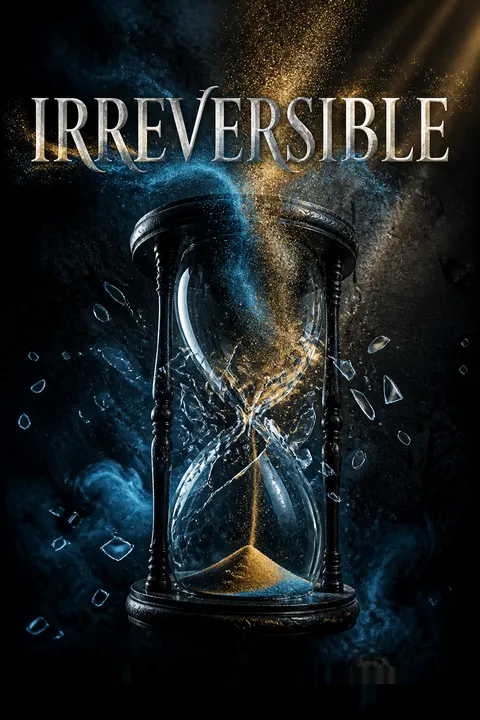
In the prologue, young Aiden Porter falls into an old cellar on his family's property, unearthing a mysterious box with the word "FOREVER" carved on it. The box contains a small hourglass, hinting at secrets buried for generations. This moment sets the tone for the novel's exploration of the past's grip on the present, foreshadowing the irreversible consequences of hidden crimes and the legacy of trauma. The hourglass becomes a symbol of time, fate, and the inescapable cycles of violence and redemption that will haunt the main characters. The discovery is both a literal and metaphorical unearthing, promising that the past will not stay buried.
Glamour, Love, and Ruin
Everly Cross, a rising model, basks in the glow of a glamorous career and a passionate marriage to Jasper, her agent and lover. Their relationship is tender, supportive, and full of hope for the future. But beneath the surface, Everly's insecurities and Jasper's longing for a family create subtle tensions. The night of a major fashion event, their happiness is violently destroyed when an intruder murders Jasper and abducts Everly. The sudden, brutal loss rips Everly from her charmed existence, plunging her into a nightmare. The chapter's emotional arc is one of dizzying heights and devastating lows, setting up Everly's journey from victim to survivor.
Nightmares in the Dark
Isaac Porter, a former detective, is tormented by the disappearance of his sister, Sara, and the unsolved cases that cost him his career. He's drawn into the city's underbelly, chasing leads and informants, desperate for justice. Isaac's world is one of isolation, anger, and self-destruction, his only connection a strained friendship with his ex-partner, Tanner. When a new clue suggests the cases are linked to a powerful trafficking ring, Isaac risks everything to infiltrate the organization. His relentless pursuit is fueled by guilt and a need for redemption, but it also blinds him to the dangers ahead.
Captive Walls, Divided Souls
Everly awakens in a sterile, windowless cell, chained and alone. Her only solace is the voice of another prisoner—Isaac—on the other side of the wall. Their initial exchanges are fraught with suspicion, pain, and the rawness of trauma. As days blur into weeks, the wall becomes both a barrier and a lifeline. They share stories, fears, and fragments of hope, forging a bond that transcends their captivity. The psychological toll of isolation and uncertainty is palpable, but so is the flicker of connection. Together, they begin to plot escape, even as the threat of their captors looms.
The Girl Behind the Wall
Everly and Isaac's relationship deepens as they share memories, dreams, and the small tokens left behind by previous victims. Everly clings to a blue guitar pick, a relic of a girl named Sara—Isaac's sister. Through storytelling, music, and confessions, they find comfort and meaning in each other. Their conversations are laced with longing, regret, and the ache of what's been lost. The wall between them is both literal and symbolic, representing the barriers of trauma, trust, and the past. Their growing intimacy is a fragile rebellion against the dehumanization of their captors.
Rage, Regret, and Revelation
As the days drag on, Isaac's rage at his own helplessness and the system's failures boils over. He's haunted by the knowledge that Sara was once in the same cell, and that he may never find closure. Everly, too, is pushed to her limits by the psychological games of their captor, known as The Timekeeper. When a chance for escape arises—a wire hidden in a bracelet—Everly risks everything to get it to Isaac. Their plan is fraught with peril, and the cost of failure is death. The chapter pulses with tension, sacrifice, and the hope that even in darkness, agency is possible.
Bargains with Monsters
The Timekeeper, a sadistic trafficker, toys with his captives, pitting them against each other and dangling false hope. He forces Everly to make an impossible choice: which of two men—Isaac or her long-lost husband Jasper—will be hunted for sport, and which will be set free. The psychological torment is excruciating, exposing the limits of love, loyalty, and self-preservation. Everly's decision is a crucible, shattering her trust in herself and in Isaac. The hourglass, now a tool of terror, marks the countdown to violence and the irreversible consequences of coerced choices.
Stories, Music, and Memory
In the aftermath of betrayal and heartbreak, Everly and Isaac are separated, each believing the other lost. The blue guitar pick becomes a talisman of memory, connecting Everly to Sara and to Isaac's pain. Music—especially the song "The Scientist"—serves as a motif for regret, longing, and the desire to turn back time. Both characters are haunted by what might have been, and by the stories they told each other through the wall. The emotional resonance of their bond lingers, even as they are forced onto separate paths of survival and healing.
The Weight of Loss
Everly is rescued in a dramatic police raid, but the trauma of captivity, the loss of Jasper, and the betrayal by those she loved leave her adrift. She struggles to reconnect with her mother and best friend, Allison, both of whom have been changed by her absence. The revelation that Jasper and Allison became lovers in her presumed death devastates her, compounding her sense of alienation. Isaac, too, is left to grapple with guilt, anger, and the emptiness of vengeance. Both must confront the reality that survival does not guarantee wholeness.
Unmasking the Past
As Everly and Isaac rebuild their lives, the secrets of their pasts come to light. Isaac's true identity as a detective, his connection to Sara, and his role in the investigation are finally revealed to Everly. The confrontation is raw and cathartic, forcing both to reckon with the lies, omissions, and self-protective walls they've built. Their reunion is fraught with pain but also with the possibility of forgiveness and new beginnings. The hourglass, once a symbol of doom, now marks the start of a new chapter.
Choices and Consequences
Everly and Isaac's relationship is tested by jealousy, miscommunication, and the lingering shadows of their trauma. Jasper's reappearance and the unresolved tension with Allison force Everly to confront her own desires and boundaries. Isaac, haunted by his inability to save Sara, must learn to accept love and vulnerability. Their journey is messy, nonlinear, and deeply human, marked by setbacks and small victories. The choices they make—to trust, to forgive, to move forward—are hard-won and irrevocable.
The Hourglass Turns
The Timekeeper returns for one last, deadly game, abducting Everly and setting a trap for Isaac. On a storm-tossed yacht, the past and present collide in a violent showdown. Everly's resourcefulness and Isaac's determination are pushed to the limit as they fight for survival and justice. The hourglass, shattered in the struggle, becomes the weapon that ends The Timekeeper's reign of terror. In the aftermath, blood and rain wash away the old wounds, and the ghosts of the past are finally laid to rest.
Shattered Trust, Shifting Hearts
In the wake of violence and loss, Everly and Isaac must learn to live with their scars. They move to a new home, surrounded by nature and the promise of renewal. Their relationship is imperfect but real, grounded in mutual respect, honesty, and the willingness to face the future together. Everly pursues a new career in forensics, channeling her pain into purpose. Isaac, too, finds meaning in helping others, even as he remains wary of happiness. The walls that once separated them are broken down, replaced by doors to new possibilities.
Reunion and Reckoning
Everly reconciles with Allison, her best friend, in a tearful, healing reunion. Both women acknowledge their mistakes, grief, and the ways they've changed. Their friendship, though altered, endures. The memory of Jasper is honored, and the pain of betrayal is transformed into understanding. Everly's relationship with her mother deepens, and the circle of support widens to include new friends and chosen family. The chapter is a testament to the resilience of love and the power of forgiveness.
The Final Hunt
Isaac's quest for vengeance is finally complete, but the cost is high. He must learn to live without the driving force of anger and guilt, to accept that some wounds never fully heal. The hourglass, once a symbol of death, is now a relic of survival and hope. The story comes full circle as Aiden, the boy from the prologue, discovers the truth behind the mysterious box and the legacy of the Porter family. The past is honored, but the future is open.
Breaking Down Walls
In a powerful metaphor for healing, Everly and Isaac break down a wall in their new home, symbolizing the barriers they've overcome. The act is both literal and emotional, a release of years of pain, fear, and self-doubt. Together, they create a space for love, honesty, and growth. The ghosts of the past are acknowledged but no longer rule their lives. The chapter ends with a sense of peace, possibility, and the promise of "see you soon."
Healing, Hope, and Home
The epilogue brings the story full circle, as Aiden and his father—descendants of the Porter family—uncover the truth behind the hourglass and the ashes it contains. The legacy of trauma, justice, and survival is passed down, but so is the hope for a better future. Everly and Isaac, now partners in life and love, have built a home together, surrounded by friends, family, and the beauty of the natural world. Their story is one of healing, hope, and the enduring power of connection.
Analysis
Irreversible is a harrowing, redemptive exploration of trauma, survival, and the power of human connection
At its core, the novel interrogates the ways in which violence, loss, and betrayal can fracture lives—and how love, storytelling, and resilience can piece them back together. The dividing wall between Everly and Isaac is both a prison and a bridge, forcing them to confront their own wounds and the possibility of healing. The hourglass, as both a tool of terror and a symbol of fate, underscores the novel's meditation on time, choice, and the irreversibility of certain events. The story refuses easy answers: survival is messy, healing is nonlinear, and forgiveness is hard-won. Yet, through music, memory, and the willingness to break down walls—literal and figurative—the characters carve out a future that honors the past without being defined by it. The novel's ultimate message is one of hope: that even in the aftermath of the worst horrors, it is possible to find meaning, connection, and a home in the arms of another survivor.
Review Summary
Irreversible by Jennifer Hartmann and Chelley St. Clair is a dark romance thriller that has received mixed reviews. Many readers praise its gripping plot, emotional depth, and memorable characters, while others criticize its pacing and character development. The story follows Everly and Isaac, who form a bond while held captive. Some readers found the book captivating and intense, while others felt it didn't live up to Hartmann's previous work. Despite mixed opinions, the book's unique premise and suspenseful elements have intrigued many readers.
People Also Read








Characters
Everly Cross (Mayfield)
Everly is the emotional heart of the novel—a woman whose life is shattered by violence, captivity, and betrayal, yet who refuses to be defined by her trauma. Her journey from glamorous model to resilient survivor is marked by vulnerability, creativity, and fierce determination. Everly's relationships—with Jasper, Allison, and especially Isaac—are complex, evolving from love and trust to heartbreak and forgiveness. Her psychological depth is revealed through her storytelling, her attachment to small tokens of memory, and her willingness to face the darkest parts of herself. Everly's arc is one of reclamation: of her body, her voice, and her future.
Isaac Porter
Isaac is a man forged in the crucible of loss, guilt, and relentless pursuit of justice. His sister's disappearance and the failures of the system drive him to the edge, both professionally and personally. Isaac's psychological complexity is rooted in his traumatic childhood, his struggle with addiction, and his inability to accept love or vulnerability. His relationship with Everly is transformative, forcing him to confront his own walls and the possibility of redemption. Isaac's arc is one of hard-won growth: from rage and isolation to connection and hope, though he remains marked by the scars of his past.
The Timekeeper (Leonard Vincent)
The Timekeeper is the novel's primary antagonist—a trafficker who delights in psychological games, coercion, and the suffering of others. His obsession with time, control, and spectacle makes him both a literal and symbolic villain. He preys on vulnerability, pitting victims against each other and forcing impossible choices. The Timekeeper's psychological profile is one of narcissism, cruelty, and a need for power. He is a mirror of the worst human impulses, but also a catalyst for the protagonists' growth and resistance.
Jasper Cross
Jasper is Everly's husband and agent, a man whose devotion is both a source of strength and a point of tension. His longing for a family and his inability to protect Everly haunt him. Jasper's death and later reappearance as a captive force Everly to confront the limits of love, loyalty, and forgiveness. His relationship with Allison adds layers of complexity and pain. Jasper's arc is one of love, loss, and the tragic consequences of choices made under duress.
Allison James
Allison is Everly's closest friend, whose own grief and loneliness lead her into a relationship with Jasper after Everly's presumed death. Her actions are both understandable and devastating, reflecting the messy realities of trauma and human need. Allison's arc is one of guilt, remorse, and the struggle to rebuild trust. Her eventual reconciliation with Everly is a testament to the power of forgiveness and the resilience of friendship.
Sara Carlisle
Sara is Isaac's beloved sister, whose disappearance and death are the emotional engine of his quest for justice. Through memories, music, and the blue guitar pick, Sara's presence lingers throughout the novel. She represents innocence, compassion, and the possibility of redemption. Sara's arc is one of tragic loss, but also of enduring influence—her memory shapes Isaac's choices and Everly's healing.
Tanner
Tanner is Isaac's former partner and one of the few people who refuses to give up on him. He provides both practical support and emotional grounding, helping Isaac navigate the line between justice and vengeance. Tanner's own struggles—with loyalty, loss, and the demands of the job—mirror those of the protagonists. His role is that of confidant, conscience, and occasional comic relief.
Roger
Roger is one of The Timekeeper's henchmen, a physically imposing but emotionally stunted figure. His interactions with Everly are marked by a strange mix of menace and vulnerability. Roger's small acts of kindness—bringing Everly trinkets, showing moments of weakness—hint at the possibility of humanity even among the complicit. His eventual death is both a moment of horror and a turning point in the escape plan.
Queenie
Queenie is a former dancer and club owner who becomes a source of support and wisdom for Everly. Her presence is grounding, offering both practical advice and emotional comfort. Queenie's own history of survival and self-acceptance provides a model for Everly's journey. She represents the power of chosen family and the importance of community in healing.
Aiden Porter
Aiden is the boy from the prologue and epilogue, whose discovery of the hourglass ties the novel's past and present together. He represents the next generation, the possibility of breaking cycles of trauma, and the enduring quest for truth. Aiden's curiosity, intelligence, and connection to his father echo the themes of legacy, justice, and the search for meaning.
Plot Devices
The Dividing Wall
The wall separating Everly and Isaac in captivity is the novel's central plot device. It functions as both a literal barrier and a metaphor for the emotional walls built by trauma, guilt, and fear. Through the wall, the characters share stories, confessions, and moments of intimacy, forging a bond that transcends their circumstances. The wall's eventual demolition in their new home symbolizes the breaking down of barriers, the possibility of healing, and the creation of new spaces for love and growth.
The Hourglass
The hourglass recurs throughout the novel as a tool of terror, a marker of impending death, and a relic of the past. The Timekeeper uses it to torment his victims, counting down their final moments and forcing impossible choices. The hourglass also represents the irreversible nature of trauma and the passage of time. Its shattering in the final confrontation marks the end of the old cycle and the possibility of a new beginning.
Music and Storytelling
Music—especially the song "The Scientist"—and storytelling are lifelines for the characters in captivity. They use stories to remember who they are, to honor the dead, and to forge connections across barriers. The blue guitar pick, a token of Sara's memory, becomes a symbol of hope and continuity. Storytelling is also a means of reclaiming agency, transforming pain into meaning, and resisting dehumanization.
Dual Narrative Structure
The novel employs a dual narrative, alternating between Everly and Isaac's points of view. This structure allows for deep psychological exploration, the mirroring of trauma and resilience, and the gradual revelation of secrets. The use of flashbacks, dreams, and confessions creates a layered, nonlinear narrative that reflects the complexity of healing and the persistence of the past.
Foreshadowing and Circularity
The prologue and epilogue, featuring Aiden and the discovery of the hourglass, bookend the novel and create a sense of circularity. The past is never truly gone; it resurfaces in unexpected ways, demanding reckoning and closure. The use of foreshadowing—through symbols, dreams, and repeated motifs—builds tension and emotional resonance, culminating in a sense of hard-won peace.
About the Author
Other books by Jennifer Hartmann






Download PDF
Download EPUB
.epub digital book format is ideal for reading ebooks on phones, tablets, and e-readers.








































