
Summary Temporarily Unavailable
This summary is temporarily unavailable and is currently being updated. You can still explore the FAQs and other metadata below.
Plot Summary
Shattered Beginnings, Shifting Bonds
Isobel Carter wakes in her father's penthouse, disoriented and covered in blood, the trauma of a recent shooting at Ironside Academy haunting her. Her father's control is suffocating, and she's forced to confront the emotional and physical scars of her past. The aftermath of violence leaves her isolated, with only Adam Bellamy—a reluctant surrogate—by her side. Isobel's sense of self fractures as she's cut off from her true support system: the Alphas of Dorm A, her found family and the source of her mysterious, unformed bond. The chapter sets the tone of survival, trauma, and the desperate need for connection, as Isobel's world narrows to a fight for autonomy against the relentless machinations of her father and the academy's power structures.
Captivity and Control
Under her father's watchful eye, Isobel is subjected to a relentless schedule of appointments, beauty treatments, and surveillance. The surrogate system—meant to sustain her Gifted bond—proves inadequate, and the new surrogate pills fail to keep her healthy. Bellamy, forced into the role of her caretaker, becomes an uneasy ally as they both chafe under the manipulations of their powerful fathers. Isobel's physical and emotional health deteriorate, her agency eroded by the constant monitoring and the threat of violence. The chapter explores the psychological toll of captivity, the insidiousness of control disguised as care, and the small acts of rebellion that keep hope alive.
Surrogates and Sickness
Isobel's health spirals as the surrogate system fails her, and the emotional distance from her true bond-mates becomes life-threatening. Bellamy's attempts to help are stymied by the layers of control imposed by their families and the academy. The Alphas, scattered and powerless, watch helplessly as Isobel's condition worsens, their own bonds fraying in her absence. The narrative delves into the agony of separation, the limits of surrogate care, and the deepening sense of loss that pervades both Isobel and her friends. The chapter is a study in longing, the ache of incomplete connection, and the resilience required to endure.
The Ironside Divide
The academy is split, with upperclassmen—including Isobel and the Alphas—relocated to a lavish new Ironside campus in France. The move is both a fresh start and a new prison, as surveillance intensifies and the stakes of the Ironside Show are raised. Isobel, still weakened, is thrust into a world of opulence and scrutiny, her every move monitored by Cooper, the new dorm manager and her father's proxy. The Alphas reunite, but the threat of exposure and the pressure to perform for the cameras create new tensions. The chapter explores the duality of freedom and captivity, the allure and danger of visibility, and the shifting alliances within the group.
The Hunt for Connection
To stabilize Isobel's failing bond, the Alphas devise a literal hunt: Isobel must hide, and the first to find her will complete the bond. The game is fraught with competition, jealousy, and the raw need for connection. Niko wins, and their bonding is both a moment of hope and the catalyst for disaster. The ritual is interrupted by betrayal, as Eve, manipulated by outside forces, attacks Isobel and severs her soul artefact. The chapter is a tense exploration of intimacy, rivalry, and the ever-present threat of sabotage, culminating in a devastating loss that will haunt the group.
The Bond Fractures
The theft of Isobel's soul artefact leaves her and Niko broken, their bond poisoned and their minds unraveling. The Alphas, desperate to save her, complete the bond en masse, tethering themselves to her in a risky, unprecedented ritual. The aftermath is a landscape of grief, guilt, and altered relationships, as Niko's mind is twisted by the soul infraction and Isobel is left hollowed out. The group must navigate the new reality of their connection, the dangers of exposure, and the psychological scars left by violence and betrayal. The chapter is a meditation on the cost of survival and the limits of even the strongest bonds.
Reclaiming Power, Losing Light
With the bond partially restored, Isobel and the Alphas attempt to reclaim a sense of normalcy. The new Ironside campus is both a stage and a trap, with cameras everywhere and Cooper's control ever-present. The group strategizes to protect their secret, using technology and subterfuge to evade surveillance. Yet, the loss of Isobel's light—the soul artefact—casts a shadow over their victories. The chapter explores the tension between public performance and private pain, the necessity of trust, and the ever-present danger of exposure in a world that profits from their suffering.
The New Ironside Order
The arrival of high-profile human contestants at Ironside signals a new phase in the academy's manipulation. The humans are both rivals and pawns, their presence designed to undermine the Alphas' influence and destabilize the Gifted hierarchy. Isobel and her group must navigate shifting alliances, public scrutiny, and the machinations of officials determined to control the narrative. The chapter is a study in adaptation, as the group leverages their talents and popularity to fight back, even as the rules of the game are rewritten around them.
Games, Masks, and Manipulation
The group embraces the performative nature of Ironside, using social media, staged relationships, and carefully curated drama to maintain their relevance and protect their secrets. Isobel is forced into a fake relationship with Silva, while Niko is paired with a human contestant, Mei, who unknowingly wears a piece of Isobel's stolen soul artefact. The lines between reality and performance blur, as the group must constantly adapt to new threats and shifting public opinion. The chapter explores the power of narrative, the cost of deception, and the ways in which performance can both liberate and imprison.
The Human Invasion
The human contestants, each with their own celebrity and agenda, disrupt the established order at Ironside. Their presence is a calculated move by the officials to dilute the Alphas' power and introduce new sources of drama. Isobel and her group must contend with jealousy, rivalry, and the ever-present threat of exposure, as alliances shift and the rules of the game become increasingly opaque. The chapter is a commentary on power, privilege, and the ways in which systems co-opt and commodify even the most intimate relationships.
The Stone Dahlia's Chains
The Stone Dahlia, a secretive club beneath the academy, becomes both a sanctuary and a site of exploitation. Isobel and the Alphas are drawn into its web, forced to perform, fight, and submit to the whims of the powerful. The club's rules are absolute, and the threat of violence is ever-present. The group must navigate the dangers of the Dahlia, the machinations of the Track Team, and the ever-tightening noose of official control. The chapter is a dark exploration of agency, resistance, and the price of survival in a world that demands obedience above all.
The Art of Survival
Isobel's journey through the Stone Dahlia is marked by both suffering and empowerment. Under Kalen's guidance, she learns the art of shibari, finding moments of peace and transcendence in the act of submission. The Alphas, too, are tested—through violence, sex, and the constant threat of exposure. The group's relationships deepen and complicate, as lines between punishment and pleasure, dominance and care, are blurred. The chapter is a meditation on the ways in which survival can be an art, a performance, and an act of defiance.
Collateral and Collusion
The Track Team escalates their campaign of control, threatening the families of the Alphas and using every tool at their disposal to ensure compliance. The group is forced to confront the reality that their loved ones are collateral in a game they cannot escape. The chapter explores the limits of loyalty, the agony of powerlessness, and the ways in which systems of control perpetuate themselves through fear and coercion. The group's unity is both their greatest strength and their most dangerous vulnerability.
The Performance of Eleven
The group, now officially named Eleven, stages a performance that electrifies the academy and the world beyond. Their talent, unity, and defiance are on full display, challenging the narrative imposed by the officials and reclaiming their agency. The performance is both a triumph and a provocation, drawing the ire of those in power and the adoration of the public. The chapter is a celebration of art as resistance, the power of collective action, and the hope that even in captivity, freedom can be found in creation.
Ties That Bind
As the group's relationships deepen, new challenges arise: jealousy, insecurity, and the ever-present threat of betrayal. Isobel's connections with the Alphas become more complex, as lines between friendship, love, and desire blur. The group must navigate the shifting dynamics of their bond, the pressures of public scrutiny, and the dangers of their own hearts. The chapter is an exploration of polyamory, the evolution of love, and the ways in which intimacy can both heal and wound.
The Price of Defiance
The group's defiance does not go unpunished. The officials retaliate, using every tool at their disposal to reassert control. Isobel's father reveals the true extent of his power, threatening to erase her memories and sever her from her found family. The group is forced to confront the reality that survival may require sacrifice, and that the price of truth is often paid in blood and pain. The chapter is a reckoning, as secrets are revealed, alliances are tested, and the cost of resistance becomes clear.
The Golden Thread
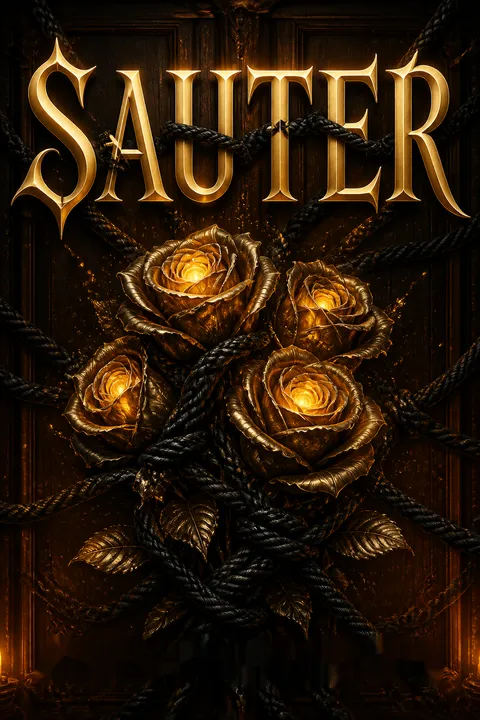
In the aftermath of violence and loss, Isobel and the Alphas find moments of healing and hope. The return of her soul artefact, in the form of golden roses, signals a new beginning—a chance to reclaim what was lost and to forge a future on their own terms. The group's unity is reaffirmed, their love deepened by adversity. The chapter is a meditation on resilience, the power of hope, and the ways in which even the most broken bonds can be mended.
The Whistleblower's Warning
As the group celebrates their victories, a new threat looms. A whistleblower within the system warns Isobel that the officials know the truth about her bond and are planning to eliminate Dorm A. The message is clear: survival now depends on exposure, on bringing their secret into the light before it can be destroyed in the dark. The chapter ends on a note of urgency and uncertainty, as the group faces the ultimate test of their unity, courage, and will to survive.
Analysis
Jane Washington's Relever is a masterclass in the fusion of dark academia, dystopian fantasy, and polyamorous romance, using the framework of a reality competition to interrogate themes of trauma, agency, and the commodification of intimacy. The novel's central metaphor—the Gifted bond—serves as both a source of magic and a lens through which to explore the psychological scars of abuse, the longing for authentic connection, and the dangers of systems that profit from suffering. The narrative's relentless focus on performance, surveillance, and the blurring of reality and appearance is both timely and timeless, echoing contemporary anxieties about social media, celebrity, and the erosion of privacy. The polyamorous structure of the group is handled with nuance, foregrounding the challenges of jealousy, insecurity, and evolving love while celebrating the power of chosen family. Ultimately, Relever is a story about survival—not just of the body, but of the self, the soul, and the bonds that make life worth living. Its lessons are clear: that healing is possible, but never easy; that love is both a risk and a refuge; and that even in the darkest of systems, resistance is an act of hope.
Last updated:
Report IssueReview Summary
Sauter has received overwhelmingly positive reviews, with readers praising its character development, engaging plot, and increased spice level compared to previous books. Many appreciate the slow-burn romance and the author's ability to balance multiple love interests. The group chat scenes and cliffhanger endings are particularly popular. Some criticisms include pacing issues and concerns about consent in certain scenes. Overall, fans are eagerly anticipating the next installment in this addictive series that combines paranormal elements, reality TV, and reverse harem romance.
People Also Read










Characters
Isobel Carter
Isobel is the emotional and narrative center of the story—a Sigma whose power is both her greatest vulnerability and her only weapon. Raised under the thumb of an abusive, manipulative father, she is shaped by trauma but refuses to be defined by it. Her journey is one of reclamation: of her body, her agency, and her right to love and be loved on her own terms. Isobel's relationships with the Alphas are complex, blending friendship, desire, and the unique magic of the Gifted bond. She is both a caretaker and a catalyst, drawing out the best and worst in those around her. Her arc is one of transformation: from victim to survivor, from pawn to player, from isolated to irreplaceable.
Niko Hart
Niko is the steady, grounding force within the group—a healer by nature and by training, whose calm exterior masks deep wells of pain and loyalty. His willingness to take on Isobel's suffering, even at the cost of his own sanity, marks him as both hero and martyr. The soul infraction leaves him fractured, his love for Isobel twisted by rage and confusion, but his journey is one of slow, painful healing. Niko's relationships with the other Alphas are marked by respect and rivalry, and his bond with Isobel is both a source of strength and a site of ongoing struggle.
Theodore Kane
Theodore is the group's golden boy—a natural performer whose talent and magnetism make him both a target and a shield. His confidence masks deep insecurities, particularly around his feelings for Isobel and his role within the group. Theodore's leadership is tested by jealousy, rivalry, and the ever-present threat of exposure, but his loyalty to the group is unwavering. His relationship with Isobel is passionate and playful, marked by mutual admiration and a shared love of performance.
Kalen West
Kalen is the group's strategist and enforcer—a dom whose control is both a comfort and a challenge to Isobel. His mastery of shibari and his role as a sponsor in the Stone Dahlia make him both a guide and a gatekeeper. Kalen's relationship with Isobel is marked by trust, discipline, and a deep, unspoken understanding. He is both protector and provocateur, pushing Isobel to her limits while ensuring her safety. His arc is one of learning to balance power with vulnerability, and control with care.
Mikel Easton
Mikel is the group's enforcer—a man marked by violence, both suffered and inflicted. His scars are both literal and metaphorical, and his relationship with Isobel is defined by discipline, punishment, and a surprising tenderness. Mikel's loyalty is absolute, but his methods are often harsh, forcing Isobel to confront her own boundaries and desires. His arc is one of redemption, as he learns to wield his power with compassion and to accept love despite his self-loathing.
Oscar Sato
Oscar is the group's fighter—a man whose aggression masks deep wounds and a fierce protectiveness. His relationship with Isobel is marked by intensity, possessiveness, and a shared understanding of pain. Oscar's journey is one of learning to channel his violence into protection rather than destruction, and to accept vulnerability as a form of strength. His loyalty to the group is unwavering, but his temper is a constant threat to their unity.
Kilian Gray
Kilian is the group's peacemaker—a gentle soul whose artistic talents and quiet strength provide balance to the group's more volatile members. His relationship with Isobel is marked by tenderness, playfulness, and a deep, unspoken passion. Kilian's arc is one of stepping into his own power, learning to assert himself without losing his kindness. He is both a source of comfort and a catalyst for growth within the group.
Cian Ashford
Cian is the group's wildcard—a man of intuition, humor, and hidden depths. His connection to Isobel is both playful and profound, marked by a shared sense of otherness and a mutual need for acceptance. Cian's arc is one of confronting his own demons, both literal and metaphorical, and learning to trust in the strength of the group. His tarot readings and uncanny insights make him both a guide and a mystery.
Elijah Reed
Elijah is the group's intellectual—a master of adaptation whose talents as a rapper and strategist are matched only by his emotional intelligence. His relationship with Isobel is marked by mutual respect, curiosity, and a slow-burning attraction. Elijah's arc is one of learning to balance logic with emotion, and to accept the messiness of love and loyalty. He is both a planner and a participant, always thinking several steps ahead.
Gabriel Spade
Gabriel is the group's caretaker—a perfectionist whose attention to detail and emotional steadiness provide a foundation for the group. His relationship with Isobel is marked by subtlety, intensity, and a deep need for connection. Gabriel's arc is one of learning to let go of control, to accept imperfection, and to embrace the vulnerability that comes with love. He is both a stabilizer and a source of quiet passion within the group.
Plot Devices
The Gifted Bond and Surrogate System
The central plot device is the Gifted bond—a magical, soul-deep connection that both empowers and endangers those who possess it. The surrogate system, designed to sustain those without their true mates, becomes a metaphor for inadequate support, the dangers of substitution, and the longing for authentic connection. The bond's fragility and the consequences of its violation drive much of the plot, serving as both a source of power and a site of vulnerability. The narrative structure uses the bond to explore themes of trauma, healing, and the cost of survival, with foreshadowing woven through the deterioration of Isobel's health and the escalating threats to the group.
Surveillance, Performance, and Reality
The omnipresent cameras, social media manipulation, and the performative nature of the Ironside Show create a constant tension between reality and appearance. The group must navigate the demands of public performance while protecting their private truths, using deception, staged relationships, and carefully curated drama to survive. The narrative structure leverages this tension, using foreshadowing and misdirection to keep both characters and readers uncertain of what is real and what is for show. The motif of performance recurs throughout, from the literal stage to the metaphorical masks each character wears.
The Stone Dahlia and Systems of Control
The Stone Dahlia, a secret club beneath the academy, serves as both a site of empowerment and exploitation. Its rules, rituals, and hierarchies mirror those of the academy and the wider world, creating a microcosm of the systems of control that shape the characters' lives. The club's dual nature—as a place of both pleasure and punishment—reflects the complexities of survival in a world that commodifies bodies and relationships. The narrative uses the Dahlia to explore themes of agency, resistance, and the cost of obedience, with foreshadowing embedded in the escalating violence and the tightening net of official control.
Polyamory, Jealousy, and Evolving Love
The polyamorous structure of the group is both a source of strength and a site of ongoing tension. Jealousy, insecurity, and the ever-present threat of betrayal complicate the group's unity, forcing each character to confront their own desires and fears. The narrative uses the evolving nature of love—its capacity to heal, to wound, and to transform—as both a plot device and a thematic throughline. The shifting dynamics of the group, the blurring of lines between friendship and romance, and the constant negotiation of boundaries create a rich, emotionally charged landscape.
Whistleblowing and the Threat of Exposure
The final plot device is the threat of exposure—a whistleblower within the system warns Isobel that the officials know the truth about her bond and are planning to eliminate Dorm A. The urgency of bringing their secret into the light before it can be destroyed in the dark drives the climax, forcing the group to confront the ultimate test of their unity, courage, and will to survive. The narrative structure uses this device to heighten tension, accelerate the pace, and set the stage for the next installment.
Ironside Academy Series





About the Author
Jane Washington is a Wall Street Journal bestselling author known for her captivating writing style and ability to create immersive fictional worlds. She specializes in paranormal romance and reverse harem stories, with her Ironside Academy series being particularly popular among readers. Despite her success, Washington maintains a playful relationship with her audience, often jokingly telling people not to read her books. Her work is characterized by slow-burn romances, complex character dynamics, and engaging plots that keep readers hooked. Washington actively engages with her fanbase through various social media platforms, fostering a strong community around her books.
Other books by Jane Washington
Download PDF
Download EPUB
.epub digital book format is ideal for reading ebooks on phones, tablets, and e-readers.








































