
Plot Summary
Blue Door, Black Lantern
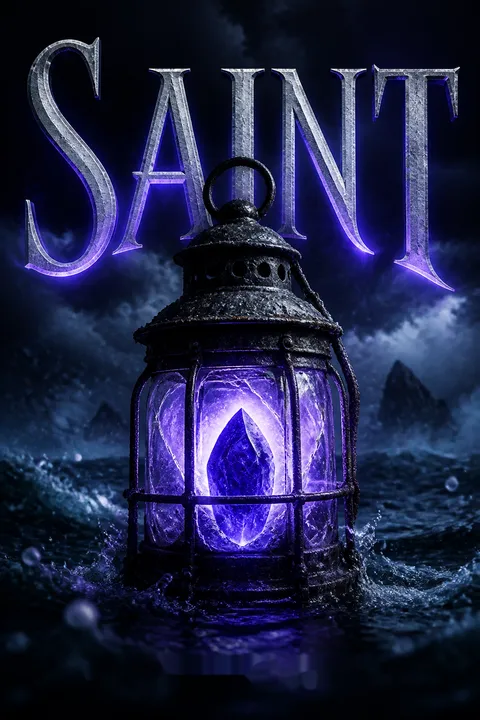
Isolde, daughter of the powerful merchant Holland, flees her mother's grasp after discovering her father's death was no accident but a calculated sacrifice. Guided by a cryptic message—"Blue door, black lantern"—she seeks out Simon, a shadowy figure in North End, to disappear from her old life. Simon arranges passage for her on the Luna, a ship bound for the Narrows, in exchange for her precious earrings. Isolde's resolve is fueled by grief and fury, determined to destroy her mother's empire with the midnight gemstone she's stolen. The chapter sets the tone for a story of escape, betrayal, and the search for belonging, as Isolde steps into the unknown, leaving behind the only world she's ever known.
Storm-Bound Beginnings
Elias "Saint" Redgrave, a helmsman with a haunted past, and his loyal friend Clove, navigate the treacherous Narrows aboard the battered Riven. Their dream: to build a legitimate trading operation and break free from the Saltbloods' dominance. They invest everything in the construction of the Aster, a new schooner, and juggle dangerous deals with the Roth family, notorious for their fake gems. The Narrows is a world of shifting alliances, superstition, and survival, where every crossing is a gamble. Saint's scars and rituals reveal a man marked by loss and guilt, yet driven by hope for a future where Narrows-born traders can claim their own destiny.
Rye, Gems, and Schemes
Saint and Clove's operation hinges on smuggling gems inside bottles of rye, trading with Henrik Roth to fund their ambitions. The arrival of Zola, a rival helmsman, and his new "dredger" Eryss (Isolde in disguise), complicates matters. Isolde, hiding her identity as a gem sage, senses the illicit gems and becomes entangled in the web of Narrows politics. The Luna's crew is wary of her, and Zola's intentions are murky. The chapter explores the fragile trust between outcasts, the dangers of ambition, and the ever-present threat of betrayal as each character maneuvers for survival and power.
Dredger's Contract
Isolde, now Eryss, faces hostility and suspicion from the Luna's crew, her skills as a dredger both a blessing and a curse. Zola, recognizing her value, binds her with a contract, intending to exploit her abilities for profit. Isolde's past haunts her, and her only hope lies in reaching Ceros and using the midnight gemstone to undermine her mother. The chapter delves into the dynamics of power, the cost of freedom, and the loneliness of being hunted and used. Isolde's resolve hardens as she navigates the treacherous waters of the Narrows, determined to reclaim agency over her fate.
Rival Helmsmen
The rivalry between Saint and Zola intensifies as both vie for dominance in the Narrows' emerging trade. Zola's ambition and willingness to cross lines make him a dangerous adversary, especially as he uncovers Saint's smuggling operation. Isolde, caught between them, becomes a pawn in their struggle. The chapter highlights the cutthroat nature of Narrows trade, where alliances shift with the tide and every secret is a potential weapon. Saint's reputation as a storm-chaser and Zola's cunning set the stage for inevitable confrontation, with Isolde's fate hanging in the balance.
Theft and Betrayal
The theft of Henrik's gems from the Riven threatens to unravel everything Saint and Clove have built. Suspicion falls on Zola and his mysterious dredger, but the truth is more complicated. Isolde, realizing the danger she's in, must choose between self-preservation and doing what's right. The chapter explores the consequences of betrayal, the fragility of trust, and the lengths to which people will go to protect their dreams. Saint's desperation grows as he faces the possibility of losing not just his future, but his life.
The Gem Sage's Secret
The secret of Isolde's gift as a gem sage comes to light, making her both invaluable and vulnerable. Zola's plan to sell her to a powerful merchant in Ceros is exposed, and Saint confronts her, demanding the return of the stolen gems. Their confrontation is charged with tension, attraction, and mutual recognition of the risks they face. Isolde's decision to help Saint, despite the danger to herself, marks a turning point in their relationship. The chapter is a study in trust, sacrifice, and the power of shared secrets.
Tempest Snare's Promise
Isolde proposes a daring plan: to map and dredge Tempest Snare, a graveyard of sunken ships and lost fortunes. With her skills and Saint's leadership, they could break the Saltbloods' monopoly and build a future for Narrows-born traders. The promise of Tempest Snare becomes a symbol of hope and rebellion, a way to reclaim what was stolen and forge a new path. The chapter is filled with anticipation, as the characters glimpse the possibility of something greater than survival—a legacy.
Blood and Loyalty
A violent storm tests the crew's limits and Saint's faith in the sea's mercy. Isolde proves her worth, saving the ship and earning a place among the crew. Bonds of loyalty are forged in adversity, and the lines between obligation and choice blur. Saint's haunted past and Isolde's longing for belonging converge, creating a fragile but powerful sense of family. The chapter explores the themes of redemption, forgiveness, and the ways in which shared hardship can heal old wounds.
The Price of Freedom
Zola invokes Isolde's contract, threatening Saint's hard-won license and future. The Trade Council's laws are clear: poaching crew is a grave offense. Isolde faces the prospect of returning to captivity, while Saint must decide what he's willing to sacrifice for her freedom. The chapter is a crucible of moral dilemmas, where love, loyalty, and ambition collide. The cost of freedom is steep, and the characters must confront the reality that every choice has a price.
Trade Council Reckoning
In a dramatic hearing before the Trade Council, Saint offers the Aster—their dream ship—as payment to buy out Isolde's contract. The gesture is both devastating and redemptive, a testament to the depth of his commitment. Zola is outmaneuvered, but the victory is bittersweet. Isolde is free, but the cost is immense. The chapter is a meditation on sacrifice, the meaning of home, and the courage to let go of the past in order to build a future.
The Lark's New Course
With the Aster gone, Saint, Clove, and Isolde set their sights on building a new ship—the Lark—designed for the unique challenges of Tempest Snare. They forge new alliances, invest in the rye trade, and lay the groundwork for a Narrows-born fleet. The chapter is filled with hope and determination, as the characters embrace the uncertainty of the future and the promise of what they can create together. The sea, once a source of loss and fear, becomes a canvas for their dreams.
The Sea Gives
As Isolde and Saint work together to dredge Tempest Snare, their partnership deepens into love and mutual respect. The wealth they recover is used not for personal gain, but to empower the Narrows and challenge the old order. The story ends with a sense of fulfillment and possibility, as the characters find belonging, purpose, and each other. The sea, with all its dangers and mysteries, is both a crucible and a gift—a place where the past is honored, the present is seized, and the future is theirs to shape.
Analysis
Saint by Adrienne Young is a masterful exploration of survival, ambition, and the search for belonging in a world defined by shifting tides—both literal and metaphorical. At its heart, the novel is about the cost of freedom: the sacrifices required to break from the past, the courage to trust others, and the willingness to risk everything for a dream. Through the intertwined journeys of Isolde and Saint, Young examines the ways in which trauma, loss, and betrayal can both wound and forge resilience. The Narrows, with its labyrinthine politics and unforgiving sea, serves as a crucible where characters are stripped to their core and forced to confront what truly matters. The novel's use of contracts, rituals, and found family reflects the universal human longing for agency and connection. Ultimately, Saint is a story about building something new from the wreckage of the old—about daring to imagine a future where love, loyalty, and hope are not just possible, but worth fighting for. In a modern context, the book resonates as a call to challenge oppressive systems, honor the power of chosen bonds, and believe in the possibility of transformation, even when the odds seem insurmountable.
Review Summary
People Also Read


Characters
Isolde (Eryss)
Isolde is the daughter of Holland, a ruthless gem merchant, and a gifted gem sage herself. Traumatized by her father's murder and her mother's manipulations, she flees Bastian with the midnight gemstone, seeking both escape and revenge. Isolde is fiercely intelligent, resourceful, and independent, yet deeply wounded by betrayal and loss. Her journey is one of reclaiming agency, forging her own identity, and learning to trust others—especially Saint. Her relationship with Saint is transformative, offering her the belonging and love she's been denied. Isolde's arc is a testament to resilience, the search for home, and the power of choosing one's own fate.
Elias "Saint" Redgrave
Saint is a Narrows-born helmsman marked by tragedy, guilt, and a relentless drive to build a future for his people. His past is scarred by the loss of his father and a superstitious mistake that cost many lives, fueling his rituals and storm-chasing reputation. Saint is both pragmatic and idealistic, willing to make hard choices but yearning for something more than survival. His bond with Clove is unbreakable, and his growing love for Isolde challenges his self-imposed isolation. Saint's journey is about forgiveness, leadership, and the courage to risk everything for a dream.
Clove
Clove is Saint's steadfast companion, the voice of reason and the steady hand on the Riven. Orphaned alongside Saint, Clove's loyalty is absolute, but he's not afraid to challenge or ground his friend. He is practical, quick-witted, and deeply protective of their found family. Clove's humor and resilience balance Saint's intensity, and his acceptance of Isolde signals the crew's evolution from survival to belonging. Clove's arc is about trust, adaptation, and the quiet strength of friendship.
Zola
Zola is a cunning helmsman whose primary allegiance is to himself. He is both a mirror and a foil to Saint—ambitious, resourceful, and willing to cross moral lines for profit. Zola's willingness to exploit Isolde and his relentless pursuit of power make him a formidable adversary. His actions force Saint and Isolde to confront their own values and the cost of their ambitions. Zola embodies the dangers of unchecked ambition and the corrosive effects of treating people as commodities.
Holland
Holland is the shadow looming over Isolde's life—a brilliant, cold, and calculating merchant who values power above all. Her love is transactional, and her willingness to sacrifice even family for gain is the catalyst for Isolde's rebellion. Holland's influence extends far beyond Bastian, shaping the politics of the Narrows and the fates of all who cross her. She represents the old order, the dangers of unchecked power, and the wounds of parental betrayal.
Nash
Nash is drawn into Saint and Clove's world through a mix of cowardice and necessity. Initially self-serving and opportunistic, he becomes an unlikely ally, contributing his skills and knowledge when it matters most. Nash's arc is one of adaptation and reluctant loyalty, providing comic relief and a reminder of the Narrows' capacity for both cruelty and redemption.
Henrik Roth
Henrik is the scion of the Roth family, masters of fake gems and under-the-table deals. His partnership with Saint is built on mutual benefit and mutual threat—each knows the other's secrets. Henrik is shrewd, charming, and always calculating, but his own burdens and losses humanize him. He represents the gray morality of the Narrows, where survival often means compromise.
Emilia
Emilia is a rye crofter whose partnership with Saint and Clove is essential to their trading operation. She is tough, pragmatic, and fiercely protective of her daughter Hazel. Emilia's home offers a rare glimpse of warmth and community, and her willingness to take risks for her friends is a testament to the power of chosen family. She embodies the Narrows' resilience and the hope for a better future.
Hazel
Hazel is Emilia's young daughter, already showing signs of being a gem sage. Her innocence and potential are both a blessing and a source of danger, as the world she inherits is fraught with peril. Hazel's presence is a reminder of what's at stake—the possibility of a new generation free from the old wounds and rivalries.
Simon
Simon is the man who helps Isolde escape Bastian, operating in the gray spaces between law and crime. His motivations are ambiguous, but his actions set the story in motion. Simon represents the hidden networks that underpin the Narrows, where information and opportunity are as valuable as coin.
Plot Devices
Dual Narration and Shifting Perspectives
The novel employs a dual narrative structure, alternating between Isolde and Saint's points of view. This device allows readers to experience the story's emotional depth, understand each character's motivations, and witness the gradual building of trust and intimacy. The shifting perspectives also highlight the contrasts and parallels between their journeys, deepening the themes of identity, belonging, and redemption.
Contracts, Laws, and Power Structures
The use of contracts—both literal and symbolic—serves as a central plot device. Isolde's contract with Zola, the Trade Council's laws, and the rules of the Narrows all create external pressures that force characters to make difficult choices. These structures reflect the broader themes of agency, exploitation, and the struggle for autonomy in a world where power is often wielded through bureaucracy and tradition.
Foreshadowing and Superstition
The novel is rich with foreshadowing, often delivered through superstition and ritual. Saint's blood offerings to the sea, the adder stones, and the recurring motif of storms all signal impending danger and the characters' attempts to negotiate with forces beyond their control. These elements create a sense of inevitability and tension, while also exploring the psychological need for meaning in chaos.
Symbolism of the Sea and Ships
Ships, storms, and the sea itself are potent symbols throughout the novel. The Riven, the Aster, and the Lark each represent different stages of the characters' journeys—survival, ambition, and reinvention. The sea is both a source of danger and possibility, a place where the past is confronted and the future is forged. The act of dredging Tempest Snare becomes a metaphor for reclaiming lost potential and challenging the status quo.
Found Family and Chosen Bonds
The formation of a found family—Saint, Clove, Isolde, and their allies—is a key narrative device. These bonds are tested by betrayal, sacrifice, and the demands of survival, but ultimately provide the support and purpose the characters need to transcend their pasts. The tension between obligation and choice is explored through these relationships, highlighting the transformative power of trust and love.
The World of the Narrows Series
About the Author
Other books by Adrienne Young



Download PDF
Download EPUB
.epub digital book format is ideal for reading ebooks on phones, tablets, and e-readers.








































