
Plot Summary
Lost Boys' Last Summer
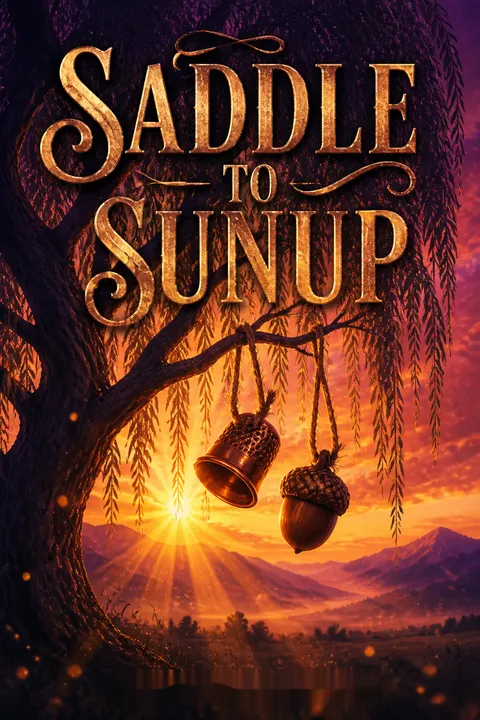
Lawson and Oakley, inseparable since childhood, share a secret world beneath a willow tree, exchanging tokens—a thimble and an acorn—as symbols of their unbreakable bond. Their friendship is a refuge, a Neverland where growing up seems distant. But time presses on, and the fear of change lingers. As adults, both have drifted: Lawson, reeling from divorce, and Oakley, living far from home after a failed relationship. The memory of their childhood promise haunts Lawson, who, feeling the ache of loss and loneliness, decides to reclaim what was lost. He sets out on a cross-country journey, acorn in hand, determined to bring Oakley home and mend the rift time and distance have created.
The Acorn Promise
Lawson arrives unannounced at Oakley's Kansas home, intent on dragging his best friend back to Montana. Oakley is stunned by the intrusion, but Lawson's urgency is clear: Oakley belongs with his chosen family, not alone in exile. The confrontation is raw, exposing old wounds—Oakley's breakup, Lawson's divorce, and the pain of separation. Despite Oakley's resistance, Lawson's stubborn love prevails. The acorn, a relic of their childhood vow, becomes a symbol of the promise Lawson refuses to let die. Oakley, overwhelmed by the force of Lawson's care, finally relents, agreeing to return home, cow and all, to the place where their story began.
Dragged Home Again
As they pack Oakley's life into boxes, the two men navigate the awkwardness of reunion. Old habits resurface—teasing, bickering, and the comfort of shared routines. Yet, beneath the banter, deeper questions simmer: Why did Oakley leave? What is Lawson truly running from? The process of moving becomes a metaphor for sorting through emotional baggage. Oakley's cow, Bell, provides comic relief, but also serves as a reminder of the ties that bind. The day ends with laughter and a sense of tentative hope, but also with the unspoken knowledge that returning home means confronting everything they left behind.
Unpacking Old Wounds
The long drive back to Montana is filled with memories and confessions. Lawson and Oakley reminisce about their shared past, but also confront the pain of recent years—failed relationships, missed milestones, and the ache of absence. The open road becomes a space for honesty, as Lawson admits the depth of his loneliness and Oakley reveals the emptiness he felt away from home. Their banter is laced with vulnerability, and the journey becomes a reckoning with the choices that led them apart. By the time they cross into Montana, both men sense that coming home is only the beginning of their healing.
Road Trip Reckonings
Exhausted, they reach Oakley's old house, now waiting for him. The familiarity is both comforting and unsettling. As they settle in, the boundaries between friendship and something more begin to blur. Lawson's need for Oakley is palpable, and Oakley, in turn, is drawn to the safety and warmth Lawson offers. The night is spent in quiet conversation, confessions tumbling out in the dark. The acorn and thimble, once tokens of innocent promise, now carry the weight of years and longing. Both men sense that their relationship is changing, but neither is ready to name what's growing between them.
Homecoming and Heartache
Oakley's return to the ranch is met with joy and relief from family and friends. Yet, the reunion is bittersweet. Lawson's family, especially his daughter Wendy, welcomes Oakley back with open arms, but the undercurrent of unresolved tension remains. Oakley is reminded of all he left behind, and Lawson is forced to confront the reality of his divorce and the emptiness it left. Amidst the bustle of ranch life, the two men find solace in each other, but also struggle with the fear of disrupting the fragile balance of their chosen family. The question of what they mean to each other grows more urgent.
The Unspoken Question
As summer unfolds, Lawson grapples with questions about his own identity. His marriage to Laura was marked by a lack of passion, and now, free from its constraints, he wonders what he truly wants. Oakley, openly pansexual, becomes both confidant and temptation. Lawson's curiosity about sex with men surfaces, leading to awkward, vulnerable conversations. Oakley, torn between desire and fear of ruining their friendship, hesitates. The unspoken question—could they be more than friends?—hangs between them, charged with possibility and risk. Both are afraid to take the first step, but neither can ignore the pull.
Edges of Desire
The tension between Lawson and Oakley finally breaks. What begins as a conversation about sexual curiosity turns into a night of exploration. Oakley, careful and attentive, becomes Lawson's first male lover. The experience is transformative—Lawson discovers a sense of rightness and pleasure he never knew with his ex-wife. For Oakley, the encounter is both fulfillment and heartbreak, as he realizes how deeply he loves Lawson. In the aftermath, both men are left reeling, unsure of what this means for their future. The line between friendship and love has been crossed, and there is no going back.
The Friendship Faultline
The days that follow are fraught with confusion. Lawson, exhilarated but uncertain, struggles to define his feelings. Oakley, afraid of being just an experiment, pulls back, fearing he will be hurt if Lawson doesn't want more. Their dynamic shifts—intimacy brings both closeness and distance. Family and friends notice the change, and questions arise. Lawson's journey of self-discovery deepens as he explores the possibility of being gay or asexual, seeking advice from his brother Remi. The friendship that once anchored them now feels precarious, as both men yearn for more but are afraid to ask.
Testing the Waters
Lawson, determined to understand himself, considers seeking sex with other men. Oakley, torn between jealousy and protectiveness, offers to help but is visibly unsettled. The prospect of Lawson with someone else forces Oakley to confront his own feelings—he doesn't want to be just a stepping stone. At the last moment, Oakley can't bear the thought and offers himself again. Their second encounter is even more intimate, filled with longing and unspoken love. Yet, the lack of clear communication leaves both men vulnerable, each fearing rejection or abandonment.
Lines Crossed, Hearts Exposed
Life on the ranch and in town continues, with both men navigating their new reality. Oakley's public defense of Wendy at summer camp—turning a moment of shame into education—cements his place in Lawson's family. The community, always watchful, begins to see the depth of their bond. Yet, the lack of labels and clarity gnaws at Oakley, who wants more than secret trysts. Lawson, still processing his sexuality and what he wants, hesitates to define their relationship. The tension builds, threatening to break the fragile happiness they've found.
Naming the Ache
A family dinner becomes the catalyst for confrontation. Lawson, asked if he'll date again, deflects, not realizing Oakley interprets this as a rejection of a future together. Hurt, Oakley ends their physical relationship, unable to bear being just a friend-with-benefits. Lawson, blindsided, is forced to confront his own feelings—he doesn't want anyone but Oakley. In a desperate attempt to fix things, Lawson rushes to find Oakley, only to be involved in a car accident. The near-loss shocks both men into clarity about what truly matters.
Family Ties and Truths
In the aftermath of the accident, Lawson's family rallies around him, and Oakley refuses to leave his side. The crisis strips away all pretense—both men admit their love, their fear of losing each other, and their desire for a life together. Old wounds with exes are addressed, and boundaries are set. Lawson's daughter, Wendy, gives her blessing, recognizing the depth of their bond. The family, after initial confusion, embraces the new reality. The healing process is messy but honest, and for the first time, both men allow themselves to hope for a future together.
The Tampon Tutorial
Oakley's protective nature shines when he turns a moment of teenage embarrassment for Wendy into a teachable, empowering event at summer camp. His willingness to stand up for Lawson's daughter, and by extension Lawson himself, demonstrates the depth of his love and commitment. The community, witnessing this, begins to accept their relationship more openly. The episode becomes a symbol of the new family they are building—one rooted in care, advocacy, and unconditional support.
Campfire Confessions
A camping trip with Wendy and other teens becomes a crucible for Lawson and Oakley's relationship. In the intimacy of a shared tent, they explore new forms of closeness—physical, emotional, and sexual. The boundaries between them dissolve, replaced by a sense of safety and belonging. The night is filled with whispered confessions, laughter, and the comfort of being truly seen. For Lawson, it is a revelation: he is not broken, and love can be both gentle and passionate. For Oakley, it is the fulfillment of a lifelong longing.
The Breaking Point
Despite their growing closeness, a misunderstanding threatens to unravel everything. Oakley, fearing he will never be more than a friend, tries to end things. Lawson, devastated, finally understands the depth of his own feelings and chases after Oakley, determined not to let him go. The confrontation is raw and cathartic, forcing both men to lay bare their fears and desires. The near-tragedy of Lawson's accident becomes the turning point—they choose each other, fully and without reservation.
Crash and Clarity
The aftermath of the crash brings everything into sharp focus. Surrounded by family, Lawson and Oakley are forced to confront the fragility of life and the importance of honesty. Old patterns of avoidance and self-sacrifice are broken. They promise to communicate, to fight for each other, and to build a life together. The acorn, once lost, is replaced by a new promise—one of forever. The healing is not just physical, but emotional and spiritual, as both men step into a new chapter with open hearts.
Healing and Home
With the crisis behind them, Lawson and Oakley begin the work of building a shared life. They move in together, blending routines, families, and dreams. Old wounds with exes are addressed, and boundaries are set. The community, once skeptical, embraces their union. The ranch, once a place of pain and longing, becomes a true home. Together, they navigate the challenges of blending families, facing the future with hope and determination. The acorn and thimble, now joined by new tokens, symbolize a love that has endured and grown.
Promises Renewed
Lawson and Oakley's wedding is a celebration of everything they have overcome. Surrounded by family and friends, they exchange vows beneath the willow tree where it all began. The ceremony is simple but profound, filled with laughter, tears, and the promise of forever. The acorn, once a symbol of lost innocence, becomes a token of enduring love. Their union is not just the fulfillment of a childhood promise, but the beginning of a new adventure—one marked by honesty, vulnerability, and unwavering commitment.
Forever, Finally
Ten years on, Lawson and Oakley's love has only deepened. They have weathered life's storms—parenthood, aging, the challenges of family and community—together. Their home is filled with laughter, warmth, and the quiet magic of everyday life. The acorn and thimble remain, reminders of where they began and how far they have come. As they watch their daughter build a life of her own, they reflect on the journey that brought them here. Their love, once a secret promise beneath a willow tree, is now the foundation of everything they hold dear.
Analysis
Saddle to Sunup is a luminous exploration of queer love, chosen family, and the courage it takes to claim happiness after years of self-denial. Emmy Sanders crafts a narrative that is both deeply romantic and refreshingly grounded, eschewing melodrama for the quiet heroism of vulnerability and everyday devotion. The novel's central metaphor—the acorn and thimble, tokens of a childhood promise—serves as a throughline, reminding readers that the truest magic is found not in escaping adulthood, but in embracing it with open eyes and an open heart. The story's emotional arc is shaped by the protagonists' willingness to confront their own fears, to risk heartbreak for the chance at real connection, and to redefine what family and home can mean. Sanders' portrayal of sexuality is nuanced and affirming, honoring the spectrum of desire and the importance of self-discovery at any age. The supporting cast—especially Wendy and the Darling clan—enriches the narrative, offering both challenge and support. Ultimately, the novel's lesson is clear: love is not a destination, but a journey marked by forgiveness, laughter, and the courage to keep choosing each other, day after day. In a world that often demands we grow up and let go of childish dreams, Saddle to Sunup insists that some promises are worth keeping—and that, with the right person, even the ordinary can become extraordinary.
Review Summary
Saddle to Sunup follows childhood best friends Lawson and Oakley as they navigate a friends-to-lovers romance on a Montana ranch. Readers praised the emotional depth, ace representation, and romantic chemistry between the 40-something MCs. Many loved the Peter Pan metaphor and spicy scenes. However, criticisms included preachy dialogue about sexuality, treatment of Lawson's ex-wife Laura as a villain, excessive filler scenes (particularly involving Bell the pet cow), and lack of meaningful conflict. Some found Lawson's character development inconsistent regarding his asexuality. Overall reactions ranged from swooning romance to frustration with pacing and problematic elements.
People Also Read



Characters
Lawson Darling
Lawson is the emotional anchor of the story—a man shaped by loyalty, responsibility, and a deep longing for connection. As a teacher, father, and eldest brother, he is used to putting others first, often at the expense of his own happiness. His marriage to Laura was marked by a quiet dissatisfaction, a sense of something missing he could never name. Lawson's journey is one of self-discovery: coming to terms with his sexuality, his needs, and his right to joy. His relationship with Oakley is both a return to innocence and a leap into the unknown. Lawson's arc is about learning to ask for what he wants, to trust in love, and to believe that he is worthy of happiness—not just as a friend or father, but as a partner. His love for Oakley is fierce, protective, and ultimately transformative, allowing him to reclaim the magic of his youth and build a future rooted in honesty and vulnerability.
Oakley Beaumont
Oakley is Lawson's mirror and complement—a cowboy with a tender heart, shaped by loss and longing. Openly pansexual, Oakley has always been comfortable with his identity, but not with the depth of his feelings for Lawson. His move to Kansas was an attempt to build a life outside Lawson's orbit, but it left him adrift and unfulfilled. Oakley's greatest fear is being just a stepping stone, a curiosity for Lawson to outgrow. His journey is one of courage: risking his heart, demanding more, and refusing to settle for less than true partnership. Oakley's love is expressed through acts of service, fierce protection (especially of Wendy), and a willingness to be vulnerable. His arc is about claiming his place—not just as Lawson's best friend, but as his equal, his lover, and his home. Oakley's humor, resilience, and unwavering devotion make him the heart of the story.
Wendy Darling
Wendy is Lawson's daughter and Oakley's honorary niece, embodying the next generation's openness and acceptance. She is perceptive, compassionate, and unafraid to speak truth to power—whether defending herself at camp or blessing her father's new relationship. Wendy's presence is a constant reminder of what's at stake: the possibility of family, legacy, and unconditional love. Her acceptance of Oakley as a second father is both a balm and a catalyst, allowing Lawson and Oakley to move forward without fear. Wendy's arc is one of growth, as she navigates her own coming-of-age while supporting the adults around her.
Laura Darling
Laura is Lawson's ex-wife, a woman caught between resentment and regret. Her marriage to Lawson was marked by a lack of passion and growing distance, but she clung to the relationship out of fear and habit. Laura's suspicion of Lawson's feelings for Oakley is both justified and tragic—she senses the depth of their bond but cannot name it. Her arc is one of reluctant acceptance, as she learns to release Lawson and make peace with the past. Laura's presence is a reminder of the cost of living a life that isn't true to oneself.
The Darling Family (Jackson, Colton, Remi, Marigold, Hank)
Lawson's family is a tapestry of personalities—Jackson the stoic rancher, Colton the comic relief, Remi the sensitive youngest, Marigold the matriarch, and Hank the quietly wise father. They provide both comic relief and emotional ballast, challenging Lawson and Oakley to be honest and brave. Their acceptance is hard-won but unwavering, and their meddling is always rooted in love. The family's journey mirrors that of the protagonists: learning to let go, to trust, and to celebrate love in all its forms.
Belladonna (Bell)
Bell, the miniature cow, is more than a pet—she is a living reminder of the ties that bind. Adopted to spare her from slaughter, Bell is both a source of chaos and comfort. Her antics provide levity, but her presence also symbolizes the family Lawson and Oakley have built together. Bell's acceptance into the household mirrors Oakley's own journey from outsider to beloved.
Ash, Noah, and Extended Community
The broader community—Ash, Noah, Virginia, and others—reflects the changing landscape of small-town life. Their acceptance (and occasional resistance) to Lawson and Oakley's relationship provides context and contrast, highlighting the importance of chosen family and the power of visibility. These characters offer support, challenge assumptions, and help Lawson and Oakley claim their place in the world.
Stevie
Stevie, Oakley's ex, is more a presence than a character—representing the relationships that didn't fit, the compromises made, and the pain of leaving. Stevie's absence is a wound, but also a gift, forcing Oakley to confront what he truly wants and deserves.
Elyse
Elyse, Wendy's partner, represents the future—the possibility of love unburdened by secrecy or shame. Her presence in the epilogue is a testament to the progress made, the healing achieved, and the hope that the next generation will have an easier path.
Plot Devices
Childhood Tokens and Promises
The acorn and thimble exchanged in childhood serve as powerful symbols throughout the narrative. They represent innocence, promise, and the belief that some bonds can withstand the passage of time. Their reappearance at pivotal moments—Lawson's journey to retrieve Oakley, the loss and replacement of the acorn, the wedding—anchors the story in a sense of continuity and destiny. These tokens are not just mementos, but plot devices that foreshadow the eventual fulfillment of the childhood vow: "The two of us, forever."
Parallel Structure and Mirroring
The novel employs a parallel structure, with scenes from childhood echoing in adulthood. The willow tree, the exchange of tokens, the act of bringing someone home—all recur, reinforcing the idea that some stories are meant to be lived more than once. This mirroring deepens the emotional resonance and underscores the theme of second chances.
Miscommunication and Reconciliation
Much of the tension arises from miscommunication—Lawson's reluctance to name his feelings, Oakley's fear of being just an experiment, the family's assumptions. These misunderstandings are not contrived, but rooted in genuine fear and longing. The resolution comes not through grand gestures, but through honest conversation, apology, and the willingness to be seen.
Found Family and Community
The ranch, the Darling family, and the broader community serve as both backdrop and catalyst. Their reactions—ranging from confusion to celebration—mirror the protagonists' internal journeys. The family's acceptance is not immediate, but hard-won, reflecting the real challenges of coming out and claiming love in a small town. The community's evolution parallels that of Lawson and Oakley, reinforcing the theme that love, once hidden, can become the foundation of something larger.
Humor and Everyday Magic
The novel balances heavy themes with humor—Bell's antics, Oakley's tampon tutorial, family chaos. These moments of levity are not mere comic relief, but essential to the healing process. The magic Lawson seeks is not found in grand gestures, but in the everyday: a shared meal, a quiet morning, a kiss in the kitchen. The ordinary becomes extraordinary through the lens of love.
Epistolary and Cyclical Closure
The story closes with an epilogue set ten years later, echoing the opening scenes of childhood. The cycle is complete: the lost boys have grown up, but the magic endures. The tokens remain, the family has expanded, and the promise of "forever" is fulfilled—not as a static state, but as an ongoing adventure.
The Darling Brothers Series

Download PDF
Download EPUB
.epub digital book format is ideal for reading ebooks on phones, tablets, and e-readers.








































