
Plot Summary
Village Whispers and Strangers
Littleton Cotterell basks in the rare heat of the 1911 summer, its villagers lulled by routine and the promise of an early harvest. Lady Hardcastle and her loyal maid, Flo Armstrong, stroll through the lanes, exchanging banter and observing the subtle rhythms of village life. Their attention is caught by a striking, enigmatic woman—Grace Chamberlain—who arrives abruptly, seeking a room at the Dog and Duck. Her guarded manner and unfamiliar accent spark curiosity and speculation. The village, with its blend of tradition and gossip, is alive with anticipation, but beneath the surface, old secrets and new tensions simmer, waiting for the right moment to erupt.
The Cider Wardens' Secret
The heart of the village beats in its traditions, none older or more revered than the Weryers of the Pomary—the Cider Wardens. This secretive brotherhood, guardians of the apple orchards and keepers of local charity, gather at the Dog and Duck, their presence both respected and feared. Lady Hardcastle and Flo, ever inquisitive, learn of their rituals, their influence, and the grudges that fester within. The Weryers' meetings, cloaked in secrecy and cider, hint at a deeper, almost mystical connection to the land and its people. Yet, as the cider flows and the harvest approaches, the boundaries between camaraderie and conspiracy blur.
Death in the Orchard
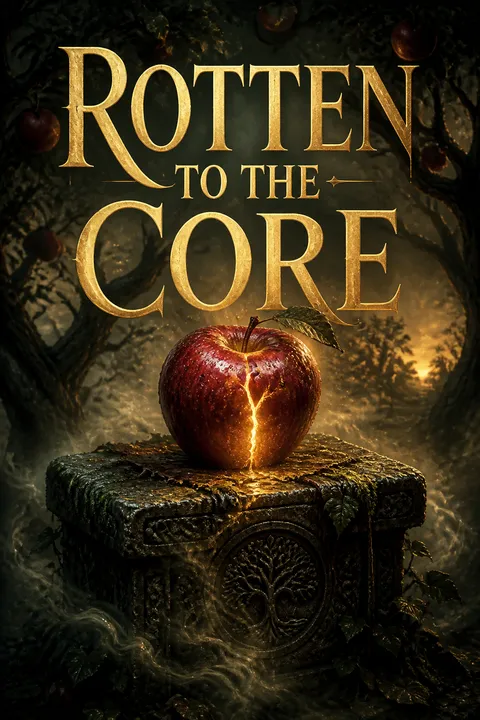
The tranquility of Littleton Cotterell is shattered when Claud Cridland, a respected Weryer and orchard owner, is found dead among his apple trees—stabbed through the heart, an apple grotesquely forced into his mouth. The scene is both brutal and symbolic, echoing ancient rites and personal humiliation. Lady Hardcastle and Flo, drawn into the investigation by the local constabulary, begin to unravel the circumstances of his death. The orchard, once a symbol of abundance, becomes a stage for violence and secrets. The villagers, shocked and fearful, look to the amateur sleuths for answers as suspicion falls on both outsiders and old friends.
The Gathering of Suspects
With the murder fresh in everyone's minds, Lady Hardcastle and Flo compile a list of suspects, focusing on the Weryers and those with ties to Cridland. Each man—Abel Mattick the cider maker, Moses Peppard the cooper, Cornelius Starks the solicitor, and others—harbors secrets, rivalries, or old wounds. The mysterious Grace Chamberlain, whose presence coincides with the murder, becomes a person of interest. As the women probe deeper, they encounter evasions, half-truths, and the peculiar dynamics of village life, where everyone knows everyone, but no one tells all. The investigation reveals a web of relationships, grudges, and ambitions.
Rituals Beneath Apple Trees
Night falls, and Lady Hardcastle and Flo witness a clandestine Weryer ritual in the orchard—a scene of robed men, flickering torches, and solemn chanting in archaic tongues. The ceremony, both comical and sinister, hints at the enduring power of tradition and the lengths to which men will go to preserve it. Missing ceremonial tools—the Sax of the Pomary and the Martel of the Rundlet—raise further questions. The line between harmless pageantry and dangerous secrecy blurs, and the orchard's sacred ground becomes a nexus of suspicion, fear, and potential violence.
The Cooper's Alibi
Moses Peppard, the village cooper and a prominent Weryer, becomes a prime suspect when seen cycling near the orchard on the morning of the murder. Questioned by Lady Hardcastle and Flo, he offers a brazen alibi—an affair with a local farmer's wife. The claim, both shocking and oddly plausible, muddies the waters. Gossip and rumor swirl, implicating others and revealing the tangled personal lives beneath the village's respectable veneer. Yet, as the women dig deeper, they sense that Peppard's confession may be a clever diversion, and the true motive for murder remains elusive.
Old Wounds, New Motives
The investigation uncovers a dark chapter in the village's history: the Weryer Murder of 1891, when one member was hanged for killing another. The anniversary of this event looms, and the parallels to the current crime become impossible to ignore. Old wounds are reopened as Lady Hardcastle and Flo discover that several current Weryers were involved in the original scandal. The possibility of revenge, guilt, or a long-concealed secret driving the present violence becomes increasingly likely. The past, it seems, is not dead—it is not even past.
The Weryer Murder Remembered
Research in local archives and conversations with villagers reveal the details of the 1891 murder: a quarrel, a wrongful conviction, and a community complicit in silence. The witnesses from that trial—now senior Weryers—begin to die, one by one, each murder marked by symbolic objects tied to the old crime. The pattern is clear: someone is avenging the injustice of the past, using ritual and murder to settle old scores. Lady Hardcastle and Flo race to identify the next target and the killer's true identity before the cycle of vengeance claims another life.
A Web of Lies
As the body count rises—Peppard bludgeoned, Mattick drowned in cider—the investigation accelerates. Alibis crumble, and the women confront the possibility that the killer is not an outsider, but one of the village's own. The Uzzles, publicans with secrets of their own, come under suspicion. Grace Chamberlain's true identity is revealed: she is Grace Hardiman, daughter of the man hanged in 1891. Her quest for truth and justice collides with the killer's desperate need to keep the past buried. The village's web of lies tightens, threatening to ensnare the innocent and guilty alike.
The Missing Witnesses
With the anniversary of the old murder approaching, the remaining witnesses—now potential victims—are in grave danger. Lady Hardcastle and Flo, aided by the police and their own network of informants, scramble to protect them. But the killer is always one step ahead, manipulating events and exploiting the village's insularity. A confrontation at the cidery brings the truth into the open: the murders are the work of those most desperate to conceal their guilt, orchestrated by the Uzzles to protect themselves and their legacy. The final showdown is both harrowing and cathartic.
The Truth in the Cidery
Trapped and threatened with death in the cider press, Lady Hardcastle and Flo face the Uzzles' deadly plot. Grace, nearly hanged, is rescued in a tense, violent struggle. The truth spills out: the Uzzles orchestrated the murders to silence those who might reveal their role in the 1891 crime. Their motives—love, fear, and pride—are laid bare. The police arrive in time to prevent further tragedy, and justice, at last, is served. The village, though scarred, begins to heal as the cycle of violence is broken.
The Final Harvest Festival
With the killers unmasked and the threat lifted, Littleton Cotterell prepares for the Harvest Festival. The village, united in relief and remembrance, celebrates with music, dance, and feasting. The Weryers, diminished but enduring, perform their ancient dance, and the community reclaims its traditions from the shadow of violence. Lady Hardcastle and Flo, weary but triumphant, reflect on the resilience of the village and the enduring power of truth. Grace, her father's name cleared, finds a measure of peace and belonging.
Justice and New Beginnings
In the aftermath, the village settles into a new equilibrium. The Uzzles face justice, and the surviving Weryers contemplate the future of their order. Lady Hardcastle and Flo, their friendship deepened by adversity, look forward to quieter days—though both know that peace in Littleton Cotterell is always temporary. Grace departs, her quest fulfilled, but the bonds forged in crisis remain. The story ends with a sense of closure and the promise of renewal, as the village, and its guardians, prepare for whatever mysteries the future may bring.
Analysis
A meditation on tradition, justice, and the cost of silenceRotten to the Core is more than a cozy village mystery; it is a nuanced exploration of how communities are shaped by their histories—both celebrated and suppressed. The novel interrogates the power of tradition, the dangers of insularity, and the corrosive effects of secrets left to fester. Through the lens of murder and investigation, Kinsey examines the ways in which justice can be both served and subverted by those in power, and how the quest for truth often requires the courage to confront uncomfortable legacies. The partnership of Lady Hardcastle and Flo embodies the virtues of empathy, resilience, and critical thinking, offering a model for navigating a world where appearances deceive and the past is never truly past. Ultimately, the story affirms the possibility of renewal and reconciliation, suggesting that even the most rotten core can, with honesty and courage, give way to new growth.
Characters
Lady Emily Hardcastle
Lady Hardcastle is a widow of adventurous spirit, blending aristocratic poise with a mischievous disregard for convention. Her past as a government agent and world traveler gives her a unique perspective on village life and crime. She is fiercely loyal to Flo, her maid and confidante, and approaches mysteries with a blend of logic, intuition, and irreverent humor. Psychologically, she thrives on challenge and thrives in the liminal space between insider and outsider. Over the course of the story, her empathy and sense of justice deepen, as she confronts the consequences of old secrets and the fragility of community trust.
Florence "Flo" Armstrong
Flo is more than a servant—she is Lady Hardcastle's partner in detection and life. Raised in a circus and seasoned by hardship, Flo brings practical skills, keen observation, and emotional intelligence to every investigation. Her relationship with Lady Hardcastle is one of mutual respect and affection, marked by banter and deep trust. Flo's psychological resilience is tested by the violence and moral ambiguity of the case, but her compassion and sense of right ultimately guide her. She is the story's anchor, connecting the high drama of murder to the everyday realities of village life.
Grace Chamberlain / Grace Hardiman
Grace arrives in Littleton Cotterell as a mysterious stranger, her beauty and reserve setting her apart. Beneath her guarded exterior lies a woman driven by grief and a need for vindication—her father was hanged for a crime he did not commit. Her quest for truth is both personal and symbolic, representing the unresolved traumas of the village. Grace's psychological journey moves from suspicion and isolation to trust and catharsis, as she finds allies in Lady Hardcastle and Flo and confronts the legacy of injustice.
Griffith Uzzle
Uzzle is the landlord of the Mock of Pommey, outwardly genial but inwardly conflicted. His marriage to the formidable Betty Uzzle is both a source of strength and a prison. Uzzle's role in the original Weryer Murder and his complicity in the present crimes reveal a man torn between loyalty, fear, and self-preservation. Psychologically, he is weak-willed, easily manipulated by his wife, and ultimately undone by his inability to confront the truth. His arc is one of tragic downfall, as his past sins catch up with him.
Betty Uzzle
Betty is the true power behind the Mock of Pommey, her will dominating both her husband and the village. She is fiercely protective of her secrets and will stop at nothing to preserve her reputation and control. Betty's psychological makeup is a blend of pride, cunning, and suppressed guilt. Her manipulation of Uzzle and orchestration of the murders reveal a capacity for cruelty masked by respectability. Her eventual exposure and arrest are both a personal and symbolic reckoning.
Abel Mattick
Mattick is respected for his skill and dedication to the craft of cider making. His friendship with Cridland and involvement in the Weryers place him at the center of the village's social and economic life. Psychologically, Mattick is conscientious but burdened by the weight of tradition and the expectations of his peers. His murder is both a personal tragedy and a turning point in the unraveling of the Weryers' secrets.
Moses Peppard
Peppard is a craftsman of strength and reputation, known for his plain speaking and rumored affairs. His alibi and subsequent murder complicate the investigation, revealing the dangers of half-truths and the vulnerability of even the most robust personalities. Psychologically, Peppard is both proud and reckless, his bravado masking deeper insecurities.
Cornelius Starks
Starks is the High Protector of the Weryers, a man more comfortable with paperwork than power. His reluctance to confront the order's darker history and his desire for a quiet retirement make him both a suspect and a victim of circumstance. Psychologically, Starks embodies the dangers of complacency and the moral cost of silence.
Cissy Slocomb
Cissy is the dairyman's daughter, known for her humor and ability to gather gossip. She serves as a bridge between the investigators and the village, her insights and connections proving invaluable. Psychologically, Cissy is resilient, adaptable, and fiercely loyal to her friends.
Inspector Sunderland
Sunderland represents the official face of justice, but he is wise enough to value Lady Hardcastle and Flo's unconventional methods. His psychological steadiness and humility allow him to navigate the complexities of village politics and personal loyalties. He grows to trust the women's instincts, recognizing the limits of traditional policing in a world shaped by secrets and tradition.
Plot Devices
Ritual and Symbolism
The narrative is structured around the interplay of ancient ritual and modern crime. Each murder is marked by symbolic objects—an apple, salt and pepper pots, a bottle of elixir—each referencing the original Weryer Murder and its anniversary. The use of ritual both as a red herring and as a genuine clue blurs the line between superstition and motive, inviting readers to decode the meaning behind each act. The ceremonial tools—the Sax of the Pomary and the Martel of the Rundlet—serve as both literal weapons and metaphors for the enduring power of tradition.
Closed Community and Outsider Intrusion
The insular nature of Littleton Cotterell, with its web of relationships and unspoken rules, creates both a barrier to investigation and a crucible for conflict. The arrival of Grace Chamberlain disrupts the equilibrium, forcing old secrets to the surface. The narrative structure leverages the classic "closed circle" mystery, where every suspect is both known and unknowable, and the outsider's perspective is both threatening and redemptive.
Dual Investigators and Narrative Voice
The story's heart lies in the partnership between Lady Hardcastle and Flo, whose contrasting backgrounds and complementary skills drive both the investigation and the emotional arc. Their banter provides levity, while their differing approaches—intuition versus pragmatism—allow for multiple angles of inquiry. The narrative voice, blending humor and pathos, invites readers to engage both intellectually and emotionally.
Foreshadowing and Red Herrings
The plot is rich with foreshadowing—early mentions of the Weryer Murder, the significance of ritual objects, and the tensions within the Weryers all point to the eventual solution. Red herrings abound: Peppard's alibi, Grace's suspicious behavior, and the village's penchant for gossip all serve to mislead both characters and readers. The gradual revelation of motives and connections mirrors the process of uncovering buried truths.
Download PDF
Download EPUB
.epub digital book format is ideal for reading ebooks on phones, tablets, and e-readers.








































