
Plot Summary
Ashes and Chains
Ashbury, once a thriving kingdom, now lies in ruin, its people starving and shrouded in a haze of heat and ash. The Cinder Faeries, powerful beings forced to mine coal for a neighboring king, are both the town's curse and its only hope for survival. Elora, the last daughter of Ashbury's fallen line, lives in poverty under the thumb of her cruel stepmother, Regina, and her stepsisters. Her only solace is her friendship with Azrea, a Cinder Faerie, and her secret knowledge of a magical spring hidden in the mountains. The town's survival depends on a fragile bargain: coal for protection, life in exchange for servitude. Elora's dreams of freedom are as fragile as the ash that coats her world.
The Keeper's Daughter
Elora, orphaned and impoverished, is forced into servitude by her stepfamily after her father's mysterious death. She is the daughter of the former Keeper of the Faeries, a role that grants her rare access to the Cinder Faeries, especially Azrea and the enigmatic warrior Cedric. Despite the town's suspicion and the faeries' guardedness, Elora finds kinship and hope among them. Yet, her position is precarious—her stepmother's ambitions and the king's manipulations threaten to strip her of even this small comfort. Elora's daily life is a struggle for dignity, food, and warmth, but her spirit remains unbroken, fueled by memories of her parents and the secret spring's promise.
Bargains and Betrayals
Regina, desperate to restore her family's fortune, hatches a plan: Elora must seduce and marry Prince Finnian, the king's heir. The prince, notorious for his coldness and rumored affairs, is the kingdom's most eligible bachelor. Elora is repulsed by the idea but recognizes the opportunity to help her people. Meanwhile, the king's true motives are revealed—he seeks to control the faeries and Ashbury through Elora, using her as a pawn in a larger game. Elora's agency is tested as she is forced to navigate court politics, her stepmother's machinations, and her own growing feelings for the faeries and the prince.
The Cinder Faeries' Secret
Elora's bond with Azrea deepens, and she learns the faeries' greatest secret: they are not just prisoners, but exiles, hiding from a greater threat. Azrea is pregnant, a rare and dangerous event among the fae, and the faeries' time in Ashbury is running out. Elora's longing for agency leads her to the enchanted spring, where she is tempted by the promise of faerie magic. The faeries warn her of the dangers, but desperation and hope drive her to risk everything. The spring's magic is not what it seems, and the price for power is higher than Elora can imagine.
A Kingdom of Hunger
As Ashbury's hunger grows, so does Elora's resolve. She bargains with the faeries, dreams of escape, and flirts with danger—both in the form of Cedric's forbidden affection and the prince's unexpected attention. The town's suffering is mirrored in Elora's own body, frail and starved, yet her spirit is fierce. The king's cruelty becomes more apparent, and the threat of violence looms. Elora's choices become more dangerous, and her heart is pulled in conflicting directions: loyalty to her people, her faerie friends, and the prince she is supposed to ensnare.
The Prince's Game
Prince Finnian, jaded and burdened by his father's tyranny, is forced to play the role of dutiful heir. He is drawn to Elora's defiance and honesty, even as he is ordered to use her to control the faeries. Their first encounters are fraught with tension, banter, and mutual distrust, but a slow, reluctant attraction grows. Finnian's family is fractured—his sister Irina is rebellious, his mother Honora broken by the king's cruelty. The prince's own secrets and wounds are revealed, and he finds in Elora a kindred spirit, someone who challenges him to hope for more.
The Ball and the Bargain
At the royal ball, Elora is thrust into the glittering, dangerous world of Pumpkin Hollow. She is transformed by magic and courage, catching the eye of the prince and the envy of the court. The king's true intentions are revealed: Elora is to be married to Finnian, her freedom and future signed away in a blood bargain. The prince and Elora are both trapped by duty and desire, forced into an engagement that is both a lifeline and a prison. Their slow-burn romance ignites, but the cost of their union is steep—Elora's agency, Finnian's loyalty, and the faeries' freedom all hang in the balance.
Wishing Spring's Price
Desperate for the confidence to survive court and win the prince, Elora drinks from the enchanted spring, not knowing it is a looking-glass spell that binds her to a cursed, ancient fae. The magic grants her strength but begins to drain her life, haunting her with nightmares and visions. The faeries' betrayal is revealed: Dolfe, Azrea's mate, used Elora as bait to track the deadly Heart Dove, a fae who feeds on hearts. Elora's sacrifice becomes literal—her heart is the price for the magic, and her time is running out. Only a faerie Healer can save her, but the faeries' own survival depends on escape.
The Slow Burn
Elora and Finnian's relationship deepens through banter, shared pain, and stolen moments. Both are scarred by betrayal and loss, but together they find hope and passion. Their love is forbidden, fraught with jealousy, secrets, and the ever-present threat of the king's wrath. As they navigate court intrigue, family trauma, and the looming war, their bond is tested again and again. The slow burn of their romance is both a comfort and a danger, for loving each other may be the most perilous choice of all.
The King's Collection
Jasper, the king, reveals his true nature—a collector of heads, a master of manipulation, and a tyrant who uses love as a weapon. Elora is forced to sign a blood oath: bear an heir or die. Finnian's own secrets are revealed—he cannot father children, a truth that shatters Elora's hope and nearly destroys their trust. The king's cruelty escalates, and the threat of execution hangs over them all. Betrayals come from every side—Regina, the stepmother, is revealed as a traitor, and the faeries' own bargains come due. The cost of rebellion is blood, and the price may be Elora's life.
Shattered Loyalties
As the faeries prepare to escape, Finnian and Elora risk everything to free them and arm the rebels of Hogsfeet. The king's army marches on Ashbury, and the bridge between kingdoms becomes a battlefield. Friends and family are lost, and the cost of freedom is steep. Elora's own brother, long hidden, is revealed among the rebels. The final confrontation with the king is brutal and bloody, and the lines between love and loyalty, duty and desire, are shattered. Elora's sacrifice becomes the catalyst for change, but the price is her own life.
The Bridge Fractures
In a desperate act, Elora shatters the magical glass bridge, breaking the king's power and unleashing the magic trapped beneath. The pumpkins, the symbol of the king's greed, erupt in chaos, and the faeries return to burn away the last of the king's army. Elora falls, her body broken, her heart nearly spent. Finnian dives after her, refusing to let her go, but the magic that once saved her now threatens to claim her forever. The kingdom is left in ruins, but the chains of tyranny are finally broken.
The Fall and the Phoenix
Elora's body is shattered, her heart nearly gone, but the faeries return with a Healer. To save her, Finnian must make the ultimate sacrifice—he dies with her, and both are reborn as fae. Elora becomes the Phoenix, the new leader of the Cinder Faeries, and Finnian is made a Healer, their souls bound as mates. Their love, once forbidden and fraught with pain, becomes the source of new magic and hope. The cost of freedom is high, but together they rise from the ashes, changed and powerful.
The End of Tyranny
With the king dead and the old order destroyed, Finnian and Irina take vengeance on those who betrayed them. Regina is cast into the abyss, and the last of the king's loyalists are defeated. The kingdom is left in ruins, but the survivors are free to rebuild. The faeries, once prisoners, are now allies, and the bonds of love and loyalty are reforged. The cost of victory is heavy, but the promise of a new dawn is real.
A New Dawn Rising
In the aftermath, Finnian and Elora, now fae and mates, begin to heal the wounds of the past. The kingdom is rebuilt, not on fear and bargains, but on hope and love. The faeries are free, the people of Ashbury are restored, and the chains of tyranny are broken. Elora, once the fallen princess, rises as the Phoenix, a symbol of rebirth and change. Finnian, once the reluctant prince, becomes a healer and a true partner. Together, they face the future—not as pawns, but as the authors of their own story.
Analysis
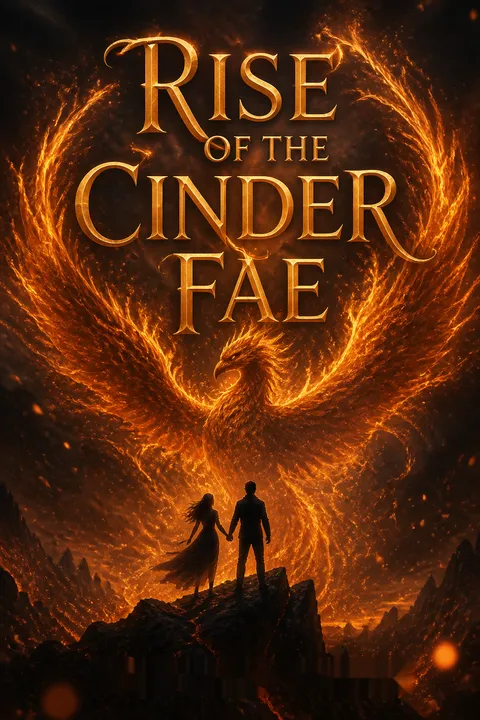
Rise of the Cinder Fae is a dark, romantic fantasy that reimagines the Cinderella myth as a story of trauma, agency, and the cost of freedom
At its heart, the novel is about the power of love—not just romantic, but familial, communal, and self-love—to heal wounds and break chains. The story interrogates the dangers of bargains, the trauma of abuse, and the ways in which power is wielded and reclaimed. Elora's journey from pawn to Phoenix is a testament to resilience: she is not saved by magic or a prince, but by her own courage, her willingness to sacrifice, and her refusal to be defined by others' cruelty. Finnian's arc is one of redemption, learning to trust and to fight for something greater than himself. The novel's use of dual POV, slow-burn romance, and rich symbolism creates a tapestry of emotion and meaning, inviting readers to reflect on the ways in which we are all shaped by the bargains we make—and the hope that, even in the ashes, we can rise again. The ultimate lesson is that freedom is not given, but fought for; love is not a weakness, but the greatest source of strength; and even the most broken can become the authors of their own story.
People Also Read
Characters
Elora
Elora is the last daughter of Ashbury's fallen line, orphaned and forced into servitude by her stepfamily. She is defined by her compassion, stubbornness, and a deep sense of responsibility for her people. Her relationships—with Azrea, Cedric, and eventually Finnian—are marked by loyalty and longing for connection. Psychologically, Elora is shaped by trauma, deprivation, and the constant threat of violence, yet she remains hopeful and defiant. Her journey is one of agency: from pawn to player, from victim to leader. Her greatest sacrifice—offering her heart, literally and figuratively—becomes her salvation, as she is reborn as the Phoenix, the new leader of the Cinder Faeries. Her love for Finnian is transformative, healing old wounds and forging a new future.
Finnian
Prince Finnian is the reluctant heir to Pumpkin Hollow, scarred by his father's tyranny and his own inability to protect those he loves. He is jaded, witty, and fiercely protective, hiding vulnerability behind arrogance and banter. His relationship with Elora is a slow burn, marked by mutual distrust, passion, and eventual devotion. Psychologically, Finnian is shaped by trauma—his father's cruelty, the loss of friends, and the burden of impossible expectations. His arc is one of redemption: learning to trust, to love, and to fight for something greater than himself. His ultimate sacrifice—dying to save Elora and being reborn as her mate—cements his transformation from pawn to partner, from prince to healer.
Azrea
Azrea is a Cinder Faerie and Elora's closest friend, a maternal figure who guides and protects her. She is fiercely loyal to her mate, Dolfe, and her people, but her own secrets—her pregnancy, her role in the faeries' exile, and her complicity in Elora's suffering—haunt her. Psychologically, Azrea is torn between duty and love, survival and sacrifice. Her arc is one of atonement: risking everything to save Elora and her unborn child, and ultimately helping to forge a new alliance between fae and human.
Dolfe
Dolfe is the unofficial leader of the Cinder Faeries, Azrea's mate, and a figure of both strength and regret. He is driven by love for Azrea and the need to protect his people, but his choices—using Elora as bait, burning her father's body—are fraught with guilt. Psychologically, Dolfe is a study in the cost of leadership: the sacrifices made, the lines crossed, and the hope for redemption. His willingness to risk everything for Azrea and Elora marks his growth from hardened survivor to ally.
Cedric
Cedric is a Cinder Faerie warrior, Dolfe's brother, and Elora's would-be suitor. He is defined by his quiet strength, his forbidden affection for Elora, and his struggle to find belonging. Psychologically, Cedric is marked by loneliness and the pain of unrequited love, but his loyalty to Elora and his people never wavers. His arc is one of acceptance: letting go of Elora, helping to save her, and finding his own place in the new order.
Irina
Irina is Finnian's younger sister, a princess who refuses to be a pawn in her father's games. She is witty, resourceful, and unafraid to break the rules, forming alliances with outcasts and rebels. Psychologically, Irina is shaped by isolation, rumors about her parentage, and the need to protect her brother and mother. Her arc is one of self-assertion: choosing love on her own terms, helping to orchestrate the rebellion, and finally finding freedom with Massimo.
Honora
Honora is the queen, Finnian and Irina's mother, and a survivor of decades of abuse. She is gentle, wise, and deeply loving, but her spirit has been battered by the king's cruelty. Psychologically, Honora is marked by trauma and regret, but her love for her children gives her strength. Her arc is one of quiet resistance: helping to orchestrate the rebellion, supporting Elora, and finally seeing her family freed from tyranny.
Jasper (The King)
Jasper is the king of Pumpkin Hollow, a collector of heads and a master of psychological warfare. He uses love as a weapon, pitting his family against each other and ruling through fear. Psychologically, Jasper is a study in narcissism and sadism, driven by greed, insecurity, and the need to possess. His downfall is brought about by his own hubris and the courage of those he sought to control.
Regina
Regina is Elora's stepmother, a woman driven by envy, ambition, and resentment. She manipulates Elora, bargains with the king, and betrays everyone for her own gain. Psychologically, Regina is shaped by insecurity and the need for power, but her schemes ultimately lead to her own destruction. Her arc is a cautionary tale of the cost of cruelty.
The Heart Dove
The Heart Dove is an ancient, cursed fae who feeds on hearts and haunts Elora's dreams. He is both a literal and symbolic threat—the price of magic, the danger of bargains, and the embodiment of trauma. Psychologically, he represents the wounds that cannot be healed by power alone. His defeat is not just a victory over evil, but a reclaiming of agency and hope.
Plot Devices
Blood Bargains and Oaths
The narrative is structured around bargains—literal and metaphorical. Blood oaths, contracts, and promises are used to control, manipulate, and bind characters to fates not of their choosing. These bargains drive the plot, from Elora's forced engagement to the king's demand for an heir, to the faeries' own bargains for survival. The cost of agency is a recurring theme: every choice comes with a price, and the true test is whether characters can reclaim their power.
Enchanted Objects and Magic
Magic is both a source of hope and a curse. The enchanted spring, the looking-glass spell, and the faeries' own powers are double-edged swords—offering strength, but demanding sacrifice. Magic is used to explore themes of agency, trauma, and the cost of desire. The consequences of using magic are foreshadowed throughout, culminating in Elora's near-death and rebirth.
Enemies to Lovers / Slow Burn Romance
The central romance between Elora and Finnian is a classic enemies-to-lovers arc, built on banter, mutual distrust, and slow, hard-won vulnerability. Their relationship is the emotional core of the story, providing both comfort and conflict. The slow burn is used to explore themes of trust, healing, and the transformative power of love.
Dual POV and Interwoven Narratives
The story alternates between Elora and Finnian's perspectives, allowing readers to experience both the external plot and the internal emotional journeys. This duality deepens empathy, heightens tension, and allows for dramatic irony—readers know secrets before the characters do, increasing suspense and emotional impact.
Foreshadowing and Symbolism
The narrative is rich with foreshadowing and symbolism: ash and fire represent both destruction and rebirth; pumpkins symbolize the king's greed and the kingdom's curse; the phoenix is a symbol of hope, change, and the power of rising from the ashes. These motifs are woven throughout, culminating in Elora's transformation and the kingdom's renewal.
Dark Hearts Fairytale Retellings Series
Download PDF
Download EPUB
.epub digital book format is ideal for reading ebooks on phones, tablets, and e-readers.








































