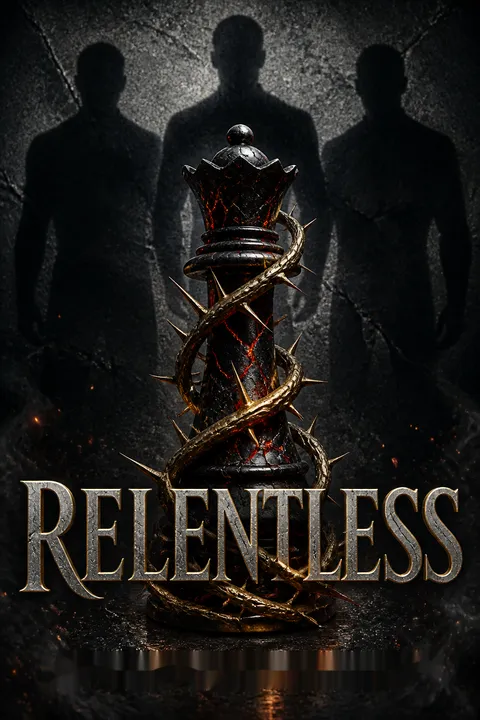

Plot Summary
Awakening in the Lion's Den
She emerges from drugged sleep to find herself in a lavish bedroom, far from the cold cell she's known. The comfort is jarring, a stark contrast to her captivity. As she tries to piece together what happened, she's haunted by nightmares of past abuse and betrayal, her body aching and her mind clouded. The men who hold her—Reid, JD, and the absent Maverick—are both her captors and her only tenuous link to survival. The room is a cage of a different kind, and Alana's instinct to fight is tempered by exhaustion and the knowledge that resistance is futile. Yet, even in this gilded prison, her spirit refuses to break, and the first seeds of defiance and hope begin to stir.
Games of Power and Survival
Overhearing JD and Reid, she realizes her captivity is more than punishment—it's entertainment, a contest of dominance and desire. The men's banter reveals her role as a prize, their concern for her health laced with possessiveness and rivalry. Alana's sense of self fractures as she's forced to confront her own complicity in their twisted games, her longing for connection warring with her need for escape. The boundaries between captor and captive blur, and Alana's fight becomes as much against her own heart as against her jailers. The game is rigged, but she refuses to play by their rules.
Poisoned Trust, Fractured Hearts
After a dinner gone wrong—her seafood allergy nearly killing her—Alana glimpses guilt and fear in her captors. JD's panic and Reid's rare remorse reveal cracks in their armor. The incident becomes a catalyst, forcing all to confront the reality of their entanglement. Alana's brush with death is both a weapon and a wound, deepening the psychological warfare. Trust is poisoned, but so is the illusion of control. The men's need for her is no longer just physical; it's emotional, obsessive, and dangerous. Alana, for the first time, senses her own power.
The Pawn's Awakening
As she recovers, Alana tests the boundaries of her new "freedom." She explores the manor, searching for weaknesses, and begins to see the men not as monsters, but as broken boys playing at being kings. Her interactions with JD and Reid become more charged, laced with both threat and longing. She recognizes the game for what it is—and starts to play back. The lines between victim and survivor blur, and Alana's resilience becomes her greatest weapon. She is no longer just a pawn; she is a player, and the stakes are higher than ever.
Broken Boys, Haunted Men
JD's struggle with self-harm and addiction, Reid's legacy of violence, and Maverick's absence all haunt the house. Their bravado masks deep wounds, and Alana becomes both their confessor and their temptation. The men's rivalry intensifies, each vying for her attention and forgiveness. Alana, caught in the crossfire, is forced to confront her own trauma and the possibility of desire amid darkness. The house becomes a crucible, forging new bonds even as old scars threaten to tear them apart.
Secrets, Scars, and Surrender
Alana's secrets—her abuse, her role as Victor's pawn, her love for Maverick—come to light. The men's reactions are as varied as their wounds: JD's compassion, Reid's rage, Maverick's heartbreak. The truth is both a balm and a blade, cutting through lies but leaving everyone raw. Alana's willingness to bare her scars becomes a turning point, shifting the power dynamic. The men are forced to choose: continue the cycle of violence, or risk vulnerability for something real. Surrender, in all its forms, becomes the only path forward.
The Bet and the Betrayal
The men's rivalry over Alana explodes into open conflict, their need for her eclipsing reason. JD's reckless passion, Reid's cold control, and Maverick's tortured love collide in a night of confessions, accusations, and desperate sex. Alana is both worshipped and shamed, her body a battleground for their unresolved pain. The bet—who will win her first—becomes meaningless as the true stakes emerge: not just possession, but redemption. Betrayal is inevitable, but so is the possibility of forgiveness.
Nightmares and New Alliances
Alana's nightmares become a shared torment, drawing the men into her pain. In the darkness, old enemies become allies, and the house becomes a sanctuary of sorts. Maverick's return upends the fragile peace, forcing everyone to confront what they truly want—and what they're willing to risk. The alliance is uneasy, but necessity breeds trust. Together, they begin to plot not just survival, but revenge.
The Cell Below, the Bed Above
Maverick's imprisonment mirrors Alana's earlier ordeal, and the house becomes a stage for shifting loyalties. Alana's relationships with each man deepen, desire and guilt entwined. Sex becomes both escape and confrontation, a way to reclaim agency and to punish. The cell below and the bed above are two sides of the same coin: places of pain, but also of transformation. The past cannot be undone, but the future is still unwritten.
The Husband's Return
Alana and Maverick's long-awaited reunion is fraught with jealousy, shame, and longing. The scars of the past—her abuse, his absence, their mutual betrayals—threaten to destroy what little they have left. Yet, in each other's arms, they find a fragile peace. The other men's presence complicates everything, but also offers the possibility of something new: a family forged in fire, bound by choice rather than blood.
Tangled in Desire and Guilt
The house becomes a pressure cooker of emotion, each relationship tested by secrets and desire. Alana's need for all three men is both her strength and her curse. Maverick's struggle to accept her past, JD's fear of abandonment, and Reid's refusal to admit his feelings create a web of tension. Guilt and pleasure are inseparable, and every touch is a negotiation. The only certainty is that nothing will ever be the same.
Confessions and Confrontations
Alana's full story—her abuse, her role in Victor's schemes, her love for Maverick—comes out. The men are forced to confront their own complicity and the limits of their forgiveness. Reid's rage, JD's heartbreak, and Maverick's despair threaten to tear them apart. Yet, in the crucible of confession, a new understanding emerges. The only way forward is together, and the first steps toward justice are taken.
The Truth That Burns
With the truth revealed, the group unites against a common enemy: Victor and the corrupt system he represents. Plans are made, alliances forged, and old rivalries set aside. The cost of vengeance is high, and not everyone will survive unscathed. Alana's pain becomes a weapon, her scars a map to the enemy's heart. The fire of retribution burns bright, but threatens to consume them all.
The Unholy Trinity
The three men—Reid, JD, and Maverick—are forced to confront their feelings for Alana and for each other. The boundaries of love and loyalty are tested as they navigate a relationship that defies convention. Sex becomes a language of both healing and domination, and the house is transformed into a place of both sanctuary and danger. Together, they are unstoppable; apart, they are lost.
The King's Visit
The fragile peace is shattered when Victor comes to the manor, suspicion and threat in every word. The group's secrets are nearly exposed, and the stakes are raised. Every gesture, every word is a test, and the cost of failure is death. The house becomes a fortress, but the enemy is already inside. The war for Harrow Creek has begun.
The Storm Before the War
In the aftermath of Victor's visit, paranoia and fear take hold. Plans are made in secret, alliances tested, and every relationship is strained to the breaking point. The group is united by necessity, but divided by desire and doubt. The storm is coming, and not everyone will survive. The only certainty is that the old world is ending, and a new one is about to be born.
The Dance of Three
In a night of passion and pain, Alana, JD, and Maverick give in to their desires, forging a bond that is both unbreakable and dangerous. The boundaries between love and hate, pleasure and punishment, are obliterated. The dance of three is both a celebration and a warning: together, they are stronger, but also more vulnerable. The future is uncertain, but for the first time, hope is real.
The Edge of Freedom
As the group prepares for the final confrontation, the possibility of freedom becomes tangible. Alana and Maverick plan their escape, torn between the safety of the house and the need for vengeance. JD and Reid are left behind, their own futures uncertain. The past cannot be undone, but the future is theirs to claim—if they survive the coming war.
Analysis
Relentless is a dark, unflinching exploration of trauma, power, and the possibility of healing in the most unlikely of places. Tracy Lorraine's narrative is both a subversion and an intensification of the captive romance genre, using the trappings of violence and desire to interrogate deeper questions of agency, consent, and survival. The story's emotional arc is one of transformation: Alana's journey from pawn to queen, the men's evolution from captors to allies, and the group's emergence as an unconventional family forged in fire. The book's lessons are hard-won: that pain can be both a weapon and a wound, that love is possible even in the darkest places, and that justice is worth any cost. In a world defined by cycles of abuse and betrayal, Relentless offers a vision of hope—not as a promise of safety, but as the courage to fight for something better. The story's power lies in its refusal to flinch from the realities of trauma, its willingness to embrace complexity, and its insistence that even the most broken can be made whole.
Review Summary
Relentless, the second book in Tracy Lorraine's Harrow Creek Hawks series, continues immediately after the first book's cliffhanger. Readers praise the developing "why choose" romance between Alana and three men: Reid, JD, and Maverick. While slower-paced than book one with less action, the story focuses on character growth and steamy scenes. Reviewers highlight intense chemistry, particularly between Reid and Alana, and praise JD's charm despite his darkness. The cliffhanger ending leaves readers desperate for book three. Most rate it 4-5 stars, calling it addictive, emotional, and spicy.
Characters
Alana Murray
Alana is the emotional and narrative center of the story—a woman forged in trauma, but unbroken. Raised in a world of abuse and exploitation, she is both victim and fighter, her spirit refusing to yield even when her body is caged. Her relationships with Reid, JD, and Maverick are complex: she is their obsession, their confessor, and their equal. Alana's psychological journey is one of reclaiming agency, learning to wield her pain as power, and daring to hope for love and justice. Her development is marked by resilience, vulnerability, and a fierce refusal to be defined by her past. She is the catalyst for change, the missing piece in a puzzle of violence and redemption.
Reid Harris
Reid is the dark heart of Harrow Creek—a man shaped by violence, control, and the impossible expectations of his father, Victor. Outwardly cold, ruthless, and calculating, he is driven by a need for power and a secret longing for connection. His relationship with Alana is a battleground of dominance and desire, but also a mirror for his own brokenness. Reid's psychoanalysis reveals a man at war with himself: desperate to escape his father's shadow, yet terrified of vulnerability. His development is a slow, painful journey toward empathy, trust, and the possibility of love. He is both captor and savior, his fate entwined with Alana's in ways he cannot control.
JD (Julian Dempsey)
JD is the house's wild card—a man who masks his pain with humor, sex, and bravado. Beneath the surface, he battles addiction, self-harm, and a profound fear of abandonment. His connection to Alana is immediate and intense, a mix of lust, compassion, and desperate need. JD's rivalry with Reid is both playful and deadly, each man seeing in the other what he fears in himself. JD's psychological arc is one of self-acceptance, learning to find worth beyond pleasure and pain, and risking his heart for something real. He is the story's conscience, its comic relief, and its most tragic figure.
Maverick Murray (Mav)
Maverick is Alana's husband and her would-be savior—a man who has sacrificed everything to keep her safe, yet is haunted by his own failures. His love for Alana is both his strength and his undoing, driving him to acts of violence and tenderness alike. Maverick's struggle is with shame: for not being enough, for not saving her sooner, for wanting her in ways he fears are wrong. His development is a journey from self-loathing to acceptance, learning to share Alana with others and to forgive himself. He is the story's anchor, its moral center, and its most wounded heart.
Victor Harris
Victor is the unseen hand behind every cruelty in Harrow Creek—a man who rules through fear, manipulation, and absolute control. He is both a symbol and a character: the embodiment of generational trauma, toxic masculinity, and the corrupt systems that enable abuse. Victor's relationship with Reid is a study in psychological warfare, his presence a constant threat. He is the story's antagonist, but also its warning: the cost of unchecked power and the necessity of rebellion.
Kristie
Kristie is Alana's younger sister, sold into trafficking and presumed lost. Her absence haunts Alana, driving her quest for justice and redemption. Kristie represents all the girls and women victimized by the system, her memory a source of both pain and hope. She is the story's ghost, its conscience, and its promise of a better future.
Devin and Ezra Harris
Reid's younger brothers are both enforcers and victims of the family legacy. Devin is brash and competitive, Ezra more thoughtful and conflicted. Their relationship with Alana is marked by suspicion, attraction, and a grudging respect. They serve as both comic relief and reminders of the cost of violence, their development tied to Reid's own journey.
Ellis Harris
Ellis is Reid's tech-savvy brother, operating in the shadows to gather intel and protect the family. He is both a facilitator and a witness, his skills essential to the group's plans. Ellis represents the new generation: less interested in violence, more attuned to the power of information. His loyalty is to his siblings, but his conscience is his own.
Razor
Razor is Maverick's father and a key player in Victor's empire. He is both a mentor and a monster, his influence shaping Maverick's life and choices. Razor's presence is a reminder of the cycle of abuse, the difficulty of breaking free, and the possibility of redemption. He is both a threat and a cautionary tale.
Aubrey
Aubrey is a professional honeytrap, brought in to gather intel and disrupt the enemy's plans. Her presence challenges the group's dynamics, forcing them to confront their own assumptions and vulnerabilities. Aubrey represents the possibility of new alliances, the power of women's agency, and the unpredictability of war.
Plot Devices
Captivity as Transformation
The narrative uses physical and psychological captivity not just as a source of tension, but as a means of transformation. Alana's imprisonment is both literal and metaphorical, forcing her to confront her trauma, reclaim her agency, and forge new relationships. The house is a character in itself: a place of both danger and sanctuary, its locked doors and hidden cameras mirroring the secrets and surveillance that define the group's world. The shifting boundaries between captor and captive, pleasure and pain, are used to explore themes of power, consent, and survival.
Multiple Points of View
The story alternates between Alana, JD, Reid, and Maverick, allowing readers to inhabit each character's psyche. This device creates dramatic irony, as the audience knows more than any one character, and heightens emotional stakes. The use of internal monologue, flashbacks, and dreams blurs the line between past and present, reality and nightmare. The result is a narrative that is both intimate and expansive, inviting readers to question their own judgments and allegiances.
The Game and the Bet
The men's bet over Alana is both a plot engine and a metaphor for their unresolved pain. The game is rigged, but the real stakes are emotional: the need for love, validation, and redemption. The bet's consequences ripple through every relationship, forcing characters to confront their own desires and the cost of winning. The device is used to explore themes of masculinity, vulnerability, and the possibility of forgiveness.
Confession as Catharsis
The story's emotional climaxes are built around confessions: of abuse, love, betrayal, and hope. These moments are both devastating and liberating, forcing characters to confront the truth and to choose between revenge and reconciliation. The device is used to explore the power of vulnerability, the necessity of honesty, and the possibility of healing even the deepest wounds.
Foreshadowing and Suspense
The narrative is laced with foreshadowing: dreams, warnings, and the ever-present threat of Victor's return. Every moment of peace is shadowed by the promise of violence, and every act of love is haunted by the possibility of loss. The use of surveillance, hidden doors, and secret plans keeps the reader on edge, never certain who can be trusted or what will happen next.
The Unconventional Family
The story uses the trope of the "why choose" romance to explore the possibility of love beyond monogamy. Alana's relationships with Reid, JD, and Maverick are both a source of conflict and a model for new forms of connection. The group's alliance is forged in trauma, but sustained by choice, trust, and mutual need. The device is used to question assumptions about love, loyalty, and what it means to belong.
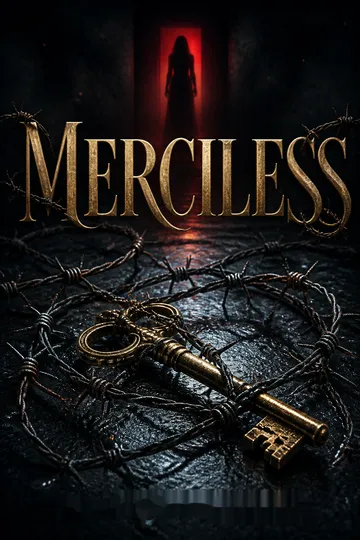
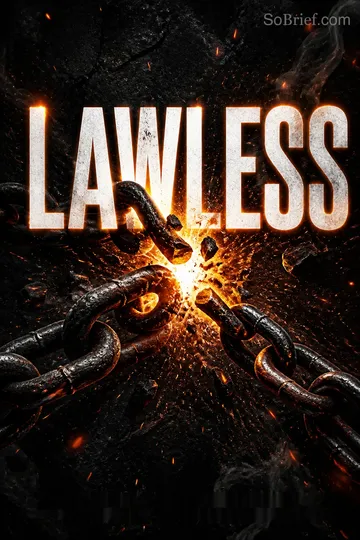
Harrow Creek Hawks Series Series
Download PDF
Download EPUB
.epub digital book format is ideal for reading ebooks on phones, tablets, and e-readers.








































