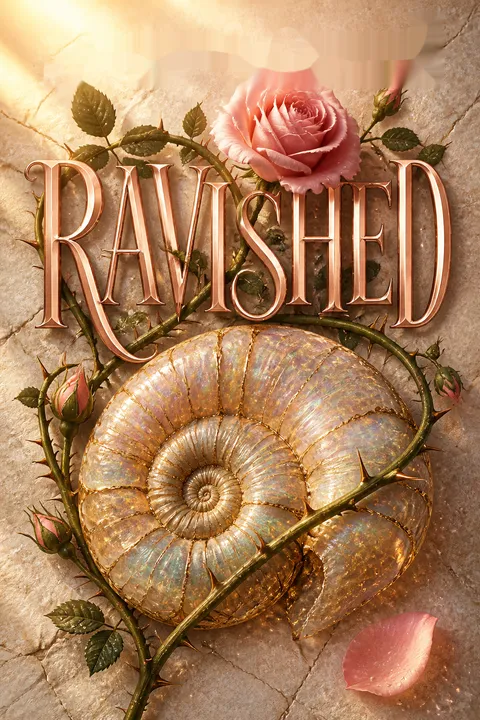

Plot Summary
Bones and Beginnings
In the quiet village of Upper Biddleton, Harriet Pomeroy, a rector's daughter with an unladylike obsession for fossils, lives with her family in genteel poverty. Her days are spent scouring the local caves for ancient bones, her mind alight with scientific curiosity. When she discovers evidence of criminal activity in her beloved caves, she boldly summons Gideon Westbrook, Viscount St. Justin—known locally as the Beast of Blackthorne Hall. Their first meeting is a collision of wit, suspicion, and unexpected intrigue, as Harriet's directness and Gideon's intimidating presence set the stage for a partnership neither anticipated. The air is thick with rumors about Gideon's past, but Harriet's focus remains on her fossils and the threat to her caves.
The Beast Returns
Gideon, scarred both physically and emotionally, returns to Upper Biddleton at Harriet's request. The villagers whisper about his supposed crimes: the ruination and death of a rector's daughter, and perhaps even fratricide. Harriet, undeterred by gossip or his fearsome appearance, enlists his help to rid the caves of thieves. Their dynamic is charged—Harriet's forthrightness clashes with Gideon's guarded cynicism, but a grudging respect forms. As they investigate together, the local color—Harriet's eccentric family, the gloomy housekeeper Mrs. Stone, and the ever-present threat of scandal—swirls around them, setting the tone for a story where reputation and reality are at odds.
Caves and Confrontations
Harriet leads Gideon into the labyrinthine caves, intent on showing him the thieves' lair. The darkness is thick with tension—both from the threat of discovery and the growing attraction between them. When Harriet slips, Gideon's protective instincts flare, and a charged moment leads to a passionate, unexpected kiss. The cave becomes a crucible for their emotions, blending fear, excitement, and longing. Harriet's scientific enthusiasm is matched by Gideon's growing fascination with her, even as he tries to maintain control. The caves, with their secrets and dangers, mirror the hidden depths of both their hearts.
Scandal and Secrets
News of Gideon's return and his interactions with Harriet ignite a firestorm of gossip. The villagers, led by Mrs. Stone, recount the tragic tale of Deirdre Rushton, the rector's daughter who was supposedly seduced and abandoned by Gideon. Harriet's family is thrown into turmoil, torn between fear for her reputation and disbelief in the rumors. Harriet herself is shaken but refuses to judge Gideon on hearsay. The past looms large, casting shadows over every interaction. Meanwhile, the investigation into the thieves continues, with Harriet and Gideon forced into ever-closer collaboration, their partnership deepening despite the risks.
The Waltz of Rumors
At a local assembly, Gideon scandalizes the village by dancing the waltz with Harriet, a bold and intimate gesture that sets tongues wagging. The dance is electric, a public declaration that both challenges and inflames the gossip. Harriet is both exhilarated and anxious, aware that her reputation hangs by a thread. Gideon, meanwhile, is drawn to her courage and honesty, even as he struggles with his own demons. The waltz becomes a symbol of their defiance—against societal expectations, against the weight of the past, and against their own fears.
Night in the Cavern
When Harriet is taken hostage by a desperate thief, Gideon rushes to her rescue. The rising tide traps them overnight in the caves, forcing an intimacy neither can escape. In the darkness, their defenses crumble. Harriet's vulnerability and Gideon's protectiveness ignite a night of passion that changes everything. By morning, they are irrevocably compromised in the eyes of society. The experience is both terrifying and transformative, binding them together in ways neither fully understands. The cave, once a place of scientific wonder, becomes the crucible of their fate.
Compromised and Committed
With their reputations in tatters, Gideon insists on marrying Harriet, despite her protests. Both are acutely aware that their union is born of necessity rather than choice, yet beneath the surface, deeper feelings stir. Harriet grapples with the loss of her independence, while Gideon is haunted by the fear that he is repeating the mistakes of his past. The engagement is met with skepticism and speculation by both families and the wider community. As they navigate the treacherous waters of public opinion, they begin to glimpse the possibility of something more than duty—a partnership forged in adversity.
London's Marriage Mart
In London, Harriet is thrust into the glittering, perilous world of the Marriage Mart. Her engagement to the infamous Beast is the talk of the Season, and she is both courted and pitied by the ton. Gideon's past continues to dog their steps, with old enemies and new admirers circling. Harriet finds solace among fellow fossil enthusiasts, while Gideon maneuvers through social minefields to protect her. The city is a crucible, testing their trust, their loyalty, and their ability to withstand external pressures. Amidst balls, soirees, and whispered slights, their relationship is both threatened and strengthened.
The Duel That Wasn't
When Harriet is threatened by Bryce Morland, a former friend of Gideon's and the true villain of Deirdre's tragedy, Gideon challenges him to a duel. The prospect of violence and scandal looms, but Morland flees, his cowardice exposed. The episode becomes a turning point—Gideon's honor is publicly restored, and the couple's bond is solidified. Harriet's steadfast support and refusal to believe the worst of her husband win over even the most skeptical observers. The duel that never happens becomes a symbol of the couple's triumph over the past and the power of trust.
The Master Thief Revealed
At a grand soiree, Gideon and Harriet set a trap for the mastermind behind the cave thefts. The culprit is unmasked as Mr. Humboldt, a respected fossil collector driven to crime by obsession and desperation. The revelation shocks society and vindicates Harriet's warnings about the unscrupulousness of collectors. The episode cements the couple's reputation as both daring and clever, and brings closure to the mystery that first brought them together. The soiree, intended as a display of social success, becomes the stage for justice and redemption.
The Past Unburied
As the dust settles, Gideon and his father confront the ghosts of the past. The truth about Deirdre's death and the events that led to Gideon's disgrace are finally brought to light. The real villain is revealed to be Clive Rushton, Deirdre's own father, whose ambition and bitterness drove him to murder and betrayal. The revelation allows Gideon to reconcile with his family and with himself. Harriet's unwavering faith in him is vindicated, and the couple emerges from the ordeal stronger and more united than ever.
The Beast's True Heart
With the past laid to rest, Gideon and Harriet are free to build a life together. Their marriage, once a matter of necessity, becomes a partnership of equals, founded on trust, respect, and passion. Gideon learns to accept love and forgiveness, while Harriet discovers the strength of her own heart. The "Beast" is revealed to be a man of deep feeling and integrity, and Harriet's love tames his fears. Together, they find joy in the ordinary and the extraordinary, from fossil discoveries to the birth of their child.
A Soiree and a Scheme
Harriet's soiree cements her place in society, but also provides the perfect opportunity to catch the lingering threat to her happiness. With the help of friends and family, she and Gideon outwit their enemies and secure their future. The event is both a celebration and a reckoning, as old scores are settled and new alliances formed. The couple's triumph is complete, and they are finally free to pursue their passions—scientific and romantic—without fear.
Danger in the Caves
Back in Upper Biddleton, Harriet's return to the caves brings her face-to-face with Clive Rushton, the true architect of past tragedies. In a harrowing confrontation, Rushton confesses to murder and attempts to kill Harriet, but Gideon arrives in time to save her. The caves, once a place of discovery and danger, become the setting for ultimate justice. The ordeal tests the couple's courage and devotion, but they emerge victorious, their love unbreakable.
The Final Reckoning
With Rushton's crimes exposed and the past finally buried, Gideon and Harriet are free to embrace their future. The community, once hostile and suspicious, now celebrates their courage and integrity. The couple's partnership—equal parts passion, intellect, and loyalty—serves as a model for all who know them. The birth of their son heralds a new era, and the "Beast of Blackthorne Hall" is at last at peace.
Love Unearthed
In the quiet aftermath, Gideon and Harriet reflect on all they have endured and discovered—about each other, about love, and about themselves. Their journey from suspicion and scandal to trust and devotion is complete. Surrounded by family, friends, and the fossils that first brought them together, they look to the future with hope and joy. The story ends not with an ending, but with the promise of a life lived fully, fearlessly, and together.
Analysis
Amanda Quick's Ravished is a masterful reimagining of the classic gothic romance, blending elements of mystery, social commentary, and psychological depth. At its heart, the novel is a meditation on the power of trust—how it can heal wounds, bridge divides, and transform lives. Harriet and Gideon's journey from suspicion and scandal to partnership and love is both timeless and deeply relevant, challenging readers to question the judgments we make about others and ourselves. The story's use of gothic motifs—the caves, the beast, the ever-present threat of darkness—serves as a powerful metaphor for the hidden fears and desires that shape us all. Through its vivid characters, intricate plot, and rich emotional landscape, Ravished offers a compelling exploration of redemption, resilience, and the enduring strength of love. The novel's ultimate lesson is that true happiness is found not in perfection, but in the courage to face our flaws, embrace our passions, and trust in the possibility of forgiveness and renewal.
Review Summary
Ravished by Amanda Quick receives mostly positive reviews (4.02/5 stars) for its Beauty and the Beast retelling featuring scarred hero Gideon and fossil-hunting heroine Harriet. Readers praise their strong chemistry, witty banter, excellent communication, and Harriet's fierce defense of Gideon against society's harsh judgment. The marriage-of-convenience plot and passionate scenes are highlights. However, some critics find Harriet's fossil obsession excessive and her reckless behavior frustrating, particularly when she ignores safety warnings. The mystery subplot receives mixed reactions—some find it entertaining while others consider it predictable or thin. Overall, most recommend it as a charming, fun historical romance.
People Also Read

Characters
Harriet Pomeroy
Harriet is a rector's daughter whose passion for fossils sets her apart from the women of her time. Independent, direct, and unafraid of scandal, she is both a scientist and a romantic at heart. Her relationship with Gideon is marked by mutual respect, intellectual sparring, and deep emotional connection. Harriet's loyalty and courage are unwavering—she refuses to judge Gideon by rumor, stands by him in the face of public condemnation, and risks her own safety to protect what she loves. Over the course of the story, she grows from a solitary scholar to a partner in every sense, learning to balance independence with intimacy.
Gideon Westbrook, Viscount St. Justin
Gideon is haunted by a past filled with tragedy, scandal, and betrayal. His physical scar is matched by emotional wounds, and he has learned to hide behind a mask of cynicism and aloofness. Branded the "Beast of Blackthorne Hall," he is feared and shunned by society. Yet beneath the surface, Gideon is fiercely loyal, protective, and capable of great tenderness. His journey is one of redemption—learning to trust, to forgive, and to accept love. Harriet's faith in him is transformative, allowing him to reclaim his honor and his place in the world.
Felicity Pomeroy
Felicity is everything her sister is not—beautiful, socially adept, and eager for the pleasures of society. She is practical, witty, and supportive, providing a foil to Harriet's seriousness. Felicity's own journey is one of self-discovery, as she learns to balance ambition with authenticity. Her relationship with Harriet is marked by affection, teasing, and genuine admiration.
Euphemia "Effie" Ashecombe
Effie is the matriarch of the Pomeroy household, determined to see her nieces settled and secure. She is both a source of comic relief and a voice of caution, constantly fretting over reputation and propriety. Effie's anxieties often clash with Harriet's independence, but her love for her family is unquestionable. Over time, she learns to trust Harriet's judgment and to embrace change.
Mrs. Stone
Mrs. Stone is a fixture in the Pomeroy household, her gloomy pronouncements and devotion to the past providing both humor and pathos. She is the keeper of local lore and the voice of the village's suspicions. Her belief in Gideon's guilt is unshakeable—until confronted with the truth. Mrs. Stone represents the power of rumor and the difficulty of overcoming entrenched prejudice.
Clive Rushton
Rushton is the former rector whose ambition and bitterness drive the central tragedies of the story. Outwardly pious and respected, he is in fact manipulative, ruthless, and ultimately murderous. His obsession with status and revenge leads him to betray those closest to him. Rushton's psychological complexity lies in his ability to justify his actions, even as they destroy him and others.
Bryce Morland
Morland is Gideon's former friend and the true seducer of Deirdre Rushton. Handsome, persuasive, and ultimately cowardly, he embodies the dangers of unchecked desire and resentment. Morland's rivalry with Gideon is both personal and symbolic—a battle for honor, love, and self-worth. His downfall is a testament to the power of truth and the futility of vengeance.
Lord and Lady Hardcastle
Gideon's parents are emblematic of the pressures of tradition, reputation, and loss. The earl is stern, judgmental, and slow to forgive, while the countess is gentle, melancholy, and yearning for reconciliation. Their relationship with Gideon is fraught with misunderstanding and regret, but ultimately redeemed through Harriet's influence and the revelation of the truth.
Lord Applegate and Lord Fry
Applegate and Fry are members of the Fossils and Antiquities Society, providing both support and comic relief. Their enthusiasm for science is matched only by their ineptitude in matters of intrigue and romance. They serve as seconds in Gideon's duel, embodying the well-meaning but often misguided efforts of friends to help.
Mr. Humboldt
Humboldt is a respected fossil enthusiast whose passion turns to obsession and, ultimately, crime. His descent into theft is a cautionary tale about the dangers of unchecked ambition and the fine line between genius and madness. Humboldt's actions serve as a mirror to Harriet's own passion, highlighting the importance of balance and integrity.
Plot Devices
Reputation and Redemption
The narrative is driven by the tension between public perception and private truth. Gideon's reputation as the Beast is both a curse and a shield, influencing how others treat him and how he sees himself. Harriet's willingness to defy convention and trust her own judgment is the catalyst for change. The story uses gossip, scandal, and rumor as both obstacles and opportunities, exploring how reputation can be destroyed—and restored—by courage, honesty, and love.
Gothic Atmosphere and Symbolism
The caves of Upper Biddleton are both literal and metaphorical—places of danger, discovery, and transformation. They symbolize the hidden depths of the characters' hearts, the secrets of the past, and the possibility of redemption. The motif of the beast—both in Gideon's nickname and in the fossil Harriet discovers—serves as a powerful symbol of misunderstood strength, the need for acceptance, and the triumph of love over fear.
Misdirection and Suspense
The story is structured around a series of mysteries: the identity of the thieves, the truth about Deirdre's death, the nature of Gideon's past. Clues are scattered throughout, with red herrings and false leads keeping both characters and readers guessing. The use of letters, rumors, and secret meetings heightens the suspense, while the eventual revelations provide catharsis and closure.
Emotional and Social Stakes
The plot is propelled by the characters' struggles to balance personal desire with social obligation. Harriet and Gideon are both forced to make sacrifices—of independence, pride, and safety—in order to protect each other and those they love. The threat of scandal, the risk of violence, and the possibility of loss create a sense of urgency and high stakes, making every decision fraught with consequence.
Partnership and Equality
At its core, the story is about the evolution of a partnership—two strong-willed individuals learning to trust, respect, and support each other. The narrative structure alternates between moments of conflict and collaboration, highlighting the challenges and rewards of true equality. The resolution is not a fairy-tale ending, but the promise of a life built on mutual understanding and shared purpose.

Download PDF
Download EPUB
.epub digital book format is ideal for reading ebooks on phones, tablets, and e-readers.








































