
Plot Summary
Night Wraiths' Arrival
Fifteen years ago, in a Russian orphanage, Valentin and his little sister Inessa are awakened by the dreaded arrival of the Night Wraiths—Georgian traffickers who steal children for their criminal enterprises. Valentin's desperate attempt to protect Inessa fails as both are captured. The siblings are separated, and Valentin is forced into a world of violence and obedience, his only anchor the memory of his sister. The trauma of that night, the terror, and the sense of helplessness set the stage for the years of brutality and survival that follow, shaping Valentin into a weapon and Inessa into a pawn, both lost to the darkness of the underworld.
Siblings Torn Apart
Loaded into a truck with other stolen children, Valentin and Inessa are separated upon arrival at the Blood Pit, a secret underground training facility. Valentin is tattooed with the number 194 and subjected to relentless physical and psychological conditioning, while Inessa is taken down a different, equally harrowing path. Valentin's only solace is the memory of his sister and the promise he made to protect her. The years pass in a blur of violence, drugs, and forced obedience, as Valentin is molded into an assassin, his humanity eroded by the cruelty of his captors. The siblings' bond, though stretched thin, remains the only light in Valentin's world.
Zoya's Hidden Existence
Meanwhile, Zoya Kostava, the last surviving daughter of a massacred Georgian crime family, lives in hiding in New York. Shielded by loyal retainers, she is haunted by the loss of her brothers, Zaal and Anri, presumed dead or missing. When news arrives that Zaal is alive and engaged to a Tolstaia—an enemy family—Zoya's world is upended. Torn between hope and betrayal, she resolves to find her brother, risking exposure after decades of seclusion. Her journey is driven by longing for family, the need for closure, and the hope of reclaiming her identity in a world that has forced her into the shadows.
The Beast's Cage
Valentin, now a grown man, is the prized assassin of his Mistress, the sadistic sister of the Blood Pit's Master. Controlled by a collar that injects obedience drugs, Valentin is sent to New York to kill Zaal Kostava in revenge for the death of Mistress's lover, Jakhua. Valentin's existence is a cycle of violence, sexual abuse, and fleeting moments of resistance. His only motivation is the promise that his obedience will spare Inessa further suffering. The collar's drugs blur the line between his will and the Mistress's commands, making him both victim and perpetrator, a beast in a cage with only the faintest memory of love.
Torture and Defiance
Zoya's attempt to reunite with Zaal leads her into Valentin's path. Under the influence of the collar, Valentin abducts her, believing she is leverage to reach his target. Zoya awakens in a torture chamber, subjected to Valentin's calculated cruelty—temperature extremes, electric shocks, and psychological torment. Despite her fear, Zoya refuses to reveal her identity or betray her brother. Her resilience and defiance intrigue Valentin, who is unsettled by her strength and the echoes of his own lost humanity. The dynamic between captor and captive shifts as Zoya's spirit challenges the monster he has become.
Breaking the Monster
As days pass, the drugs' effects wane, and Valentin's true self surfaces. Zoya recognizes the pain beneath his brutality and responds with empathy, seeing not a monster but a man broken by years of abuse. Their interactions become a battle of wills and hearts—Zoya's compassion and Valentin's longing for connection. The lines between torture and intimacy blur, culminating in moments of vulnerability and unexpected tenderness. Zoya's refusal to break, and her willingness to see the man beneath the scars, begin to heal Valentin's fractured soul, even as the threat of the Mistress's return looms.
Names and Scars Revealed
In a moment of trust, Zoya reveals her real name to Valentin, and he, in turn, shares his. They discover their shared histories of loss, captivity, and survival. Valentin confesses his love for Zoya, and she reciprocates, recognizing in him a kindred spirit. Their scars—physical and emotional—become symbols of endurance rather than shame. The revelation that Zoya is Zaal's sister, and that Valentin's mission is to kill her brother, creates a crisis of loyalty and purpose. Both are torn between the demands of their pasts and the possibility of a future together.
Love in Captivity
Freed from the collar's control, Valentin and Zoya surrender to their feelings, finding solace and passion in each other's arms. Their love is a rebellion against the forces that have sought to destroy them. For the first time, Valentin experiences tenderness and acceptance, while Zoya reclaims agency over her body and heart. Their union is both healing and transformative, offering a glimpse of hope in a world defined by violence. Yet, the specter of the Mistress and the fate of their siblings—Zaal and Inessa—threaten to shatter their fragile happiness.
The Mistress's Return
The Mistress discovers Valentin's betrayal and recaptures both him and Zoya. She punishes them, reasserting her dominance through violence and manipulation. Valentin is forced back under the collar's control, and Zoya is drugged, her life hanging in the balance. The Mistress's vendetta against the Kostavas and her sadistic pleasure in breaking her victims reach new heights. Meanwhile, Zaal, now the leader of his clan, vows to rescue his sister and destroy those who have tormented his family. The stage is set for a final confrontation, as love and vengeance collide.
Zaal's Vow
Zaal, with the support of the Volkov Bratva and his fiancée Talia, mobilizes his forces to save Zoya and confront the Mistress. Valentin, temporarily freed from the collar, joins the effort, driven by love for Zoya and the hope of rescuing Inessa. The alliance of former enemies—Russians and Georgians—underscores the power of forgiveness and the necessity of unity against a common evil. The rescue mission is fraught with danger, betrayal, and the risk of losing everything. Each character must confront their past and choose who they will become.
The Rescue Unleashed
The assault on the Mistress's mansion is brutal and chaotic. Valentin and Zaal fight side by side, unleashing years of rage and pain on their captors. Zoya is found, drugged but alive, and the Mistress is finally brought to justice—her death at Valentin's hands a cathartic end to years of suffering. Inessa, however, is already gone, sent back to the Blood Pit. The victory is bittersweet, marked by loss and the scars of battle. Yet, the chains of the past are broken, and the survivors are free to forge new lives.
Reunion and Reckoning
Zoya and Zaal are finally reunited as siblings, their bond restored after decades of separation and trauma. The process of healing is slow and fraught with guilt, anger, and the need for forgiveness. Valentin, gravely injured, is accepted into the family, though not without suspicion and the need to atone for his actions. The survivors confront the legacy of violence that has shaped them, seeking redemption and the possibility of peace. The reunion is both joyful and painful, a testament to the resilience of the human spirit.
Healing and Forgiveness
In the aftermath, Zoya and Valentin struggle to adjust to freedom and the complexities of family, love, and trust. Zaal and Talia's relationship serves as a model of forgiveness and new beginnings, while Zoya and Valentin's love deepens through mutual care and understanding. The process of healing is ongoing, marked by setbacks and moments of doubt. Yet, the willingness to forgive—both oneself and others—emerges as the key to moving forward. The characters learn that scars, both visible and hidden, are not marks of shame but badges of survival.
Valentin's Purpose
Valentin, once a weapon of destruction, finds purpose as an ally to the Volkov Bratva and the Kostava clan. His eidetic memory and skills make him invaluable in the fight against the remnants of the Blood Pit and the Night Wraiths. The promise to rescue Inessa becomes his driving force, transforming his pain into determination. Zoya stands by his side, her love and strength anchoring him in a world that once rejected him. Together, they build a home, reclaiming agency over their lives and destinies.
A Future Claimed
Zoya and Valentin, hand in hand, step into the light of a new day. No longer prisoners of their pasts, they embrace the possibility of happiness and belonging. Their love, forged in the crucible of suffering, becomes a beacon for others—proof that even the most broken souls can find redemption and joy. The fight is not over; Inessa remains lost, and the shadows of the Blood Pit linger. But for the first time, Zoya and Valentin are free to dream, to hope, and to claim a future together, their hearts forever entwined.
Analysis
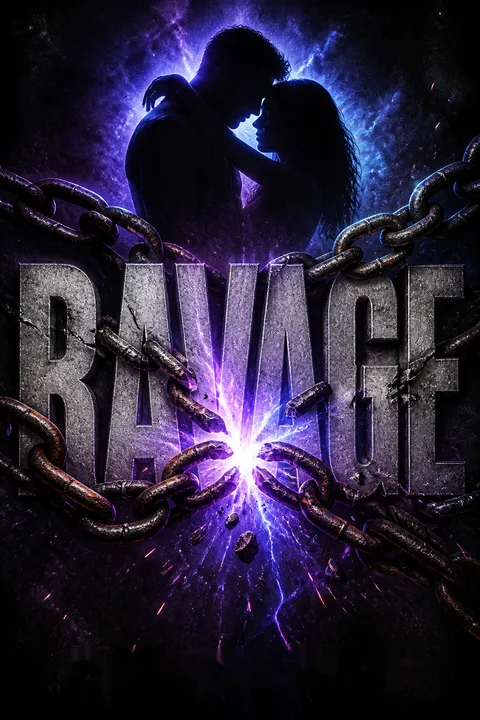
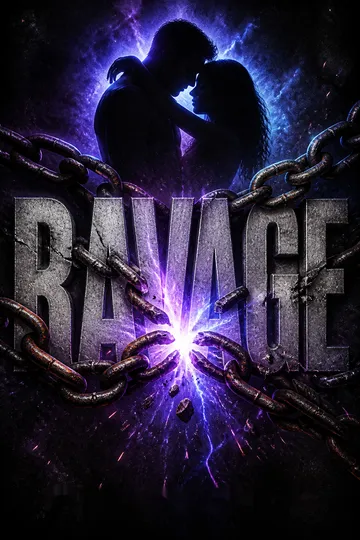
Ravage is a dark, emotionally charged exploration of trauma, survival, and the redemptive power of love. Through the intertwined journeys of Valentin and Zoya, Tillie Cole confronts the brutal realities of abuse, captivity, and the struggle for identity. The novel's strength lies in its unflinching portrayal of pain and its insistence that even the most broken souls are worthy of love and redemption. By centering the narrative on characters who have been dehumanized—reduced to numbers, scars, and roles—the story challenges readers to look beyond the surface, to recognize the humanity that endures beneath layers of suffering. The romance between Valentin and Zoya is both a rebellion against their oppressors and a testament to the resilience of the human spirit. Their ability to forgive, to choose each other, and to build a future from the ashes of their past offers hope in the face of darkness. Ravage ultimately argues that healing is possible, not through erasure of pain, but through the courage to confront it, to love fiercely, and to claim one's own story.
Review Summary
Ravage is the third book in Tillie Cole's Scarred Souls series, featuring dark and intense romance between tortured characters. Readers praise the emotional depth and gritty storyline, though some found the insta-love aspect less believable. The book follows Valentin (194), a drugged assassin, and Zoya, his captive. Their relationship develops from captor-prisoner to lovers as they discover each other's humanity. While darker than previous installments, fans appreciate the continued exploration of broken characters finding redemption and love amidst violence and trauma.
People Also Read
Characters
Valentin Belrov
Valentin is a Russian orphan, stolen as a child and transformed into a lethal assassin by the Mistress of the Blood Pit. Marked by physical and emotional scars, he is both victim and perpetrator, his humanity buried beneath years of violence and abuse. His only anchor is the memory of his sister Inessa, whose safety is used to control him. Valentin's journey is one of self-discovery, as Zoya's compassion and love awaken the man beneath the monster. His struggle with guilt, identity, and the possibility of redemption forms the emotional core of the story. Through love, he learns to forgive himself and reclaim his agency, becoming a protector rather than a weapon.
Zoya Kostava
Zoya is the last surviving daughter of the Kostava crime family, forced into hiding after her family's massacre. Isolated and haunted by loss, she is fiercely loyal, intelligent, and resilient. Her quest to find her brother Zaal leads her into Valentin's captivity, where her strength and compassion become her greatest weapons. Zoya's ability to see beyond Valentin's scars, to recognize the pain beneath his brutality, is transformative for both. Her journey is one of reclaiming agency, forging her own identity, and choosing love in the face of fear. Zoya's forgiveness and empathy are the keys to healing not only herself but those around her.
Zaal Kostava
Zaal, Zoya's brother, is a survivor of the Blood Pit and the new leader of the Kostava clan. Marked by trauma and the loss of his twin, Anri, Zaal is both fierce and vulnerable. His love for Talia, a member of an enemy family, challenges the cycle of vengeance that has defined his life. Zaal's struggle to reconcile his past with his present, to lead his people while healing his own wounds, mirrors Valentin's journey. His relationship with Zoya is central to both their recoveries, as they learn to forgive and support each other in a world that has taken so much.
Inessa Belrova
Inessa, Valentin's younger sister, is a tragic figure—stolen as a child, stripped of her identity, and forced into sexual slavery. Her suffering is the driving force behind Valentin's actions, the reason he endures the Mistress's control. Inessa's fate remains unresolved, a reminder of the ongoing battle against the Blood Pit and the cost of survival. She represents innocence lost, the enduring bonds of family, and the hope that even the most broken can be saved.
Mistress Arziani
The Mistress is the architect of Valentin's suffering, a sadistic and manipulative figure who delights in breaking her victims. Her control over Valentin and Inessa is absolute, enforced through violence, drugs, and psychological torment. The Mistress's vendetta against the Kostavas and her obsession with power make her a formidable antagonist. Her eventual defeat is both a personal and symbolic victory for the protagonists, marking the end of an era of cruelty and the possibility of healing.
Talia Tolstaia
Talia, Zaal's fiancée, is the daughter of a rival crime family. Her love for Zaal challenges the legacy of hatred between their families, offering a model of forgiveness and new beginnings. Talia's compassion and strength help Zaal reclaim his humanity, while her acceptance of Zoya paves the way for reconciliation. She represents the possibility of peace and the power of love to transcend old wounds.
Luka Tolstoi
Luka is the knyaz of the Volkov Bratva, a survivor of the gulags and a close friend to Zaal. His leadership, loyalty, and understanding of trauma make him a crucial ally in the fight against the Blood Pit. Luka's own journey from victim to leader parallels those of Valentin and Zaal, underscoring the story's themes of resilience and transformation.
Kisa Volkova
Kisa, Luka's wife, is a source of comfort and guidance for Zoya. Her own experiences with trauma and forbidden love allow her to empathize with Zoya's struggles. Kisa's support helps Zoya navigate the complexities of family, forgiveness, and healing, reinforcing the importance of community and understanding.
Avto Oniani
Avto is a devoted servant to the Kostava family, responsible for Zoya's survival and protection. His loyalty and sacrifice embody the enduring bonds of chosen family. Avto's presence is a reminder of the cost of loyalty and the importance of hope in the face of overwhelming odds.
Inessa's Master
The Master, brother to the Mistress, is the unseen force behind the Blood Pit and Inessa's suffering. His obsession with control and cruelty represents the lingering dangers that the protagonists must confront. The fight to rescue Inessa and destroy the Blood Pit remains an unfinished battle, a call to action for the future.
Plot Devices
Dual Narratives and Shifting Perspectives
The novel employs alternating first-person perspectives, primarily between Valentin and Zoya, to immerse readers in their psychological states. This structure allows for a nuanced exploration of trauma, love, and identity, as each character's inner world is revealed. The shifting perspectives create dramatic irony, tension, and empathy, enabling readers to understand the motivations and fears that drive both captor and captive. The dual narrative also highlights the parallels between their journeys, reinforcing the themes of survival, forgiveness, and transformation.
Symbolism of Scars and Names
Scars—both visible and hidden—are central symbols in the story, representing the characters' histories of pain and endurance. The act of revealing, tracing, and accepting scars becomes a metaphor for vulnerability and healing. Names, too, carry weight: the loss and reclamation of true names signify the struggle for identity and agency. The use of numbers as dehumanizing labels, and the eventual sharing of real names, marks the transition from objectification to personhood, from victimhood to empowerment.
The Collar and Obedience Drugs
The collar that injects obedience drugs into Valentin is a literal and symbolic device, embodying the loss of free will and the power of abusers. Its removal is a pivotal moment, signifying the reclaiming of autonomy and the possibility of choice. The drugs' effects—memory loss, rage, and dissociation—mirror the psychological impact of trauma, blurring the lines between perpetrator and victim. The struggle to resist or break free from the collar's control is a central conflict, both external and internal.
Foreshadowing and Repetition
The narrative is rich with foreshadowing, as early events and motifs—such as the Night Wraiths, the monster in the woods, and the promise to protect—recur throughout the story. Repetition of phrases, memories, and sensory details creates a sense of inevitability and interconnectedness. The past is never far from the present, and the characters' ability to confront and reinterpret their histories is key to their survival and growth.
The Power of Choice and Forgiveness
At its core, the novel is about the power of choice—choosing to love, to forgive, to fight, and to hope. The characters are repeatedly faced with decisions that test their values and loyalties. Forgiveness, both of oneself and others, emerges as the ultimate act of courage and liberation. The willingness to see beyond scars, to accept brokenness, and to offer compassion is what enables healing and the possibility of a future.
Scarred Souls Series
About the Author







Download PDF
Download EPUB
.epub digital book format is ideal for reading ebooks on phones, tablets, and e-readers.








































