
Plot Summary
Funeral Under Storm Clouds
Seneca Rain stands at her mother's funeral, the sky heavy with rain and grief. The loss is raw, her mother's casket covered in white flowers she would have hated. As the pack's healer, her mother was a gentle force, a protector of life, and now Seneca is left alone, her father long dead. The new alpha, Burke, watches her with predatory interest, making her skin crawl. The pack's laughter and disrespect at the funeral deepen her isolation. Seneca feels trapped, knowing the Flux—the ritual where she'll gain her wolf spirit—is coming, and with her mother gone, she has no shield against Burke's intentions. The storm outside mirrors the storm within, as Seneca faces a future without her mother's protection.
Alpha's Threatening Shadow
After the funeral, Seneca returns to her empty home, haunted by memories and the scent of her mother. Burke, the alpha who took over the pack by force, makes it clear he wants to claim Seneca after the Flux. He threatens her home and her autonomy, making it clear she'll have no choice once she gets her wolf. The pack, cowed by Burke's violence, offers no help. Seneca's only ally, Hess, her mother's friend, tries to comfort her but reveals he's leaving the pack. Alone, Seneca realizes she must escape before the Flux, or risk being claimed and broken by Burke. The threat is not just physical but existential—her very self is at stake.
The Last Friend Leaves
Hess, the last person Seneca trusts, tells her he's leaving for another pack. His offer to take her is hollow—Burke would never allow it. The pack's culture of submission and violence is laid bare, and Seneca is left with no allies. The Flux looms, a ritual that should be sacred but is twisted by Burke's lust for power. Seneca's grief is compounded by fear, and she resolves to run. The sense of abandonment is total; even the house feels cold and alien. The chapter closes with Seneca's realization that she must rely on herself alone, and that escape is her only hope.
Running From the Flux
Seneca flees into the night, running through the woods that once brought her comfort. Memories of her parents haunt her, but the need to survive overrides nostalgia. She packs what little she can and heads for the human town, hoping to disappear. Her plan is interrupted by a chance encounter with pack females, forcing her to hide her intentions. The tension is palpable—every step is a risk, every shadow a threat. Seneca's longing for freedom is matched only by her fear of being caught. The chapter ends with her plans unraveling, as the pack's control proves harder to escape than she imagined.
Trapped by Pack Ritual
Despite her efforts, Seneca is caught and forced to participate in the Flux. The ritual, meant to be a celebration of joining with her wolf spirit, is corrupted by Burke's dominance. He bloods her himself, marking her as his. The ceremony is a violation, both spiritual and physical, as Seneca's autonomy is stripped away. Her wolf spirit, fierce and wild, merges with her in a moment of both ecstasy and agony. But instead of submission, something in Seneca breaks. The trauma of the ritual, combined with Burke's assault, awakens a savage, uncontrollable force within her. The chapter ends with Seneca's transformation into something new—something rabid.
Escape and Betrayal
Seneca's wolf erupts in violence, attacking Burke and his betas. The pack, terrified of her power, subdues her with tranquilizers and chains. She is caged, labeled "rabid," and treated as a monster. Burke's fear of her is palpable, but so is his desire to break her. Seneca's mind fractures under the pressure, her wolf and human sides at war. The betrayal by her own people is complete—they would rather destroy her than challenge Burke. In the darkness of her cell, Seneca's rage simmers, her spirit refusing to be extinguished. The chapter closes with her being exiled, a danger to the pack she once called home.
The Claiming Hunt
Burke and his betas dump Seneca, chained and drugged, in the territory of the infamous Ruin Falls pack. Here, the rules are even more brutal—outsiders are fair game for claiming. Seneca is hunted in a savage claiming hunt, her wolf instincts both a curse and a weapon. She is captured, but instead of submission, her wolf fights back with unprecedented ferocity. The Ruin Falls alpha, Tyran, is drawn to her wildness, seeing in her a mate as savage as himself. The hunt becomes a dance of dominance and desire, culminating in a violent, passionate claiming that leaves both changed.
Savage Wolf Unleashed
In Ruin Falls, Seneca's rabid wolf is both feared and respected. Tyran, the alpha, is the only one who can match her savagery. Their relationship is a battle of wills, each testing the other's strength and resolve. The pack, wary of Seneca's power, watches as she navigates new rituals and hierarchies. Tyran's dominance is not cruel like Burke's, but it is absolute—he demands respect and loyalty, and in return offers protection and belonging. Seneca's struggle is internal as much as external, as she learns to accept her brokenness and channel it into strength. The chapter ends with her beginning to heal, finding in Ruin Falls a place where her wildness is not a curse, but a gift.
Captured and Caged
Seneca's integration into Ruin Falls is fraught with challenges. She must prove herself to the pack, confront rivals like Presley, and come to terms with her own trauma. The rituals here are different—children are given their wolf spirits young, and the pack's strength lies in unity, not fear. Seneca's healing is slow, but Tyran's unwavering support helps her reclaim her sense of self. When she is wounded in a rescue mission, the pack's healer and her own latent magic save her. The experience bonds her to Ruin Falls, and she begins to see herself as part of something larger. The chapter closes with Seneca embracing her role as luna, the alpha's mate and the pack's heart.
Rabid Transformation
Seneca's rabid nature, once a source of shame, becomes her greatest asset. She uses her strength to protect the vulnerable, heal the wounded, and challenge the pack's old wounds. Her relationship with Tyran deepens, their bond forged in blood and trust. Together, they lead the pack through rituals of healing and reckoning, confronting the ghosts of the past. Seneca's acceptance of her dual nature—wolf and woman, healer and warrior—transforms her into a true leader. The pack, once wary, now rallies around her, recognizing in her the savage spirit they need to survive. The chapter ends with Seneca and Tyran united, ready to face whatever comes next.
Exile to Ruin Falls
Seneca's journey from exile to acceptance is marked by trials and revelations. She learns the true history of Ruin Falls, a pack forged in rebellion and survival. The rituals here are not about dominance, but about honoring the wolf spirit and the bonds of family. Seneca's healing magic, inherited from her mother, becomes a bridge between her past and present. She helps the pack's healer, Vorria, and finds purpose in service. The pack's respect is earned, not given, and Seneca rises to the challenge. Her relationship with Tyran is tested by old enemies and new threats, but together they prove unbreakable. The chapter closes with Seneca finally at home, her rabid spirit celebrated, not feared.
Survival Among Savages
As luna, Seneca faces new responsibilities—guiding the pack through rituals, mediating conflicts, and preparing for war. The scars of Twin Rivers run deep, and Seneca must help the survivors heal. Her bond with Tyran is both a source of strength and vulnerability, as enemies seek to exploit their connection. When Burke returns, seeking revenge, Seneca leads the pack in a final confrontation. The battle is brutal, but Ruin Falls prevails, their unity and ferocity unmatched. Seneca's leadership is affirmed, and the pack's future secured. The chapter ends with a sense of hard-won peace, as Seneca and Tyran look to the future together.
The Alpha's True Face
Seneca learns the truth about Tyran's rise to power—how he saved Ruin Falls from a mad alpha, and the cost of leadership. Their love deepens as they share their wounds and dreams. Together, they confront the legacy of violence and build a new foundation for the pack. Seneca's healing magic becomes central to the pack's rituals, and her influence grows. The pack, once fractured, is now united under her and Tyran's rule. Old enemies are vanquished, and new alliances forged. The chapter closes with Seneca fully embracing her role as luna, her rabid spirit now the pack's greatest strength.
Mating and Mayhem
The mating bond between Seneca and Tyran is consummated in a ritual of passion and power. Their connection is both physical and spiritual, a union of equals. The pack celebrates their luna, and Seneca's place is secured. But peace is short-lived, as Burke and his allies plot revenge. Seneca's leadership is tested in battle, her rabid nature unleashed in defense of her new family. The pack rallies around her, and together they defeat their enemies. The chapter ends with Seneca and Tyran victorious, their love and leadership unchallenged.
Healing and Reckoning
In the aftermath of battle, Seneca uses her healing magic to tend to the wounded and comfort the grieving. The pack mourns its losses but looks to the future with hope. Seneca's journey from exile to acceptance is complete—she is no longer broken, but whole. The rituals of Ruin Falls, once alien, are now her own. The pack's unity is stronger than ever, and Seneca's leadership is unquestioned. The chapter closes with a sense of renewal, as Seneca and Tyran prepare for the next chapter of their lives together.
The Past Burns Away
Seneca returns to Twin Rivers, not as a victim, but as a conqueror. She confronts Burke and the remnants of her old pack, demanding justice for the wrongs done to her and others. The confrontation is brutal, but Seneca's strength and the support of Ruin Falls ensure victory. Burke is defeated, and the cycle of violence is broken. Seneca's healing magic brings closure to old wounds, and the survivors are given a chance at redemption. The chapter ends with Seneca burning away the past, her rabid spirit now a force for good.
Home Among Wolves
With the past behind her, Seneca embraces her new life in Ruin Falls. The pack thrives under her and Tyran's leadership, their rituals and traditions now a source of joy. Seneca's healing magic is celebrated, and her rabid nature is honored as a symbol of resilience. The pack's unity is unbreakable, and Seneca's place is secure. The chapter closes with a sense of belonging and peace, as Seneca looks to the future with hope and love.
Vengeance and New Beginnings
In the epilogue, Seneca and Tyran, now fully united, lead the pack in a final hunt for Burke. The chase is both literal and symbolic—a reckoning for all the pain and betrayal of the past. With the help of allies, they bring Burke to justice, ending his reign of terror. The pack celebrates their victory, and Seneca's journey comes full circle. She is no longer the broken, hunted girl of the past, but a fierce, beloved leader. The story ends with Seneca at peace, her rabid spirit now the heart of a new beginning.
Analysis
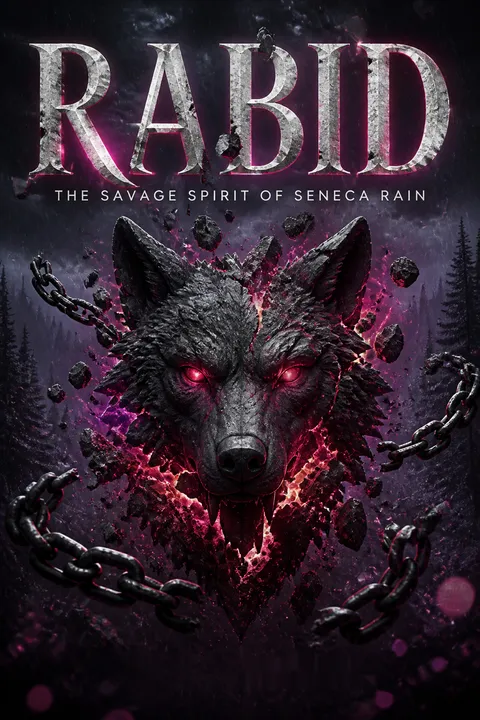
Rabid: The Savage Spirit of Seneca Rain is a visceral, emotionally charged exploration of trauma, survival, and transformation within a brutal shifter society. At its core, the novel interrogates the nature of power—how it is abused, how it can be reclaimed, and how true strength lies not in domination, but in the willingness to heal and connect. Seneca's journey from broken outcast to celebrated luna is both a personal and communal story, reflecting the ways in which individual healing is inseparable from collective renewal. The novel's use of ritual, duality, and found family offers a nuanced meditation on the aftermath of violence and the possibility of redemption. By embracing her rabid nature, Seneca subverts the narrative of victimhood, transforming her wounds into weapons and her shame into pride. The story's lessons are clear: survival is not enough; to truly live, one must find belonging, confront the past, and dare to love fiercely—even, and especially, when broken. In a world that often punishes difference and vulnerability, Rabid is a testament to the power of wildness, resilience, and the healing that comes from claiming one's place among the wolves.
Review Summary
Rabid received mixed reviews, with ratings ranging from 1 to 5 stars. Many readers enjoyed the strong female protagonist, steamy romance, and intense plot. Some praised the well-developed characters and world-building. However, others criticized the book for its portrayal of gender dynamics, minimization of trauma, and pacing issues. Several reviewers noted that it wasn't a typical rejected mate story. The spicy content and alpha male character were highlights for many, while some found the emotional manipulation and violence problematic. Overall, it was a polarizing read within the shifter romance genre.
People Also Read








Characters
Seneca Rain
Seneca is the heart of the story—a young woman forged in grief, violence, and betrayal. Orphaned by the murder of her parents, she is marked by trauma and a fierce will to survive. Her wolf spirit, awakened in a corrupted ritual, is wild and uncontrollable, earning her the label "rabid." Seneca's journey is one of self-acceptance, as she learns to embrace her brokenness and channel it into strength. Her relationship with Tyran, the Ruin Falls alpha, is both a battle and a balm—he is the only one who can match her savagery and see her true worth. Seneca's healing magic, inherited from her mother, becomes a bridge between her past and present. Through pain, love, and leadership, she transforms from an outcast to a celebrated luna, her rabid spirit the pack's greatest asset.
Tyran Bauer
Tyran is the formidable alpha of Ruin Falls, a pack known for its brutality and independence. Scarred by his own past—having overthrown a mad alpha to save his people—Tyran is both ruthless and deeply loyal. He recognizes in Seneca a mate as wild and wounded as himself, and their relationship is a crucible of dominance, trust, and healing. Tyran's leadership is marked by strength, fairness, and a willingness to do what others fear. He is both Seneca's anchor and her equal, challenging her to embrace her power and offering her a home where she is celebrated, not feared. His love is fierce, his loyalty unbreakable, and his presence the foundation of the new Ruin Falls.
Burke
Burke is the antagonist—a usurper who takes over Twin Rivers by force, ruling through fear, violence, and sexual predation. He is obsessed with Seneca, seeing her as both a prize and a threat. Burke's leadership is marked by cruelty and cowardice; he manipulates rituals, abuses his power, and destroys anyone who challenges him. His fear of Seneca's rabid wolf leads to her exile, but his inability to control her ultimately brings about his downfall. Burke is a symbol of toxic masculinity and the dangers of unchecked power, his defeat a necessary step in Seneca's journey to freedom.
Hess
Hess is Seneca's last connection to her family and the old ways of the pack. A friend of her mother's, he offers comfort and support, but is ultimately powerless against Burke's regime. His departure marks Seneca's total isolation, but his survival and eventual rescue provide a thread of hope and continuity. Hess's relationship with Seneca is one of mutual respect and shared grief, and his presence in the story underscores the importance of chosen family and the enduring bonds of love.
Presley
Presley begins as a rival—jealous, combative, and dismissive of Seneca's strength. Their relationship is marked by conflict and misunderstanding, but shared trauma and the brutality of Twin Rivers forge a reluctant alliance. Presley's journey mirrors Seneca's in many ways—she is broken by violence but finds healing and purpose in Ruin Falls. Their eventual friendship is a testament to the power of empathy, forgiveness, and the shared struggle for survival.
Healer Vorria
Vorria is the pack's healer, a figure of strength, wisdom, and irreverence. She becomes a mentor to Seneca, helping her unlock her own healing magic and navigate the complexities of pack life. Vorria's presence is both grounding and empowering—she is unafraid to challenge authority, speak her mind, or risk her life for others. Her relationship with Seneca is maternal, filling the void left by Seneca's mother and providing a model of resilience and compassion.
Britton
Britton is Tyran's second-in-command, a figure of unwavering loyalty and quiet strength. He is instrumental in the pack's defense and in Seneca's integration into Ruin Falls. Britton's calm, strategic mind balances Tyran's ferocity, and his support of Seneca is crucial in her acceptance by the pack. He represents the best of Ruin Falls—loyalty, competence, and a willingness to fight for what is right.
Harlan
Harlan is the pack's third, a woman marked by violence and loss. Her scarred throat is a testament to her survival, and her presence is both intimidating and inspiring. Harlan's relationship with Seneca is one of mutual respect and growing friendship. She is a protector, a mentor, and a symbol of the pack's resilience. Her survival and healing are a microcosm of the pack's journey from trauma to strength.
Kier
Kier is the alpha of a neighboring pack and Hess's twin brother. His alliance with Ruin Falls is crucial in the final battle against Twin Rivers. Kier's presence brings hope and resources, and his relationship with Hess provides a thread of family and continuity. He is a model of honorable leadership, contrasting sharply with Burke's tyranny.
The Wolf Spirit
The wolf spirit is both a literal and symbolic presence in the story—a force of nature that chooses, heals, and transforms. For Seneca, her wolf is both a source of power and a reminder of her brokenness. Their relationship is fraught, but ultimately redemptive, as Seneca learns to accept and celebrate her rabid nature. The wolf spirit is a metaphor for trauma, resilience, and the possibility of healing.
Plot Devices
Ritual and Transformation
The Flux and other rituals are central to the narrative, serving as both plot engines and metaphors for transformation. The Flux, meant to be a sacred joining with the wolf spirit, is corrupted by Burke but reclaimed in Ruin Falls as a rite of healing and belonging. These ceremonies mark transitions—child to adult, outsider to pack, victim to leader. The rituals are also sites of conflict, where power is contested and identities are forged. The contrast between Twin Rivers' perversion of ritual and Ruin Falls' reverence for it underscores the story's themes of trauma, healing, and the reclamation of agency.
Duality and Fracture
Seneca's fractured identity—human and wolf, healer and warrior, victim and survivor—is both a source of pain and power. The narrative structure mirrors this duality, alternating between moments of vulnerability and savagery, healing and violence. The "rabid" label, initially a mark of shame, becomes a badge of honor as Seneca learns to integrate her brokenness. The split vision, the struggle for control, and the eventual synthesis of her two selves are all foreshadowed and developed through the story's structure and imagery.
Power, Submission, and Consent
The story interrogates the dynamics of power—who claims, who submits, and under what terms. Burke's abuse of power is contrasted with Tyran's strength, which is rooted in respect and mutuality. The rituals of claiming and mating are sites of both danger and possibility, their meaning shaped by the intentions of those who wield them. The narrative uses these plot devices to explore questions of consent, autonomy, and the difference between domination and partnership.
Healing and Found Family
Healing—both magical and emotional—is a recurring motif. Seneca's inherited magic, her relationship with Vorria, and her role as luna all center on the work of mending wounds, both literal and figurative. The formation of found family—through the pack, through alliances, through shared trauma—is a key plot device, providing both motivation and resolution. The story uses these elements to show that survival is not enough; true healing requires connection, trust, and the willingness to build something new.
Foreshadowing and Cyclical Structure
The narrative is rich with foreshadowing—Seneca's early isolation, the corruption of ritual, the threat of exile—all point toward her eventual transformation and triumph. The story's structure is cyclical, beginning and ending with funerals, hunts, and rituals, but each time with new meaning. The final hunt for Burke is both a literal and symbolic closure, allowing Seneca to reclaim her power and her future.
Kingdom of Wolves Series Series
About the Author
Other books by Ivy Asher




Download PDF
Download EPUB
.epub digital book format is ideal for reading ebooks on phones, tablets, and e-readers.








































