
Plot Summary
Blood on the Floorboards
The story opens with chaos: Calliste, a healer brought to the palace to save the king's son, Kalias, is found gravely wounded. King Theron, wracked with guilt and fear, paces outside her chamber, blaming himself for her injury. The palace is thrown into turmoil as suspicion and confusion swirl—no one saw the attack, and the wound is unnatural, as if inflicted by claws, not a blade. The king's closest friends and advisors debate what happened, but all are powerless to help. As Calliste hovers between life and death, the king's emotional restraint cracks, revealing his deep feelings for her. The scene is thick with dread, longing, and the sense that something otherworldly is at play, setting the stage for a tale where mortal and immortal fates entwine.
Between Life and Death
While her body lies near death, Calliste's spirit is drawn into the Underworld, chased by Cerberus, the monstrous hound. She is saved by Thanatos, god of death, who explains she is not dead but on the threshold, her fate uncertain. To survive, she must find her soul's tree in the Everlasting Enclave, a mystical forest where souls rest. Guided by Thanatos, she reaches her tree and, by connecting with it, buys time for her body to heal. The experience is surreal and terrifying, but also reveals Calliste's unique connection to the divine. Her journey between realms is both a literal and metaphorical crossing—she is a healer who must now heal herself, and her brush with death will have consequences for all.
Bargains with the Divine
In the mortal world, the king's court physician, Panakeios, fights to save Calliste's life, haunted by his own past failures. The king's guilt and longing for Calliste deepen as he waits helplessly. Meanwhile, in the Underworld, Calliste's spirit witnesses her own surgery and overhears confessions of regret and love. The gods' involvement becomes clear: Calliste's healing powers are not just skill, but a channeling of divine energy. Her survival is a miracle, but it comes at a cost—her connection to the gods is both a gift and a burden. The king and Calliste are drawn closer by trauma and vulnerability, but secrets and divine machinations threaten to tear them apart.
The Sunless Court
Recovered but weakened, Calliste is summoned to the court of Hades, ruler of the Underworld, to answer for the disturbances in his realm. She is escorted by Hypnos, god of sleep, who is both her patron and a possessive, jealous suitor. In Hades' palace, Calliste is interrogated about a mysterious force—Tempest—corrupting the Roots, the liminal space between life and death. The gods' politics are as perilous as any mortal intrigue, and Calliste must navigate their suspicions, rivalries, and desires. The court is a place of beauty and danger, where bargains are struck and every word has weight. Calliste's mortal perspective and compassion set her apart, earning her both allies and enemies among the immortals.
Dream's Jealous Embrace
Hypnos, once a gentle guide, reveals his possessive and manipulative side. He tries to seduce Calliste with promises of power and immortality, but when she resists, he punishes her with terrifying dreams and attempts to control her mind. His jealousy of Theron, the mortal king, becomes a dangerous obsession. Calliste is caught between the affections of gods and mortals, her autonomy threatened by those who claim to love her. The emotional stakes rise as she must assert her independence, even as she relies on divine help to survive. The gods' love is shown to be as perilous as their wrath, and Calliste's heart becomes a battleground.
The Queen's Secret
In the Underworld, Calliste uncovers the shocking truth: the Condemned Shade at the heart of the Roots is Amatheia, Theron's late wife and Kalias's mother. Amatheia never crossed the river Styx because her burial coin was stolen, trapping her between worlds. This revelation shatters both Calliste and Theron, forcing them to confront the unresolved grief, guilt, and secrets of the past. The queen's fate is entwined with the prince's illness and the corruption in the Roots. The living and the dead are bound by love, regret, and unfinished business, and the only way forward is to face the truth, no matter how painful.
Discord in the Roots
The true villain is revealed: Eris, goddess of discord, has possessed Amatheia's Shade, using her as a vessel to sow chaos in the Underworld and disrupt the Fates. Eris's machinations have kept Kalias asleep, threatened the balance of realms, and nearly destroyed Calliste. The confrontation in the Roots is a battle of wills, with Calliste and Theron forced to work together, using both mortal courage and divine gifts. The gods' politics and personal vendettas are exposed as the root cause of mortal suffering. The stakes are nothing less than the unraveling of fate itself, and only by uniting can the heroes hope to prevail.
The Mortal and the King
Back in the mortal world, Calliste and Theron's relationship is tested by revelations and insecurities. Both are haunted by their pasts—Calliste by her abusive marriage and belief that she killed her husband, Theron by his loveless marriage and guilt over Amatheia's fate. Hypnos's manipulations and the court's scrutiny add pressure. Yet, in moments of vulnerability, they find solace in each other's arms, discovering a love that is both healing and transformative. Their union is passionate, but fraught with the fear that secrets and divine interference will tear them apart. The question of trust—between mortals, and between mortals and gods—becomes central.
The Price of Healing
To save Kalias and free Amatheia, Calliste must make a terrible bargain. She invokes the Last Pact, an ancient spell that allows a mortal and an immortal to exchange what is most precious. Calliste offers her own divine gift—her healing power, the source of her identity—in exchange for the queen's release and the restoration of fate. The cost is immense: she is left broken, her hair turned white, her power gone, her sense of self shattered. The kingdom is saved, but Calliste is lost in grief and emptiness, unable to see her own worth without her gift. The story explores the true meaning of sacrifice and the possibility of renewal after loss.
Through the Labyrinth
The climax unfolds in a nightmarish labyrinth conjured by Eris, where Calliste and Theron must face illusions, fears, and the full force of divine wrath. They are separated and tormented by visions designed to break their spirits and their bond. Only by trusting each other and their love can they overcome the goddess of discord. The battle is both physical and psychological, testing the limits of their courage and devotion. In the end, it is not strength or magic, but compassion, forgiveness, and self-sacrifice that win the day. The labyrinth is both a literal and metaphorical journey through darkness toward the light.
The Last Pact
With Eris defeated but the primordial god Erebus awakened, Calliste must make one final, unimaginable sacrifice. She offers the last of her power—her very soul—to Erebus, soothing his wrath and restoring balance to the realms. The act nearly kills her, leaving her a shell of her former self, but it saves the world from destruction. The gods, awed by her courage, can only watch as she pays the price. Theron, helpless to intervene, is left to grieve and hope for her return. The Last Pact is the ultimate test of love, faith, and the willingness to give everything for others.
The Healer's Sacrifice
Calliste's body survives, but her spirit is lost in a liminal space, wandering through memories and sorrow. She is cared for by Theron and the palace, but cannot wake. Only the voices of those who love her—especially Theron and Kalias—can reach her, guiding her back to herself. The process is slow and painful, as she must accept the loss of her gift and find new meaning in her life. The story explores the nature of healing—not as a power, but as an act of love, resilience, and acceptance. Calliste's journey is one of grief, but also of hope and transformation.
Renewal and Return
As Calliste awakens, the kingdom celebrates Kalias's recovery and the end of the curse. Calliste, though changed, is welcomed back with love and gratitude. She visits her old temple, seeking closure and guidance from her mentor, Leontia, who helps her see that her worth is not tied to her power. Theron, too, must confront his own fears and desires, learning to trust in love and vulnerability. Together, they find a new path—one that honors the past but embraces the future. The story's emotional arc comes full circle, from loss and sacrifice to healing and hope.
The Broken and the Whole
Calliste and Theron, both scarred by their pasts, learn to accept themselves and each other as they are. Their love is not perfect, but it is real—rooted in honesty, forgiveness, and the willingness to begin again. The palace, once a place of secrets and sorrow, becomes a home filled with light and laughter. The supporting characters—Kalias, Lykos, Melitta, and others—find their own resolutions and happiness. The story affirms that healing is not the restoration of what was lost, but the creation of something new and beautiful from the broken pieces.
A Kingdom Restored
With the curse lifted and the past laid to rest, Theron asks Calliste to marry him and become queen. Despite her fears and doubts, she accepts, choosing love and a new life over the safety of her old identity. The court and kingdom are transformed by her presence, and the future is filled with possibility. The story ends with a celebration of love, resilience, and the power of choice. The true dream is not one sent by the gods, but one forged by mortal hearts.
The True Dream
In the final chapter, Calliste returns to her old temple, seeking closure and blessing from her mentor. She is released from her vows, not as a loss, but as a recognition that her journey has led her to a new calling. The story ends with a vision of hope: Calliste and Theron, together, facing the future as equals and partners. The true dream is not immortality or power, but love, healing, and the courage to choose one's own path. The sunless court is illuminated at last—not by divine intervention, but by the light of human hearts.
Analysis
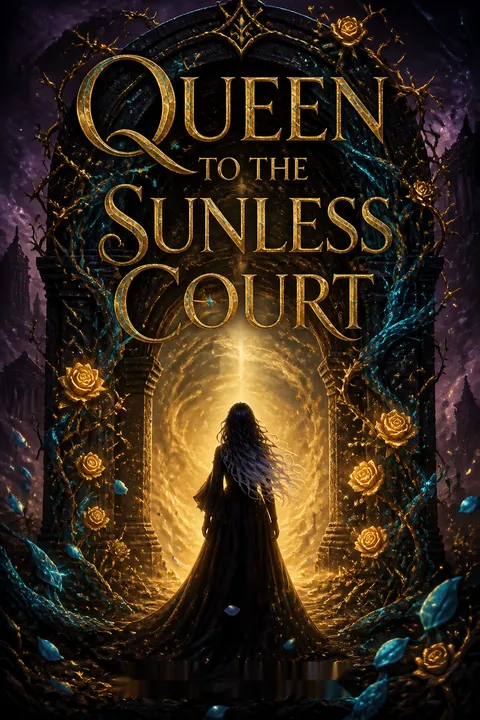
Queen to the Sunless Court is a lush, emotionally charged fantasy that reimagines the mythic journey through the lens of trauma, healing, and love. At its core, the novel is about the cost of true healing—not just for individuals, but for families, kingdoms, and even the world. The story interrogates the nature of power, both mortal and divine, and the dangers of possessive love, whether from gods or mortals. It is unflinching in its portrayal of abuse, grief, and the scars left by the past, but ultimately hopeful: it insists that brokenness is not the end, but the beginning of transformation. The novel's greatest strength is its refusal to offer easy answers—sacrifice is real, loss is permanent, and healing is a process, not a miracle. Yet, through compassion, honesty, and the courage to choose one's own path, even the sunless court can be illuminated. The lesson is clear: true power lies not in magic or immortality, but in the willingness to love, to forgive, and to begin again.
Review Summary
Queen to the Sunless Court received mixed reviews, with many praising its Greek mythology-inspired world, beautiful writing, and emotionally rich romance. Readers appreciated the character development and slow-burn romance between Calliste and Theron. However, some found the pacing slow and the plot predictable. Critics noted excessive infodumping and unnecessary subplots. Despite these criticisms, many readers found the book a satisfying conclusion to the duology, with compelling characters and an immersive fantasy world. The spice level and romantic elements were frequently mentioned as highlights.
People Also Read


Characters
Calliste
Calliste is the heart of the story—a mortal healer with a rare gift, chosen by the goddess Epione to channel divine power. Scarred by an abusive marriage and haunted by guilt, she is both fiercely compassionate and deeply wounded. Her journey is one of self-discovery, as she moves from servitude and self-doubt to agency and love. Calliste's relationships—with Theron, the gods, and her own past—are complex and fraught with longing, fear, and hope. Her greatest strength is her willingness to sacrifice for others, but she must learn that her worth is not defined by her power or her suffering. By the end, she is transformed—not by magic, but by love, resilience, and the courage to choose her own destiny.
Theron
Theron is the king of Hesperis, a man shaped by loss, duty, and regret. Haunted by the death of his wife, Amatheia, and the mysterious illness of his son, he is both a ruler and a broken man. His love for Calliste is transformative, forcing him to confront his own failings and the limits of his power. Theron is fiercely protective, but also vulnerable—his strength lies in his willingness to admit weakness and seek forgiveness. His journey is one of healing, as he learns to trust, to love, and to let go of the past. By the end, he is not just a king, but a partner and father, restored by the love he once thought lost.
Kalias
Kalias, Theron's young son, is the catalyst for the story's events. His mysterious illness is both a literal and symbolic curse, tying the fate of the kingdom to the unresolved grief and discord of the past. Kalias is sweet, curious, and brave, embodying the hope for renewal. His recovery is the story's emotional climax, representing the healing of both family and realm. Through his eyes, we see the impact of adult choices and the possibility of forgiveness and new beginnings.
Amatheia
Amatheia, Theron's late wife, is a tragic figure—once a queen, now a Condemned Shade, possessed by Eris. Her fate is a consequence of neglect, misunderstanding, and the machinations of gods. She is both victim and symbol: of the costs of duty, the pain of unfulfilled love, and the dangers of unresolved grief. Her release is both a personal and cosmic healing, allowing the living and the dead to move forward.
Hypnos
Hypnos is Calliste's patron and guide, but his love curdles into obsession. He is both seductive and dangerous, offering Calliste power and immortality, but punishing her when she resists. His jealousy of Theron drives much of the story's conflict, and his manipulations reveal the peril of divine attention. Hypnos is a study in the dangers of possessive love and the limits of godly power.
Eris
Eris is the true antagonist—a force of strife who possesses Amatheia and seeks to unravel fate itself. Her motivations are both personal and cosmic: she resents her exclusion from the Underworld and delights in sowing conflict. Eris's power is insidious, working through manipulation, illusion, and the exploitation of wounds. She is ultimately defeated not by violence, but by compassion and self-sacrifice.
Hades
Hades is both a ruler and a reluctant participant in the gods' games. He is stern, fair, and weary of the chaos in his realm. His relationship with Persephone and his care for the order of the dead reveal a depth of feeling beneath his stoic exterior. Hades is both ally and obstacle, representing the weight of tradition and the possibility of change.
Morpheus
Morpheus, son of Hypnos, is a quieter, more compassionate presence among the gods. He aids Calliste and Theron, offering visions, guidance, and support. His role is that of a bridge between worlds, helping mortals navigate the dangers of the divine. Morpheus's kindness and insight contrast with his father's possessiveness, and he represents the healing power of dreams and hope.
Panakeios
Panakeios is a mortal healer, proud and skilled but burdened by guilt over past losses. His rivalry with Calliste is rooted in fear and insecurity, but he ultimately learns humility and respect. Panakeios's journey mirrors the story's themes of forgiveness, growth, and the acceptance of new ways.
Leontia
Leontia, head of Calliste's order, is a figure of strength, compassion, and guidance. She represents the best of mortal wisdom, helping Calliste see her own worth and make peace with her choices. Leontia's role is to release Calliste from her old life, blessing her new path and affirming that healing is not just a gift, but a way of being.
Plot Devices
Dual Realms and Liminality
The narrative is built on the interplay between the mortal and immortal realms, with Calliste as the bridge. The use of the Underworld as both a literal and metaphorical space allows for exploration of grief, healing, and transformation. The labyrinth, the Roots, and the Everlasting Enclave are not just settings, but symbols of the characters' inner journeys. The story's structure—alternating between action and introspection, mortal and divine—creates a sense of liminality, where boundaries blur and new possibilities emerge.
Divine Intervention and Bargains
The plot is driven by bargains—between mortals and gods, between lovers, between past and present. The Last Pact is the ultimate expression of this device, allowing for sacrifice, redemption, and the restoration of order. The gods' interventions are both help and hindrance, forcing the characters to confront the limits of power and the costs of desire. Foreshadowing is used throughout, with dreams, visions, and prophecies hinting at future events and the consequences of choices.
Illusion, Memory, and Truth
Eris's power lies in illusion and manipulation, forcing Calliste and Theron to confront their deepest fears and insecurities. The labyrinth is both a physical and psychological trial, where truth must be separated from deception. Memory—of love, loss, and trauma—is both a burden and a source of strength. The story's resolution depends on the characters' willingness to face the truth, forgive themselves and others, and choose love over fear.
Sacrifice and Renewal
The central plot device is sacrifice—not just of power, but of identity, pride, and the past. Calliste's willingness to give up her gift, and Theron's willingness to let go of guilt, are mirrored in the story's structure: only by passing through darkness can renewal occur. The motif of the phoenix, the sunless court, and the return of spring all reinforce the theme that healing is not restoration, but transformation.
Download PDF
Download EPUB
.epub digital book format is ideal for reading ebooks on phones, tablets, and e-readers.








































