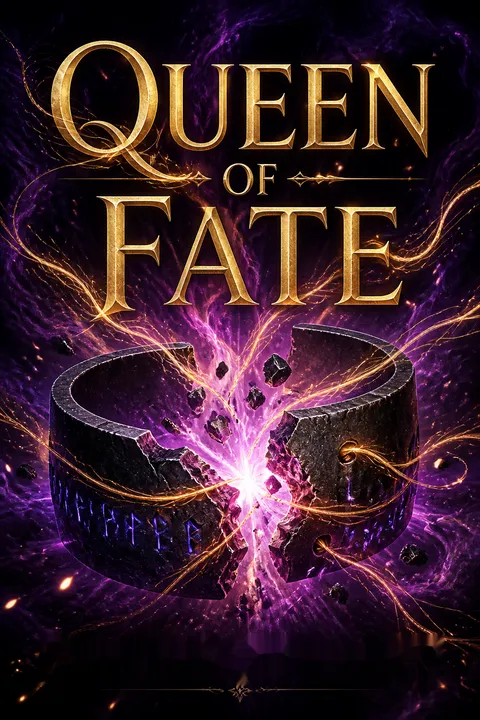

Plot Summary
Shadows and Shackles Broken
Elowen, newly mated to Prince Jax, finds herself at a crossroads between freedom and captivity. The story opens with Bastian, Jax's half-breed brother, rescued but catatonic, his mind shackled by a magical anklet. Elowen's own collar, a symbol of her lifelong enslavement, still suppresses her magic. The group's determination to save Bastian and themselves is palpable, as is the deepening connection between Elowen and Jax. Their love is a source of strength, but also vulnerability, as both are haunted by past traumas and the threat of losing each other. The chapter sets the emotional stakes: freedom, love, and the cost of power in a world where magic is both a gift and a curse.
Bastian's Awakening
Bastian's sudden, violent awakening threatens the group's safety, revealing the terrifying strength of the anklet's control. Elowen, forced to act, calls upon the semelees—shadow creatures from the Veiled Between—demonstrating the raw, dangerous potential of her lorafin magic. The act is both a triumph and a trauma, as it revives memories of a childhood tragedy when her uncontrolled power led to the deaths of innocents. Jax's support helps Elowen confront her guilt, shifting blame from herself to her manipulative guardian. The chapter is a crucible for Elowen's self-forgiveness and a testament to the healing power of love, even as the group faces the daunting task of breaking Bastian's magical bonds.
The Solis Quest
Determined to free Bastian, the group travels to the Solis continent, a land of floating meadows and potent magic. Their arrival is met with suspicion and hostility, but Jax's royal status and diplomacy win them a chance to investigate the mines where the controlling gems originated. The journey is both physical and emotional, as Elowen grapples with the limitations of her collar and the hope that the same forger who made Bastian's anklet might also hold the key to her own freedom. The chapter is rich with world-building, introducing new cultures, magical creatures, and the complexities of fae politics.
Floating Meadows' Secrets
In the heart of the floating meadows, the group uncovers the truth: the gems controlling Bastian and Elowen were illegally crafted by a Solis forger, Saroly, who has been smuggling magical jewelry across continents. The mine's archons are shocked by the breach, and the group's investigation exposes the vulnerability of even the most secure magical institutions. The chapter is a tense unraveling of secrets, as the group narrows down the list of suspects and confronts the reality that their suffering is the result of greed and betrayal within the fae's own ranks.
The Forger Unmasked
The confrontation with Saroly is a turning point. Under magical compulsion, she confesses to forging the anklets and Elowen's collar, motivated by wealth and power. Forced to remove the magical restraints, Saroly frees Elowen and Bastian, unleashing a wave of relief and joy. Elowen's magic, no longer suppressed, surges within her, marking her transformation from victim to queen of her own fate. The group's victory is bittersweet, as Saroly's crimes are revealed to have harmed thousands, and justice must be served. The chapter is a catharsis of pain, hope, and the reclaiming of agency.
Collars and Anklets Removed
With the magical restraints destroyed, Elowen and Bastian begin to heal, but the scars of their captivity linger. The group celebrates their hard-won freedom, yet the threat of the controlling gems remains, as many half-breeds are still enslaved. The chapter explores the aftermath of trauma, the bonds of chosen family, and the resolve to fight for others who cannot fight for themselves. Elowen's newfound power is both exhilarating and daunting, as she contemplates the responsibilities of her magic and the dangers of its misuse.
The King's Dark Plan
A visit to the Veiled Between reveals the true architect of the half-breeds' suffering: King Paevin of Faewood, who seeks to breed a magical army by enslaving and controlling half-breeds. The semelees expose his use of forbidden potions and psychic children to further his ambitions. The revelation is horrifying, galvanizing Elowen and Jax to unite the kingdoms against Paevin's tyranny. The chapter is a chilling exploration of power, exploitation, and the moral imperative to resist evil, even at great personal risk.
Twisting Fate's Threads
With Jax and his friends falsely accused and facing execution, Elowen makes the ultimate sacrifice: she travels to the Isle of Song to learn how to twist fate itself. After weeks of study and self-mastery, she commands the semelees to rewrite history, saving her loved ones and erasing Paevin's threat. The act is both a miracle and a curse, as the ancient wards of the realm recognize her transgression, leading to her arrest and imprisonment. The chapter is a meditation on the cost of heroism, the burden of power, and the limits of self-sacrifice.
The Price of Power
Elowen's imprisonment in the realm's most secure prison is a crucible of isolation and despair. Suppressed by potions and cut off from her magic and mate bond, she endures the agony of waiting for justice. Jax's unwavering loyalty and the support of friends and allies become her lifeline. The trial is a spectacle of testimony, evidence, and the struggle to balance law with mercy. The chapter is a testament to endurance, the power of community, and the hope that truth can prevail even in the darkest of times.
The Court's Judgment
The trial reaches its climax as Elowen, under the influence of a truth potion, faces the Queen Justice. With Jax's subtle magical support, she navigates the perilous questions, revealing only what is necessary to exonerate herself and protect her friends. The testimony of allies, the evidence of Paevin's crimes, and the moral clarity of Elowen's actions sway the court. She is acquitted, but warned never to twist fate again. The chapter is a celebration of justice, the triumph of compassion, and the restoration of agency.
Reunion and Revelations
Freed from prison, Elowen returns to Jax's side, their love stronger for having survived separation and adversity. The group reunites, and the fate of the half-breeds is secured through diplomacy and compassion. Bastian is restored to his life and love, and the bonds of friendship and family are reaffirmed. The chapter is a gentle exhale after the storm, a space for healing, gratitude, and the quiet joy of being together.
The Queen's Challenge
Elowen faces her greatest personal challenge: the opposition of Jax's royal parents, who demand he marry for political alliance rather than love. The queen's manipulations and the weight of tradition threaten to drive Elowen away, but she stands firm, refusing to abandon her happiness or her principles. The chapter is a battle of wills, a negotiation between love and duty, and a declaration that true worth is not defined by blood or title.
The Ironcrest Ball
At the grand Ironcrest Ball, Elowen embarks on a quest to find her lost family, guided by visions from the semelees. Amidst the revelry and spectacle, she discovers her true lineage: the daughter of the king of Ironcrest and sister to Princess Lorasbelle. The revelation is a balm to old wounds and a bridge to a new sense of belonging. The chapter is a celebration of identity, the joy of reunion, and the magic of found family.
Bloodlines and Belonging
Elowen's reunion with her father and sister is a moment of catharsis and healing. The pain of abandonment and loss is met with understanding and love, as the truth of her origins is embraced by all. The chapter explores the complexities of forgiveness, the power of truth, and the beauty of being seen and accepted for who you are. Elowen's journey comes full circle, from orphaned outcast to cherished daughter and sister.
Engagement and New Dawn
The story concludes with the engagement of Elowen and Jax, uniting the kingdoms of Stonewild and Ironcrest. Their love, tested by trials and strengthened by sacrifice, becomes a beacon of hope for a new era. The chapter is a joyful affirmation of agency, love, and the possibility of change. As Elowen rides Jax in his stag form through the cheering crowds, the promise of a brighter future is sealed—not just for them, but for all the fae.
Analysis
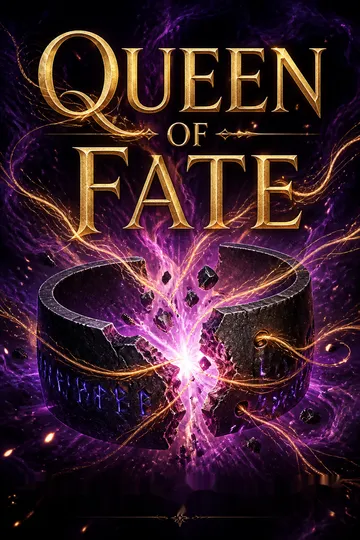
Queen of Fate is a sweeping fantasy that interrogates the nature of power, trauma, and agency through the lens of fae society. At its core, the novel is a story of liberation—personal, political, and magical. Elowen's journey from enslaved lorafin to queen of fate is both a literal and psychological odyssey, marked by the reclamation of agency, the forging of deep bonds, and the willingness to pay the price for justice. The narrative deftly explores the costs and responsibilities of power, the dangers of unchecked authority, and the healing potential of love and community. By intertwining personal trauma with societal injustice, the story offers a nuanced meditation on forgiveness, resilience, and the possibility of change. The lessons are clear: true strength lies in vulnerability, true leadership in compassion, and true freedom in the courage to choose one's own destiny. In a world where magic can both enslave and liberate, Queen of Fate reminds us that the greatest magic of all is the power to rewrite our own stories.
Review Summary
The reviews for Queen of Fate are mixed, with ratings ranging from 1 to 5 stars. Many readers found the book rushed and predictable, with easy resolutions to conflicts. Some praised the character development and emotional depth, while others felt the plot lacked substance. Criticisms included repetitive writing, underdeveloped world-building, and a lackluster conclusion to the series. Positive reviews highlighted the romance, fast-paced storytelling, and satisfying wrap-up of plot threads. Overall, readers who enjoyed light fantasy romance found it entertaining, while those seeking more complexity were disappointed.
People Also Read
Characters
Elowen (Isobel)
Elowen is the heart of the story—a lorafin whose rare magic allows her to walk the Veiled Between and command the semelees. Raised in captivity, her journey is one of reclaiming agency, self-forgiveness, and the right to love. Her relationship with Jax is both a source of healing and a crucible for growth, as she learns to trust, wield her power responsibly, and challenge the injustices of her world. Elowen's psychological arc is defined by trauma, resilience, and the gradual acceptance of her own worth. Her ultimate act—twisting fate to save others—cements her as a hero willing to pay any price for those she loves, even as she grapples with the consequences of such power.
Jax (Prince Adarian)
Jax is a study in duality: the crown prince of Stonewild and the infamous Dark Raider. Haunted by the injustices faced by his half-breed brother, he channels his pain into rebellion, challenging the status quo while navigating the burdens of royalty. His love for Elowen is transformative, softening his edges and inspiring him to seek change through compassion rather than violence. Jax's psychological journey is one of reconciling duty with desire, learning to trust others, and ultimately choosing love over legacy. His willingness to sacrifice everything for Elowen is both his greatest strength and vulnerability.
Bastian
Bastian embodies the plight of the marginalized in fae society. His enslavement and subsequent rescue are catalysts for the story's central conflicts. Despite his trauma, Bastian's resilience and humor shine through, offering a vision of healing and the possibility of a better future. His relationship with Jax is a touchstone for both brothers, grounding them in loyalty and love. Bastian's arc is one of survival, recovery, and the quiet heroism of enduring against all odds.
Saroly
Saroly is the antagonist whose greed and skill set the story's tragedies in motion. Her confession and forced atonement are a study in the banality of evil—the harm caused by self-interest and the refusal to see others as fully human. Saroly's psychological profile is marked by cunning, pride, and a chilling lack of empathy. Her downfall is a necessary act of justice, but also a reminder of the systemic rot that enables such crimes.
Guardian Alleron
Alleron is the embodiment of toxic control and the abuse of power. His psychological hold over Elowen is both literal and symbolic, representing the internalized shame and self-blame of trauma survivors. His eventual defeat—at Elowen's hands and through Jax's justice—is a cathartic release, allowing Elowen to reclaim her narrative and agency. Alleron's arc is a cautionary tale about the dangers of unchecked authority and the resilience of those who resist it.
Norivun
Norivun is a powerful ally whose intervention is crucial to the group's success. His strength, wisdom, and sense of justice provide a counterpoint to the corruption of other rulers. Norivun's psychological profile is marked by empathy, pragmatism, and a willingness to use power for good. His support of Elowen and Jax is instrumental in securing justice for the half-breeds and exposing the broader conspiracy.
The Queen of Stonewild
The queen represents the weight of tradition and the resistance to change. Her opposition to Elowen is rooted in fear, prejudice, and the desire to maintain the status quo. Psychologically, she is both a product and perpetuator of a rigid system, struggling to reconcile her son's happiness with her own expectations. Her eventual, grudging acceptance of Elowen is a small but significant victory for progress.
King Paevin
Paevin is the shadow looming over the narrative—a king whose ambition and cruelty drive the central conflict. His psychological makeup is defined by paranoia, a hunger for control, and a willingness to sacrifice others for power. Paevin's downfall is both a narrative necessity and a moral lesson about the dangers of unchecked authority and the dehumanization of the vulnerable.
Lorasbelle
Lorasbelle is the embodiment of the family Elowen never knew she had. Her acceptance and love are a balm to Elowen's wounds, offering a vision of unconditional belonging. Psychologically, Lorasbelle is open-hearted, curious, and eager to connect, serving as a bridge between Elowen's past and future.
The Semelees
The semelees are both tools and teachers, embodying the mysteries of magic and the dangers of wielding power without wisdom. Their relationship with Elowen is complex—at times obedient, at times cautionary—reflecting the unpredictable nature of fate itself. Psychologically, they are enigmatic, ancient, and bound by rules that even they do not fully understand.
Plot Devices
Magical Restraints and Enslavement
The collars and anklets are more than plot devices—they are metaphors for the psychological and societal chains that bind the marginalized. Their removal is both a literal and symbolic act of liberation, marking the transition from victimhood to agency. The process of breaking these restraints is fraught with danger, requiring trust, sacrifice, and the willingness to confront painful truths.
The Veiled Between and Semelees
The Veiled Between is a liminal space where fate can be questioned, altered, or enforced. The semelees, as agents of this realm, serve as both guides and warnings, embodying the double-edged nature of power. The use of the Veiled Between as a plot device allows for exploration of destiny, free will, and the ethical limits of intervention.
Twisting Fate
The act of twisting fate is the narrative's central plot device, raising questions about the morality of intervention, the price of heroism, and the dangers of unchecked power. The narrative structure uses this device to create tension, foreshadow consequences, and explore the ripple effects of even well-intentioned actions. The cost of twisting fate—imprisonment, isolation, and the threat of execution—underscores the story's central theme: that true heroism often requires personal sacrifice.
False Accusation and Trial
The trial structure provides a framework for exploring justice, prejudice, and the power of testimony. The use of truth potions, magical evidence, and the tension between law and mercy create a narrative crucible in which characters are tested and transformed. The trial is both a literal and metaphorical reckoning, forcing characters to confront their pasts and fight for their futures.
Found Family and Belonging
The motif of found family runs throughout the narrative, offering hope and healing in the face of loss and rejection. The gradual assembly of allies, friends, and lost relatives provides a counterpoint to the isolation of trauma, illustrating the power of community to restore and redeem.
Fae of Woodlands & Wild Series
About the Author
Other books by Krista Street


Download PDF
Download EPUB
.epub digital book format is ideal for reading ebooks on phones, tablets, and e-readers.








































