
Plot Summary
Family of Broken Pieces
Indie has finally gathered the people she loves most—Adam, McKay, Donovan, and her daughter Maggie—into a makeshift family she fiercely protects. Each man fills a different role: Adam the protector, McKay the builder, Donovan the truth-teller. But beneath their domestic routine, old wounds and hidden truths fester. Indie's love is both a blessing and a curse, binding them together but also exposing the cracks in their foundation. The family's unity is threatened by the ghosts of their pasts, the uncertainty of Maggie's paternity, and the ever-present danger lurking outside their home. Indie's determination to keep her family together is both her strength and her flaw, setting the stage for the unraveling to come.
Secrets in the Swamp
The Louisiana estate, Old Home, is more than a setting—it's a character, steeped in history and haunted by trauma. The swampy grounds and shadowy woods are filled with echoes of violence, love, and betrayal. Indie's childhood was shaped by the secrets buried here, and now Maggie's is too. The men reinforce the house with bars and alarms, but the real threats are internal: the memories that won't stay buried, the questions about Maggie's father, and the legacy of the Company—a shadowy organization that shaped all their lives. The swamp is a place of both refuge and danger, a liminal space where the past is never truly gone and the present is always at risk.
The Ties That Bind
The relationships among Indie, Adam, McKay, and Donovan are complex and ever-shifting. Indie's love for each man is different, and their love for her—and for each other—defies easy categorization. Adam and McKay's bond is deep, tinged with rivalry and longing. Donovan is both confidant and outsider, his clinical detachment masking his own needs. Their intimacy is both emotional and physical, blurring the lines between friendship, family, and romance. Maggie, the child at the center, is both a symbol of hope and a reminder of everything they've lost. The ties that bind them are strong, but they are also the source of their greatest pain.
The Boy Next Door
Nathan St. James, once Indie's closest friend and first love, is gone—presumed dead after a violent confrontation. His memory lingers, a source of guilt and longing for Indie, and a point of contention among the others. Nathan represents the road not taken, the innocence lost, and the possibility of redemption. His absence is a wound that never heals, and his story is a thread that runs through all their lives. When hints arise that Nathan may still be alive, the fragile peace of Old Home is shattered, forcing everyone to confront the truths they've tried to forget.
Rabbit Holes and Revelations
Indie's quest for answers leads her down psychological rabbit holes—journals, therapy sessions, and hypnosis. She struggles to distinguish memory from manipulation, truth from fiction. Donovan, trained in psychiatry and PSYOPS, guides her through these explorations, but his own motives are suspect. The more Indie uncovers about her childhood, the Company, and the people who shaped her, the more unstable her reality becomes. The search for truth is both liberating and destructive, threatening to unravel the fragile identity she's built.
The Company's Shadow
The Company, a clandestine organization that trafficked and trained children as weapons, is the dark force behind all their lives. Adam, McKay, and Donovan were shaped by its rules and betrayals; Indie was one of its products. Even after the Company's supposed fall, its influence persists—through secrets, genetic legacies, and the ever-present threat of Carter, Donovan's twin and a master manipulator. The Company's shadow looms over every decision, every relationship, and every attempt at freedom.
The Past Never Dies
Just as the family begins to find a fragile peace, threats from the past resurface. Carter, Donovan's twin, sends a chilling message, and Nathan's reappearance throws everything into chaos. The boundaries between friend and foe blur as old alliances are tested and new betrayals come to light. The past is not dead—it is alive and dangerous, demanding reckoning and revenge. The family must confront the consequences of their actions, the lies they've told, and the enemies they've made.
Splintered Truths
Indie and Donovan's attempts to recover lost memories reveal the extent of their psychological damage. Hypnosis and self-experimentation blur the line between healing and harm. The truth is elusive, fragmented by trauma and manipulation. Each revelation brings new pain, but also the possibility of understanding and forgiveness. The struggle to reclaim their pasts is also a struggle to define their futures—to choose who they will become, rather than who they were made to be.
The Circle Repeats
The family's story is a circle—of love and loss, betrayal and forgiveness, violence and redemption. The same patterns repeat across generations: children taken, trained, and broken; families formed and destroyed; secrets kept and revealed. The characters are caught in these cycles, struggling to break free but often repeating the mistakes of those who came before. The circle is both a prison and a promise—a chance to do better, or a curse to repeat the past.
The Unraveling Mind
Donovan's struggle with his own mind—his training, his guilt, and the presence of his twin Carter—reaches a breaking point. Under the pressure of old traumas and new threats, Donovan's identity fractures. Carter's personality emerges, dangerous and unpredictable, putting everyone at risk. The battle for control is both internal and external, as the family must confront not only Donovan's illness but the legacy of the Company that created him. The line between victim and perpetrator blurs, and survival becomes a matter of will.
The Night Everything Changed
In a night of chaos, secrets are revealed, alliances are tested, and lives are put on the line. Nathan returns, bringing with him the truth about Maggie's parentage and the full horror of the Company's legacy. Carter seizes control of Donovan, threatening Maggie and forcing a deadly confrontation. Indie, Adam, McKay, and Nathan must work together to save Maggie and themselves, but the cost is high. The violence of the past erupts into the present, leaving scars that may never heal.
The Return of Nathan
Nathan's return is both a blessing and a curse. He brings answers, but also new dangers. His love for Indie and Maggie is genuine, but his presence forces everyone to confront uncomfortable truths. The confrontation with Carter/Donovan is a crucible, testing the family's loyalty, courage, and capacity for forgiveness. In the end, it is not violence but love and understanding that offer the possibility of redemption. The family is forever changed, but not destroyed.
The Monster Within
The true enemy is not Carter, or the Company, or even the past—it is the darkness within each character. Indie, Adam, McKay, Donovan, and Nathan must all confront their own capacity for violence, betrayal, and self-destruction. The struggle is not just to survive, but to become better—to break the cycle of harm and choose a different path. The monster within can be fought, but never fully vanquished. The price of survival is self-knowledge, and the willingness to change.
The Final Reckoning
The confrontation with Carter/Donovan ends in bloodshed and heartbreak. Donovan is left in a coma, his fate uncertain. The family mourns, but also finds a measure of peace. The secrets of the past are not all resolved, but enough truth has been uncovered to allow for healing. The survivors must learn to live with their losses, to forgive themselves and each other, and to build something new from the wreckage.
After the Storm
In the aftermath, the family reconfigures itself. Indie and Nathan find a tentative peace, Adam and McKay deepen their bond, and Maggie is finally claimed as a daughter by all of them. The house is rebuilt, both literally and metaphorically. The scars remain, but so does the love. The future is uncertain, but for the first time, hope feels possible. The storm has passed, but its lessons endure.
The Price of Survival
Survival comes at a cost—innocence, certainty, and sometimes love itself. The characters must reckon with what they have done to survive, and what they are willing to sacrifice for each other. The legacy of the Company is not easily escaped, but it can be transformed. The family's survival is a testament to their resilience, but also a reminder of the price they have paid. The question is not whether they will survive, but what kind of people they will be when the dust settles.
The New Beginning
The story ends not with a final victory, but with a new beginning. The family is smaller, sadder, but also stronger. They have faced their demons and chosen each other, despite everything. The future is unwritten, but for the first time, it feels like it belongs to them. The cycle may not be broken, but it has been changed. The nightmare is not over, but it is no longer pretty—it is real, and it is theirs.
Analysis
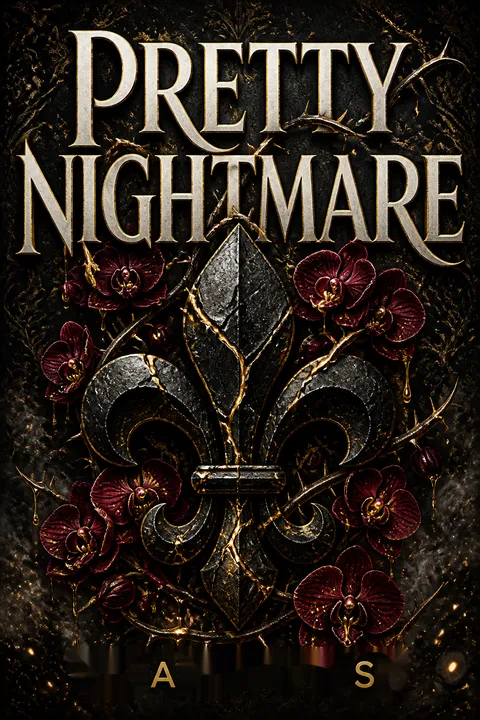
Pretty Nightmare is a dark, intricate exploration of trauma, memory, and the search for family in a world shaped by violence and control. J.A. Huss uses the conventions of psychological thriller and dark romance to probe the deepest wounds of her characters, refusing easy answers or tidy resolutions. The novel's nonlinear structure and shifting perspectives mirror the fractured psyches of its protagonists, immersing the reader in their confusion, longing, and pain. At its core, the book is about the struggle to reclaim agency and identity from forces—both external and internal—that seek to define and destroy. The legacy of the Company is both a literal and metaphorical curse, a generational trauma that can only be survived, not erased. Yet, amidst the darkness, there is hope: in the bonds of chosen family, in the possibility of forgiveness, and in the courage to face the monster within. Pretty Nightmare asks whether it is possible to break the cycle, to build something new from the ruins, and to choose love over fear. Its answer is both sobering and inspiring: survival is messy, healing is incomplete, but the act of choosing each other—again and again—is its own kind of victory.
Review Summary
Pretty Nightmare receives overwhelmingly positive reviews (4.46/5) for its mind-bending psychological thriller elements. Readers praise J.A. Huss's complex storytelling involving Indie, Adam, McKay, and Donovan—characters raised by "The Company" who struggle with memory loss and hidden pasts. Reviewers highlight shocking twists, particularly the final revelation, layered character development, and intense romantic dynamics including MM and MMFM relationships. Some found the exposition heavy and pacing uneven mid-book. Most emphasize this cannot be read as standalone and warn of a cliffhanger ending that leaves questions unanswered.
Characters
Indie Anna Accorsi
Indie is the axis around which the entire narrative spins. Once a child weaponized by the Company, she is now a woman determined to build a family from the ruins of her past. Her love is fierce, her loyalty absolute, but her psyche is fractured by trauma, memory loss, and manipulation. Indie's relationships with Adam, McKay, Donovan, and Nathan are complex—she is lover, friend, daughter, and sometimes mother. Her quest for truth is both her salvation and her undoing, as she struggles to reconcile who she was made to be with who she wants to become. Indie's greatest strength is her refusal to give up on love, even when it hurts.
Adam Boucher
Adam is the de facto head of the family, shaped by the Company's brutal training and his own need for control. He is fiercely protective of Indie and Maggie, but his love is possessive and sometimes destructive. Adam's relationship with McKay is both brotherly and romantic, marked by rivalry, longing, and deep loyalty. He is haunted by his father's legacy, the violence he has committed, and the fear that he is repeating the same mistakes. Adam's journey is one of learning to let go—of power, of secrets, and of the need to be invulnerable.
Core McKay
McKay is the family's quiet strength, more comfortable in the background than the spotlight. He is a craftsman, a protector, and a man of deep feeling, though he struggles to express it. McKay's love for Indie is nurturing, almost parental, while his bond with Adam is fraught with unspoken desire and old wounds. He is haunted by the choices he has made, especially regarding Nathan and the Company. McKay's journey is about embracing change, risking vulnerability, and choosing love over safety.
Donovan Couture
Donovan is both insider and outsider—a psychiatrist trained in PSYOPS, a man who knows too much and feels too little. His relationship with Indie is built on friendship and shared trauma, but his own psyche is unstable, split between himself and his twin, Carter. Donovan's struggle with identity, guilt, and control is the story's psychological core. He is both victim and perpetrator, healer and destroyer. Donovan's ultimate sacrifice is both tragic and redemptive, forcing the family to confront the darkness within themselves.
Nathan St. James
Nathan is the boy next door, Indie's first love and the story's ghost. Presumed dead, his return forces everyone to confront the truths they've buried. Nathan is both innocent and complicit, shaped by the same forces that broke Indie. His love for her is genuine, but his presence is a reminder of everything they've lost. Nathan's journey is one of redemption—facing his own failures, claiming his daughter, and choosing to fight for the family he once abandoned.
Maggie
Maggie is the child at the center of the storm—a living symbol of both trauma and possibility. Raised by a family of broken people, she is both protected and endangered by their love. Maggie's intelligence and resilience are remarkable, but she is also a child forced to grow up too soon. Her paternity is a source of conflict, but her presence is a source of healing. Maggie represents the hope that the cycle can be broken, that love can triumph over violence.
Carter Couture
Carter is Donovan's twin, both literally and psychologically. He is the embodiment of the Company's worst impulses—manipulation, violence, and control. Carter's presence is both external threat and internal demon, pushing Donovan to the brink of madness. He is a master of PSYOPS, a manipulator of minds, and the architect of much of the family's suffering. Carter's defeat is necessary for the family's survival, but it comes at a terrible cost.
The Company
The Company is less a character than a force—a shadowy organization that shapes every life in the story. Its legacy is one of exploitation, violence, and control. The Company's rules, secrets, and genetic experiments haunt the characters, even after its supposed fall. It is the source of their trauma, the reason for their bonds, and the enemy they can never fully escape.
Wendy
Wendy is a former Company girl who now operates on the fringes, providing information and support to Adam and the others. Her loyalty is uncertain, her motives complex. Wendy represents the possibility of escape, but also the danger of betrayal. She is both ally and threat, a reminder that no one is ever truly free of the Company.
Ana Avery
Ana is Donovan's former lover and the only person who truly saw him. Her death is a turning point, pushing Donovan further into his own mind and setting the stage for his final confrontation with Carter. Ana represents the possibility of healing, the life that might have been, and the cost of survival.
Plot Devices
Nonlinear Narrative and Multiple Perspectives
The novel unfolds through a nonlinear structure, shifting between past and present, memory and reality, and multiple points of view. This device immerses the reader in the characters' psychological states, blurring the line between truth and fiction. The use of journals, therapy sessions, and hypnosis as narrative tools allows for deep exploration of trauma, memory, and identity. The story's structure is itself a reflection of the characters' struggles to make sense of their lives.
Unreliable Memory and Hypnosis
The characters' attempts to recover lost memories—through hypnosis, therapy, and self-experimentation—highlight the unreliability of memory and the dangers of seeking absolute truth. This device creates suspense and ambiguity, forcing both characters and readers to question what is real. The manipulation of memory is both a weapon and a wound, central to the story's exploration of trauma and healing.
The Company as Omnipresent Threat
The Company is both a literal organization and a metaphor for generational trauma, control, and the inescapability of the past. Its presence is felt in every relationship, every secret, and every act of violence. The Company's rules and experiments are the source of the characters' suffering, but also the reason for their bonds. The threat of the Company—and its agents, like Carter—drives the plot and shapes the characters' choices.
Cycles and Circles
The motif of circles and cycles—of violence, love, betrayal, and redemption—runs throughout the novel. The characters are caught in patterns set by the Company and their own choices, struggling to break free but often repeating the same mistakes. The story's structure, with its echoes and repetitions, reinforces this theme. The possibility of change is always present, but never guaranteed.
Psychological Duality and Split Selves
Donovan's split personality, embodied by Carter, is both a literal and symbolic device. It externalizes the internal battles faced by all the characters—the struggle between love and violence, truth and denial, self and other. The battle for control within Donovan mirrors the larger battle for the family's survival, and the story's ultimate message: the greatest enemy is often within.
Creeping Beautiful Series Series

About the Author
Other books by J.A. Huss



Download PDF
Download EPUB
.epub digital book format is ideal for reading ebooks on phones, tablets, and e-readers.








































