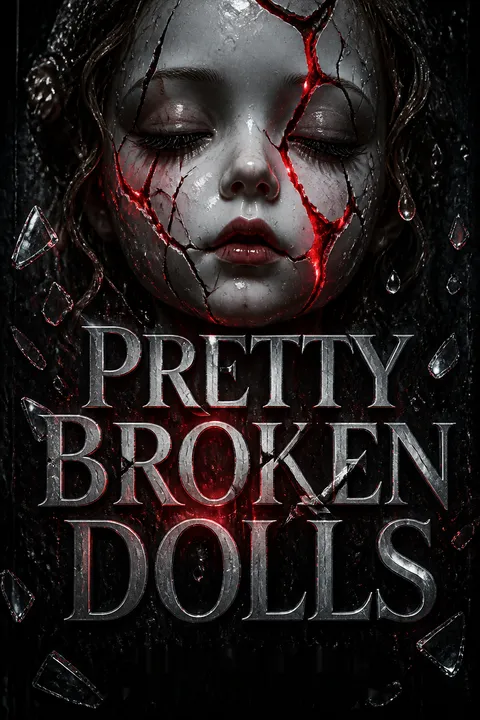

Plot Summary
V Games: Blood and Betrayal
In Russia, Viktor Vasiliev is raised in a criminal dynasty where power is proven through The V Games—a brutal underground competition of violence, sex, and survival. Viktor idolizes his father and older brother Vlad, desperate to earn their respect. The family's business is a front for darker depravity, and Viktor's coming-of-age is marked by blood, betrayal, and the need to prove himself. The V Games are a rite of passage, but also a crucible that forges monsters and masters, setting the stage for Viktor's future and the twisted relationships that will define his life.
Monster and Master Bond
In America, Viktor—now Cassian Harris—builds a new life, running an exclusive club and hiding his past. He meets Benjamin Stanton, a man as broken and dangerous as himself. Their friendship is a dance of dominance and submission, with Viktor as the master and Benjamin as the monster. Both are haunted by trauma and violence, drawn together by their shared darkness. Their bond is tested by jealousy, secrets, and the arrival of new "dolls"—women who become the objects of their obsession and violence.
Dolls and Their Strings
The "dolls"—Kami, Elizabeth (Bethany), and others—are caught in the web of Viktor and Benjamin's games. Each woman is both victim and player, manipulated, abused, and sometimes empowered by the men who control them. The dolls' suffering is both a source of pleasure and a test of loyalty for the men. The lines between love, obsession, and cruelty blur, as the dolls fight for survival, revenge, or a twisted sense of belonging. The story explores the psychology of victimhood and complicity, as well as the allure of power and submission.
Kami's Cage and Kami's Wrath
Kami, a fierce and skilled fighter, becomes both Viktor's sparring partner and his emotional touchstone. When she is captured and brutalized by Benjamin, her spirit is nearly broken. Viktor's loyalty is torn between his monster and his old friend, and Kami's suffering becomes a catalyst for further violence. Her eventual betrayal—warning Vlad about Viktor's weaknesses—sets off a chain reaction that will threaten everyone's survival. Kami's arc is one of pain, resilience, and ultimately, tragic sacrifice.
Stalkers, Secrets, and Setups
As Viktor and Benjamin's world expands, they are targeted by stalkers and enemies from within. Lucy (Jessica Johnson), a former ally, orchestrates a revenge plot rooted in her own trauma and jealousy. She kidnaps Elizabeth, setting a deadly trap that forces Viktor and Benjamin to choose between each other and their doll. The police, led by Detective Dillon Scott, close in, but are constantly outmaneuvered by the criminals' cunning and the corruption that shields them. Secrets about identities, past betrayals, and hidden motives come to light, threatening to destroy the fragile alliances.
The Price of Loyalty
Loyalty is tested at every turn—between brothers, lovers, and friends. Viktor must choose between saving Benjamin or Elizabeth, while Benjamin is forced to trust Viktor to rescue his doll. Kami's betrayal, motivated by love and fear, leads to her death at Viktor's hands. The cost of loyalty is steep: lives are lost, innocence is shattered, and the survivors are forever changed. The story interrogates what it means to be loyal in a world where trust is a weapon and betrayal is inevitable.
The Doll's Descent
Elizabeth, once a victim, embraces her own darkness. After being brutalized and manipulated, she exacts revenge on her tormentor, Jessica, in a scene of shocking violence. Her transformation is complete when she becomes complicit in the games of Monster and Master, relishing her role as their perfect doll. The narrative explores the seductive power of violence and the way trauma can breed new monsters. Elizabeth's descent is both horrifying and strangely empowering, as she claims agency in a world designed to break her.
Blood on the Glass
The story's most intense moments are marked by graphic violence—sexual, physical, and psychological. The glass cages, the blood rituals, and the public punishments are both literal and symbolic barriers between the characters and the world. Violence becomes a form of communication, a way to express love, hate, and dominance. The spectacle of suffering is both entertainment and a test of loyalty, blurring the lines between victim and perpetrator, watcher and participant.
The Trap is Sprung
Lucy's revenge plot forces Viktor and Benjamin into an impossible choice: save the doll or save each other. The trap is both physical and psychological, exposing the vulnerabilities and desires of all involved. The police are drawn into the game, but are powerless to stop the carnage. The resolution is bloody and ambiguous—no one escapes unscathed, and the cycle of violence continues. The trap is a metaphor for the inescapable nature of trauma and the way the past shapes the present.
Family Ties, Family Lies
Vlad, Viktor's brother, arrives from Russia, bringing news of their father's death and the end of Viktor's exile. The family's criminal empire beckons, and Viktor must decide where his loyalties lie. The theme of family—both biological and chosen—runs throughout the story, complicating every relationship. Betrayals by siblings, the legacy of parental abuse, and the longing for acceptance drive the characters' actions. The past is never truly left behind, and the sins of the fathers are visited upon the sons and daughters.
The Monster's Surrender
The relationship between Viktor and Benjamin reaches its climax as they surrender to each other—sexually, emotionally, and psychologically. Their bond is cemented through acts of violence and tenderness, as they accept their roles as master and monster, but also as equals and lovers. The inclusion of Elizabeth completes their family, creating a triad that is both nurturing and destructive. The surrender is both a victory and a loss, as the characters give up their illusions of control in exchange for connection.
The Master's Exile
Viktor's arrest and exile threaten to destroy the fragile family he has built. Kami's betrayal and death, the loss of his father, and the uncertainty of Benjamin's fate push Viktor to the brink. The narrative lingers on themes of grief, regret, and the longing for redemption. The promise of return—to Russia, to family, to power—offers hope, but also the threat of repeating old patterns. The exile is both punishment and opportunity, forcing Viktor to confront his past and choose his future.
The Doll's Revenge
Elizabeth's arc culminates in her taking violent revenge on her tormentor and embracing her role as both victim and perpetrator. Her actions are both a response to trauma and a claim to power. The story challenges the reader to question the morality of revenge and the possibility of healing. Elizabeth's violence is both horrifying and cathartic, a necessary step in her transformation from broken doll to active player in the game.
The Return of Vlad
Vlad's arrival signals a shift in power and the possibility of a new beginning. He offers Viktor, Benjamin, and Elizabeth a place in the family empire, promising protection and acceptance. The return to Russia is both a homecoming and a new exile, as the characters must navigate old loyalties and new dangers. Vlad's presence is both reassuring and threatening, a reminder that the cycle of violence and betrayal is never truly broken.
Escape and Reunion
After a series of daring escapes, betrayals, and rescues, Viktor, Benjamin, and Elizabeth are finally reunited. Their bond is stronger for having survived so much loss and violence. The reunion is both tender and savage, marked by declarations of love, acts of dominance, and the promise of a new life together. The narrative suggests that healing is possible, but only on the characters' own terms.
The New Empire
In Russia, the trio establishes themselves as the new rulers of the Vasiliev empire. The V Games continue, but with new players and new rules. The family's power is built on violence, loyalty, and the willingness to do whatever it takes to survive. The narrative explores the allure of power and the cost of maintaining it. The new empire is both a sanctuary and a prison, a place where the characters can finally be themselves, but also a reminder of the darkness that brought them together.
The Dollhouse Grows
The story ends with the creation of a literal and metaphorical dollhouse—a place where the trio collects and controls new dolls, perpetuating the cycle of violence and dominance. The dollhouse is both a symbol of their power and a warning about the dangers of unchecked desire. The narrative leaves open the question of whether the characters are victims, villains, or something in between.
Monsters, Masters, and Dolls
The final chapter reflects on the nature of family, love, and monstrosity. Viktor, Benjamin, and Elizabeth have found a twisted happiness together, but their peace is built on the suffering of others. The story ends with the promise of new games, new dolls, and new challenges—a never-ending cycle of violence, desire, and the search for belonging. The reader is left to ponder the meaning of love and loyalty in a world where monsters are made, not born.
Analysis
Pretty Broken Dolls is a dark, transgressive exploration of trauma, power, and the search for belonging. At its core, the novel interrogates the ways in which violence and abuse shape identity, relationships, and the possibility of redemption. The characters are both victims and perpetrators, caught in cycles of betrayal and revenge that mirror the inescapable legacies of family and society. The story's use of the doll motif—both as a symbol of victimhood and agency—challenges traditional notions of innocence and complicity. The relationship between Viktor, Benjamin, and Elizabeth is both horrifying and strangely tender, offering a vision of love that is forged in darkness and sustained by mutual need. The novel's structure—fragmented, nonlinear, and psychologically intense—reflects the fractured psyches of its characters and the chaos of their world. Ultimately, Pretty Broken Dolls asks whether healing is possible in a world built on suffering, and whether monsters are born, made, or chosen. The answer is left deliberately ambiguous, inviting the reader to confront their own complicity in the spectacle of violence and the allure of the forbidden.
Review Summary
People Also Read

Characters
Viktor Vasiliev / Cassian Harris
Viktor is the central figure, shaped by a brutal Russian upbringing and a desperate need for approval from his father and brother. As Cassian Harris in America, he reinvents himself as a powerful, enigmatic club owner, hiding his monstrous past. Viktor's psyche is a battleground of dominance, vulnerability, and longing for connection. His relationships—with Benjamin, Kami, and Elizabeth—reveal his capacity for both cruelty and tenderness. Betrayed by family and friends, Viktor's journey is one of self-discovery, loss, and the search for a place to belong. His development is marked by shifting allegiances, the acceptance of his own darkness, and the creation of a new, chosen family.
Benjamin Stanton (Benny)
Benjamin is Viktor's equal and opposite—a man broken by childhood trauma, obsessed with control, and capable of shocking violence. His relationship with Viktor is a complex dance of dominance, submission, and mutual need. Benjamin's love for his "doll," Elizabeth, is both possessive and redemptive, offering him a chance at connection but also fueling his worst impulses. His rivalry with Kami, jealousy over Viktor, and eventual surrender to love mark his psychological evolution. Benjamin is both victim and perpetrator, shaped by abuse but determined to claim agency, even if it means becoming the monster others fear.
Elizabeth Stanton (Bethany)
Elizabeth begins as a victim—kidnapped, abused, and manipulated by the men around her. Over time, she embraces her own darkness, taking violent revenge on her tormentors and claiming her place as the "perfect doll" for Monster and Master. Her psychological journey is one of survival, complicity, and transformation. Elizabeth's relationships—with her family, her captors, and herself—are fraught with betrayal and longing. She becomes both a symbol of victimhood and a new kind of monster, challenging the boundaries between innocence and guilt, love and violence.
Kami (Klara Alla Mila Ivanov)
Kami is a skilled combatant and Viktor's emotional anchor, representing both his past and his potential for redemption. Her arc is defined by resilience in the face of brutality, a fierce desire for survival, and the pain of betrayal—both given and received. Kami's loyalty is tested by love and fear, leading her to betray Viktor in a misguided attempt to save him. Her death is a turning point, exposing the cost of loyalty and the impossibility of escape from the cycle of violence.
Vlad Vasiliev
Vlad is Viktor's older brother, a figure of authority, power, and ambiguous morality. His arrival signals a shift in the balance of power, offering both salvation and new dangers. Vlad's relationship with Viktor is marked by rivalry, loyalty, and the weight of family expectations. He is both protector and judge, embodying the legacy of violence that shapes the Vasiliev family. Vlad's actions force Viktor to confront his past and choose his future, making him a catalyst for change and a reminder of the inescapable pull of blood ties.
Lucy / Jessica Johnson
Lucy is a former ally turned enemy, driven by trauma, jealousy, and a desire for revenge. Her elaborate plot to destroy Viktor and Benjamin is rooted in her own victimization and the need to reclaim power. Lucy's actions expose the fragility of trust and the dangers of unchecked desire. She is both a mirror and a warning—a reminder that anyone can become a monster under the right circumstances.
Detective Dillon Scott
Dillon is the law's representative, determined to bring Viktor and Benjamin to justice. His pursuit is personal, driven by past losses and the need to protect his family. Dillon's interactions with the criminals are marked by frustration, moral ambiguity, and the realization that the system is often powerless against true evil. His character explores the limits of justice, the cost of obsession, and the difficulty of escaping the shadows of the past.
Elise Stanton
Elise is Elizabeth's sister, caught in the crossfire of the family's violence. Her relationship with Marcus and her pregnancy add layers of vulnerability and hope to the narrative. Elise represents the possibility of a different life, but is constantly threatened by the legacy of trauma and betrayal that haunts her family.
Marcus James
Marcus is Dillon's partner, a figure of stability and loyalty. His relationship with Elise and his role in the investigation provide a counterpoint to the chaos of the main characters. Marcus's suffering and resilience highlight the collateral damage of the central conflict and the difficulty of maintaining integrity in a corrupt world.
Vlad's Father (Yuri Vasiliev)
Though largely offstage, Yuri's influence pervades the narrative. His cruelty, expectations, and eventual death shape the destinies of his children. Yuri represents the inescapable weight of family legacy and the way the sins of the fathers are visited upon the next generation.
Plot Devices
Duality of Monster and Master
The narrative is structured around the shifting dynamics between Viktor (Master) and Benjamin (Monster), using their relationship as a lens to examine themes of dominance, vulnerability, and the search for connection. The duality is mirrored in their interactions with the dolls, the games they play, and the violence they inflict. The story uses alternating perspectives, unreliable narration, and psychological games to keep the reader off-balance and engaged.
The Doll Motif
Dolls are both literal and metaphorical throughout the story—objects to be played with, broken, and collected. The motif is used to explore the psychology of victimhood, the allure of submission, and the possibility of reclaiming power through violence. The dollhouse at the end is both a symbol of victory and a warning about the dangers of unchecked desire.
Cycles of Betrayal and Revenge
The story is driven by cycles of betrayal—between family members, lovers, and friends—and the revenge that follows. Foreshadowing is used to build tension, with past traumas and secrets resurfacing at key moments. The repetition of violence, both physical and emotional, creates a sense of inevitability and raises questions about the possibility of escape or redemption.
Interwoven Timelines and Perspectives
The narrative shifts between past and present, multiple points of view, and different locations (Russia and America). This structure mirrors the characters' fractured identities and the way trauma disrupts linear storytelling. The use of flashbacks, inner monologues, and shifting perspectives deepens the psychological complexity and keeps the reader engaged.
Violence as Communication
Violence is not just a plot device, but a language through which the characters express love, hate, loyalty, and desire. The spectacle of suffering—glass cages, public punishments, blood rituals—serves as both entertainment and a test of loyalty. The story challenges the reader to question the boundaries between pleasure and pain, victim and perpetrator.
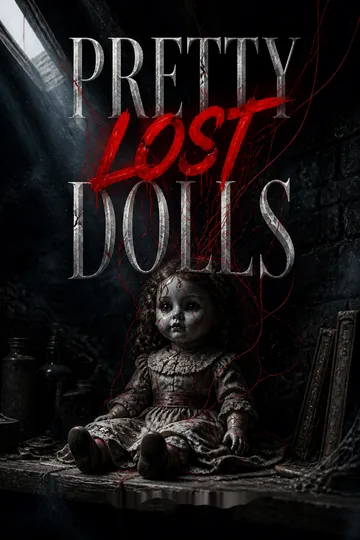
Pretty Little Dolls Series
Download PDF
Download EPUB
.epub digital book format is ideal for reading ebooks on phones, tablets, and e-readers.








































