
Plot Summary
Shattered Beginnings, Billionaire Dreams
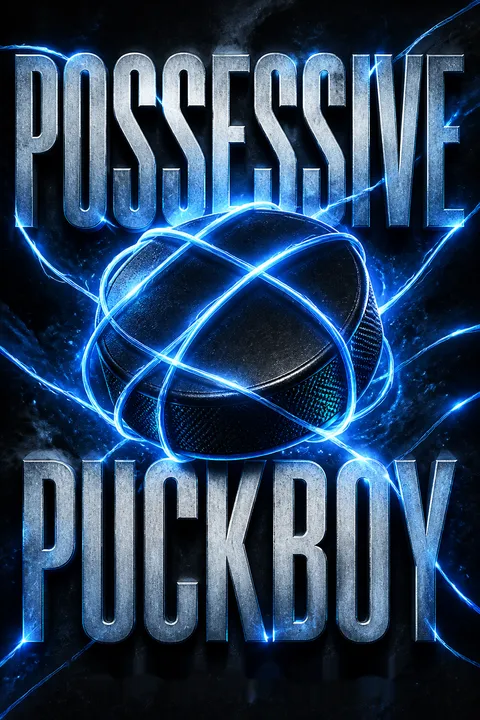
Parker Duchene's life is in ruins: his father's death, a company sold, a vanished mother, and a breakup leave him isolated despite his billions. Seeking purpose, he sets his sights on buying the Colorado hockey team his father once played for, hoping to honor his memory and reclaim a sense of belonging. Yet, beneath the surface, Parker's motivations are tangled—he's haunted by high school traumas, especially those inflicted by Connor Kikishkin, the team's star player and his former tormentor. Parker's wealth can buy him the team, but not the connection or respect he craves. As he steps into ownership, he's determined to prove himself, not just to the world, but to the ghosts of his past—and maybe, to Connor most of all.
High School Ghosts Return
Connor Kikishkin, Colorado's hockey hero, is blindsided when Parker becomes the team's new owner. Memories of high school bullying—his own complicity and aggression—flood back, especially the day he targeted Parker to "protect" his brother Easton. Now, the power dynamic is reversed: Parker holds Connor's career in his hands. Connor's guilt and confusion resurface, compounded by his strained relationships with his brothers and best friend. He's forced to confront the reality that his actions shaped Parker's life, and that his own identity has been built on control and overprotection. As Parker asserts his authority, Connor is left wondering if he's about to lose everything he's worked for, and if he even deserves to keep it.
Power Plays and Old Wounds
Parker relishes his newfound authority, especially over Connor, but finds ownership lonelier and more complicated than expected. His attempts to be an involved owner are met with resistance, and his fixation on Connor blurs the line between revenge and unresolved attraction. Connor, meanwhile, is tormented by Parker's cold professionalism and the threat of retribution. Their interactions are charged with old pain and new tension, culminating in a public confrontation that echoes their high school dynamic. Both men are trapped by their pasts, unable to move forward until they face the truth about what they want—and what they regret.
Locker Room Confrontations
Connor's protective instincts flare when he sees Parker with Easton, leading to a physical altercation that mirrors their high school encounter. Parker, cornered but empowered, refuses to back down. The incident exposes Connor's inability to change, his struggle to relinquish control, and his deep-seated need to be needed. For Parker, it's a bitter validation of his worst fears: that people never really change, and that power doesn't heal old wounds. The confrontation leaves both men shaken, forcing them to question their roles—not just as owner and player, but as men haunted by their shared history.
Charity Night Reckonings
At a charity event for anti-bullying, Parker orchestrates a subtle reckoning, surrounding Connor with reminders of his past cruelty. The night is fraught with tension: Connor brings a date, Parker seethes with jealousy, and both are forced to confront the gap between who they were and who they want to be. As speeches about bullying dredge up painful memories, Connor's guilt intensifies, driving him to drink and self-doubt. Parker, meanwhile, is left questioning whether revenge brings satisfaction—or just more loneliness. The event becomes a crucible, burning away their facades and exposing raw vulnerability beneath.
Apologies and Alcohol
Connor's attempts at apology fall flat, his words insincere and self-serving. Easton calls him out, pushing him to confront the real harm he caused. Overwhelmed, Connor turns to alcohol, unraveling in public and private. Parker witnesses his breakdown, torn between the urge for revenge and unexpected empathy. The night ends with Connor humiliated and Parker realizing that vengeance doesn't heal old wounds—it only perpetuates them. Both men are left adrift, their roles as villain and victim blurring as they stumble toward something resembling understanding.
Unraveling Resentment
Parker's anger begins to unravel as he sees Connor's pain up close. The satisfaction of revenge is hollow; instead, he's left with a sense of shared brokenness. Connor, stripped of his defenses, admits to feeling lost and unmoored without the roles he's always played. Their mutual vulnerability opens a door to something new: the possibility of forgiveness, and perhaps even friendship. Yet, the scars of the past run deep, and both men struggle to trust that change is possible—for themselves or each other.
Hangovers and Honest Talks
The aftermath of the charity night forces Connor to confront the reality of his actions and the emptiness of his life outside hockey. Parker, too, is forced to reckon with his own loneliness and the futility of holding onto old grudges. In a rare moment of honesty, they share their fears and regrets, finding common ground in their mutual sense of isolation. The conversation is awkward, raw, and unexpectedly healing, laying the groundwork for a fragile truce—and the first glimmers of something more.
Owner's Suite Confessions
Parker invites Connor to watch a game from his suite, a gesture that shifts their dynamic from adversarial to tentative allies. In the privacy of the empty box, Connor offers a genuine apology, acknowledging the harm he caused and his desire to be better. Parker, moved by the sincerity, accepts, and the weight of years of resentment begins to lift. Their conversation turns personal, exploring identity, loneliness, and the struggle to define oneself outside of others' expectations. For the first time, they see each other not as enemies, but as flawed, searching men.
Identity Crisis on Ice
Connor's existential crisis deepens as he questions his sexuality, his love for hockey, and the roles he's always played. Parker's probing questions force him to confront uncomfortable truths: maybe he's not straight, maybe he doesn't love hockey, maybe he's been living someone else's life all along. The realization is both terrifying and liberating. As he opens up to Parker, their connection deepens, moving from wary respect to genuine intimacy. Yet, the fear of change—and of being truly seen—remains a formidable barrier.
Unexpected Kisses, Unspoken Truths
A charged encounter outside a bar leads to an impulsive kiss, shattering the last of their emotional walls. Connor, driven by jealousy and confusion, claims Parker in a moment of raw vulnerability. The kiss is electric, awakening desires neither fully understands. Parker, stunned but exhilarated, invites Connor to talk, leading to a night of confessions, cuddling, and the first steps toward physical intimacy. Both men are left reeling, unsure of what it means, but unable to deny the pull between them.
Cuddling, Cravings, and Clarity
A night spent cuddling transforms their relationship, offering comfort and clarity. Connor, surprised by how natural it feels, begins to embrace his attraction to Parker and the possibility of a new identity. Their physical connection grows, tentative but passionate, as they explore boundaries and desires together. For Parker, the experience is healing—a chance to be wanted for who he is, not just what he represents. As they navigate the complexities of secrecy, sexuality, and self-acceptance, their bond strengthens, setting the stage for deeper commitment.
Road Trips and Realizations
Traveling with the team, Connor and Parker navigate the challenges of secrecy and longing. Their connection is tested by distance, temptation, and the ever-present risk of exposure. Late-night texts, stolen moments, and shared vulnerabilities keep their bond alive, even as doubts and insecurities creep in. For Connor, the journey is one of self-discovery—learning to want, to need, and to choose for himself. For Parker, it's a lesson in trust and letting go of control. Together, they begin to imagine a future beyond the constraints of their pasts.
Rivalries, Revelations, and Risks
Connor's evolving relationship with his brothers and best friend Knox mirrors his internal transformation. As he comes out to those closest to him, he's met with support, humor, and the occasional jab. The process is messy but affirming, reinforcing the importance of chosen family and honest connection. Meanwhile, Parker grapples with his own fears—of being left behind, of not being enough, of losing the fragile happiness he's found. Their relationship becomes a safe haven, even as the pressures of hockey and public life threaten to pull them apart.
Possessive Hearts Collide
The possessive streaks in both men come to the fore, manifesting in playful banter, heated sex, and moments of vulnerability. Parker's need to be wanted collides with Connor's instinct to claim and protect, creating a dynamic that is both combustible and deeply satisfying. As they navigate jealousy, boundaries, and the realities of being closeted, they learn to communicate, compromise, and trust. Their love becomes a source of strength, helping them face the challenges ahead with newfound confidence.
Coming Out, Coming Home
Connor's decision to come out to his family—and to prioritize his relationship with Parker—marks a turning point. Supported by his brothers, parents, and friends, he begins to envision a life beyond hockey, one where he can be fully himself. Parker, too, finds acceptance and belonging, both in Connor's family and in the broader community. Together, they navigate the complexities of public and private life, balancing the need for secrecy with the desire for authenticity. Their home becomes a sanctuary, a place where love and acceptance are unconditional.
Letting Go of Hockey
Connor's growing disillusionment with hockey culminates in a decision to retire, despite the team's success and Parker's hopes for a championship. The choice is fraught with guilt, fear, and uncertainty, but ultimately liberating. Supported by Parker and his family, Connor begins to explore new passions—public speaking, advocacy, and mentoring—finding purpose beyond the rink. Parker, too, embraces change, channeling his energy into innovative projects and deeper community involvement. Together, they redefine success, choosing happiness and authenticity over external validation.
New Beginnings, Shared Futures
With hockey behind them, Connor and Parker build a life rooted in love, honesty, and mutual support. Their relationship, once forged in pain and power struggles, becomes a model of healing and growth. As they move in together, adopt a pet, and support each other's dreams, they find joy in the ordinary and the extraordinary alike. Their story becomes one of redemption—not just for themselves, but for everyone who's ever felt trapped by the past. In each other, they find not just forgiveness, but the promise of a future where love is both possessive and freeing, fierce and gentle, hard-won and wholly theirs.
Analysis
Possessive Puckboy is a contemporary queer romance that transcends its sports setting to deliver a nuanced exploration of trauma, forgiveness, and self-actualization. At its core, the novel interrogates the ways in which power, shame, and longing shape our identities—and how true healing requires both accountability and compassion. Through Parker and Connor's intertwined journeys, the story dismantles the myth of the "perfect victim" and "irredeemable bully," revealing instead the messy, human reality of growth and change. The narrative's focus on chosen family, community, and the courage to be vulnerable offers a powerful counterpoint to the isolation and bitterness that so often accompany trauma. By centering queer love not as a prize or a spectacle, but as a process of mutual recognition and support, the novel challenges readers to rethink what it means to be "possessive"—not as control, but as a fierce, tender commitment to seeing and being seen. Ultimately, Possessive Puckboy is a testament to the possibility of redemption, the necessity of honest connection, and the transformative power of love that is both hard-won and freely given.
Review Summary
Possessive Puckboy received generally positive reviews, with readers praising the character development, chemistry between Connor and Parker, and the enemies-to-lovers trope. Many enjoyed Connor's journey of self-discovery and the healthy relationship portrayal. Some criticisms included pacing issues in the latter half and concerns about Connor's decision to quit hockey. Readers appreciated the reduced cameos from previous characters and the setup for the next book. Overall, fans of the series found it enjoyable, while some felt it was predictable or lacked excitement.
People Also Read




Characters
Parker Duchene
Parker is a brilliant, introverted tech entrepreneur whose life is marked by loss, isolation, and a deep yearning for connection. The death of his father and a string of personal betrayals leave him adrift, seeking meaning in the purchase of the Colorado hockey team. Parker's relationship with power is complex: he wields it as both shield and weapon, especially against Connor, the man who once made his life hell. Yet beneath his icy exterior lies a wounded heart, desperate for respect, love, and belonging. Parker's journey is one of vulnerability—learning to let go of old resentments, accept genuine apologies, and risk his heart for the possibility of real intimacy. His arc is a testament to the healing power of forgiveness and the courage it takes to be seen.
Connor Kikishkin
Connor is the quintessential golden boy: talented, charismatic, and fiercely loyal to his family. Yet, his confidence masks deep insecurities and a lifelong struggle with control. Haunted by his role as both protector and bully, Connor's identity is built on sacrifice—always putting others first, often to his own detriment. His journey is one of self-discovery, as he confronts his sexuality, questions his love for hockey, and learns to prioritize his own happiness. Connor's relationship with Parker is transformative, forcing him to reckon with his past and embrace vulnerability. Through love, he finds the strength to let go of old roles and forge a new path—one defined by authenticity, empathy, and genuine connection.
Easton Kikishkin
Easton is Connor's younger brother and a rising hockey star in his own right. Openly gay and unapologetically himself, Easton serves as both mirror and foil to Connor. Their relationship is fraught with tension—Connor's overprotectiveness often stifles Easton's independence—but also deep love. Easton's willingness to challenge family dynamics and pursue his own happiness inspires Connor to do the same. As a member of the Queer Collective, Easton embodies the possibility of living authentically, even in the face of adversity.
Knox Addison
Knox is Connor's lifelong best friend and Easton's partner, creating a web of loyalty and complicated emotions. Levelheaded and supportive, Knox often serves as the voice of reason, helping both brothers navigate their personal and professional challenges. His own journey—balancing love, career, and friendship—mirrors the central themes of the story: the importance of honesty, boundaries, and chosen family.
Kate and Michael Kikishkin
Connor's parents are loving but imperfect, their well-intentioned guidance often manifesting as pressure and expectation. As both family and professional managers, they blur the lines between support and control, shaping their sons' identities in profound ways. Their eventual acceptance of Connor's choices—both in love and career—marks a crucial step in his journey toward self-acceptance.
Lachie Kikishkin
Lachie brings levity and candor to the family dynamic, often serving as a sounding board for his brothers' struggles. His own journey as a rookie in the NHL and as a queer man adds depth to the story's exploration of identity and belonging.
Coach Macklin
As the team's head coach, Macklin represents the old guard of hockey—pragmatic, results-driven, and initially wary of Parker's involvement. Over time, he becomes a surprising source of support, recognizing the value of innovation and the importance of player well-being. His evolving relationship with Parker and Connor underscores the story's themes of growth and adaptation.
Sam (Animal Shelter Worker)
Sam's brief but memorable role as the animal shelter worker who helps Parker adopt a pet rat serves as a catalyst for Parker and Connor's deepening bond. His warmth and acceptance contrast with the coldness of Parker's past, symbolizing the possibility of new connections and second chances.
Novicov ("Novi")
Novi, a veteran player from Russia, initially appears as an antagonist—stoic, resistant to Pride events, and seemingly homophobic. However, his own struggles with identity and family reveal a shared vulnerability with Connor. Their eventual understanding highlights the universality of fear, longing, and the search for acceptance.
The Queer Collective
The Queer Collective—a group of openly queer NHL players and allies—serves as both backdrop and lifeline for the main characters. Their camaraderie, humor, and unwavering support embody the story's message: that healing and happiness are found not in isolation, but in community.
Plot Devices
Dual Narration and Alternating Perspectives
The novel employs a dual first-person narrative, alternating between Parker and Connor's points of view. This structure allows readers to experience the emotional complexity of both characters—their fears, desires, and misunderstandings—while highlighting the ways their perceptions of each other shift over time. The alternating perspectives create dramatic irony, deepen empathy, and drive the story's emotional arc.
Power Reversal and Role Inversion
A central device is the reversal of power: Parker, once the bullied outcast, becomes the owner of the team and Connor's boss. This inversion forces both men to confront their pasts and navigate the ethical and emotional complexities of their new dynamic. The shifting balance of power is mirrored in their personal relationship, where dominance and vulnerability are continually renegotiated.
Symbolic Settings and Objects
Key settings—the empty owner's suite, the locker room, the animal shelter, Parker's penthouse—serve as metaphors for isolation, vulnerability, and the search for belonging. The adoption of a pet rat, initially a joke, becomes a symbol of Parker and Connor's willingness to care for something (and someone) overlooked by others. These spaces and objects ground the story's emotional stakes in tangible reality.
Foreshadowing and Echoes
The narrative is rich with echoes: high school confrontations replayed in the present, old nicknames resurfacing, and past mistakes haunting current decisions. Foreshadowing is used to build tension—Parker's initial desire for revenge hints at deeper unresolved feelings, while Connor's overprotectiveness signals his eventual struggle to let go. These echoes reinforce the story's themes of growth, forgiveness, and the cyclical nature of trauma and healing.
Thematic Motifs: Possession, Apology, and Reinvention
Possession—both literal and emotional—is a recurring motif, explored through jealousy, ownership, and the desire to claim or be claimed. Apology and forgiveness are central, with multiple failed and successful attempts at reconciliation. Reinvention—of self, relationships, and purpose—propels the narrative, as both men learn to shed old identities and embrace new possibilities.
Community and Chosen Family
The presence of the Queer Collective, supportive friends, and family members underscores the importance of community in overcoming isolation and shame. These relationships provide both challenge and comfort, enabling Parker and Connor to risk vulnerability and pursue happiness on their own terms.
Narrative Structure: From Enemies to Lovers
The story follows a familiar enemies-to-lovers trajectory, but subverts expectations by foregrounding psychological realism, queer identity, and the complexities of power and forgiveness. The slow-burn romance is interwoven with personal growth, making the eventual union feel both hard-won and deeply satisfying.
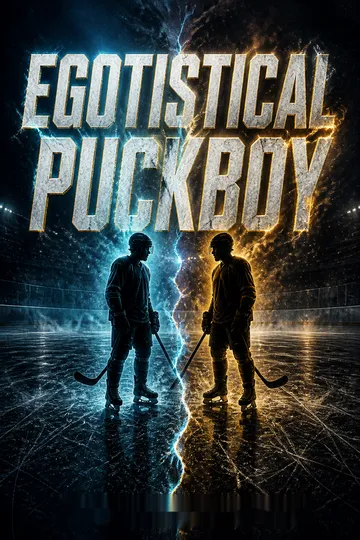
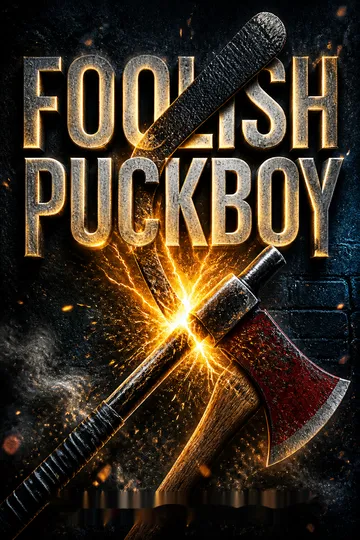
Puckboys Series



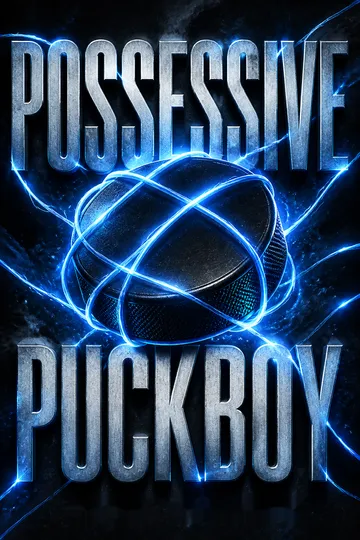

About the Author




Download PDF
Download EPUB
.epub digital book format is ideal for reading ebooks on phones, tablets, and e-readers.








































