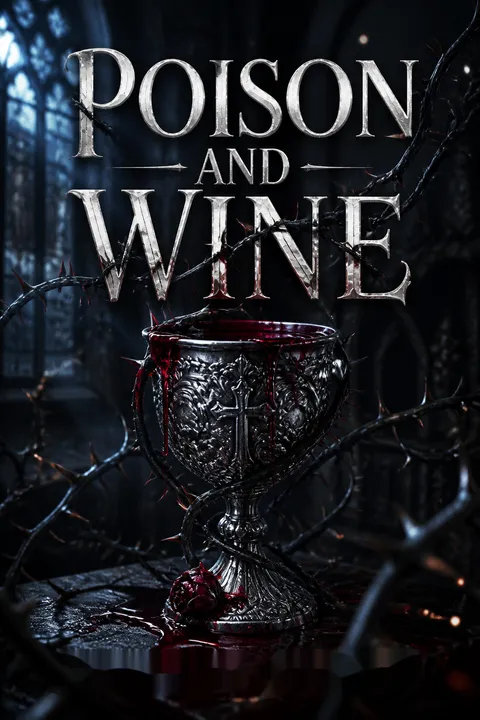

Plot Summary
Blood and Brotherhood
The Kavanaugh brothers, led by Callum, are bound by blood and violence, inheriting the Irish mafia's legacy in Boston after Callum kills their brutal father. Their world is one of loyalty, brutality, and the constant threat of betrayal. As they struggle to maintain their grip on the family's criminal empire, they are forced to consider an alliance with the Italian Neretti family—an alliance that can only be sealed by marriage. The brothers' bond is their strength, but also their vulnerability, as old wounds and the ghosts of their father's cruelty haunt every decision. The stage is set for a collision between tradition, ambition, and the possibility of love in a world where weakness is fatal.
A Nun's Escape
Caterina Neretti, daughter of a powerful Italian mafia boss, has spent years hiding in a Sicilian convent to escape a forced marriage to a sadistic man. Her days are filled with service, prayer, and the ache of missing her brothers, who are her only true family. Despite her devotion, she is restless, haunted by the violence and control of her upbringing. On her twenty-first birthday, she is reminded of the life she left behind and the dangers that still lurk. Her faith is her shield, but her heart longs for freedom and a future of her own choosing—a future that seems impossible in the shadow of her father's power.
Kidnapped by the Irish
The Kavanaugh brothers, desperate to secure their position, kidnap Caterina from her convent in a violent, chaotic raid. She fights back fiercely, biting, shooting, and refusing to submit, but is ultimately overpowered and drugged. Callum, both captivated and infuriated by her spirit, is determined to marry her to cement the alliance. Caterina awakens on a private jet, stripped of her autonomy and thrust into a world of Irish gangsters. The collision of their cultures and personalities is immediate and explosive, setting the tone for a relationship built on mutual defiance and reluctant attraction.
Clash of Wills
In Sicily, Caterina and Callum are locked in a battle of wills. She refuses to eat, launching a hunger strike in protest of her captivity and the forced marriage. Callum, both frustrated and begrudgingly respectful, tries to break her resolve. Their confrontations are laced with sharp wit, anger, and a growing, unwanted fascination. The Kavanaugh brothers, haunted by their own family trauma, see echoes of their sister in Caterina and struggle with their roles as both captors and protectors. The emotional stakes rise as both sides realize that surrendering, even a little, could mean losing everything.
Hunger Strike and Surrender
As Caterina's hunger strike weakens her, Kellan, the gentlest Kavanaugh, persuades her to eat, forging a fragile connection. Callum is forced to confront his own capacity for empathy and the cost of his choices. The two begin to negotiate the terms of their impending marriage, each demanding concessions—Caterina for her education and autonomy, Callum for loyalty and heirs. Their truce is uneasy, built on necessity rather than trust, but it marks the first crack in their mutual armor. The looming wedding becomes both a threat and a promise of change.
Bargains and Boundaries
The marriage contract becomes a battleground for Caterina's future. She demands the right to study, work, and choose the number of children she will bear, refusing to be a pawn or a breeding machine. Callum, shaped by his father's cruelty but desperate to be different, agrees to her terms, even promising that their daughters will never be forced into arranged marriages. Their negotiations are fraught with tension, desire, and the shadow of past trauma. The wedding approaches, and both are forced to reckon with what they are willing to sacrifice for survival—and for each other.
Wedding of Enemies
The wedding is a tense, intimate affair, blending Irish and Italian traditions. Caterina refuses to vow obedience, asserting her equality even as she is bound to Callum. The ceremony is both a victory and a defeat for them both—a public alliance and a private surrender. The Kavanaugh and Neretti families watch warily, knowing that peace is fragile and the cost of failure is blood. In the aftermath, Callum and Caterina share a charged, tentative kiss, the first sign that their forced union might become something more than a transaction.
Unlikely Intimacies
In Boston, Caterina struggles to adapt to her new life, chafing under Callum's protectiveness and the constant presence of bodyguards. The Kavanaugh brothers become her unlikely allies, offering moments of kindness and understanding. Callum, torn between his need for control and his growing feelings, begins to let down his guard. Small acts of care—shared meals, gentle touches, and late-night confessions—begin to bridge the gulf between them. Their intimacy grows, not just physically but emotionally, as they learn to see each other's wounds and desires.
Family and Forgiveness
The arrival of Caterina's brothers in Boston brings old resentments and new alliances to the surface. The Neretti and Kavanaugh families must negotiate peace, forgiveness, and the terms of their future. Caterina, once a pawn, becomes a bridge between worlds, demanding a voice in her own fate. The brothers, both Irish and Italian, are forced to confront the legacy of their fathers and the possibility of a different future. Through shared pain and tentative trust, the families begin to heal, even as new threats loom on the horizon.
Violence and Vulnerability
A violent attack on the Kavanaughs' business leaves Callum wounded and a loyal soldier dead. The cost of their world becomes painfully clear as grief and guilt threaten to consume them. Caterina, now Callum's wife in more than name, becomes his anchor, offering comfort and absolution in the face of loss. Their relationship deepens as they share their fears, regrets, and hopes for the future. The violence that once defined them now becomes a crucible, forging a bond that is both tender and unbreakable.
Trust and Betrayal
As Caterina and Callum grow closer, old habits of secrecy and control threaten to destroy their fragile peace. Callum's hidden ownership of a strip club and his reluctance to share the truth with Caterina ignite a crisis of trust. Caterina, newly pregnant and desperate for honesty, confronts him in a public, humiliating scene. Their marriage is tested by betrayal, pride, and the fear of losing each other. The cost of power and the price of love collide, forcing them to choose between the world they inherited and the future they want to build.
Passion and Power
After months of negotiation, longing, and frustration, Caterina and Callum finally consummate their marriage. Their passion is fierce, tender, and transformative, breaking down the last barriers between them. The power dynamics shift as they learn to give and receive pleasure, to trust and to surrender. Their love becomes a source of strength, not weakness, as they face the challenges of parenthood, leadership, and the ever-present threat of violence. Together, they begin to imagine a life beyond survival—a life built on partnership, desire, and hope.
Father's Revenge
Just as peace seems possible, Caterina's father, Alessio, returns with a vengeance. He orchestrates her violent abduction, determined to erase her marriage and force her into a new alliance. Caterina is brutalized, threatened with rape and the loss of her unborn child, as the old world's cruelty reasserts itself. Callum and the Kavanaugh brothers, aided by the Neretti siblings, launch a desperate rescue mission, risking everything to save her. The cycle of violence comes full circle, demanding a reckoning for the sins of the fathers.
Rescue and Reckoning
In a storm of gunfire and retribution, Callum and his brothers storm the warehouse where Caterina is held. The rescue is brutal and costly, but Caterina and her unborn child are saved. Alessio and his allies are brought to justice, not by the law but by the code of the underworld. The families are forever changed by the violence, but also by the possibility of redemption. In the aftermath, Caterina and Callum must confront the trauma of what they have survived and the choices that brought them to this point.
Healing and Homecoming
In the quiet after the storm, Caterina and Callum begin to heal—physically, emotionally, and as a family. The birth of their daughter, Julianna, becomes a symbol of hope and renewal. The Kavanaugh and Neretti families, once enemies, are now bound by blood and shared loss. Old wounds are tended, new traditions are forged, and the possibility of a different future emerges. Through forgiveness and love, they begin to break the cycle of violence that defined their past.
New Beginnings
Months later, Callum and Caterina, now parents, reflect on the journey that brought them together. Their love, once born of violence and necessity, has become a source of strength and joy. Surrounded by family, they face the future with hope, determined to give their daughter a life free from the sins of the past. The story ends not with an end to danger, but with the promise of new beginnings—a family forged in fire, choosing love over legacy, and writing their own destiny.
Analysis
A modern mafia romance about power, trauma, and the possibility of changePoison and Wine reimagines the mafia romance as a story not just of violence and passion, but of negotiation, healing, and the struggle for autonomy. At its heart, the novel is about two people forced together by the sins of their fathers, who must decide whether to repeat the cycle or forge a new path. Through alternating perspectives, the story explores the psychological cost of power, the legacy of abuse, and the slow, painful work of building trust. The forced marriage, initially a symbol of patriarchal control, becomes a site of resistance and transformation as Caterina demands—and wins—her right to education, work, and reproductive choice. Callum's journey from ruthless leader to loving partner and father is both a critique and a reimagining of masculinity, suggesting that true strength lies in vulnerability, empathy, and the willingness to change. The novel's use of trauma, negotiation, and dual narration invites readers to question the boundaries between love and violence, duty and desire, and to imagine a world where even the most broken people can find redemption. Ultimately, Poison and Wine is a story about the power of love—not as a weakness, but as the only force strong enough to break the chains of the past and build a future worth fighting for.
Review Summary
Poison and Wine is a highly-rated mafia romance novel featuring Callum, an Irish mob boss, and Caterina, an Italian mafia princess turned novice nun. Readers praise the book's humor, chemistry between characters, and slow-burn romance. The forced marriage trope and enemies-to-lovers dynamic are well-executed, with many appreciating Caterina's strong personality and Callum's character development. While some found certain plot elements far-fetched, most readers enjoyed the balance of dark themes, humor, and steamy scenes, eagerly anticipating future books in the series.
Characters
Callum Kavanaugh
Callum is the eldest Kavanaugh brother, shaped by a brutal upbringing and the trauma of patricide. As the new head of the Irish mafia in Boston, he is both ruthless and deeply wounded, struggling to balance the demands of power with his desire to be different from his father. His relationship with Caterina is a crucible—she challenges his need for control, awakens his capacity for tenderness, and forces him to confront his own vulnerability. Callum's journey is one of transformation: from a man who believes love is weakness to one who finds strength in partnership, fatherhood, and the possibility of forgiveness.
Caterina Neretti
Caterina is the only daughter of an Italian mafia boss, raised in a world where women are pawns and obedience is demanded. Her escape to a convent is an act of rebellion and self-preservation, but she is never truly free. Fiercely intelligent, compassionate, and stubborn, Caterina refuses to be broken by captivity or forced marriage. Her journey with Callum is one of negotiation, resistance, and ultimately, love. She demands autonomy, respect, and a voice in her own life, becoming a bridge between warring families and a catalyst for change. Her resilience and capacity for forgiveness are her greatest strengths.
Quinn Kavanaugh
Quinn, the second Kavanaugh brother, is the family's enforcer—a man marked by physical and emotional scars from a car bomb meant for their father. His intimidating presence masks a deep loyalty and a capacity for empathy, especially towards Caterina, whom he sees as a surrogate for his own traumatized sister. Quinn's journey is one of healing, learning to trust and to let others see the man beneath the scars. His role as protector is both a burden and a source of pride, shaping the family's moral code.
Darragh "Dare" Kavanaugh
Dare, the third brother, is the family's wild card—charismatic, reckless, and always ready with a joke. His bravado hides a deep sensitivity and a fierce loyalty to his siblings. Dare is both a source of comic relief and emotional insight, often the first to challenge Callum's decisions and the last to abandon a friend. His relationship with Caterina is playful and supportive, helping to ease the tension between her and Callum. Dare's journey is one of self-acceptance, learning to balance pleasure with responsibility.
Kellan Kavanaugh
The youngest Kavanaugh brother in Boston, Kellan is more comfortable with numbers than with violence. Sensitive, intelligent, and quietly brave, he struggles to reconcile his family's criminal legacy with his own moral compass. Kellan's kindness is a lifeline for Caterina, offering her compassion and understanding when she feels most alone. His journey is one of finding his place in the family, learning that strength can take many forms.
Seamus Kavanaugh
Seamus, Callum's uncle, is the family's consigliere—a man who has survived loss, betrayal, and the shifting tides of power. Wise, strategic, and sometimes ruthless, he is both a mentor and a cautionary tale. Seamus's advice is often the voice of reason, urging compromise and reminding the brothers of the cost of their choices. His own grief and regrets shape his desire to see the family survive, even if it means making hard bargains.
Raphael "Rafe" Neretti
Rafe, Caterina's eldest brother, is a Made Man in the Italian mafia, torn between loyalty to his father and love for his sister. He is fiercely protective, willing to kill or die for Caterina's freedom. Rafe's journey is one of leadership, as he is forced to confront the legacy of violence and the possibility of a different future for the family. His alliance with Callum is uneasy but necessary, built on mutual respect and shared pain.
Alessio Neretti
Alessio, Caterina's father, is the embodiment of old-world mafia cruelty—controlling, violent, and obsessed with legacy. His willingness to sacrifice his daughter for power is the catalyst for the novel's central conflict. Alessio's inability to change or forgive ultimately leads to his downfall, serving as a warning of the cost of unchecked ambition and the refusal to see women as more than property.
Carmine Lucero
Carmine, Caterina's original fiancé, is a sadistic, abusive man whose threat drives her into hiding. His reappearance as an antagonist in the novel's climax is a reminder of the dangers women face in patriarchal systems. Carmine's violence is both personal and systemic, representing the worst of the world Caterina is fighting to escape.
Lorna
Lorna, the Kavanaughs' housekeeper and surrogate mother, is a source of comfort, wisdom, and stability. She bridges the gap between the brothers and Caterina, offering practical support and emotional guidance. Lorna's presence is a reminder of the importance of chosen family and the power of kindness in a world defined by violence.
Plot Devices
Forced Marriage as Catalyst
The central plot device is the forced marriage between Callum and Caterina, used to forge an alliance between rival mafia families. This device serves as both a source of conflict and a crucible for character development. The marriage is initially a prison—an act of violence and control—but becomes a space for negotiation, intimacy, and transformation. The tension between duty and desire, autonomy and obligation, drives the narrative and forces both characters to confront their deepest fears and hopes.
Dual Perspectives and Alternating Narration
The novel alternates between Callum's and Caterina's perspectives, allowing readers to experience the story's events, emotions, and misunderstandings from both sides. This structure deepens the emotional resonance, highlights the complexity of their relationship, and creates dramatic irony as each character misinterprets the other's actions. The dual narration also allows for rich exploration of trauma, healing, and the slow building of trust.
Trauma and Healing as Motif
The legacy of trauma—abuse, betrayal, and loss—shapes every character and relationship. The motif of healing, both physical and emotional, recurs throughout the novel: from Callum's gunshot wound to Caterina's recovery from abduction and assault. Acts of care—feeding, nursing, comforting—become acts of love and resistance, challenging the idea that violence is the only path to power.
Negotiation and Consent
The marriage contract and its renegotiation are central plot devices, symbolizing the struggle for agency in a world that denies it. Caterina's insistence on education, career, and reproductive choice reframes the forced marriage as a site of resistance. The slow, explicit negotiation of boundaries, both sexual and emotional, foregrounds the importance of consent and mutual respect, even in the most constrained circumstances.
Foreshadowing and Cyclical Violence
The novel uses foreshadowing—memories of past abuse, warnings of betrayal, and the ever-present threat of violence—to create tension and inevitability. The cycle of violence, especially between fathers and children, is a recurring theme, with each generation forced to choose whether to repeat or break the pattern. The ultimate reckoning with Alessio and Carmine is both a fulfillment of prophecy and a chance for redemption.
Symbolism of Food, Faith, and Family
Meals, prayers, and family gatherings are recurring symbols of connection, resistance, and hope. Food becomes a battleground (hunger strike), a gesture of care, and a symbol of cultural identity. Faith, both religious and in each other, is a source of strength and conflict. Family—both biological and chosen—is the ultimate prize and the greatest risk.
Download PDF
Download EPUB
.epub digital book format is ideal for reading ebooks on phones, tablets, and e-readers.








































