
Plot Summary
Faces, Fingers, and Control
The narrator, a nail salon owner, introduces her world: a place where faces and hands reveal more than words. She sees the truth in people's features, their habits etched in skin and muscle. Clients come seeking transformation, but she knows her power is limited to what's in front of her. She's learned to listen, to sell, to soothe, but also to keep her distance. The salon is her domain, and she is both servant and queen, working from below but always in charge. Her own life is solitary by choice, shaped by a past as a boxer and a present as a businesswoman. She's lost a finger, lost old dreams, but found a place where she can be herself—unapologetically sharp, observant, and alone.
The World of Susans
The salon is called "Susan's," and every worker wears the same name tag, the same black uniform, the same hair. To clients, they are interchangeable, but among themselves, they know their real names and stories. The narrator is the boss, proud of her efficiency and her ability to keep things running smoothly. She's built this world after being pushed out of her old job, and she's determined never to lose control again. The Susans are not family, but they are a team—one she keeps at arm's length. The shop is small, efficient, and tightly managed, a reflection of her need for order in a chaotic world.
New Girl, New Rules
A new girl, Noi, arrives—young, inexperienced, eager to please. The narrator puts her through her paces, teaching her the rituals of the salon: how to check polish bottles, how to line up tools, how to keep everything neat. There's no room for mistakes or sentimentality. The rules are precise, the standards high. Noi's innocence and vulnerability are clear, but so is her willingness to learn. The narrator sees herself in the girl's wide eyes, but she doesn't let on. She knows that survival here means adapting quickly, blending in, and never letting anyone see your weakness.
In and Out
The salon's philosophy is simple: get clients in and out, no frills, no extras. The girls keep what they earn, and the boss doesn't skim off the top. The work is repetitive but comforting in its predictability. Children press their hands to the window, leaving smudges that must be cleaned. Mai, the narrator's right hand, arrives—confident, reliable, and unafraid to speak her mind. There's camaraderie, but also competition and the constant threat of being replaced. The narrator cuts Mai's hair to match the others, reinforcing the sense of sameness that protects them all.
The Pitcher's Ritual
A regular client, nicknamed "Jeter," comes in—a baseball player whose hands are his livelihood. The girls joke, flirt, and upsell him on extra services, knowing exactly how to play the game. The narrator is reminded of her boxing days, of reading opponents and controlling the centre line. The salon is a stage, and everyone has a role to play. Even the jokes about "happy endings" are part of the script, a way to assert boundaries while keeping the client coming back. The work is physical, intimate, but always professional—a dance of touch and distance.
Reading the Centre Line
The narrator's past as a boxer shapes how she moves through the world. She reads people's bodies, anticipates their moves, protects herself at all times. The salon is another kind of ring, with its own rules and dangers. She teaches the new girl to watch, to listen, to never let her guard down. The clients reveal themselves in small ways—a twitch, a sigh, a choice of colour. The narrator is both participant and observer, always aware of the risks of getting too close.
Self-Care and Language
A client comes in for "self-care," a term the narrator dislikes. The salon is a place of care, but also of labor and performance. Language is a barrier and a weapon—some Susans don't speak the same language, and those who do use it to bond and to exclude. The narrator reflects on the subtle hierarchies of race, class, and appearance, and how they shape who belongs and who is always an outsider. The salon is a microcosm of the city, with its own rules of inclusion and exclusion.
Lunch Breaks and Longings
Lunch is a time for the girls to bond, to gossip, to share small pleasures. The narrator eats alone, unwilling or unable to join in. She observes the others' closeness with a mix of envy and relief. The conversation turns to dating, longing, and the impossibility of finding someone who truly understands. The narrator's solitude is both a shield and a wound—she wants connection, but fears the vulnerability it requires.
Bridal Showers and Blisters
A bridal party fills the salon, all dressed alike, all wanting the same colour. The narrator struggles to tell them apart, searching for the small details that make each person unique—a mole, a scar, a laugh. The work is demanding, the pace relentless. Memories of Nok, a worker who disappeared after borrowing money, haunt the narrator. She remembers Nok's children, their drawings, their presence in the shop. Loss and longing are everywhere, even in moments of celebration.
Old Bosses, Old Wounds
The narrator reflects on her old boss, Rachel, who taught her everything but also pushed her out. The salon world is cutthroat, and loyalty is always conditional. The narrator has built her own place, but the old wounds linger—resentment, envy, the desire for approval. The girls who come from Rachel's shop are jumpy, traumatized by her harshness. The narrator tries to be different, but sometimes hears Rachel's voice in her own head, pushing her to be harder, tougher, less forgiving.
Signs, Seasons, and Shadows
The sandwich board outside the shop is a symbol of survival—without it, the salon is invisible. The seasons change, business ebbs and flows, and the narrator marks time by the rhythms of work. Memories of boxing matches, of old coaches and old injuries, surface unexpectedly. The narrator's name, Ning, is rarely used; she has become Susan, the role she plays every day. The past is always present, shaping how she moves through the world.
Mothers, Daughters, and Distance
The narrator's relationship with her mother is strained—requests for money, guilt, and distance. Mai cares for her own mother, a burden and a bond. The salon is a surrogate family, but one built on necessity rather than love. The narrator is both mother and child, caring for her workers but keeping them at a distance. The stories clients tell—of affairs, of longing, of disappointment—echo the narrator's own fears and desires.
Marla's Grief, My Grief
Marla, a regular client, grieves her miscarriages. The narrator, who never wanted children, feels a different kind of loss—a life not lived, a possibility foreclosed. The salon is a place where women bring their hopes and sorrows, seeking comfort or distraction. The narrator tries to offer reassurance, but knows that some wounds cannot be healed. The work is a way to keep grief at bay, to focus on what can be done, even as the ache of absence lingers.
Pigeons and Punches
The narrator witnesses a pigeon's death outside the shop, a reminder of fragility and fate. She recalls the fight that ended her boxing career, the girl she hurt, the guilt she carries. The world outside is dangerous, unpredictable, but inside the salon she can create order. The smell of polish, the feel of tools, the routines of work—all are ways to keep chaos at bay. But the past is never far, and the line between care and harm is thin.
Lunch Alone, Lunch Together
The narrator eats alone, even when the girls invite her to join. She fears intimacy, fears being known. The girls talk about her behind her back, she imagines, but she prefers not to know. The salon is her marriage, her commitment, her identity. She is proud of her independence, but sometimes wonders what it would be like to let someone in. The rituals of food, of work, of gossip are ways to stave off loneliness, but the hunger for more remains.
Walk-Ins and Wanting
Walk-in clients are unpredictable—sometimes a blessing, sometimes a burden. The narrator and her team know how to upsell, how to read a client's mood, how to turn longing into profit. But not every client can be saved, not every problem can be solved. The narrator reflects on the limits of her power, the unpredictability of people, and the constant need to adapt. The work is never done, and the desire for more—for love, for recognition, for security—never goes away.
Picking a Colour
The ritual of picking a nail colour is both trivial and profound—a way for clients to assert control, to imagine a new self. The narrator and her team repeat the mantra: "Pick a colour, pick a colour." But the choices are always constrained, shaped by fashion, by rules, by the need to fit in. The narrator envies the clients' freedom to choose, even as she knows that real change is harder than a new coat of polish. The work is about surface, but the longing for transformation runs deep.
Affairs and Advice
Clients confide in the Susans about affairs, marriages, disappointments. The narrator listens, offers advice, but knows that most people are trapped by their own patterns. The salon is a place of hope and delusion, where people come to believe that a new look can change their lives. The narrator is skeptical, but also compassionate—she knows how hard it is to break free, to want something different, to risk being alone. The work is a kind of therapy, but the cures are temporary.
Endings and Exits
Workers leave, clients leave, the day ends. The narrator feels the ache of loss, but also the relief of solitude. She watches the girls go, wonders if they will return, wonders what they say about her. The work continues—cleaning, organizing, preparing for the next day. The world outside is full of people who need her, but she cannot save them all. She locks the door, checks the windows, and waits for the dark to come.
Ten Dollars, One Touch
Rachel, the old boss, returns for a service. The two women say little, but everything is communicated in gestures, in touch, in silence. The narrator is nervous, remembering old wounds, but also proud of what she has built. Rachel pays in cash, leaving no record, no proof. As she leaves, she touches the narrator's missing finger—a gesture of recognition, forgiveness, and connection. The narrator is left alone, but changed. The light is overwhelming, but she waits for the dark, knowing she has survived.
Analysis
A meditation on work, identity, and the search for meaning"Pick a Color" is a quietly powerful novel that uses the microcosm of a nail salon to explore universal themes of belonging, loss, and resilience. Through the eyes of its tough, solitary narrator, the book examines the ways we construct identity—through work, through ritual, through the stories we tell ourselves and others. The salon is both sanctuary and prison, a place where sameness is enforced but individuality persists in small acts of defiance and care. The novel is deeply attuned to the textures of daily life—the feel of polish, the rhythm of conversation, the ache of longing. It is also a sharp critique of the ways race, class, and gender shape our possibilities, our relationships, and our sense of self. Ultimately, "Pick a Color" is about survival—the compromises we make, the connections we risk, and the grace we find in unexpected moments. It asks what it means to care for others and for ourselves, and whether true transformation is ever really possible. In a world that demands efficiency and sameness, the novel insists on the value of attention, of noticing, of choosing—even if only a color.
Review Summary
Reviews for Pick a Color are mixed, averaging 3.33/5. Readers appreciate its sharp commentary on immigrant identity, invisibility, and class dynamics through the lens of a nail salon. The "Susans" concept—workers made deliberately interchangeable—is widely praised. However, many find the narrative meandering and underdeveloped, particularly the boxing subplot and unexplained details like the missing finger. Some feel the protagonist, Ning, never fully comes alive. Praised for accessible, witty prose and cultural insight, it's seen as quietly powerful but frustratingly elusive for those wanting a stronger plot.
Characters
The Narrator (Ning/Susan)
The narrator is the owner and manager of Susan's, a nail salon where she rules with a mix of precision, detachment, and hard-won wisdom. Once a promising boxer, she carries the scars—physical and emotional—of a life spent fighting, both in and out of the ring. Her missing finger is a symbol of loss and adaptation, a mark of her resilience. She keeps her distance from others, fearing vulnerability, but is deeply attuned to the needs and secrets of those around her. Her relationships are transactional but tinged with longing for connection. She is both mother and child, boss and servant, always in control but never fully at ease. Her journey is one of survival, self-acceptance, and the search for meaning in small acts of care.
Mai
Mai is the narrator's right hand—reliable, outspoken, and skilled. She brings warmth and humor to the salon, balancing the narrator's reserve with her own openness. Mai cares for her mother, embodying the burdens and bonds of family. She is quick to defend her friends, quick to tease, and unafraid to challenge authority. Her beauty is more about presence than appearance, and she knows how to use it to her advantage. Mai's relationship with the narrator is complex—a mix of camaraderie, rivalry, and mutual respect. She is the heart of the salon, but also its conscience, reminding the narrator of the importance of kindness and connection.
Noi
Noi is the new girl, young and inexperienced but determined to make her way. She is vulnerable—recently a mother, abandoned by her child's father—but also honest and willing to learn. Noi's openness is both a strength and a liability in the salon's tough environment. She quickly adapts, picking up the rituals and rhythms of the work, but remains sensitive to the undercurrents of exclusion and competition. Her presence challenges the narrator to be more compassionate, to remember her own beginnings. Noi represents hope, renewal, and the possibility of change.
Annie
Annie is a standby worker, always ready to fill in but never quite at the center. She slouches, hides behind others, and struggles with confidence. Her name means nothing in their language, and she often feels like an outsider. Annie's mistakes—missing a blister, arriving late—put her at risk of being cut, but she is given second chances. She is loyal, hardworking, and eager to please, but haunted by the fear of not measuring up. Annie's journey is one of gradual acceptance, both by herself and by the group.
Nok
Nok is a former worker who disappeared after borrowing money, leaving behind her children's drawings and a sense of loss. Her absence haunts the salon, a reminder of the precariousness of their lives. Nok's children brought joy and chaos to the shop, and her story is one of struggle, survival, and the limits of solidarity. She represents the risks of getting too close, the pain of betrayal, and the enduring hope for return.
Rachel
Rachel is the narrator's former boss, a woman who taught her everything but also drove her out. She is both mentor and antagonist, embodying the harsh realities of the salon world. Rachel is tough, demanding, and unafraid to shame or praise as needed. Her return at the end of the novel is a moment of reckoning—a chance for reconciliation, forgiveness, and mutual recognition. Rachel's touch on the narrator's missing finger is a gesture of grace, acknowledging both their shared history and their separate paths.
The Pitcher ("Jeter")
The pitcher is a regular client, a baseball player whose hands are his livelihood. He is both a source of income and a source of annoyance, demanding attention and special treatment. His rituals, jokes, and flirtations are part of the salon's routine, but he remains fundamentally self-absorbed. The girls know how to handle him, upsell him, and keep him coming back, but he never truly sees them as individuals. He represents the transactional nature of much of the salon's work.
Marla
Marla is a regular client who has suffered multiple miscarriages. Her grief is palpable, but she continues to seek comfort and connection in the salon. She shares her sorrows with the narrator, who tries to offer reassurance but knows that some wounds cannot be healed. Marla's story is one of longing—for motherhood, for meaning, for acceptance. She is both a reminder of what the narrator has chosen not to have and a symbol of the universal ache for something more.
The Walk-In Clients
The walk-ins—bridal parties, self-care seekers, women with affairs—are the lifeblood of the salon. Each brings a story, a need, a hope for transformation. They are both anonymous and deeply individual, their desires and disappointments etched in their hands and faces. The Susans learn to read them, to offer what comfort they can, but also to protect themselves from being consumed by their needs. The walk-ins represent the endless cycle of longing and renewal that defines the salon's world.
The Pigeons
The pigeons outside the shop are more than just birds—they are symbols of survival, resilience, and the unnoticed lives that surround us. The narrator feeds them, shoos them away, and mourns their deaths. They mirror her own sense of being overlooked, of living on the margins, of finding meaning in small acts of care. The pigeons are a reminder that even the most ordinary lives are worthy of attention and compassion.
Plot Devices
The Salon as Microcosm
The nail salon is both setting and symbol—a place where issues of race, class, gender, and power play out in miniature. The uniformity of the Susans masks deep differences, while the rituals of beauty reveal the longing for transformation and acceptance. The salon's routines—pick a colour, in and out, ten dollars—are both comforting and constraining, offering the illusion of control in a chaotic world. The salon is a stage, a ring, a family, and a fortress, all at once.
The Missing Finger
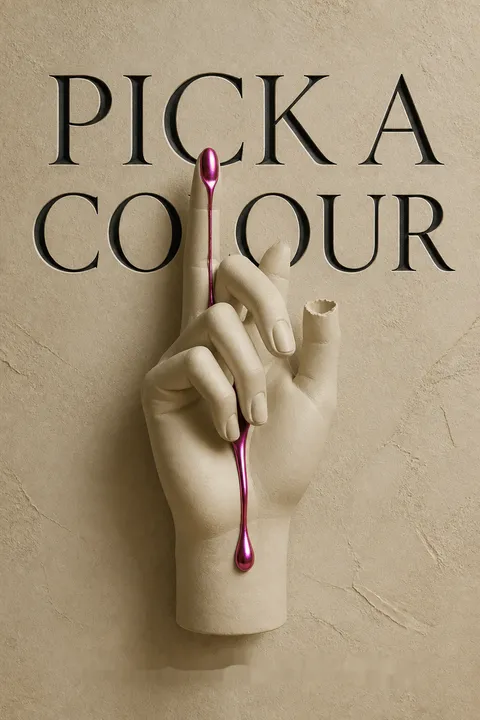
The narrator's missing finger is a constant presence—a reminder of past violence, of the costs of survival, and of the ways we adapt to loss. It is both a vulnerability and a strength, a mark of difference and a tool for connection. The finger is noticed, ignored, touched, and finally acknowledged in a moment of grace. It represents the scars we carry, the stories we choose to tell, and the possibility of healing.
Language and Silence
Language is both a bridge and a barrier in the salon. The Susans use their shared language to bond, to exclude, to protect themselves from outsiders. Clients who don't speak the language are both pitied and resented. Silence is also a form of communication—what is left unsaid is often more important than what is spoken. The novel uses dialogue, inner monologue, and silence to explore the complexities of connection and isolation.
Repetition and Routine
The novel is structured around the routines of the salon—opening, cleaning, serving clients, closing. These rituals provide stability and meaning, but also highlight the difficulty of real transformation. The repetition of phrases ("pick a colour," "ten dollars," "in and out") underscores the tension between sameness and difference, between the desire for change and the comfort of the familiar.
Foreshadowing and Memory
The narrator's memories of boxing, of old bosses, of lost workers, and of personal failures are woven throughout the narrative, shaping her actions and attitudes. Foreshadowing is used to build tension—fears of violence, of being replaced, of being left alone. The novel is haunted by what has been lost and what might still be possible, creating a sense of both inevitability and hope.
Download PDF
Download EPUB
.epub digital book format is ideal for reading ebooks on phones, tablets, and e-readers.








































