
Plot Summary
Freedom Lost, Identity Stolen
Tasmin Blythe, once a bright, ambitious eighteen-year-old, is violently ripped from her privileged life and thrust into a nightmare. Her dreams of university and a future are obliterated when she's kidnapped at her mother's charity event, suffocated by a stranger, and revived only to be sold into human trafficking. The loss of freedom is immediate and total; her sense of self is stripped away as she's processed, catalogued, and prepared for sale. Alone in a locked hotel room, she clings to sanity by writing desperate letters to "No One" on scraps of toilet paper, her only means of preserving her story and her will to survive. The world she knew is gone, replaced by a chilling new reality where her value is measured in currency, not humanity.
The Auction of Innocence
After weeks of isolation and psychological torment, Tasmin is paraded alongside other girls at a masked auction, the Quarterly Market of Beauties. Stripped of her name and dignity, she's forced into a white dress and displayed as merchandise. The room is filled with masked men, their faces hidden, their intentions predatory. Bids escalate, each number a further violation. In a final act of defiance, Tasmin tries to buy her own freedom, but is outbid by a mysterious man. The gavel falls, and she is sold for a staggering sum, her fate sealed. Her voice, her last weapon, is locked away as she resolves never to speak again, even as she's handed over to her new owner.
Becoming Pimlico
Her buyer, Alrik Åsbjörn—Master A—renames her Pimlico, erasing the last vestiges of Tasmin. She is transported, blindfolded and bound, to his remote mansion in Crete. The house is a sterile prison, every comfort a calculated cruelty. Alrik's rules are absolute: obedience, silence, and submission. Pimlico is subjected to relentless physical and psychological abuse, her body and mind battered into compliance. Yet, within her, a core of resistance remains. She writes to "No One," documenting her suffering and her strategies for survival. The name Pimlico becomes both a shield and a curse, a persona she inhabits to endure the unendurable.
The Monster's House
Life under Alrik is a cycle of violence, degradation, and deprivation. Pimlico is denied even the smallest freedoms—clothing, food, privacy. The house is a fortress, monitored by hidden cameras, escape impossible. Alrik's sadism is matched only by his paranoia; he alternates between possessive affection and brutal punishment. Pimlico learns to read his moods, adapting her behavior to minimize pain. She is shared with his friends, her body a commodity, her silence both a rebellion and a survival tactic. Over time, she becomes a master of observation, using her psychological insight to manipulate her captor in small, vital ways.
Survival in Silence
Years pass in a blur of suffering. Pimlico's vow of silence becomes her armor, her refusal to speak a small but unbreakable act of defiance. She survives by retreating inward, building a fortress of memory and imagination. Her letters to "No One" are her lifeline, a secret chronicle of pain and resilience. She contemplates suicide, weighing the value of life against the relief of death. Yet, even as her body is broken, her spirit bends but does not shatter. She learns to manipulate Alrik, trading obedience for small mercies, always plotting, always waiting for a chance at freedom or revenge.
The Years of Endurance
Pimlico marks the passage of time by the cycles of abuse and the rare moments of reprieve. Her body is scarred, her hair hacked short, her identity all but erased. She becomes a ghost in her own life, invisible except as an object of use. Yet, she adapts, finding power in observation and patience. She learns to anticipate Alrik's needs, to avoid his wrath, to survive his friends' visits. Her silence becomes legendary, a source of both frustration and fascination for her captors. Through it all, she clings to the hope that one day, she will be free—or at least, that she will die on her own terms.
The Arrival of Elder
Everything changes when Elder Prest, a wealthy and enigmatic criminal, arrives to do business with Alrik. Elder is unlike any man Pimlico has encountered—dangerous, intelligent, and oddly attentive. He sees through the façade of the house, recognizing Pimlico's status as a slave. Their first encounter is electric, charged with mutual recognition and unspoken questions. Elder's presence unsettles Alrik, who becomes both jealous and eager to impress. For the first time in years, Pimlico feels seen—not as an object, but as a person. Hope and fear war within her as she senses that Elder could be her salvation or her destruction.
A Dangerous Dinner
At a tense dinner, Elder challenges Alrik's authority, insisting that Pimlico join them at the table and eat. The act is both a kindness and a provocation, earning Pimlico a rare meal but also Alrik's wrath. Elder's probing questions and subtle defiance escalate the tension, exposing the cracks in Alrik's control. He offers Pimlico a penny for her thoughts, a symbolic gesture that both mocks and honors her silence. The dinner becomes a battleground of wills, with Pimlico caught in the crossfire. Elder's interest in her deepens, and Alrik, sensing the threat, becomes increasingly volatile.
A Penny for Thoughts
Elder's fascination with Pimlico intensifies. He repeatedly offers her pennies, challenging her to break her silence. Their interactions are fraught with unspoken meaning, each gesture a negotiation of power and vulnerability. Elder recognizes Pimlico's strength and her suffering, and she, in turn, senses the darkness and complexity within him. Their connection is forged in silence, a language of glances and gestures. Elder's desire to possess her grows, not just physically but psychologically. He bargains with Alrik for a night alone with Pimlico, setting the stage for a confrontation that will change all their lives.
The Bargain and the Night
Elder wins a night with Pimlico, locking them together in her room. He is both gentle and demanding, seeking to unravel her secrets without breaking her. He challenges her to touch herself, to experience pleasure for the first time, but she cannot surrender fully—her trauma too deep, her trust too fragile. Instead, they share a kiss, an act more intimate and transformative than any violence. For Pimlico, it is her first true kiss, a moment of connection and longing. For Elder, it is a revelation, awakening feelings he cannot control. Their night together is a fragile truce, a brief respite from brutality.
The Kiss and the Kill
The fragile peace is shattered when Alrik and his men burst into the room, armed and furious. A bloody confrontation ensues—Elder's lethal skills are unleashed, and Pimlico, in a final act of agency, shoots and kills Alrik herself. The violence is cathartic and horrifying, the culmination of years of abuse and longing for revenge. Pimlico is gravely injured, her tongue nearly severed, her body drenched in blood. Elder gathers her in his arms, carrying her away from the house of horrors. The cost of freedom is steep, paid in blood and trauma, but for the first time, Pimlico is no longer a prisoner.
Blood, Escape, and New Chains
Elder spirits Pimlico away, tending to her wounds and promising safety. Yet, his motives are ambiguous—he is both savior and captor, driven by obsession as much as compassion. Pimlico, weak and traumatized, clings to consciousness, uncertain whether she has been saved or simply exchanged one master for another. Elder confesses that he has stolen her, that she now belongs to him. The promise of freedom is complicated by the reality of new captivity, new debts, and new dangers. Pimlico's letters to "No One" are returned to her, but the future remains uncertain.
The Price of Survival
As Pimlico recovers, she grapples with the aftermath of violence and the reality of her new situation. Elder is attentive but possessive, his intentions unclear. Pimlico mourns the loss of her voice, her innocence, and her past. She is haunted by guilt, grief, and the knowledge that survival has come at a terrible price. Yet, she is also changed—no longer a passive victim, but a woman who has killed her abuser and seized her own fate. The lines between victim and survivor, captor and rescuer, blur as she and Elder navigate their fraught, inescapable bond.
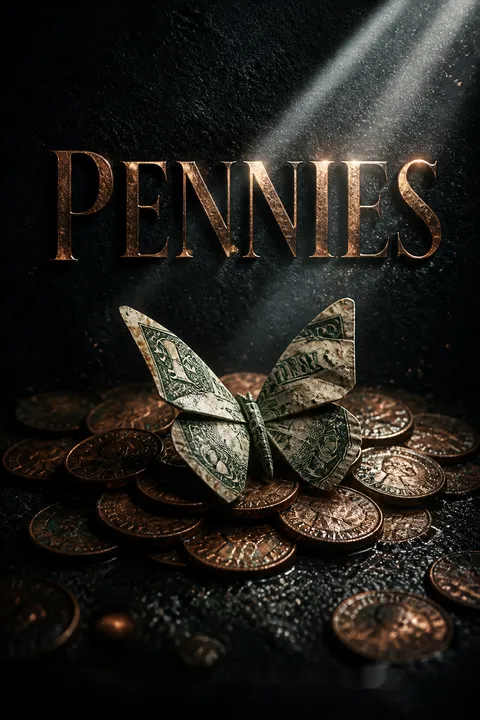
The Butterfly Dollar
Among the blood and chaos, Elder leaves Pimlico a folded dollar bill in the shape of a butterfly—a token of both payment and promise. The butterfly becomes a symbol of transformation, fragile yet enduring. It represents the possibility of change, the hope of a new life, and the ambiguity of Elder's intentions. For Pimlico, it is a reminder that even in captivity, she retains some measure of agency and worth. The butterfly dollar is both a gift and a claim, marking the beginning of a new chapter in her story.
The End of Master A
With Alrik dead, Pimlico's years of torment come to a violent close. The house that was her prison is left behind, its white walls stained with blood. The men who enabled and participated in her abuse are gone, their power broken. Pimlico is free, but freedom is not simple or clean. The trauma lingers, the scars—physical and emotional—remain. Yet, in killing her abuser, she reclaims a measure of power and dignity. The past cannot be undone, but the future is unwritten.
A New Captivity Begins
Elder takes Pimlico with him, declaring her his. The nature of her captivity changes—no longer brutal and degrading, but still marked by control and uncertainty. Elder promises to make her "worth millions," but at a cost she cannot yet fathom. Pimlico's journey is far from over; her survival has come at the expense of innocence, trust, and voice. Yet, she is no longer powerless. The story ends with the promise of a new beginning—one fraught with danger, desire, and the possibility of healing, but also the shadow of new chains.
Analysis
Pennies is a harrowing exploration of captivity, trauma, and the search for agency in a world that commodifies and dehumanizes. Through Pimlico's journey, Pepper Winters confronts the darkest aspects of human nature—violence, exploitation, and the corrosive effects of power—while also illuminating the resilience and adaptability of the human spirit. The novel's structure, blending first-person narration with epistolary fragments, immerses readers in the psychological reality of survival, making Pimlico's silence both a shield and a challenge. The relationship between Pimlico and Elder is fraught with ambiguity, desire, and danger, reflecting the complexities of trauma bonding and the blurred lines between savior and captor. Money, as both literal currency and metaphor, underscores the central question of value—what is a life worth, and who gets to decide? The butterfly dollar, as a symbol of transformation, suggests that even in the bleakest circumstances, change is possible, though never simple or unambiguous. Ultimately, Pennies is a meditation on endurance, the cost of survival, and the possibility of reclaiming selfhood in the aftermath of unimaginable loss. It asks readers to confront uncomfortable truths about complicity, redemption, and the meaning of freedom, leaving us with the uneasy recognition that escape is only the beginning of healing.
Review Summary
Pennies is a dark and disturbing romance that captivated many readers with its intense storyline and complex characters. The book follows Tasmin, an 18-year-old girl sold into sex slavery, and her encounters with the mysterious Elder Prest. While some readers found the graphic content difficult to handle, many praised Winters' writing and character development. The novel ends on a cliffhanger, leaving readers eager for the next installment in the series. Some criticized the repetitive nature of certain scenes and purple prose, but overall, the book received positive reviews for its psychological depth and addictive quality.
Characters
Pimlico (Tasmin Blythe)
Pimlico, born Tasmin Blythe, is the heart of the story—a young woman whose life is shattered by abduction and enslavement. Once ambitious and bright, she is transformed by trauma into a master of endurance and observation. Her silence is both a weapon and a wound, a means of survival and a mark of defiance. Psychoanalytically, Pimlico embodies the struggle for agency in the face of dehumanization; her refusal to speak is a reclamation of power in a world determined to strip her of it. Her relationships are defined by violence and manipulation, yet she retains a core of resilience and hope. Over the years, she evolves from victim to survivor, ultimately seizing her own fate in a final act of violence against her abuser. Her development is marked by loss, adaptation, and the slow, painful reclamation of self.
Elder Prest
Elder Prest is a complex, morally ambiguous figure—a self-made criminal who oscillates between compassion and ruthlessness. His fascination with Pimlico is immediate and consuming, driven by both empathy and obsession. Elder's psychological landscape is shaped by his own history of trauma and survival; he recognizes a kindred spirit in Pimlico's silence and suffering. His role shifts from potential buyer to rescuer, yet his motives remain suspect—he is as much a captor as a liberator, his promises of safety laced with possessiveness. Elder's development is a study in contradiction: he is capable of tenderness and violence, honesty and manipulation. His relationship with Pimlico is fraught with power dynamics, desire, and the possibility of redemption, but also the risk of repeating old patterns of control.
Alrik Åsbjörn (Master A)
Alrik is the primary antagonist—a wealthy, sadistic trafficker who purchases Pimlico and subjects her to years of abuse. His need for control is absolute, his cruelty both physical and psychological. Alrik's relationship with Pimlico is defined by possession and domination; he is threatened by any challenge to his authority, particularly from Elder. Psychologically, Alrik is a narcissist and a sociopath, incapable of empathy or remorse. His development is static—he is a force of destruction, ultimately undone by his own hubris and the violence he has sown. His death at Pimlico's hands is both justice and catharsis, the necessary end to his reign of terror.
Selix
Selix is Elder's right-hand man—a bodyguard, driver, and confidant. His presence is steady and unobtrusive, providing support and protection without interfering in Elder's personal affairs. Selix's loyalty is rooted in shared history and mutual respect; he is a survivor in his own right, shaped by hardship and violence. While not deeply explored, Selix represents the possibility of trust and camaraderie in a world defined by betrayal. His role is to facilitate Elder's plans, offering practical assistance and a measure of stability.
Darryl, Tony, Monty
These men are Alrik's friends and accomplices, participating in Pimlico's abuse and reinforcing the culture of violence and impunity. They are interchangeable in their cruelty, motivated by entitlement and sadism. Psychologically, they are products of a system that devalues women and rewards brutality. Their relationships with Alrik and each other are transactional, based on shared depravity rather than genuine loyalty. Their deaths are swift and unceremonious, a necessary purging of evil from Pimlico's world.
Tasmin's Mother
Though physically absent for most of the narrative, Tasmin's mother looms large in her psyche. A psychologist, she is both a source of strength and resentment—her teachings on observation and empathy equip Tasmin for survival, but her emotional distance and ambition contribute to her daughter's vulnerability. The relationship is fraught with ambivalence; Tasmin loves and hates her mother, blaming her for both her captivity and her resilience. The unresolved nature of their bond underscores the theme of abandonment and the longing for parental protection.
Mr. Kewet
Mr. Kewet is the man who murders Tasmin (metaphorically) and delivers her into the world of trafficking. His betrayal is the inciting trauma, shattering her trust and sense of safety. He is a cipher—charming on the surface, monstrous beneath. Psychologically, he represents the danger of misplaced empathy and the failure of social safeguards. His actions set the entire narrative in motion, making him the original architect of Pimlico's suffering.
"No One"
"No One" is both a literary device and a psychological construct—a diary, an imaginary friend, a repository for Pimlico's pain and hope. Through her letters, Pimlico maintains a sense of self and continuity, even as her external world collapses. "No One" is the witness to her suffering, the audience for her story, and the embodiment of her will to survive. The loss and recovery of her letters symbolize the fragility and resilience of memory and identity.
The Butterfly Dollar
The folded dollar bill left by Elder is more than a token—it is a symbol of change, value, and the complexity of their relationship. It represents both payment and promise, ownership and hope. For Pimlico, it is a tangible reminder that she is seen, valued, and capable of transformation, even in captivity.
Plot Devices
Dual Narration and Epistolary Fragments
The novel employs a blend of first-person narration and epistolary fragments—Pimlico's letters to "No One"—to create a layered, intimate portrait of trauma and survival. This structure allows readers to inhabit Pimlico's internal world, experiencing her pain, strategies, and fleeting hopes. The shifting perspectives between Pimlico and Elder provide insight into both captor and captive, blurring the lines between victim and perpetrator. The use of letters as a plot device underscores the importance of storytelling as resistance and self-preservation.
Symbolism of Money and Value
Throughout the narrative, money is both literal and symbolic—pennies, dollars, and the butterfly bill represent the commodification of human life, the transactional nature of relationships, and the possibility of transformation. The repeated motif of Elder offering Pimlico a penny for her thoughts is both a challenge and a gesture of respect, highlighting the tension between silence and speech, value and agency.
Silence as Power and Defiance
Pimlico's refusal to speak is a central plot device, shaping her interactions and the dynamics of power. Her silence is a form of resistance, a way to reclaim agency in a world determined to erase her. It also becomes a source of fascination and frustration for her captors, particularly Elder, who seeks to break or understand it. The threat of losing her tongue literalizes the stakes of speech and silence, making her muteness both a survival strategy and a site of vulnerability.
Foreshadowing and Psychological Tension
The narrative is laced with foreshadowing—warnings of darkness, hints of future violence, and the ever-present possibility of escape or death. The psychological tension is maintained through the constant threat of punishment, the ambiguity of Elder's intentions, and the slow revelation of backstory and motive. The structure mirrors Pimlico's experience: claustrophobic, uncertain, and punctuated by moments of hope and terror.
The Butterfly Dollar and the Promise of Change
The butterfly dollar functions as a plot device that bridges the past and future, captivity and freedom. It is both a payment and a promise, a symbol of Elder's claim and Pimlico's potential for transformation. Its presence at key moments underscores the theme of metamorphosis and the uncertain nature of rescue and ownership.
Dollar Series





About the Author




Download PDF
Download EPUB
.epub digital book format is ideal for reading ebooks on phones, tablets, and e-readers.








































