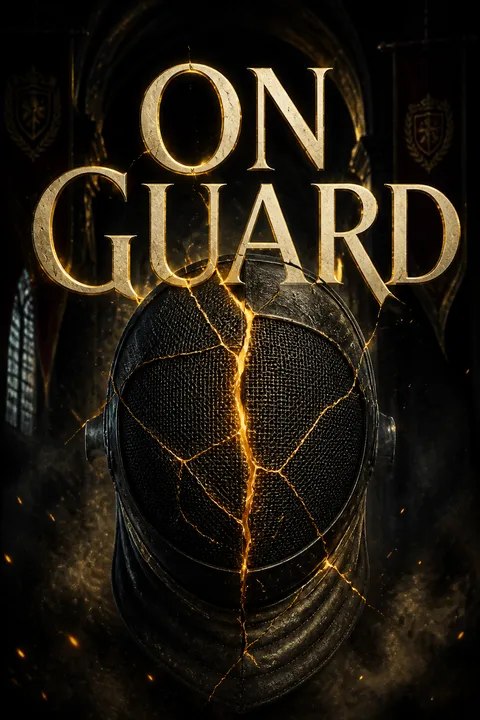
Plot Summary
Shattered Sanctuary
Isaac's world collapses in a single, brutal night behind his family's church. Caught in an intimate moment with his boyfriend Tim, Isaac is betrayed by the boy he trusted and violently outed to his homophobic parents. The punishment is swift and merciless—beatings, scripture, and exile from the life he's always known. The sanctuary that once promised safety becomes a place of shame and pain. Isaac's sense of self fractures under the weight of religious condemnation, leaving him isolated, terrified, and desperate for escape. The emotional scars run deep, setting the stage for a journey defined by hunger—for acceptance, for love, and for a place to belong. The trauma of that night will haunt every choice Isaac makes, shaping his vulnerability and his longing for connection.
Desperate Bargain
Cut off by his parents and left penniless, Isaac's first days at college are a blur of hunger, humiliation, and hopelessness. He's lost his job, his financial aid is delayed, and he's down to his last packet of ramen. The world around him is one of privilege and plenty, but Isaac is invisible, a ghost among the wealthy students. His new roommate, Colin, is flamboyant and unapologetically queer, a stark contrast to Isaac's fear and shame. As Isaac's desperation grows, so does his willingness to consider the unthinkable. When a mysterious, well-dressed stranger offers him a way out—twenty-four hours for three thousand dollars—Isaac is forced to confront just how far he'll go to survive. The bargain is both terrifying and tantalizing, a lifeline and a leap into the unknown.
The Stranger's Proposition
Oliver, the enigmatic stranger, is everything Isaac is not—confident, wealthy, and in control. Their chance encounter is electric, charged with unspoken desire and the promise of something forbidden. Oliver's proposition is clear: twenty-four hours, anything he wants, no strings attached. For Isaac, the offer is both salvation and surrender. The money could save him, but the cost is his innocence, his body, and perhaps his heart. The negotiation is fraught with tension, vulnerability, and the thrill of being truly seen for the first time. Isaac's decision to accept is born of necessity, but also of a deep, aching need to be wanted. The stage is set for a night that will change both their lives forever.
Twenty-Four Hours
Isaac enters Oliver's world—a penthouse of luxury, power, and rules. Stripped of his clothes and his defenses, Isaac is both terrified and exhilarated. Oliver's dominance is absolute, but never cruel; he orchestrates pleasure and humiliation with equal skill. The night is a revelation for Isaac, who discovers the power of submission and the freedom that comes from giving up control. Their connection is intense, physical, and unexpectedly intimate. For Oliver, Isaac's innocence is intoxicating, awakening desires he's long denied. The boundaries between transaction and tenderness blur as both men find themselves wanting more than they bargained for. By morning, nothing is the same.
Unveiled Desires
The aftermath of their night together leaves Isaac raw and changed. He returns to his dorm with money in his pocket but a heart in turmoil. The experience lingers on his skin and in his mind, haunting his dreams and coloring his every interaction. Oliver, too, is unsettled—his carefully constructed detachment eroded by Isaac's honesty and need. Both men struggle with the intensity of their connection, unsure how to navigate the line between lust and longing. The world outside presses in—judgment, expectation, and the ever-present threat of exposure. Yet, in stolen glances and secret messages, a fragile hope begins to grow.
Hunger and Hunger
Isaac's hunger is no longer just for food—it's for touch, for belonging, for the right to exist as himself. He battles shame and desire, haunted by his upbringing and the fear of being unlovable. Colin becomes both confidant and provocateur, pushing Isaac to explore his sexuality and question the narratives he's inherited. Meanwhile, Oliver's obsession grows; he finds himself watching, orchestrating, and manipulating the world around Isaac to keep him close. Their encounters become a lifeline, each meeting a negotiation of power, pain, and pleasure. The hunger between them is insatiable, threatening to consume them both.
The Captain's Identity
The illusion of anonymity shatters when Isaac discovers that Oliver is not just a stranger—he's the captain of the fencing team, a campus god whose family owns half the city. The revelation is a gut punch, turning every interaction into a minefield of secrecy and longing. Isaac is forced to navigate the treacherous waters of team politics, jealousy, and the ever-present threat of scandal. Oliver's power is both a shield and a weapon, and Isaac must decide whether to run or to fight for a place in this new, dangerous world. The stakes are higher than ever, and the cost of desire is no longer just personal.
Silent Games
Oliver's possessiveness takes a darker turn as he orchestrates a campus-wide silence around Isaac, isolating him from friends and teammates. The silent treatment is both punishment and proof of power, a game that leaves Isaac desperate and enraged. Colin warns Isaac about the dangers of playing with the rich and ruthless, but Isaac is already in too deep. The psychological warfare intensifies, blurring the lines between love and control, pleasure and pain. Isaac's resilience is tested as he learns to wield his own power, discovering that submission can be a form of strength. The silent games threaten to break him, but also forge him into someone new.
Punishment and Power
The dynamic between Isaac and Oliver becomes a dance of dominance and defiance. Punishments are meted out in secret—public humiliation, denial, and exquisite torment. Yet, each act of discipline is also an act of care, a twisted form of intimacy that binds them together. Isaac learns to crave the pain as much as the pleasure, finding liberation in surrender and power in vulnerability. Oliver, for his part, is forced to confront his own boundaries and the depth of his feelings. Their relationship becomes a crucible, burning away pretense and leaving only raw, undeniable need.
Stolen Moments
With the world against them, Isaac and Oliver steal moments wherever they can—locker rooms, dark corners, and whispered phone calls. Their love is a secret rebellion, a refusal to be defined by the expectations of family, team, or society. Each encounter is fraught with risk, but also with the thrill of being truly alive. The stakes rise as their feelings deepen, and the fear of discovery becomes both a burden and a bond. They are each other's sanctuary and undoing, caught in a web of desire that neither can escape.
Jealousy's Edge
Jealousy flares as Isaac attracts the attention of others—teammates, rivals, and would-be suitors. Oliver's possessiveness becomes both a comfort and a cage, driving him to ever more elaborate displays of dominance. The fencing team becomes a battleground, with every match a proxy for the war raging between love and control. Isaac, emboldened by Oliver's desire, begins to push back, asserting his own needs and boundaries. The tension between them crackles, threatening to explode at any moment. Jealousy is both poison and proof, a dangerous edge that sharpens their connection.
Fencing and Fire
The fencing season intensifies, mirroring the emotional battles off the piste. Isaac fights for his place on the team and in Oliver's life, determined to prove his worth. Matches become metaphors for their relationship—attack and defense, risk and reward, victory and defeat. The physicality of the sport echoes the intimacy of their encounters, each touch charged with meaning. As the stakes rise, so does the pressure from families, teammates, and the ever-present threat of exposure. The fire between them burns hotter, consuming everything in its path.
The Cost of Touch
The price of intimacy becomes clear as Isaac is forced to choose between safety and authenticity. The cost of touch is measured in bruises, secrets, and the ever-present fear of loss. Oliver's world is one of privilege and power, but also of suffocating expectations and arranged marriages. Isaac's poverty and trauma are both a barrier and a bridge, drawing them together even as they threaten to tear them apart. Sacrifice becomes the currency of love, and both men must decide what they are willing to give—and what they cannot bear to lose.
Collisions and Confessions
Family secrets, team politics, and personal confessions collide in a series of explosive confrontations. Colin's family is revealed to be entangled with the Godfreys, and the threat of arranged marriage looms over everyone. Isaac's past and present are laid bare, forcing him to confront the lies he's told himself and others. Oliver is forced to choose between duty and desire, risking everything for a chance at happiness. Confessions are both weapons and wounds, reshaping the landscape of their relationship and the world around them.
Family Ties, Family Lies
The weight of family—its love, its lies, its legacy—presses down on Isaac and Oliver. The Godfreys' machinations threaten to destroy any hope of a future together, while Isaac's parents reappear with their own agenda. The past refuses to stay buried, and the future is uncertain. Both men are forced to reckon with the families that made them and the families they hope to build. The struggle for autonomy becomes a fight for survival, with love as both weapon and shield.
The Gala's Revelation
A glittering gala becomes the stage for devastating revelations. Isaac's parents, Oliver's family, and the entire social elite converge in a spectacle of wealth and hypocrisy. Secrets are exposed, alliances are tested, and hearts are broken. Isaac is confronted with the reality of his outsider status, while Oliver is forced to choose between public approval and private happiness. The night ends in ruin, with Isaac fleeing from the life he thought he wanted and Oliver left to pick up the pieces.
Breaking Points
In the aftermath of the gala, Isaac and Oliver are torn apart by shame, fear, and the manipulations of those around them. Isaac seeks refuge with Colin, lost in a haze of grief and self-doubt. Oliver, desperate and furious, confronts both his own family and Isaac's, determined to reclaim what was stolen from them. The pain of separation is acute, but also clarifying—forcing both men to confront what they truly want and what they are willing to fight for. The breaking point becomes a turning point, as love proves stronger than despair.
The Ring and the Ruin
Against all odds, Oliver proposes to Isaac in front of both their families, reclaiming agency and declaring his love in the most public way possible. The gesture is both defiance and devotion, a refusal to be cowed by expectation or fear. The ring is a symbol of everything they have endured and everything they hope to build together. The moment is fraught with tension—familial outrage, societal scrutiny, and the ghosts of the past—but also with hope. In choosing each other, Isaac and Oliver begin to rewrite the narrative of their lives.
Lost and Found
The journey back to each other is neither easy nor straightforward. Isaac must confront the wounds of his past, learning to trust in love and in himself. Oliver, too, must reckon with his own vulnerability, letting go of control and embracing the messiness of real connection. Together, they begin to heal—not by erasing the pain, but by holding it together. Their love becomes a sanctuary, a place where both can be seen, known, and cherished. The process is ongoing, but the foundation is strong.
Proving Love
Oliver's love is proven not just in grand gestures, but in the quiet, everyday acts of care—retrieving Isaac's lost art, standing up to his own family, and choosing Isaac again and again. Isaac, in turn, learns to accept love, to believe in his own worth, and to fight for the life he wants. Their relationship is tested by jealousy, insecurity, and the ever-present threat of loss, but each trial only deepens their bond. Love is not a promise of perfection, but a commitment to keep trying, together.
The Final Bout
The fencing championship becomes the ultimate test—not just of skill, but of character, resilience, and love. Isaac faces his fears and proves himself, not just to the team, but to himself. Oliver, too, finds redemption—not in victory alone, but in the courage to be vulnerable and the strength to choose love over legacy. Together, they claim their place in the world, not as victims or outcasts, but as partners and equals. The final bout is both an ending and a beginning.
Vows in the Dark
In the quiet aftermath, Isaac and Oliver stand together—no longer hiding, no longer afraid. Their wedding is both a celebration and a reclamation, a vow to build a life defined not by fear or shame, but by love, honesty, and mutual respect. The journey has been brutal, beautiful, and transformative. In each other, they have found not just passion, but peace; not just survival, but joy. The story ends not with a happily ever after, but with the promise of a life lived on their own terms, together.
Analysis
"On Guard" is a searing, sensual exploration of trauma, power, and the redemptive possibilities of love. At its core, the novel interrogates the ways in which we are shaped—and sometimes shattered—by the families and systems that raise us. Through Isaac and Oliver, the story examines the costs of survival in a world that punishes difference and rewards conformity, and the courage required to claim joy in the face of shame. The novel's frank depiction of sexuality is not just titillation, but a reclamation of agency and a challenge to the narratives of purity and punishment that so often define queer experience. The fencing motif is brilliantly employed, serving as both literal sport and metaphor for the battles we fight—for autonomy, for acceptance, for love. Ultimately, "On Guard" is a testament to the power of vulnerability, the necessity of chosen family, and the possibility of building a life on one's own terms. It is a story about breaking cycles, healing wounds, and daring to believe that we are worthy of happiness—not in spite of our scars, but because of them.
Review Summary
Characters
Isaac Becker
Isaac is a young man marked by religious trauma, poverty, and the scars of familial rejection. Raised in a fundamentalist household, he is exiled for his sexuality and left to fend for himself in a world that seems determined to break him. Isaac's journey is one of hunger—literal and metaphorical—as he seeks not just survival, but acceptance, love, and a sense of self. His vulnerability is both his greatest weakness and his greatest strength, allowing him to connect deeply with others but also making him susceptible to manipulation and pain. Over the course of the story, Isaac transforms from a frightened, self-loathing outcast into a man capable of claiming his own desires and fighting for his happiness. His relationship with Oliver is both a crucible and a sanctuary, forcing him to confront his fears and embrace his worth.
Oliver Godfrey
Oliver is the epitome of privilege—wealthy, powerful, and accustomed to getting his way. As the captain of the fencing team and heir to a vast fortune, he wields influence with ease, but beneath the surface lies a deep well of loneliness and longing. Oliver's need for control masks a fear of vulnerability, and his initial interactions with Isaac are marked by dominance and detachment. However, Isaac's innocence and honesty awaken something in Oliver—a desire to protect, to possess, and ultimately, to love. His journey is one of unlearning, as he grapples with the expectations of family, the weight of legacy, and the risk of real connection. Through Isaac, Oliver learns to let down his guard, to fight for what matters, and to embrace the messiness of love.
Colin Covington
Colin is Isaac's flamboyant, unapologetically queer roommate—a force of nature who refuses to be cowed by family or society. Born into wealth but rejecting its trappings, Colin uses humor, sexuality, and defiance as both shield and sword. He becomes Isaac's guide to the world of queer identity, offering both tough love and genuine support. Colin's own struggles with family expectations and the threat of arranged marriage mirror Isaac's journey, creating a bond of solidarity and shared rebellion. His presence is both grounding and provocative, pushing Isaac to question, to risk, and to grow.
Owen Godfrey
Owen, Oliver's twin, is both mirror and foil—a man burdened by empathy, anxiety, and the weight of family expectation. While Oliver embraces power, Owen resists, seeking solace in humor, distraction, and the occasional existential crisis. His relationship with Oliver is complex—marked by rivalry, loyalty, and a deep, unspoken understanding. Owen serves as both confidant and conscience, challenging Oliver to confront his own motives and to act with integrity. His own struggles with identity and autonomy add depth to the story's exploration of family and selfhood.
Sebastian
Sebastian is the team's resident antagonist—a talented fencer whose arrogance masks deep-seated insecurity. He resents Isaac's presence, viewing him as an interloper and a threat to the team's legacy. Sebastian's hostility is both personal and symbolic, representing the broader forces of exclusion, elitism, and toxic masculinity that Isaac must overcome. His eventual defeat is both a personal and a narrative victory, signaling the triumph of resilience over resentment.
Mrs. Becker
Isaac's mother is a study in contradictions—outwardly pious, inwardly cruel. Her love is conditional, her acceptance always just out of reach. She wields religion as both weapon and shield, using scripture to justify her rejection of Isaac and to maintain her own sense of righteousness. Her eventual attempt at reconciliation is revealed to be self-serving, a bid to save face rather than to heal. She is both a source of pain and a cautionary tale, embodying the dangers of dogma and the cost of conditional love.
Mr. Becker
Isaac's father is the enforcer of the family's rigid values—a man who equates obedience with virtue and deviation with damnation. His love is transactional, his approval always contingent on conformity. He is both jailer and judge, shaping Isaac's sense of self and his understanding of love. His eventual downfall is a testament to the power of resistance and the necessity of breaking free from toxic legacies.
Olivia Godfrey
Olivia is Oliver's sister and a rare source of warmth and wisdom in the Godfrey family. She navigates the treacherous waters of privilege and expectation with grace, offering both practical support and emotional insight. Her own struggles with autonomy and identity mirror those of her brothers, creating a sense of solidarity and shared purpose. Olivia's acceptance of Isaac is a balm, offering a glimpse of the family he has always longed for.
Cassie Covington
Cassie, Colin's younger sister, is thrust into the world of arranged marriages and social maneuvering without her consent. Her innocence and vulnerability highlight the cruelty of the systems that seek to control her, and her presence serves as a reminder of what is at stake for all the characters. Cassie's fate is a catalyst for both Colin's rebellion and Oliver's defiance, underscoring the story's themes of autonomy and resistance.
Tyler
Tyler is a classmate and would-be suitor for Isaac—a kind, attentive presence who represents the possibility of a different kind of love. His interest in Isaac is genuine, but ultimately unrequited, serving to clarify Isaac's feelings for Oliver and to highlight the uniqueness of their connection. Tyler's role is both foil and friend, offering a glimpse of what might have been and what still could be.
Plot Devices
Power Dynamics and Consent
The narrative is structured around the shifting power dynamics between Isaac and Oliver—both in the bedroom and beyond. Consent is constantly negotiated, with each character learning to articulate needs, set boundaries, and claim agency. The interplay of dominance and submission is both erotic and psychological, serving as a metaphor for the broader struggles of autonomy, vulnerability, and trust. The story uses these dynamics to explore questions of identity, worth, and the possibility of healing through intimacy.
Class and Privilege
The stark divide between Isaac's poverty and Oliver's privilege is a constant source of tension and narrative momentum. The story uses class as both obstacle and opportunity, highlighting the ways in which wealth can both insulate and isolate. The contrast is not just material, but emotional—shaping expectations, desires, and the very language of love. The navigation of these differences becomes a crucible for both characters, forcing them to confront their own assumptions and to build a relationship on new terms.
Family Expectation and Rebellion
Both Isaac and Oliver are shaped—and scarred—by the expectations of their families. The narrative structure is built around cycles of rebellion and reconciliation, with each character forced to choose between duty and desire, legacy and love. The threat of arranged marriage, the weight of tradition, and the lure of autonomy are all woven into the story's fabric, creating a rich tapestry of conflict and possibility. The ultimate triumph is not just personal, but generational—a breaking of cycles and the forging of new paths.
Foreshadowing and Symbolism
The story is rich with foreshadowing—broken foils, lost sketchbooks, and the ever-present threat of exposure all serve as harbingers of coming conflict. Symbolism abounds: the ring as both promise and burden, the fencing piste as battlefield and stage, the confessional as site of both shame and liberation. These devices deepen the emotional resonance of the narrative, inviting readers to look beyond the surface and to find meaning in the details.
Narrative Structure
The novel employs alternating points of view, allowing readers to inhabit both Isaac's vulnerability and Oliver's control. The structure is episodic, with each chapter building on the last, escalating both the emotional and external stakes. The use of cliffhangers, reversals, and revelations keeps the narrative taut and engaging, while the emotional arc ensures that the story remains grounded in character and connection.
New York Gods Series

About the Author
Other books by J.R. Gray


Download PDF
Download EPUB
.epub digital book format is ideal for reading ebooks on phones, tablets, and e-readers.








































