
Plot Summary
Mist and Blood Ritual
In the predawn mist, Tarik and his fellow cultists of the Sleepless attempt a forbidden ritual, sacrificing a rare Kameira to summon an Elderspawn. Their faith is rewarded with terror as the summoned worm turns on them, and a mysterious assassin in the mist slaughters the cultists, leaving Tarik to be captured. This opening sets the tone: the world is haunted by ancient powers, and the lines between faith, ambition, and horror are blurred. The mist, both literal and symbolic, shrouds the truth and foreshadows the coming chaos. The emotional impact is one of awe, dread, and the sense that unseen forces are moving.
The Reluctant Guild Head
Shera, once an assassin, now finds herself the reluctant Head of the Consultant's Guild. She hides from her responsibilities, haunted by loss and the weight of her new title. Her closest allies, Kerian and Meia, urge her to step up as the Regents—ancient, semi-immortal rulers—arrive to negotiate peace. Shera's detachment and cynicism contrast with the hope others place in her, and her internal struggle is palpable. The emotional core is her isolation, the shrinking circle of trust, and the burden of being needed when she only wants to disappear.
Shadows Over Rainworth
As the Guilds gather in Rainworth, Shera is briefed on the fractured state of the Empire. Cults sow chaos, the sky is cracked by Elder magic, and the Regents seek unity against the Elders. Shera's skepticism is matched by the Regents' wariness; alliances are built on necessity, not trust. The peace talks are tense, with each side maneuvering for advantage. Shera's role as both weapon and diplomat is highlighted, and the emotional tension is that of a world on the brink, where every gesture could ignite war.
The Emperor's Last Stand
In a flashback, the Emperor and Estyr Six, his Champion, stand over the corpse of the Dead Mother, a Great Elder. The Emperor reveals his plan: to bind himself to the Elder's heart and rule eternally, preparing humanity for the Elders' return. Estyr refuses immortality, choosing mortality and meaning over endless war. The emotional resonance is one of loss, ambition, and the loneliness of leadership. The Emperor's vision is both inspiring and chilling, and Estyr's loyalty is tinged with sorrow.
Fractured Alliances
The peace summit in the Rose Tower brings together the most powerful figures of the Empire. Old grudges and betrayals surface—Shera's assassination of the Emperor, Bareius' manipulations, and the ever-present threat of the Elders. When Calder Marten, the Imperial Steward, is revealed to bear the mark of Kelarac, a Great Elder, chaos erupts. The Regents and Champions clash, and the fragile peace shatters. The emotional impact is one of betrayal, fear, and the realization that unity may be impossible.
The Regents Awaken
In the aftermath of the failed peace, the Regents are awakened from their centuries-long sleep. Their presence is both a hope and a threat, as their power dwarfs that of mortals. Shera's actions—her assassination of the Emperor and her role in awakening the Regents—are scrutinized. The Guilds must choose between following the Regents or forging their own path. The emotional core is the awe and terror inspired by the Regents, and the uncertainty of what their return means for the world.
The Gathering Storm
As the Great Elders stir, the Guilds scramble to prepare. Shera oversees the Soulbinding of new Gardeners, risking their lives to create more Soulbound warriors. The process is dangerous, and not all survive. Meanwhile, the Sleepless cults and Elder cultists make their moves, and the cracks in the sky widen. The emotional tone is one of desperation, sacrifice, and the cost of power. Shera's guilt over those lost in the Soulbinding is heavy, and the sense of impending doom grows.
The Peace That Fails
The Guilds set sail to confront Kelarac, but treachery from within nearly dooms them. Bareius, the alchemist, betrays Shera, attempting to seize control of the Guild. Shera's allies reveal their own secrets, and the lines between friend and foe blur. The battle with Kelarac is brutal, and Shera must use every ounce of her cunning and power to survive. The emotional impact is one of exhaustion, paranoia, and the realization that even victory comes at a terrible price.
The Price of Power
Shera, now Soulbound to both Bastion and Syphren, struggles to balance their conflicting urges—protection and destruction. The power threatens to consume her, and she is forced to confront her own nature: is she a killer, a protector, or something in between? Her relationships with Meia and the other Gardeners are tested as she becomes both weapon and shield. The emotional core is identity, self-doubt, and the fear of losing oneself to power.
The Great Elder Rises
Urg'naut, the Creeping Shadow, breaks free, plunging the world into darkness. Jorin and the Regents battle the Elder, but the cost is catastrophic—entire sections of the Capital are erased, and thousands die. Shera and her Soulbound Gardeners fight desperately to contain the threat, but the void in the sky grows. The emotional impact is horror, grief, and the sense of fighting a losing battle against forces beyond comprehension.
The Veil and the Void
As the world teeters on the brink, Shera faces Kelarac, who tempts her with survival and power. She resists, aided by Meia's fierce loyalty, and unleashes the full arsenal of Awakened weapons against Nakothi, the Dead Mother, as she rises. The battle is apocalyptic, with the fate of the world hanging by a thread. Shera's sacrifice and resolve are tested to the limit. The emotional core is defiance, love, and the refusal to abandon hope.
The Last Bargain
With the Great Elders defeated or banished, the Regents prepare to return to their sleep, and Shera faces her own choice: to become the new Regent of the East, sacrificing her freedom for the world's safety. The Guilds are left to rebuild, and the world enters a new age. The emotional resonance is bittersweet—victory is won, but at the cost of innocence, friends, and the certainty of peace.
Sleepers and Survivors
Years later, the world is changed. The Guilds have adapted, the Regents sleep, and Shera prepares for her own long rest. Her relationships with Meia and the others are marked by love, regret, and the hope that the sacrifices made were not in vain. The emotional tone is one of closure, healing, and the quiet courage to face the unknown future.
The New Dawn
As the Regents sleep and the Great Elders are banished, the world stands on the threshold of a new era. The cracks in the sky have healed, but the scars remain. The Guilds, once fractured, now work together to guard against future threats. Shera, once a reluctant leader, has become a legend—a symbol of sacrifice, resilience, and the enduring power of choice. The emotional arc closes with hope, tempered by the memory of all that was lost.
Analysis
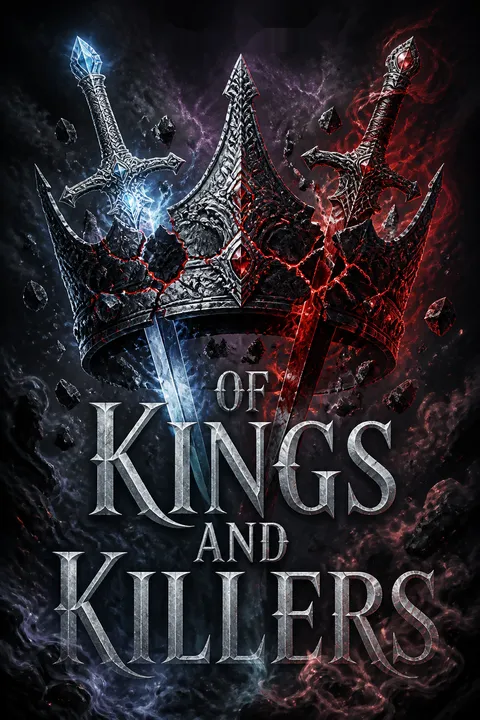
Of Kings and Killers is a sweeping epic that fuses political intrigue, cosmic horror, and intimate character drama into a meditation on power, sacrifice, and the nature of leadership. At its core, the novel interrogates what it means to wield power—whether as a killer, a king, or a reluctant leader—and the costs that come with every choice. Shera's journey from assassin to Guild Head to Regent encapsulates the paradox of leadership: the necessity of violence in defense of peace, the loneliness of command, and the impossibility of perfect solutions. The Great Elders serve as both literal and metaphorical threats—forces of chaos, annihilation, and temptation that test the boundaries of human agency. The fractured narrative, shifting alliances, and recurring betrayals reflect a world where trust is scarce and survival demands both ruthlessness and compassion. Ultimately, the novel suggests that hope endures not because of grand victories, but because of the quiet, stubborn refusal to give in—to despair, to manipulation, to the easy path of abandoning others. The lesson is clear: the world is remade not by kings or killers alone, but by those who choose, again and again, to stand together in the mist.
Characters
Shera
Shera is the heart of the narrative—a former assassin thrust into leadership as Head of the Consultant's Guild. Haunted by loss and guilt, she resists responsibility, preferring anonymity and detachment. Her dual Soulbound nature (Bastion and Syphren) mirrors her internal conflict: the urge to protect versus the urge to destroy. Shera's relationships—with Meia, Kerian, and the memory of Lucan—are fraught with loyalty, regret, and the fear of intimacy. Her journey is one of reluctant growth, as she learns to accept both her capacity for violence and her responsibility to others. By the end, she embodies the paradox of the killer who saves, the leader who never wanted to lead.
Meia
Meia is Shera's closest confidante and the emotional anchor of the story. A skilled Gardener and later a Soulbound, Meia is driven by loyalty—to Shera, to the Guild, and to her mother, Yala. Her Kameira heritage gives her both strength and a sense of otherness. Meia's relationship with Shera is complex: part rivalry, part sisterhood, part unspoken love. She challenges Shera's self-perception, refusing to let her friend succumb to despair or self-sacrifice. Meia's arc is one of steadfastness, growth, and the courage to confront both external threats and the emotional walls Shera builds.
Kerian
Kerian, the High Gardener, is a figure of wisdom and endurance. Scarred by age and experience, she serves as both mentor and conscience to Shera and Meia. Her leadership is pragmatic, balancing tradition with the need for change. Kerian's own Soulbinding late in life is a testament to her resilience and adaptability. She represents the best of the Guild's ideals—loyalty, sacrifice, and the willingness to do what must be done, even at personal cost.
Jorin Maze-walker
Jorin is one of the ancient Regents, a Reader of immense power and a survivor of countless wars. His wit and eccentricity mask deep sorrow and exhaustion. Jorin's relationship with the other Regents is familial, marked by old wounds and shared burdens. He is both a source of hope and a reminder of the cost of immortality. Jorin's arc is one of acceptance—of loss, of change, and of the need to pass the torch to a new generation.
Estyr Six
Estyr is the embodiment of martial prowess and sacrifice. Once the Emperor's right hand, she is both revered and feared. Her refusal of immortality, her loyalty to the Emperor, and her eventual madness and recovery are central to the story's emotional stakes. Estyr's presence inspires awe, but her suffering and vulnerability humanize her. She is a symbol of the cost of heroism and the burden of being more than human.
Loreli
Loreli, the Luminian Regent, is the moral center among the Regents. Her power to heal and her unwavering compassion contrast with the ruthlessness of others. Loreli's relationship with Shera and the Guilds is one of cautious trust. She is both a guide and a judge, offering forgiveness but demanding accountability. Loreli's arc is one of hope—believing in the possibility of redemption and the necessity of mercy.
Calder Marten
Calder is the Imperial Steward, a man caught between ambition, guilt, and the manipulations of the Elders. Marked by Kelarac, he is both a threat and a victim. Calder's relationship with Shera is antagonistic, shaped by mutual loss and the shadow of Lucan's death. His arc is one of reluctant heroism—choosing sacrifice over survival, and ultimately aiding in the defeat of the Elders at great personal cost.
Nathanael Bareius
Bareius, Head of the Alchemists, is a master manipulator whose ambition nearly dooms the Guilds. His betrayals and machinations force Shera and the others to confront the dangers within their own ranks. Bareius is both comic relief and a cautionary tale—the dangers of unchecked ambition and the necessity of unity in the face of existential threats.
Jyrine Tessella Marten
Jyrine, Calder's wife, is a high priestess of the Sleepless and a vessel for the Elders. Her fanaticism and willingness to sacrifice everything for her cause make her a formidable foe. Jyrine's arc is one of self-destruction—her quest for power and meaning leads to her own annihilation, and she serves as a dark mirror to Shera's journey.
The Emperor
The Emperor's presence looms over the entire narrative, shaping the world and the destinies of every character. His ambition to prepare humanity for the Elders' return, his willingness to sacrifice himself, and his complex relationships with the Regents and Shera define the stakes of the story. The Emperor is both savior and cautionary figure—a reminder that even the greatest leaders are flawed, and that the price of power is often paid in blood.
Plot Devices
Duality of Power and Identity
The narrative is structured around the tension between protection and destruction, embodied in Shera's two Vessels—Bastion (the Veil, defense, unity) and Syphren (the Killer, hunger, annihilation). This duality is echoed in the world's struggle between unity and division, hope and despair, mortal agency and Elder manipulation. The plot uses this device to explore questions of identity, choice, and the cost of power.
Fractured Narrative and Flashbacks
The story frequently shifts between present action and key moments in the past—most notably the Emperor's last stand and the awakening of the Regents. These flashbacks provide context, foreshadowing, and emotional depth, allowing the reader to understand the stakes and the characters' motivations. The fractured structure mirrors the broken state of the world and the characters' psyches.
Foreshadowing and Prophecy
The narrative is laced with prophecies, riddles, and the ramblings of the Elder-touched. These serve as both warnings and narrative engines, pushing characters to act (or hesitate) in the face of uncertainty. The ambiguity of prophecy reflects the unpredictability of the Elders and the limits of mortal understanding.
Political Intrigue and Betrayal
The plot is driven by negotiations, betrayals, and the constant threat of treachery from within. The peace summit, Bareius' machinations, and the ever-present risk of Elder cultists in the Guilds create a sense of paranoia and urgency. The narrative structure uses these devices to keep the reader off-balance and to highlight the fragility of trust.
Apocalyptic Stakes and Cosmic Horror
The narrative escalates from political intrigue to existential horror as the Great Elders rise, the sky cracks, and the void encroaches. The use of cosmic horror—forces beyond comprehension, the insignificance of mortals, the threat of annihilation—raises the stakes and forces characters to confront their own limitations. The structure builds tension through escalating threats, culminating in battles that blur the line between the physical and the metaphysical.
Sacrifice and the Cycle of Leadership
The story repeatedly returns to the theme of sacrifice—of self, of friends, of ideals. The Regents' willingness to sleep, Shera's acceptance of her role, and the deaths of key characters all reinforce the idea that leadership is a burden, not a reward. The narrative uses cycles—of war, of awakening and sleep, of betrayal and forgiveness—to suggest that history is both a warning and a guide.
The Elder Empire: Sea Series

Download PDF
Download EPUB
.epub digital book format is ideal for reading ebooks on phones, tablets, and e-readers.








































