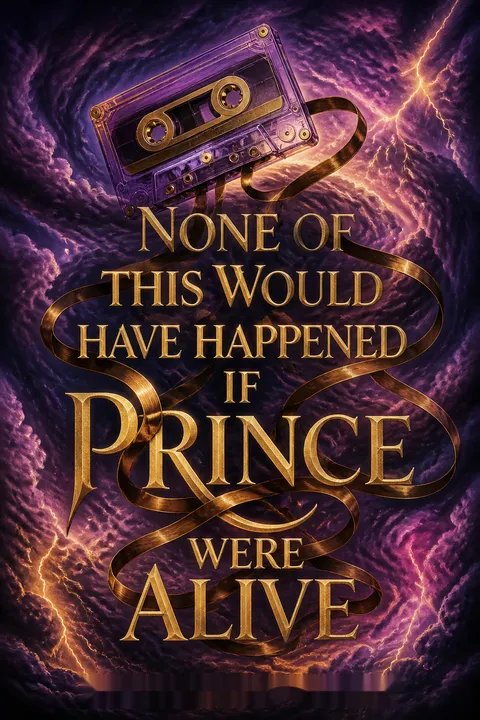

Plot Summary
Cone of Uncertainty
Ramona, a project manager and mother of two in Savannah, Georgia, is introduced as she navigates the chaos of her daily life. The threat of Hurricane Matthew looms, but for Ramona, it's just another stressor in a long list—her job, her marriage, her children, and her mother's opinions. The open-plan office offers no privacy, and her coworkers' lives seem alien. Ramona's internal monologue is laced with humor and anxiety as she tries to keep up appearances at work while fielding calls about the storm and her children. The hurricane is both a literal and metaphorical storm, foreshadowing the upheaval about to hit her personal life.
Storms and Secrets Collide
As the hurricane approaches, Ramona's world is upended not by the weather, but by betrayal. She comes home early to find her husband, Desmond, with another woman—Sarah Ellen, a fellow school mom. The shock is visceral, her sense of reality shattering in an instant. Ramona's reaction is a mix of numbness, rage, and logistical panic as she must still care for her children and manage the practicalities of evacuation. The emotional storm inside her mirrors the literal one outside, setting the stage for a journey through heartbreak and resilience.
Marriage in the Eye
In the aftermath of discovering Desmond's infidelity, Ramona is forced to keep moving—picking up her children, fielding questions from nosy acquaintances, and making evacuation plans. She flashes back to the day Prince died, reflecting on how loss can feel both personal and universal. The hurricane's approach becomes a backdrop for her internal reckoning: what does it mean to lose trust, to lose the person you thought you knew? Ramona's humor and self-awareness keep her afloat, even as she feels herself unraveling.
The Day Prince Died
Ramona recalls the day Prince died, a moment that felt like the world lost some of its magic. This memory is woven into her present grief, as she mourns not just a pop icon but the loss of innocence and certainty in her own life. The narrative draws parallels between public and private mourning, highlighting how unexpected events can leave us feeling unmoored. Ramona's connection to Prince becomes a symbol of her longing for joy, creativity, and a sense of self beyond her roles as wife and mother.
Shattered Trust, Shaky Ground
As she navigates the logistics of evacuation, Ramona is haunted by questions: Was Desmond's affair a symptom or a cause of their marital problems? She reflects on their history, the compromises and disappointments that accumulated over the years. The hurricane's unpredictability mirrors her own uncertainty about the future. Ramona's interactions with her children, friends, and mother are tinged with vulnerability and anger, but also with a fierce determination to protect her family and herself.
Evacuation Decisions
The mandatory evacuation order forces Ramona to make difficult choices. Her mother refuses to leave her home, clinging to her independence and pets. Ramona's friends urge her to get out, but she hesitates, weighed down by exhaustion and the emotional wreckage of her marriage. The decision becomes a metaphor for her larger struggle: when do you hold on, and when do you let go? Ramona's humor and pragmatism are tested as she tries to keep her children safe and her sanity intact.
Betrayal in the Kitchen
Ramona's interactions with Desmond become fraught with pain and unresolved questions. She demands honesty, but the answers only deepen her hurt. Meanwhile, Sarah Ellen reaches out, seeking forgiveness or absolution, but Ramona is in no mood to offer either. The kitchen, once a place of family and routine, becomes a battleground for truth and lies. Ramona's anger is raw, but beneath it is a longing for clarity and closure.
Motherhood Under Pressure
Ramona's role as a mother becomes both her anchor and her burden. She must shield her children from the chaos, even as she struggles to process her own emotions. The demands of potty training, school pickups, and snack negotiations feel both absurd and monumental in the face of the storm. Ramona's love for her children is fierce, but she worries about the impact of her unraveling marriage on their sense of security. The hurricane amplifies every fear and every act of care.
The Art of Survival
Ramona reflects on her past as an artist, her friendship with Christopher, and the dreams she once had. The loss of creative expression parallels the loss of self she feels in her marriage and motherhood. Yet, in moments of crisis, she draws on her resourcefulness and humor to keep going. The narrative explores how art, music, and friendship can offer solace and perspective, even when life feels overwhelming.
Bailey's Secret
As Ramona prepares to evacuate, she discovers that her teenage neighbor, Bailey, has been left alone—his mother gone, his father deployed. Bailey's quiet resilience and vulnerability touch Ramona, who decides to take him with her and her children. The revelation of Bailey's situation adds another layer to Ramona's sense of responsibility and compassion. It also highlights the unseen struggles that exist alongside her own, reminding her that everyone is weathering their own storms.
Family, Forgiveness, Fury
Ramona's relationship with her mother, Adelaide, is tested as they confront old secrets and new dangers. Adelaide's stubbornness and past infidelity come to light, complicating Ramona's understanding of love, loyalty, and forgiveness. The two women clash and comfort each other in turn, their bond both a source of strength and frustration. The narrative delves into the complexities of family, the ways we hurt and help each other, and the possibility of reconciliation.
Hurricane Hits Home
As Hurricane Matthew makes landfall, Ramona, her children, mother, and Bailey hunker down in the laundry room, the safest place in the house. The storm outside is matched by the emotional turbulence inside. Ramona's fears for her family's safety are compounded by the unresolved tension with Desmond, who returns to ride out the storm with them. In the darkness and uncertainty, moments of tenderness and humor emerge, revealing the resilience of love and the fragility of trust.
Aftermath and Reckoning
In the wake of the hurricane, Ramona surveys the damage to her home and neighborhood. The physical destruction mirrors the emotional wreckage of her marriage. She reconnects with friends and neighbors, finding comfort in shared survival and small acts of kindness. Ramona confronts her boss, Kenneth, asserting her boundaries and reclaiming her sense of agency. The process of cleaning up becomes a metaphor for the slow, messy work of healing.
The Toughest One
Ramona's mother calls her the toughest one in the family, a compliment that feels both true and burdensome. Ramona reflects on the ways she has been forced to be strong—for her children, her mother, and herself. She acknowledges the cost of this strength, the exhaustion and loneliness it brings. Yet, she also recognizes the power of vulnerability, the importance of asking for help and allowing herself to feel. The chapter ends with a sense of hard-won self-acceptance.
Choosing to Stay or Go
With the storm passed, Ramona faces the question of whether to stay with Desmond or start anew. The answer is not simple; love and betrayal are tangled together, and the future is uncertain. Ramona weighs the possibility of forgiveness against the need for self-respect and happiness. She considers the example of her parents, the lessons of her own experience, and the needs of her children. The decision is left open, reflecting the ambiguity and complexity of real life.
The Shape of Healing
Ramona begins to reclaim parts of herself that were lost in the chaos—her creativity, her friendships, her sense of humor. She finds moments of joy in the mundane, from making coffee on the grill to watching her children play. The process of healing is slow and nonlinear, marked by setbacks and breakthroughs. Ramona allows herself to hope for a future that is different, if not perfect. The narrative emphasizes the importance of self-compassion and the possibility of growth after loss.
The Trees Still Standing
In the final chapter, Ramona surveys the neighborhood, noting the trees that survived and those that fell. The image becomes a metaphor for endurance and change. She reconnects with her mother, Bailey, and Desmond, each relationship altered but not destroyed. Ramona acknowledges the pain of the past but chooses to focus on what remains—her children, her home, her capacity for love and laughter. The story ends with a sense of cautious optimism, the promise of new beginnings amid the wreckage.
Analysis
Carolyn Prusa's None of This Would Have Happened If Prince Were Alive is a sharp, funny, and deeply moving exploration of modern womanhood under pressure. Through the lens of a literal hurricane and the metaphorical storms of betrayal, motherhood, and self-doubt, the novel captures the relentless demands placed on women to be everything to everyone—worker, mother, wife, daughter, friend—while often losing sight of themselves. Prusa's protagonist, Ramona, is refreshingly honest about her flaws, fears, and desires, making her both relatable and inspiring. The novel's structure—interweaving present crisis with memories and pop culture references—mirrors the fragmented, nonlinear nature of real emotional processing. The use of humor, even in the darkest moments, is both a survival strategy and a form of resistance against despair. Ultimately, the book argues for the necessity of self-compassion, the power of community, and the possibility of renewal after loss. It's a story about learning to let go of perfection, embracing vulnerability, and finding strength in the messiness of life. The lesson is clear: storms will come, but what matters is how we weather them—and who we become in their aftermath.
Review Summary
None of This Would Have Happened If Prince Were Alive follows Ramona, a working mother navigating a Category 4 hurricane in Savannah while discovering her husband's affair. Reviews are polarized: fans praise Prusa's humor, relatable portrayal of overwhelmed motherhood, and authentic chaos, calling it hilarious and engaging. Critics find characters unlikable, especially the children, and feel Ramona lacks growth while making questionable decisions. Many note Prince references feel disconnected from the story despite the title's promise. The fast-paced, chaotic narrative resonates with working mothers but frustrates readers expecting stronger character development or meaningful Prince integration.
People Also Read









Characters
Ramona Burkhalter Arnold
Ramona is the heart of the novel—a witty, anxious, and deeply relatable woman navigating the relentless demands of modern motherhood, marriage, and work. Her internal monologue is sharp, self-deprecating, and honest, revealing both her vulnerabilities and her resilience. Ramona's journey is one of survival—through betrayal, natural disaster, and the daily grind. She is fiercely protective of her children, skeptical of her own worth, and haunted by the gap between who she is and who she wants to be. Over the course of the story, Ramona moves from numbness and rage to a tentative acceptance of her own strength and the messy, unfinished nature of healing.
Desmond Arnold
Desmond is Ramona's husband, a native Southerner with a laid-back charm and a history of underachievement. His affair with Sarah Ellen is both a symptom and a cause of the couple's marital woes. Desmond is not a villain, but a man adrift—struggling with his own insecurities, longing for connection, and making selfish choices that hurt those he loves. His relationship with Ramona is marked by both deep affection and mutual frustration. Desmond's attempts at apology and reconciliation are sincere but complicated by his inability to fully understand or articulate his own needs. He is a portrait of the imperfect partner, both lovable and exasperating.
Adelaide Burkhalter
Adelaide is Ramona's mother, a force of nature in her own right. She is opinionated, independent, and often exasperating, but her love for her family is fierce. Adelaide's refusal to evacuate during the hurricane is emblematic of her stubbornness and pride. Her own history of infidelity complicates Ramona's understanding of marriage and forgiveness. Adelaide is both a source of comfort and conflict, embodying the generational tensions and unspoken wounds that shape family life. Her eventual vulnerability and willingness to help Bailey reveal a softer side beneath her tough exterior.
Bailey
Bailey is Ramona's teenage neighbor, left alone when his mother disappears and his father is deployed. Quiet, resourceful, and mature beyond his years, Bailey becomes an unexpected member of Ramona's evacuation crew. His hidden struggles mirror Ramona's own sense of isolation and responsibility. Bailey's presence brings out Ramona's compassion and highlights the unseen hardships faced by many. His eventual connection with Adelaide offers hope for both characters, suggesting that found family can be as powerful as blood ties.
Sarah Ellen
Sarah Ellen is the woman with whom Desmond has an affair. She is portrayed not as a villain, but as a deeply lonely and conflicted person, seeking connection and forgiveness. Her attempts to reach out to Ramona are awkward and unwelcome, but they reveal her own pain and regret. Sarah Ellen's presence forces Ramona to confront uncomfortable truths about her marriage, her own capacity for forgiveness, and the ways women are pitted against each other in the aftermath of betrayal.
Alex
Alex is Ramona's firstborn, a thoughtful and anxious child who craves routine and reassurance. His questions and observations provide both comic relief and emotional depth. Alex's vulnerability heightens Ramona's sense of responsibility and fear, but his resilience and affection also offer her moments of joy and hope. He represents the innocence at stake in the family's turmoil and the possibility of healing through love.
Nanette
Nanette, Ramona's younger child, is a whirlwind of toddler energy—defiant, creative, and unpredictable. Her struggles with potty training and her attachment to her blanket, Minneapolis, are both sources of stress and humor. Nanette's needs force Ramona to stay present, even when she feels overwhelmed. She embodies the chaos and wonder of early childhood, reminding Ramona of the stakes of her choices and the enduring power of maternal love.
Kenneth
Kenneth is Ramona's boss at the tech company, a well-meaning but clueless manager who embodies the disconnect between corporate expectations and real life. His insistence on productivity during a natural disaster and his lack of empathy for Ramona's struggles highlight the broader societal pressures faced by working mothers. Kenneth's interactions with Ramona serve as a catalyst for her to assert her boundaries and reclaim her sense of agency.
Christopher
Christopher is Ramona's college friend, a gay man who represents a link to her creative, pre-motherhood self. He offers her refuge during the evacuation and provides both comic relief and emotional support. Christopher's own relationship with Frankie models alternative forms of partnership and forgiveness. His presence reminds Ramona of who she was and who she might become again.
Frankie
Frankie is Christopher's boyfriend, a warm and welcoming figure who helps care for Ramona and her children during the evacuation. His kindness and humor provide a counterpoint to the chaos of Ramona's life. Frankie's acceptance and generosity underscore the importance of chosen family and the healing power of hospitality.
Plot Devices
Hurricane as Metaphor
The literal hurricane, Matthew, is the central plot device, driving the action and forcing characters into crisis. It serves as a powerful metaphor for the emotional storms in Ramona's life—her husband's betrayal, her mother's secrets, her own sense of being overwhelmed. The unpredictability and destructiveness of the hurricane mirror the upheaval in Ramona's marriage and identity. The storm's aftermath provides a space for reckoning, rebuilding, and the possibility of renewal.
Flashbacks and Nonlinear Narrative
The novel employs frequent flashbacks—to Ramona's college days, her early marriage, the day Prince died, and moments from her childhood. These nonlinear elements deepen the reader's understanding of Ramona's character, her relationships, and the roots of her current struggles. The interplay between past and present highlights the ways in which memory, loss, and nostalgia inform our responses to crisis.
Humor and Self-Deprecation
Ramona's sharp wit and self-deprecating humor are woven throughout the narrative, providing levity amid the heaviness of betrayal and disaster. This device not only endears her to the reader but also illustrates how humor can be a vital tool for survival. The juxtaposition of absurdity and pain underscores the complexity of real life, where laughter and tears often coexist.
Symbolism of Prince
The recurring references to Prince—his music, his death, his persona—serve as a symbol of lost magic, creativity, and selfhood. For Ramona, Prince represents a time when she felt more alive, more herself. His absence is felt as a personal loss, paralleling the losses in her own life. The motif of Prince's music threads through the narrative, offering moments of connection, nostalgia, and hope.
Found Family and Community
The inclusion of Bailey, Christopher, Frankie, and the neighborhood community highlights the importance of chosen family and collective resilience. In moments of crisis, these relationships provide support, perspective, and the possibility of healing. The novel suggests that survival is not a solitary endeavor, but a communal one.
Foreshadowing and Irony
Early references to the hurricane, the day Prince died, and Ramona's sense of being overwhelmed foreshadow the coming crises. The irony of preparing for one kind of disaster while being blindsided by another (Desmond's affair) underscores the unpredictability of life and the limits of control.
Download PDF
Download EPUB
.epub digital book format is ideal for reading ebooks on phones, tablets, and e-readers.








































