
Plot Summary
Escape to the Wild
Sam Gribley, a restless boy from a crowded New York apartment, dreams of freedom and self-reliance. Armed with little more than a penknife, some money, and survival books, he escapes to the Catskill Mountains, determined to live off the land on his great-grandfather's abandoned farm. The journey is both literal and symbolic—a break from the constraints of urban life and family expectations. Sam's initial optimism is tinged with anxiety, but his resolve is clear: he will carve out a new existence, one rooted in nature and independence. The city's noise fades behind him as he steps into the unknown, driven by a longing for solitude, adventure, and a place to call his own.
First Night's Fears
The reality of wilderness life quickly sets in. Sam's first night alone is cold, hungry, and terrifying. His attempts to fish and build a fire fail, leaving him shivering in a makeshift shelter, haunted by strange noises and the overwhelming darkness. The forest, so inviting by day, becomes menacing at night. Sam's bravado crumbles, replaced by vulnerability and self-doubt. Yet, as dawn breaks and the sun rises, hope returns. The beauty of the morning and the promise of a new day rekindle his determination. This trial by night marks the beginning of Sam's transformation from a city boy to a survivor, teaching him humility and resilience.
Finding Gribley's Farm
Guided by stories and old maps, Sam searches for the legendary Gribley farm. With the help of a kind librarian, Miss Turner, he uncovers its location and sets out through overgrown paths and stone walls. The discovery is both a triumph and a homecoming—Sam sits on the ancient boundary stones, feeling the weight of family history and the thrill of ownership. The land is wild and untamed, but it is his. Hunger drives him to fish and forage, and the first successful fire feels like magic. The farm becomes the canvas for his new life, a place where he can test his skills and imagination.
Lessons from the Land
Sam learns to observe the animals and plants around him, using their behaviors as guides for survival. He experiments with wild foods, from mussels to roots, and discovers the importance of planning and resourcefulness. Each day brings new challenges—finding edible plants, making tools, and building shelter. The land is both generous and demanding, offering rewards to those who pay attention and adapt. Sam's failures become lessons, and his successes build confidence. The rhythm of nature begins to shape his days, and he starts to feel a sense of belonging in the wilderness.
The Hemlock Home
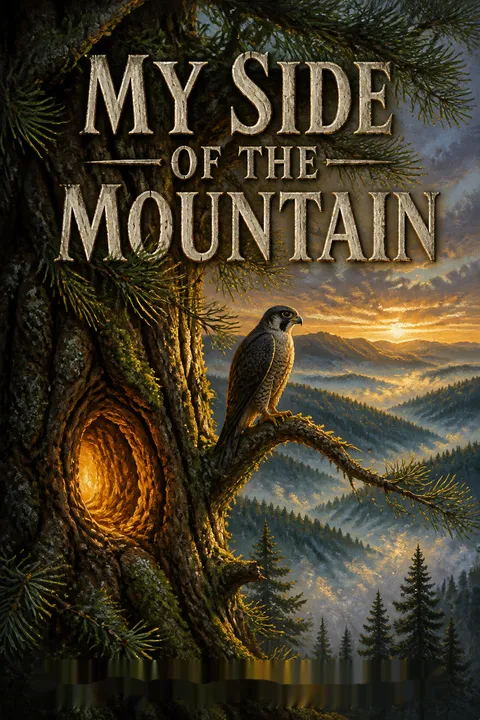
Seeking safety and invisibility, Sam chooses a massive hemlock tree as his home. He hollows it out, using fire and tools, and crafts a snug, secret dwelling. The process is exhausting but deeply satisfying. The tree becomes his sanctuary, protecting him from weather and prying eyes. Sam's ingenuity shines as he solves problems—finding water, storing food, and making a door from deerskin. The hemlock home is a symbol of his independence and creativity, a place where he can live by his own rules. As summer turns to fall, Sam's skills and confidence grow, and the tree becomes the heart of his new life.
Survival and Solitude
With the basics of shelter and food secured, Sam settles into the rhythms of the forest. He sets traps, gathers plants, and learns to preserve food for winter. The solitude is both a blessing and a challenge—he relishes the peace but sometimes longs for human contact. Animal neighbors, like the mischievous Baron Weasel and the helpful raccoon Jessie Coon James, become his companions. Sam's relationship with the land deepens, and he begins to see himself as part of the ecosystem. The changing seasons bring new tasks and discoveries, and Sam's sense of self-reliance grows stronger.
Frightful's Arrival
Inspired by a chance encounter with a peregrine falcon, Sam decides to capture and train one to help him hunt. The process is dangerous and demanding, but he succeeds in taking a young female he names Frightful. Their bond is immediate and profound—Frightful becomes both a partner in survival and a source of emotional comfort. Training her requires patience, trust, and understanding. Together, they hunt, explore, and weather the challenges of wilderness life. Frightful's presence eases Sam's loneliness and adds a new dimension to his existence, blending wildness with companionship.
The Baron and the Marsh
Sam's world expands to include a cast of animal characters, each with their own quirks and roles. The Baron Weasel is bold and unpredictable, Jessie Coon James is clever and industrious, and the marsh teems with life and food. Sam learns to read the signs of nature—animal tracks, bird calls, and plant cycles—using them to find food and avoid danger. These relationships blur the line between wild and tame, teaching Sam empathy and respect for other creatures. The animals become both teachers and friends, enriching his solitary life and reminding him of the interconnectedness of all living things.
Bando in the Wilderness
Sam's solitude is interrupted by the arrival of Bando, a lost English professor who stumbles upon his camp. Initially wary, Sam soon welcomes Bando's company and wisdom. Together, they share meals, stories, and skills, deepening Sam's understanding of both nature and humanity. Bando helps Sam with practical tasks—making jam, firing clay pots, and building a raft—and encourages his intellectual curiosity. Their friendship is a reminder that even in the wild, human connection is valuable. When Bando leaves, Sam feels the ache of loneliness but also the warmth of having been understood and accepted.
Autumn's Bounty, Winter's Threat
As autumn blazes across the mountains, Sam races to gather and store food—nuts, roots, dried meat—for the coming winter. The animals around him do the same, and Sam feels both camaraderie and competition. The first frosts and falling leaves signal the urgency of preparation. Sam builds a fireplace in his tree, crafts warm clothing from animal hides, and learns to adapt to the changing landscape. The approach of winter brings both fear and excitement—a test of all he has learned. The bounty of autumn is a reward for his hard work, but the looming cold is a reminder of nature's power.
The Storm and the Hearth
The first blizzard traps Sam in his tree, testing his preparations and resolve. The storm is both beautiful and terrifying, isolating him from the world and forcing him to rely on his stores and ingenuity. The fireplace becomes his lifeline, providing warmth and comfort. Sam reflects on his journey, recalling the fears and triumphs that brought him to this moment. The storm passes, revealing a transformed landscape—white, silent, and serene. Sam emerges stronger, having faced his deepest fears and proven his ability to survive. Winter becomes not just an obstacle, but a season of reflection and growth.
Visitors and Vulnerability
As winter deepens, rumors of a "wild boy" in the Catskills spread, drawing curiosity and concern from the outside world. Sam encounters Matt Spell, a young reporter, and cautiously allows him to visit, balancing the desire for secrecy with the need for connection. Other visitors—Bando, Tom Sidler, and even his father—find their way to Sam's hidden home, each bringing news, gifts, and challenges. The boundaries between solitude and society blur, and Sam must navigate the risks of being discovered. These encounters force him to reconsider his place in the world and the meaning of home.
The Wild Boy Rumor
Newspaper stories and local gossip transform Sam into a mythic figure—the "wild boy" living off the land. The attention is both flattering and threatening, as it brings strangers and the risk of being forced back to civilization. Sam grapples with the consequences of his choices, realizing that true independence is complicated by the curiosity and expectations of others. The legend takes on a life of its own, shaping how Sam is seen and how he sees himself. The tension between privacy and publicity becomes a central conflict, challenging Sam's desire for autonomy.
Winter's Deep Embrace
The heart of winter is a time of introspection and endurance. Sam faces hunger, cold, and illness, learning to listen to his body and adapt his diet. The forest is both harsh and nurturing, offering lessons in patience and acceptance. Sam's relationships with the animals deepen, and he finds comfort in their presence and routines. The long nights and silent days foster creativity—Sam writes, invents, and dreams. The solitude is no longer a burden, but a source of strength and clarity. Winter becomes a crucible, forging Sam's identity and preparing him for what lies ahead.
Spring's Awakening
As the snow melts and the first green shoots appear, Sam feels the stirrings of hope and possibility. The return of birds, the birth of new animals, and the abundance of wild foods signal the end of hardship. Sam's spirits lift, and he welcomes visitors—Matt, Bando, and others—sharing his knowledge and hospitality. The forest comes alive with activity, and Sam is both participant and observer. The cycle of seasons mirrors his own growth, and he begins to imagine a future that includes both solitude and community. Spring is a time of celebration and gratitude.
The World Draws Near
The outside world finally catches up with Sam. Reporters, photographers, and curious townspeople invade his sanctuary, drawn by the legend of the wild boy. Sam's carefully constructed world is exposed, and the privacy he cherished is lost. The arrival of his family, led by his determined mother, marks the end of his experiment in self-sufficiency. The mountain is no longer just his—it becomes a home for all. Sam is both saddened and relieved, recognizing that his journey has changed him forever. The wilderness has given him strength, wisdom, and a sense of belonging.
Family Returns Home
Sam's family arrives on the mountain, bringing laughter, chaos, and love. His mother insists on building a proper house, determined to provide for her son and silence the critics. Sam resists at first, fearing the loss of his hard-won independence, but gradually accepts the new reality. The family adapts to the rhythms of the land, learning from Sam and each other. The mountain becomes a place of reunion and healing, blending the best of wilderness and home. Sam realizes that true belonging is not about isolation, but about connection—to people, to place, and to oneself.
The End of Solitude
As summer returns, Sam reflects on his extraordinary year. The solitude that once seemed essential now gives way to community and family. The mountain is transformed, but its magic endures. Sam's experiment in self-reliance has taught him courage, adaptability, and the value of both independence and interdependence. The story ends not with a return to the city, but with the creation of a new kind of home—one that honors both the wild and the human. Sam's side of the mountain is no longer just his; it is a place where dreams, challenges, and love coexist.
Analysis
"My Side of the Mountain" is a timeless exploration of the human longing for freedom, self-reliance, and connection to nature. Through Sam Gribley's journey, the novel examines the tension between independence and belonging, solitude and community, wildness and civilization. The wilderness is both a testing ground and a sanctuary, offering challenges that foster resilience, creativity, and empathy. Sam's relationships—with animals, the land, and the people who find him—reveal the complexity of survival, not just as a physical act, but as a psychological and emotional process. The story celebrates curiosity, adaptability, and the courage to pursue one's dreams, while also acknowledging the inevitability of change and the importance of relationships. In a modern context, the novel resonates as a call to reconnect with the natural world, to value simplicity and resourcefulness, and to recognize that true belonging is found not in isolation, but in the balance between self and others, wildness and home.
Review Summary
My Side of the Mountain receives mixed reviews, averaging 4.1/5 stars. Many readers cherish it as a beloved childhood classic that sparked their imagination and love of nature. They appreciate Sam Gribley's wilderness survival story and resourcefulness. However, critics note significant implausibilities: parents who don't search for their runaway child, unrealistic survival skills for a city boy, and concerning interactions with adult strangers. Some find the 1950s context problematic by modern standards. Despite dated elements and a weak ending, many readers value its inspirational message about self-reliance and connection to nature, though it works better as fantasy than realistic survival fiction.
People Also Read

Characters
Sam Gribley
Sam is the heart of the story—a boy driven by a longing for freedom, self-reliance, and connection to nature. Fleeing the constraints of city life, he embarks on a journey of survival and self-discovery in the Catskill Mountains. Sam's intelligence and adaptability are matched by his vulnerability and need for belonging. Over the course of the year, he transforms from a naive runaway into a skilled woodsman, learning from both his failures and successes. His relationships—with animals, the land, and the people who find him—reveal a deep capacity for empathy and growth. Sam's journey is both physical and psychological, exploring themes of independence, loneliness, and the search for home.
Frightful
Frightful, the peregrine falcon Sam captures and trains, is more than a hunting partner—she is a symbol of wildness, trust, and companionship. Their relationship is built on patience, respect, and mutual dependence. Frightful's presence eases Sam's loneliness and teaches him about the delicate balance between freedom and attachment. As she matures, Frightful becomes both a provider and a friend, embodying the spirit of the wilderness and the possibility of connection across species. Her loyalty and skill are crucial to Sam's survival, and her eventual independence mirrors Sam's own journey toward self-knowledge.
The Baron Weasel
The Baron Weasel is a wild neighbor who alternates between nuisance and ally. His boldness and unpredictability challenge Sam's assumptions about control and coexistence. The Baron's antics provide comic relief and moments of tension, but also teach Sam about the complexity of animal behavior and the limits of human influence. The weasel's independence and resilience are qualities Sam comes to admire, and their uneasy friendship reflects the broader theme of living in harmony with the wild.
Jessie Coon James
Jessie Coon James, the raccoon, is a resourceful companion who helps Sam find food and navigate the challenges of wilderness life. His intelligence and adaptability make him both a helper and a rival, especially when it comes to foraging. Jessie's presence adds warmth and humor to Sam's solitary existence, and their interactions highlight the importance of observation, patience, and respect for other creatures. Jessie's eventual departure signals the changing seasons and the cycles of life in the forest.
Bando
Bando, the lost English professor, becomes Sam's first true human friend in the wilderness. His arrival brings knowledge, companionship, and a sense of normalcy to Sam's isolated world. Bando's curiosity and open-mindedness help bridge the gap between civilization and the wild, encouraging Sam to reflect on his choices and values. Their friendship is built on mutual respect and shared experiences, and Bando's periodic visits provide both practical help and emotional support. Bando's presence reminds Sam that connection and understanding are possible, even in the most unlikely places.
Matt Spell
Matt Spell is a young reporter drawn by the legend of the "wild boy." His determination to uncover the truth brings him into Sam's world, challenging the boundaries of secrecy and trust. Matt's youthful enthusiasm and hunger for recognition are tempered by his growing respect for Sam's wishes and way of life. Their relationship is a dance of negotiation, as Sam balances the risks of exposure with the desire for friendship. Matt's eventual promise to protect Sam's secret reflects the power of empathy and the importance of keeping some mysteries sacred.
Tom Sidler (Mr. Jacket)
Tom Sidler, initially a skeptical town boy, becomes one of Sam's closest friends. His practical skills and willingness to learn make him a valuable ally, and his presence helps bridge the gap between Sam's wilderness life and the nearby town. Tom's acceptance of Sam's unconventional choices and his eagerness to participate in the adventure highlight the universal appeal of freedom and self-reliance. Their friendship is grounded in mutual respect and shared experiences, reinforcing the theme that true connection transcends background and circumstance.
Sam's Father
Sam's father is a complex figure—both a source of inspiration and a reminder of the responsibilities Sam has left behind. His own longing for adventure and the sea resonates with Sam's quest for independence. When he finally visits Sam on the mountain, he brings warmth, pride, and a sense of closure. His acceptance of Sam's choices and his willingness to adapt to the new reality reflect the power of parental love and the importance of letting children find their own paths.
Sam's Mother
Sam's mother embodies the tension between care and control. Her initial absence is felt throughout Sam's journey, but her eventual arrival on the mountain marks a turning point. Determined to provide for her son and protect his reputation, she insists on building a proper home, blending her values with Sam's hard-won independence. Her actions are motivated by love and a desire to do right by her family, even as she struggles to understand Sam's choices. Her presence brings both comfort and challenge, forcing Sam to reconcile his need for freedom with his ties to family.
Miss Turner
Miss Turner, the librarian, is a quiet but pivotal figure in Sam's journey. Her willingness to help Sam find the Gribley farm and her belief in his dreams provide crucial support at a vulnerable moment. She represents the kindness and wisdom that can be found in unexpected places, and her encouragement helps set Sam on the path to self-discovery. Miss Turner's role is a reminder that even brief encounters can have lasting impacts.
Plot Devices
Survival as Self-Discovery
The narrative uses Sam's struggle to survive as a vehicle for exploring themes of independence, resilience, and identity. Each challenge—finding food, building shelter, facing storms—mirrors Sam's internal journey from fear to confidence. The cyclical structure of the seasons provides a natural framework for his development, with each phase bringing new lessons and opportunities for reflection. The use of journal entries and notes adds intimacy and immediacy, allowing readers to experience Sam's thoughts and emotions in real time. Foreshadowing is woven throughout, as early failures and fears set the stage for later triumphs. The interplay between solitude and community, wildness and civilization, is explored through encounters with animals and people, blurring the boundaries between them. The story's resolution—Sam's acceptance of both family and wilderness—underscores the idea that true self-reliance includes the ability to connect, adapt, and belong.
Mountain Series
Download PDF
Download EPUB
.epub digital book format is ideal for reading ebooks on phones, tablets, and e-readers.








































