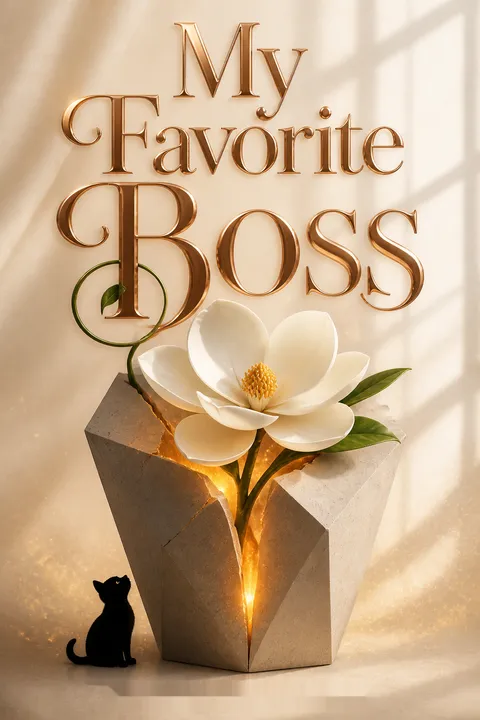

Plot Summary
The Impossible Boss Bet
Alexander Bane, a brilliant but notoriously difficult landscape architect, is challenged by HR to hire and keep an assistant for more than six weeks. After burning through candidates, he's forced to interview the remaining applicants himself, setting up a bet with HR's Laura: if he succeeds, HR admits fault; if not, he must publicly own his arrogance. Bane's standards are impossibly high, and his reputation for being cold and exacting precedes him. The stage is set for a clash of personalities, with Bane's pride and the company's patience on the line. The bet is more than office politics—it's a test of Bane's ability to connect, change, and perhaps, unknowingly, open his heart.
Magnolia's Tumultuous Interview
Magnolia Myers, late, disheveled, and breathless, literally crashes into Bane during her interview. Despite her disastrous arrival, her wit, resilience, and surprising competence shine through. She impresses Bane with her quick thinking and technical skills, spotting errors no other candidate noticed. Their banter is electric, her warmth clashing with his icy demeanor. Against his better judgment, Bane hires her, convinced she's a problem he can handle. Magnolia, determined to prove herself, senses the challenge and opportunity. Their first meeting is a collision—of bodies, of personalities, and of the rigid walls Bane has built around himself.
First Days, First Sparks
Magnolia's first days are a whirlwind of chaos and competence. She reorganizes Bane's office, fixes his calendar, and brings a warmth the space has never known. Her quirky humor and genuine kindness begin to thaw Bane's frosty exterior, though he resists acknowledging it. The office staff, from IT's Rylee to the cleaning crew, are charmed by Magnolia, while Bane finds himself both irritated and intrigued. Their dynamic is a dance of boundaries—Magnolia's empathy and Bane's brusqueness clashing and blending. The seeds of mutual respect and attraction are sown, even as both try to keep things strictly professional.
Office Chaos and Coffee Wars
Magnolia's presence brings both order and delightful disorder. She introduces Bane to her signature "foamy" coffees, which he pretends to dislike but secretly enjoys. Their daily interactions are filled with playful bickering, accidental physical closeness, and moments of unexpected vulnerability. Magnolia's lunches and small acts of care unsettle Bane, who is unused to being looked after. Meanwhile, mysterious weekly flowers begin arriving for Magnolia, sparking curiosity and a hint of jealousy in Bane. The office becomes a battleground of wit, affection, and unspoken longing, as both struggle to maintain their roles.
Mean Girls and Office Politics
Magnolia's warmth and competence make her a target for the office's clique of mean girls, led by Verity. Their whispered insults and exclusionary tactics threaten Magnolia's confidence. Rylee, the IT head, becomes her ally, offering support and friendship. Bane, initially oblivious, becomes aware of the toxic environment and is quietly furious. The staff meeting and upcoming awards dinner become focal points for both professional recognition and personal tension. Magnolia's resilience is tested, but her kindness and humor win her genuine friends, even as the undercurrents of jealousy and sabotage swirl.
Family Intrusions and Defenses
Bane's cold, status-obsessed mother and his smarmy stepbrother Terry intrude, pressuring him to conform, marry "well," and maintain the family's social standing. Magnolia becomes an unwitting shield, inventing wild stories to keep Bane's mother at bay. Their shared battles against family interference deepen their bond, revealing Bane's vulnerabilities and Magnolia's fierce loyalty. Magnolia's empathy helps Bane confront his painful family history, while her own struggles with her father's illness add layers of poignancy. Together, they navigate the minefield of familial expectations, finding solace in each other's understanding.
Accidental Intimacy
A series of accidental touches, shared confidences, and moments of physical closeness push Bane and Magnolia past the point of denial. A weekend encounter in the park, a twisted ankle, and Magnolia's inviting home reveal new facets of their personalities. Bane's protective instincts and Magnolia's nurturing nature come to the fore. Their mutual attraction becomes undeniable, culminating in a passionate, if awkward, encounter in the office. The line between boss and assistant is crossed, and both are left reeling—excited, confused, and more entangled than ever.
The Awards Night Shift
At the company's awards dinner, Bane is honored for his work, but the night is marred by the mean girls' relentless bullying of Magnolia. Bane, witnessing her distress, publicly acknowledges her contributions in his acceptance speech, stunning the room and silencing her detractors. The gesture is both professional and deeply personal, signaling a shift in their relationship. Magnolia is buoyed by his support, but the emotional toll of the evening lingers. The event marks a turning point—Bane's willingness to stand up for Magnolia, and her realization of her own worth.
Vulnerability and Growing Closeness
In the aftermath of the awards, Bane and Magnolia's relationship deepens. They share meals, laughter, and secrets. Magnolia's care for her ailing father and Bane's struggles with his family draw them closer. The arrival of a stray kitten, Hedge, becomes a symbol of their growing domesticity and Bane's capacity for tenderness. Magnolia's creativity and Bane's protectiveness blend into a partnership that feels increasingly like home. Yet, both are haunted by fears—of loss, of inadequacy, of the risks of loving and being loved.
Boundaries Broken, Hearts Exposed
Their physical relationship intensifies, bringing joy and complications. A mishap with a condom reveals Bane's allergies and Magnolia's guilt, leading to a crisis of communication. Magnolia's father's health declines, and her grief isolates her. Bane, realizing the depth of his feelings, struggles to express them, hampered by his upbringing and fear of vulnerability. Magnolia, feeling alone and uncertain, contemplates her future. Their love is tested by misunderstandings, pride, and the weight of unspoken emotions. The need for honesty and healing becomes urgent.
Secrets, Scars, and Sandwiches
Magnolia's pregnancy, discovered after her father's death, becomes a secret she carries alone, fearing Bane's reaction. Bane, with the help of his friend Sam, finally recognizes his love for Magnolia and confronts her, learning the truth. Their reunion is raw and cathartic—Bane's declaration of love, Magnolia's relief, and the promise of a shared future. The mystery of the weekly flowers is solved—Bane has been sending them all along, a silent thank you and a symbol of his growing affection. Their partnership, once fraught with uncertainty, is now anchored in mutual devotion.
Bullying, Bravery, and Belonging
Bane implements anti-bullying protocols at work, determined to create a safe environment for all. Magnolia, empowered by his support and her own resilience, confronts her tormentors and finds her place in the company. Rylee and Sam's budding romance adds levity and hope. The office, once a battleground, becomes a community. Bane and Magnolia's relationship, now public, is met with acceptance and celebration. Their journey from adversaries to allies inspires those around them, proving that kindness and courage can transform even the most toxic spaces.
The Cat, the Condo, and the Confession
Life together brings new challenges and joys—Hedge's antics, Magnolia's creative pursuits, and Bane's ongoing battle with his family. Their home becomes a sanctuary, filled with laughter, love, and the chaos of impending parenthood. Bane's proposal, at first clumsy and transactional, is eventually remade into a heartfelt promise. Magnolia's patience and Bane's growth culminate in a real engagement, witnessed by friends and family. The past is not forgotten, but it is no longer a barrier. Together, they build a life rooted in acceptance and hope.
Grief, Distance, and Discovery
Magnolia's father's passing brings a wave of grief, testing her strength and Bane's ability to comfort. She withdraws, fearing abandonment and the burden of her pregnancy. Bane, guided by friends and his own awakening heart, pursues her, determined to prove his commitment. Their reconciliation is a testament to the power of vulnerability and the necessity of trust. The revelation of Bane's secret flower deliveries becomes a metaphor for all the ways love can be shown—quietly, persistently, and with deep intention.
The Proposal That Wasn't
Bane's initial marriage proposal is pragmatic, focused on solving problems rather than expressing love. Magnolia, hurt and disappointed, rejects the offer, needing more than security—she needs to be chosen for herself. Their ensuing argument and Magnolia's retreat force Bane to confront his own fears and limitations. The episode becomes a catalyst for growth, prompting both to reevaluate what they want and need from each other. The lesson is clear: love cannot be negotiated; it must be freely given and received.
The Real Proposal
Bane, having learned from his mistakes, proposes again—this time with vulnerability, sincerity, and the blessing of Magnolia's late father. The engagement ring, the shared memories, and the acknowledgment of their journey make the moment profound. Magnolia, finally feeling seen and cherished, accepts. Their engagement is not just a promise of marriage, but a commitment to face life's challenges together. The office, their friends, and even Hedge the cat become part of their chosen family. The future, once uncertain, is now filled with possibility.
Love, Loss, and New Life
The birth of their son, Jensen, marks the culmination of their journey from isolation to intimacy. Bane, once convinced he could not love, is transformed by fatherhood and Magnolia's unwavering faith in him. Their family grows, their home expands, and the wounds of the past are healed by the daily acts of care and connection. The epilogue, set years later, shows a family thriving—Bane, Magnolia, their children, and Hedge, all bound by love, laughter, and the hard-won knowledge that happiness is built, not found.
Full Circle: Family Found
In the final scenes, Bane and Magnolia reflect on their journey—the trials, the triumphs, and the unexpected joys. The ghosts of the past, from Bane's mother to the mean girls, are left behind. Their children, their friends, and their home are the proof of what they have built together. Bane, once the "impossible boss," is now a devoted husband and father, grateful for the woman who changed his life. Magnolia, once the outsider, is now the heart of a family. Their story is a testament to the power of love to heal, transform, and endure.
Analysis
Melanie Moreland's My Favorite Boss is a contemporary romance that transcends its genre trappings by delving deeply into themes of vulnerability, healing, and the transformative power of love. At its core, the novel is a study in opposites—order and chaos, coldness and warmth, isolation and belonging. Through the evolving relationship between Alexander Bane and Magnolia Myers, the story explores how trauma, family expectations, and workplace toxicity can shape—and limit—our capacity for connection. Yet, it is also a testament to resilience: Magnolia's kindness and humor become catalysts for change, not just for Bane, but for the entire office culture. The narrative's use of classic romance tropes—forced proximity, the bet, the "grumpy boss"—is subverted by genuine psychological depth and a refusal to offer easy answers. The journey from transactional partnership to chosen family is marked by setbacks, misunderstandings, and moments of comic relief, all of which serve to humanize the characters and make their eventual happiness feel earned. The novel's ultimate message is clear: love is not a cure-all, but it is a force powerful enough to break cycles of pain, inspire growth, and create new legacies. In a world often defined by cynicism and competition, My Favorite Boss offers a hopeful vision of what can happen when we dare to be seen, to care, and to choose each other—again and again.
Review Summary
People Also Read

Characters
Alexander Bane
Bane is a landscape architect whose genius is matched only by his emotional isolation. Scarred by a cold, status-obsessed mother and a lifetime of unmet expectations, he wields control as both shield and weapon. His relationships are transactional, his standards impossibly high, and his heart locked away. Magnolia's arrival disrupts his carefully ordered world, challenging his assumptions and exposing his vulnerabilities. Through her, Bane learns to trust, to care, and ultimately, to love. His journey is one of self-discovery—moving from arrogance and fear to humility and devotion. As a partner, he is fiercely protective, deeply loyal, and, in the end, transformed by the family he never thought he deserved.
Magnolia Myers
Magnolia is the antithesis of Bane—open-hearted, empathetic, and unafraid to be herself. Her life has been marked by loss—her mother's early death, her father's decline, and the struggle to find belonging. Yet, she meets adversity with humor, kindness, and an indomitable spirit. In the office, she is both competent and quirky, winning allies and facing down bullies. Her relationship with Bane is a dance of patience and persistence, as she coaxes him out of his shell and teaches him the meaning of unconditional love. Magnolia's journey is one of self-acceptance and courage, as she claims her place in the world and builds a family rooted in authenticity and care.
Laura (Head of HR)
Laura is sharp, no-nonsense, and unafraid to challenge Bane. Her bet sets the story in motion, and her ongoing presence provides both comic relief and moral grounding. She sees through Bane's defenses and pushes him to grow, while also supporting Magnolia's integration into the company. Laura represents the voice of reason and the possibility of change within institutional structures.
Rylee Jenkins
Rylee, the head of IT, is Magnolia's first true ally in the office. Quirky, brilliant, and often underestimated, she faces her own battles with the mean girls but remains steadfast. Her friendship with Magnolia is a source of strength for both, and her budding romance with Sam adds a subplot of hope and healing. Rylee embodies the power of solidarity and the importance of chosen family.
Bane's Mother (Mrs. Johnstone)
Bane's mother is the embodiment of societal pressure and emotional neglect. Her obsession with status, appearances, and conformity has left Bane emotionally scarred and distrustful. She serves as both antagonist and cautionary figure, her inability to love or accept Bane fueling his deepest fears. Her eventual rejection is both painful and liberating, allowing Bane to break free and define his own legacy.
Terry (Bane's Stepbrother)
Terry is everything Bane is not—smarmy, self-serving, and obsessed with appearances. His constant need for validation and his mother's approval make him both a rival and a warning. Terry's presence highlights Bane's growth, as Bane chooses authenticity and love over status and empty achievement.
Jessica (HR)
Jessica is often the witness to Bane and Magnolia's most compromising moments, providing both comic relief and a reminder of the boundaries they cross. Her discretion and understanding help smooth the path for their relationship, and her role in implementing anti-bullying protocols marks a shift in the company's culture.
Sam (Bane's Friend)
Sam, a doctor and Bane's longtime friend, serves as confidant and advisor. His blunt honesty and humor help Bane confront his fears and recognize his love for Magnolia. Sam's own romantic subplot with Rylee mirrors the main couple's journey, reinforcing themes of vulnerability and connection.
Hedge (the Cat)
Hedge, the stray kitten adopted by Bane and Magnolia, becomes a living metaphor for their relationship—unplanned, messy, and ultimately transformative. Hedge's presence softens Bane, brings joy to their home, and represents the new life and hope they build together.
Dan Myers (Magnolia's Father)
Dan's decline and eventual death are central to Magnolia's emotional arc. His love for Magnolia, his wisdom, and his blessing of her relationship with Bane provide both comfort and motivation. Dan's passing is a crucible for Magnolia, forcing her to confront grief, embrace support, and step into a new chapter of life.
Plot Devices
The Bet and the Impossible Standard
The initial bet between Bane and HR is more than a plot contrivance—it's a crucible that forces Bane to confront his own limitations and the consequences of his perfectionism. The bet's ticking clock and public stakes create urgency, while also setting up the central question: can Bane change, and what will it cost him?
Opposites Attract and Forced Proximity
The classic dynamic of opposites—Bane's rigidity and Magnolia's warmth—creates both conflict and chemistry. Their forced proximity in the office, and later in Bane's home, accelerates intimacy and exposes vulnerabilities. The trope is used not just for romantic tension, but as a means of mutual healing.
Workplace Bullying and Redemption
The subplot of office bullying serves as both obstacle and opportunity. Magnolia's resilience and Bane's eventual intervention highlight the importance of allyship and institutional change. The anti-bullying protocols and public acknowledgments mark a shift from individual survival to collective well-being.
Family as Antagonist and Mirror
Bane's family, especially his mother and stepbrother, function as both external antagonists and internal mirrors. Their demands, criticisms, and betrayals force Bane to define himself on his own terms. Magnolia's relationship with her father provides a counterpoint—love as legacy, loss as catalyst.
The Mystery of the Flowers
The weekly flowers sent to Magnolia, initially a mystery, become a recurring motif of unspoken affection and gratitude. Their eventual revelation as Bane's doing is both a romantic payoff and a metaphor for the ways love can be shown quietly, persistently, and with deep intention.
Accidental Intimacy and Comic Mishaps
The story is rich with moments of accidental closeness—tripping, spilled coffee, supply closet entanglements—that serve both as comic relief and as catalysts for vulnerability. These mishaps break down barriers, forcing the characters to confront their feelings and needs.
Pregnancy and New Life
Magnolia's pregnancy, initially a source of fear and secrecy, becomes the ultimate test and affirmation of their love. The journey to parenthood is fraught with anxiety, but it also offers redemption, healing, and the promise of a new legacy—one built on love, not fear.
Narrative Structure and Foreshadowing
The story alternates between Bane and Magnolia's points of view, allowing for deep psychological insight and dramatic irony. Early hints—Bane's secret flower deliveries, Magnolia's care for her father, Bane's allergy mishap—foreshadow later revelations and growth. The structure builds tension, empathy, and a sense of inevitability.
My Favorite Series

Download PDF
Download EPUB
.epub digital book format is ideal for reading ebooks on phones, tablets, and e-readers.








































