

Plot Summary
Roots of Resilience
Born into a family marked by pride, violence, and music, Vivian Baxter's early life is a tapestry of survival and strength. Her father, a Trinidadian immigrant, instills toughness in his children, especially Vivian, who becomes the family's "girl-boy," leading her brothers in fights and adventures. This legacy of resilience and self-reliance is passed down to Maya Angelou, who, though separated from her mother for much of her childhood, inherits the indomitable spirit that will guide her through abandonment, trauma, and the search for belonging. The chapter sets the stage for a story not just of hardship, but of the transformative power of love and the ways in which family history shapes identity and possibility.
Abandonment and Arkansas
When Maya is three and her brother Bailey five, their parents' volatile marriage ends, and the children are sent alone by train to their paternal grandmother in Stamps, Arkansas. The rural South is both a haven and a crucible, offering the stability of Grandmother Henderson's care but also the pain of racial segregation and, during a brief return to St. Louis, the trauma of Maya's rape and subsequent mutism. The siblings' bond deepens as they navigate silence, shame, and the unspoken wounds of abandonment. This period forges Maya's sense of self and her understanding of love as both a shield and a source of pain.
Reunion's Awkward Embrace
At thirteen, Maya is reunited with her mother, Vivian, in California. The meeting is fraught with insecurity—Maya, unused to affection, feels undeserving of her mother's beauty and vivacity. Vivian, now running a boardinghouse, showers Maya with kisses and attention, but the gap of years and difference in temperament make connection difficult. Maya's grandmother's presence offers comfort, but when she leaves, Maya must face the challenge of forging a relationship with a mother who is both stranger and kin. The struggle to bridge this emotional distance becomes a central thread in Maya's journey toward acceptance and love.
Learning to Love Lady
Maya, unable to call Vivian "Mother," chooses the name "Lady," reflecting both admiration and emotional distance. Vivian accepts this, understanding that love cannot be forced. Through small acts—demanding a smile, teaching lessons in charity, and respecting Maya's boundaries—Vivian begins to earn her daughter's trust. The family dynamic shifts as Bailey arrives, instantly bonding with their mother, leaving Maya feeling more isolated. Yet, through honest conversations and shared experiences, Maya slowly learns that love can be rebuilt, not by erasing the past, but by acknowledging pain and choosing to move forward together.
Family Truths Unveiled
Bailey and Maya confront Vivian about why she sent them away. Vivian's candid response—that she was unprepared for motherhood and believed their grandmother could provide better care—offers painful clarity but also a foundation for honesty. The siblings meet their new stepfather, Daddy Clidell, whose warmth and wisdom further stabilize their lives. Vivian's household, though unconventional, becomes a place where truth is valued over pretense, and where mistakes are acknowledged rather than hidden. This environment allows Maya to begin healing, learning that forgiveness and understanding are essential to family.
Becoming a Baxter-Jackson
With the arrival of Daddy Clidell and the integration of his values, Maya's family expands in both love and complexity. Vivian's approach to parenting is pragmatic and direct—she teaches Maya and Bailey about reputation, honesty, and self-respect. The children are expected to contribute, respect the household staff, and uphold the family's name. Through rituals, shared meals, and candid discussions, Maya begins to feel a sense of belonging. The process is not without friction, but the blending of families and the acceptance of new roles mark a turning point in Maya's journey toward self-worth and familial connection.
Lessons in Trust and Truth
Maya's adolescence is marked by missteps—stealing liquor, testing boundaries—but Vivian responds with a balance of discipline and forgiveness. When Maya confesses her wrongdoing, Vivian's willingness to accept her apology without lingering resentment teaches Maya the value of accountability and grace. Bailey, too, navigates his own struggles, sometimes clashing with their mother but always returning to the core of familial love. These episodes reinforce the lesson that trust is built not on perfection, but on the courage to admit fault and the generosity to forgive. The family's resilience is rooted in this cycle of error, confession, and renewal.
Bailey's Struggles, Maya's Growth
As Bailey grapples with anger over past abandonment and the complexities of adolescence, Maya finds herself increasingly drawn to independence. Bailey's eventual decision to join the merchant marine is both an act of escape and a search for identity. Maya, meanwhile, faces her own challenges—navigating racial barriers to become the first Black streetcar conductorette in San Francisco, confronting her fears, and learning the power of determination. Vivian's unwavering support, driving Maya to work in the early mornings, becomes a silent testament to her love. Through struggle and achievement, Maya discovers her own strength and the depth of her mother's commitment.
Fathers, Failures, and Independence
Visits to their father, Bailey Sr., reveal the limits of biological ties and the necessity of self-reliance. Maya's time in San Diego is marked by alienation, a violent altercation with her stepmother, and a period of homelessness among other runaways. These experiences, though harrowing, reinforce Maya's resourcefulness and resilience. Upon returning to her mother, Maya is changed—more independent, more aware of her own capabilities. Vivian's response is pragmatic and supportive, encouraging Maya to pursue work and education. The chapter underscores the theme that family is defined not by blood alone, but by those who nurture, protect, and empower.
Breaking Barriers, Becoming Herself
Determined to become a streetcar conductorette, Maya faces systemic racism and social ridicule. Vivian's advice—to persist, to be visible, to demand her place—proves invaluable. Maya's eventual success is a triumph not just for herself, but for her family and community. The experience teaches her the value of perseverance, the importance of self-respect, and the power of maternal support. Vivian's pride in Maya's achievement is evident, and their relationship deepens as they share in the victory. This chapter marks Maya's transition from adolescence to adulthood, grounded in the lessons of courage and self-worth imparted by her mother.
Teenage Turmoil and Forgiveness
Teenage rebellion leads Maya into trouble—staying out late, facing her mother's wrath, and enduring physical punishment. The aftermath is a moment of reckoning, as Vivian, overcome by guilt, kneels to beg forgiveness from her children. This act of vulnerability and humility transforms their relationship, allowing Maya and Bailey to see their mother not as an infallible authority, but as a flawed, loving human being. The family's ability to confront pain, apologize, and forgive becomes a model for healing and growth. Through these trials, Maya learns that love is not the absence of conflict, but the willingness to repair what is broken.
Bailey's Departure, Maya's Becoming
Bailey's departure for the merchant marine leaves Maya feeling abandoned once more, but also propels her toward self-discovery. Struggling with body image, sexuality, and the fear of being different, Maya seeks validation through a brief, unsatisfying sexual encounter that results in pregnancy. The revelation to her family is met not with condemnation, but with pragmatic support—Vivian insists Maya finish school and prepares her for motherhood. The birth of Maya's son marks a new chapter, as Vivian's acceptance and care liberate Maya from shame and self-doubt. Through this rite of passage, Maya claims her identity as both daughter and mother.
Motherhood and Acceptance
As Maya navigates single motherhood, work, and the challenges of adulthood, her relationship with Vivian evolves into one of mutual respect and admiration. Shared meals, candid conversations, and moments of recognition—such as Vivian's declaration that Maya is "the greatest woman I've ever met"—cement their bond. Maya's independence is celebrated, not resented, and Vivian's support is unwavering. The chapter highlights the ways in which love matures, shifting from dependence to partnership, and the importance of honoring each other's strengths. Through their evolving relationship, both women find affirmation and pride.
Love, Violence, and Survival
Maya's romantic life is marked by both tenderness and trauma. A relationship with a violent lover nearly ends in tragedy, but Vivian's relentless determination and network of friends save Maya's life. The episode underscores the dangers women face and the necessity of support systems. Vivian's willingness to seek justice, even to the point of encouraging Maya to defend herself, reflects her fierce protectiveness. The experience leaves Maya scarred but also more aware of her own worth and the power of maternal love. Survival becomes not just a matter of endurance, but of reclaiming agency and dignity.
Marriage, Faith, and Friction
Maya's marriage to Tosh, a white Greek-American, tests the boundaries of family acceptance and personal conviction. Vivian's initial resistance gives way to reluctant support, but cultural and religious differences create ongoing friction. Maya's longing for spiritual fulfillment leads her to secretly attend church, while Tosh's jealousy and control stifle her passions. The marriage, though initially promising, ultimately falters under the weight of unmet needs and unbridgeable divides. Through this experience, Maya learns the importance of authenticity, the limits of compromise, and the enduring value of her mother's wisdom and support.
Dancing Toward Freedom
Dance becomes both a refuge and a symbol of liberation for Maya. Despite Tosh's disapproval, Maya pursues her passion, finding joy and purpose in movement. Vivian's encouragement and practical support—helping with costumes, offering advice—affirm Maya's right to self-expression. The journey from dance classes to nightclub performances, and eventually to singing and acting, reflects Maya's determination to define herself on her own terms. Through art, Maya claims her body, her voice, and her place in the world, embodying the lessons of courage and self-worth inherited from her mother.
Showbiz, Stripping, and Song
Maya's foray into show business—stripping, singing, and acting—demonstrates her adaptability and resilience. With Vivian's help, Maya transforms challenges into opportunities, turning a striptease act into a celebration of artistry and earning acclaim as a singer. The support of friends and family, especially her mother, enables Maya to navigate the complexities of fame, motherhood, and self-respect. The chapter highlights the importance of reinvention, the value of community, and the pride that comes from pursuing one's dreams. Through performance, Maya finds both financial stability and personal fulfillment.
World Stage, Mother's Shadow
Maya's career takes her to Europe and beyond, performing in Porgy and Bess and writing for film. Even as she achieves international acclaim, the presence of her mother—sometimes literal, sometimes spiritual—remains a source of strength and grounding. Vivian's willingness to travel, to support, and to stand in the gap during moments of crisis underscores the enduring power of maternal love. The chapter explores the interplay between independence and connection, ambition and belonging, and the ways in which family shapes and sustains even the most accomplished lives.
Service, Sisterhood, and Stockton
In her later years, Vivian channels her energy into service—founding organizations, providing scholarships, and helping those in need regardless of race or background. Her leadership in the Stockton Black Women for Humanity and other groups reflects a commitment to justice, generosity, and empowerment. Maya, witnessing her mother's legacy, recognizes the ways in which service and sisterhood extend the bonds of family into the wider world. The chapter celebrates the ripple effects of love, the importance of giving back, and the enduring influence of a life lived with purpose and compassion.
Illness, Healing, and Goodbye
Vivian's decline from cancer brings the family together for a final season of care, reflection, and farewell. Maya, now fully her mother's daughter, orchestrates Vivian's comfort, honors her wishes, and ensures she is surrounded by love. The process of letting go is marked by gratitude, forgiveness, and the recognition of all that has been given and received. Vivian's legacy is not just in her accomplishments, but in the courage, resilience, and love she instilled in her children. The story ends with Maya's acknowledgment that, through her mother, she has learned to live boldly, love deeply, and face the world with open arms.
Analysis
Maya Angelou's Mom & Me & Mom is a profound meditation on the complexities of mother-daughter relationships, the enduring scars of abandonment, and the redemptive power of love. Through candid storytelling and unflinching honesty, Angelou explores how trauma, separation, and misunderstanding can fracture families, but also how courage, forgiveness, and mutual respect can heal and transform. The memoir challenges simplistic notions of motherhood, presenting Vivian Baxter as both deeply flawed and fiercely loving—a woman whose strength, pragmatism, and generosity shape Maya's journey from wounded child to empowered adult. The narrative's modern relevance lies in its celebration of resilience, its affirmation of chosen family, and its insistence that love is not a static state but an ongoing act of will and grace. Angelou's story is ultimately one of liberation—not just from external oppression, but from the internalized limitations of shame, fear, and self-doubt. The lesson is clear: healing is possible, but it requires honesty, vulnerability, and the willingness to embrace both the pain and the beauty of our shared humanity.
Review Summary
Mom & Me & Mom is a moving memoir by Maya Angelou exploring her complex relationship with her mother, Vivian Baxter. Readers praise Angelou's honest portrayal of their evolving bond, from childhood abandonment to eventual reconciliation and deep love. Many appreciate Angelou's powerful, inspiring writing and her mother's fierce support of her daughter's ambitions. The audiobook, narrated by Angelou herself, is highly recommended. While some found the writing style occasionally stilted, most consider it a beautiful tribute to a challenging but ultimately rewarding mother-daughter relationship.
People Also Read

Characters
Maya Angelou
Maya is the central figure, whose journey from abandoned child to celebrated artist and mother is marked by resilience, vulnerability, and a relentless quest for belonging. Her relationship with her mother, Vivian, is the emotional core of the narrative—fraught with pain, misunderstanding, and eventual reconciliation. Maya's psychological landscape is shaped by trauma, insecurity, and the need for affirmation, but also by an indomitable spirit inherited from her maternal line. Through adversity, Maya learns to forgive, to trust, and to claim her own power. Her development is a testament to the healing force of love, the necessity of self-acceptance, and the transformative potential of honest connection.
Vivian Baxter (Lady)
Vivian is a complex figure—beautiful, tough, pragmatic, and unapologetically herself. Her early life is marked by hardship and violence, which she channels into a fierce protectiveness and a refusal to be limited by circumstance. As a mother, she is both absent and essential, her love expressed through action, honesty, and unwavering support. Vivian's psychological makeup is a blend of pride, vulnerability, and a deep need to be respected and loved. Her relationship with Maya evolves from estrangement to partnership, as both women learn to see and accept each other fully. Vivian's legacy is one of courage, generosity, and the conviction that love, though imperfect, can heal and liberate.
Bailey Johnson Jr.
Bailey is Maya's closest companion and confidant, their bond forged in the crucible of shared trauma. Charismatic, intelligent, and sensitive, Bailey struggles with the pain of abandonment and the longing for maternal love. His journey is marked by rebellion, addiction, and periods of estrangement, but also by moments of tenderness and loyalty. Bailey's psychological struggles reflect the deep wounds of childhood, the difficulty of forgiveness, and the search for identity. His relationship with Maya is both anchor and burden, as each sibling navigates the complexities of family, loss, and self-discovery.
Daddy Clidell
Daddy Clidell enters Maya's life as a stabilizing force, offering warmth, guidance, and a model of integrity. His pragmatic approach to life, emphasis on reputation, and unconditional support help Maya and Bailey find their footing in a world marked by uncertainty. Clidell's relationship with Vivian is one of mutual respect and partnership, and his acceptance of Maya and Bailey as his own children provides a sense of belonging. Psychologically, Clidell embodies the virtues of patience, honesty, and quiet strength, serving as a counterbalance to Vivian's fierceness and Maya's sensitivity.
Grandmother Annie Henderson
Maya's paternal grandmother is a figure of strength, discipline, and unwavering faith. Her home in Stamps, Arkansas, is both sanctuary and crucible, offering safety but also exposing Maya to the realities of racism and hardship. Grandmother Henderson's love is expressed through care, routine, and high expectations, shaping Maya's sense of right and wrong. Psychologically, she represents the enduring power of tradition, the importance of community, and the quiet resilience that sustains through adversity.
Bailey Johnson Sr.
Maya's biological father is a charming but unreliable presence, whose attempts at parenting are marked by distance and misunderstanding. His relationships—with Maya, Bailey, and his new wife—are fraught with tension and unmet expectations. Psychologically, he embodies the limitations of biological ties and the necessity of self-reliance. His failures as a father underscore the importance of chosen family and the power of those who step in to nurture and protect.
Guy Johnson
Guy's birth marks a turning point in Maya's life, forcing her to confront her fears, claim her independence, and redefine her relationship with her mother. As a child, Guy is both vulnerable and resilient, his well-being a constant concern and motivation for Maya. Psychologically, he represents hope, renewal, and the possibility of breaking cycles of pain. Through motherhood, Maya learns to forgive herself, to accept love, and to become the parent she longed for.
Aunt Area
Aunt Area appears in the later chapters as a caregiver during Vivian's illness, embodying the bonds of sisterhood and the complexities of family dynamics. Her presence brings comfort but also conflict, as differing views on care and autonomy surface. Psychologically, she represents the ways in which family can both nurture and constrain, and the importance of honoring individual wishes even in the face of loss.
Tosh Angelos
Tosh is Maya's first husband, a Greek-American whose love is genuine but whose jealousy and atheism create tension. Their marriage is a crucible for Maya's evolving sense of self, testing her values, faith, and need for autonomy. Psychologically, Tosh embodies both the allure and the limitations of romantic love, and his relationship with Maya highlights the challenges of cross-cultural unions and the necessity of self-assertion.
Mark ("Two Fingers Mark")
Mark is a brief but pivotal figure in Maya's life, whose violence nearly destroys her but also catalyzes a deeper understanding of her own worth and the necessity of boundaries. His actions bring out the full force of Vivian's protectiveness and the importance of community support. Psychologically, Mark represents the dangers of misplaced trust and the resilience required to survive and heal from trauma.
Plot Devices
Dual Narrative Structure
The memoir employs a dual narrative structure, weaving together Maya's coming-of-age with Vivian's evolution as a mother. This interplay allows for a nuanced exploration of generational trauma, healing, and the ways in which love is both inherited and chosen. The shifting focus between past and present, child and adult, creates a layered understanding of family, resilience, and the transformative power of forgiveness.
Honest Dialogue and Confession
Throughout the memoir, pivotal moments hinge on honest conversations—confessions of pain, admissions of failure, and declarations of love. These dialogues serve as catalysts for change, breaking cycles of silence and enabling growth. The willingness to confront uncomfortable truths, both within oneself and with others, is portrayed as essential to healing and connection.
Symbolic Naming and Renaming
The act of naming—Maya calling Vivian "Lady," the adoption of new surnames, the reclaiming of "Mother"—serves as a symbolic device, marking shifts in identity, intimacy, and acceptance. These moments of renaming reflect the ongoing negotiation of roles, boundaries, and belonging within the family.
Cycles of Abandonment and Return
The recurring motif of abandonment—physical, emotional, or circumstantial—and subsequent reunion shapes the emotional trajectory of the memoir. Each cycle brings new understanding, deeper connection, and the opportunity for forgiveness. The pattern underscores the resilience of love and the possibility of redemption.
Foreshadowing and Retrospective Wisdom
The narrative frequently employs foreshadowing, with early experiences—trauma, silence, longing—echoing in later chapters as Maya and Vivian confront their past and forge a new relationship. Retrospective commentary provides insight, allowing the reader to see the arc of healing and the lessons learned over time.
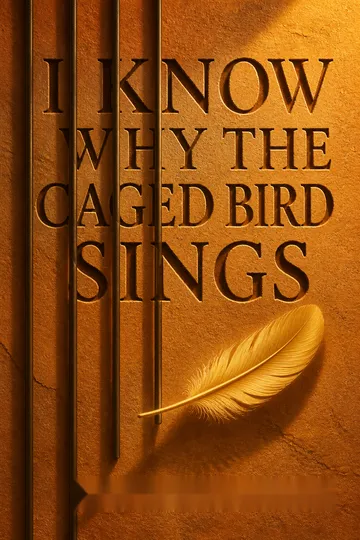
Maya Angelou's Autobiography Series

About the Author


Download PDF
Download EPUB
.epub digital book format is ideal for reading ebooks on phones, tablets, and e-readers.








































