

Plot Summary
Bleeding Spy in Convent
On the run in a freezing, foreign land, Wes Halsted, a decorated Navy SEAL turned spy, is wounded, alone, and wearing a stolen nun's habit. His mind swirls with tactical calculations even as blood loss and infection threaten death with every step. Masked under rosary beads, he recalls two years of deep cover, marriage as a hetero con, and the disaster that turned him from predator to prey. As he bribes passage on a tanker out of Murmansk, Wes's thoughts are haunted by the possibility of never hearing his father's critical reassurance again. Through pain and hallucinations, he clings not only to survival but to a future that might redeem this failed mission—a future, he hopes, with someone who makes life worth risking everything for.
Rescue and New Identities
Aboard a tanker and near-death, Wes is pulled from oblivion by skilled operatives: April—deadly Mossad agent disguised as a cake baker—and Jordan Kaisall, his brother's partner. Morphine and morphing reality aside, Wes learns he's not going home—the CIA can't, or won't, claim him, his cover is blown, and the Russians want a show trial. Barely alive, Wes is guided through a black-market medical exfil, landing finally in the frigid refuge of his brother Will's family home near Boston. As dazzling strangers around him reveal competing loyalties and hidden tenderness, Wes begins the taxing process of being "Wes" again—a man for whom anonymity and shifting selves blur the line between survival and erasure.
Healing Among Family
Wes wakes to pain, sedation, and the surreal experience of being cared for by a family who both loves and doesn't fully know him. His mother Judy—tough as a combat nurse, quick with shaming tenderness—insists on movement. His brother Will, ex-SEAL himself, juggles duty and empathy, while Wes cycles through delirium, black humor, and an ever-mounting sense of uselessness. The Halsted family's lively domestic chaos—babies, laundry, dogs, old wounds—forces Wes to confront the alternate pain of being seen, and cherished, by those who never knew the cost of everything he can't say.
Trauma, Dreams, and Shadows
Painkillers and nightmares swirl together—shadows of dead partners, unfinished missions, and the specter of Veronica, his partner and fake spouse, murdered in Moscow. Days blur; the line between sleep and waking dissolves. Physical therapy hurts, but waiting for the CIA to decide his fate hurts more. He resents being sidelined and unseen even as his arm refuses recovery. Amidst the everyday love of his family, Wes is forced to reckon with the psychological toll: is this life limbo a penance, a new beginning, or a purgatory from which he'll never truly return?
Tom: Routines and Restraints
In another nearby world, Tom Esbeck, managing director at a family-run architecture firm, orchestrates life through spreadsheets and meal plans, never letting disarray show. After a lifetime of abandonment—cast out by his family for being gay, surviving youth homelessness, and rigidly defending his heart—Tom lives by control: of food, schedules, relationships. Romantic needs are boxed behind sarcasm and self-deprecating humor. Until the day a bedraggled, knife-wielding, half-naked Wes crashes his safe space, Tom's careful routine is thrust into chaotic vulnerability and the stirrings of an old crush he can't afford to trust.
Unexpected Reunion
A riotous, awkward kitchen meeting—Tom, dressed to kill and running errands, finds Wes, trauma-scarred and shirtless, defending the Halsted home with a butcher knife. Tom shouldn't care about the forgotten flirtation from a wedding past, but chemistry and banter flare hot and fast. Beneath jokes about sushi and chest hair, both men recognize in each other a mirrored loneliness and ache for connection. Tom, the orchestrator, is drawn in by the soldier's wild unpredictability; Wes, the shapeshifter, is arrested by Tom's competence and the rare comfort of being remembered and desired as himself.
Flirting Through Walls
Their next reunion is sweeter, magnets drawn from separate orbits. Tom brings dinner; Wes, starved for more than protein, flirts with both words and wounded bravado. Over sushi and hesitant truths, they test shared space—discussing broken bones, broken hearts, and forgetting or refusing to remember key moments. Tom's routines bend as he finds in Wes a need to nurture and be seen. Wes, so used to danger and detachment, finds himself wanting things—companionship, laughter, ease—that prove far more dangerous than foreign torture cells.
Sushi, Suit Jackets, Signals
Tom cooks for Wes, each gesture a risk: exposing scars literal and metaphorical, feeding not just the body but the ache for kinship. A simple Valentine's meal becomes a quiet date—routines upended, expectations subverted. When Wes asks Tom to help him scratch the unreachable itch on his back, a vulnerable request leads to the dominos of desire, caretaking, and the first shimmering collision of want and surrender. Clothes, walls, and defenses all shed, both men find in the steam and water of a shared shower a momentary eternity of giving up control and taking what neither thought was theirs to have.
Scrubbing Wounds, Exposing Scars
The intimacy of touch becomes a double edged balm—Tom, careful and commanding, scrubs dead skin and trauma from Wes's back, coaxing pleasure and confession from a man who has never learned to be cared for. Sex teeters between domination and gentle holding, each exploring their need to give and to submit, to carry and be carried. After, as Tom resists routines of cuddling-first-dates and Wes struggles not to demand more, both teeter on precipices of hope, terrified that desire will only lead back to pain and abandonment.
Families, Secrets, and Fallout
The following days find both men spinning. Wes's recovery is measured in incremental gains and devastating setbacks—therapy, nightmares, confusion about what family and future mean, clashing with the family's inability to see the darkness he's carrying. Tom wrestles with old compulsions—family ghost-stalking, self-sabotage, and the knowledge that granting someone access could blow up his carefully managed world. Both feel the weight of secrets: Wes is closeted to his parents and the wider world; Tom never stops fearing rejection, still held hostage by the echoes of his childhood's exile.
Gym, Clothes, Resentments
As Wes and Tom venture out—to shopping malls, martini lunches, and gym sessions—they test the possibility of public couplehood without the safety net of anonymity. Tensions surge: Wes's inability to dress himself, his reliance on others, and Tom's anxieties over being "enough" all fuel insecurity. Surrounded by a family of meddlers, their budding relationship is scrutinized and protected. Yet, amid snark, physical comedy, and unexpected tenderness, trust edges closer but is shadowed by the threat of impending loss: both men brace for the expiration date they feel pressing in with the changing seasons.
Fractured Truths, Missed Connections
Resentments and fears—of being temporary, unwanted, unseen—begin to surface. After miscommunications and aborted rendezvous, silence stretches. Subtle betrayals—Tom refusing to play the part of "good-time guy" for Wes's recuperation, Wes recoiling from the demands of coming out, both haunted by families who either want too much or want nothing to do with them—lead to aching standoffs. Their longing is palpable, but neither knows how, or if, to move forward together.
Recipes for Isolation
Tom, in classic fashion, turns to routines and self-discipline, meal prepping and cleaning to keep the ghosts at bay. Wes retreats further into his addictive loop of family avoidance and self-pity, his desire for Tom at war with his conviction that he can't ever be fully chosen or known. Both take comfort in the frantic chaos of work, exercise, and domestic misadventures, even as the pain of mutual absence builds to a fever pitch.
Pushing Lines, Drawing Boundaries
Breaking points approach. Tom increasingly demands honest commitment—no more secrets, no more "just for now." Wes, torn between old habits of invisibility and the new ache for real connection, feels cornered and defensive. Tom issues an ultimatum: he will not be anyone's secret, any man's hide-in-plain-sight. Both must decide: risk everything for transparency and truth, or remain bound by histories of shame and fear.
Stalemates and Standoffs
The split is sharp and raw—both say things that wound, reciting every fear and resentment they've accrued. Tom's pain at being disposable meets Wes's terror of exposure. Both sides believe they are right, that their needs are irreconcilable. Time passes: routines persist, friends attempt interventions, but both men must first reassemble themselves before approaching one another again. They circle the same emotional hardships from opposite sides, missing each other by inches.
The Caribbean Detour
Unable to cope with the fallout, Wes vanishes, escaping to an abandoned Caribbean island to drink and numb himself under a vicious sun—a SEAL's version of sulking. His brother Will and Kaisall retrieve him, using both provocation and affection to break through his self-pity. Tom, meanwhile, continues to spiral, writing unsent emails to the family that abandoned him and mourning what he has lost. Both stand at a crossroads, challenged anew to define who they are outside of the roles forced on them by family, work, or trauma.
Ghosts at the Wedding Door
At a wedding rife with symbolism—a happy family, vows exchanged, the found home they both ache for—Wes and Tom finally meet again. Wes, panicked and sunburned, fumbles through a series of apologies and non-proposals. Tom, terrified to hope, hesitates: Can loving someone ever be safe? Is this man capable of loving him openly? Ultimately, in front of Wes's family, the wall comes down: Wes explicitly names Tom his boyfriend, comes out, and is met with nothing but acceptance. A breath held for decades is finally released.
Second Chances, No Secrets
The impending loss, once accepted, transforms into a new promise—of shared life, open love, and mutual rescue. Both men, scarred by abandonment, now choose again and again to stay. Wes and Tom learn that their "worst things," their mistakes and compromises, can become foundation stones for something lasting and true. There's no more rushing, hiding, or pretending: their future—whether in Boston, a mountain, or an aisle yet to be named—is finally theirs to build together.
Analysis
A study in survival versus living, and the cost of hiding"Missing in Action" is much more than a romance—it's a nuanced examination of what it means to exist authentically in a world that rewards camouflage and punishes difference. Both Wes and Tom have learned, out of necessity, to contort themselves to suit external expectations—Wes as a covert agent, Tom as a queer man rejected by his own blood. Their union is not a simple healing-through-love narrative, but an honest, sometimes brutal, confrontation with the habits of self-erasure that allowed them to survive but no longer permit them to thrive. The novel juxtaposes military and personal trauma, discipline and chaos, longing and stoic resignation, using the physicality of injuries and domestic spaces to render the inner costs of living half-lives. The heart of the book is in its demand for "full presence"—for loving not in secrecy, but in the bright, dangerous light of day, with all that openness requires and endangers. In a contemporary landscape increasingly aware of chosen family and the imperfections of kin, "Missing in Action" insists that healing is possible but never easy, that boundaries and vulnerability must be forged, broken, and remade, and that joy—however fleeting—must be claimed and named, again and again, in the honest naming of one's truest self.
Review Summary
Missing in Action receives overwhelmingly positive reviews, averaging 4.16 out of 5 stars. Readers praise Kate Canterbary's multilayered character development, particularly the opposites-attract dynamic between recovering covert agent Wes Halsted and organized businessman Tom Esbeck. Fans of the Walsh series celebrate finally getting Wes's story, while new readers find it accessible as a standalone. Highlights include emotional depth, steamy romance, witty banter, and beloved returning characters. Minor criticisms include pacing issues and an abrupt resolution to the central conflict.
People Also Read

Characters
Wes Halsted
Raised in a family of warriors, Wes is both shaped and warped by a legacy of military excellence and stoic suppression. Years of covert ops have left him fractured—adept at being anyone but uncertain who "Wes" truly is. Grounded by physical prowess and tactical brilliance, he is nonetheless wounded, both literally (infections, scars, missing spleen) and emotionally (loss, abandonment, closeted identity). Wes's mental reflex is to retreat—deflecting pain with humor or violence, evading emotional entanglement by changing faces and roles. Yet, what begins as survival morphs into self-erasure; his biggest fear is being unseen, unchosen. Through his relationship with Tom, forced to recuperate amid family and stillness, Wes confronts the cost of decades in hiding—learning, bit by painful bit, to risk honesty and presence. His arc moves from performative adaptability to vulnerable authenticity, finding freedom in letting himself finally be known and loved.
Tom Esbeck
Once thrown away by his own family and subjected to conversion "therapy," Tom rebuilt his life with fierce independence and fastidious control. Behind immaculate suits and color-coded routines lies a raw, anxious heart accustomed to being abandoned and undervalued. He copes with insecurity by mastering logistics—about his health, workplace, social circle, and lovers. Tom's patterns of isolation and self-sufficiency shield him from disappointment but also starve him of the intimacy he secretly craves. On the surface, sarcastic and unflappable, he protects vulnerable hope with biting humor and high boundaries. Encountering Wes exposes old wounds—a longing to be chosen without caveat, to have his needs prioritized. The push and pull of their relationship demands Tom risk not only his heart but his hard-won self-respect; his journey is one of learning to enforce boundaries, expect more from those he loves, and accept love without apologizing for wanting it.
Will Halsted
As a former SEAL commander, Will represents the familial legacy of strength, order, and strategic caretaking. Beneath the gruff, stoic exterior is a man who grieves his brother's suffering, struggles with his own injuries and limitations, and deploys both tough love and dry humor to keep his family intact. Will's relationship with Wes is layered—equal parts rivalry, affection, and exasperation. He acts as the bridge between old wounds and new beginnings, prodding Wes to accept help, face himself, and stop running from love.
Shannon Halsted
Will's wife, and Tom's boss, Shannon is a master orchestrator—whether managing a household full of children or a construction firm or emotional fallouts. Her empathy is steel-wrapped; she expects high standards but defends her chosen family fiercely. Shannon's own history of choosing love across difficult terrain enables her to both warn Tom about Wes and demand accountability from both men. She is the narrative's advocate for communication and vulnerability, refusing to allow either party to settle for less than they deserve.
Judy Halsted (Mother)
Judy provides both clinical and emotional care for Wes, with no time for self-pity or secrecy. Her pragmatic, sometimes abrasive love is a counterweight to Wes's evasiveness; she pushes him to recover but also exposes the pain of being unseen. Her eventual acceptance, and the broader family's embrace of Tom, is the lodestone for Wes's journey toward openness.
The Commodore (Father)
The Commodore is a presence—strong, dogmatic, complicated by the ghosts of "Don't Ask, Don't Tell." His love for his children is real but wrapped in performance and tradition. The fear of his disappointment looms over Wes's life, shaping his decisions. His final acceptance of Wes's queerness is transformative, shattering years of dread and allowing for genuine reconciliation and belonging.
Jordan Kaisall
As Wes's brother's business partner and a specialist in high-stakes extraction, Jordan is both the hand that hauls Wes back from the brink and the voice that satirizes macho bravado. He probes, provokes, and pushes the narrative toward action—reminding Wes what's at stake if he refuses to evolve.
April
April's skillset—deadly, resourceful, unsentimental—mirrors the very best and worst of covert life. Her willingness to risk everything to rescue Wes speaks to a code of loyalty and honor that transcends geopolitical lines. Her relationship with Jordan adds shading to the narrative's depiction of love amid chaos and violence.
Abby (Niece) & Annabelle (Niece)
The children in the Halsted household—especially Abby, with her wordless demands for "loves"—embody the uncomplicated acceptance and affection that both Wes and Tom crave. Abby's childish, repetitive insistence on being loved, and on teaching her uncle how to give and receive love, is a subtle but powerful metaphor for the central journey of the protagonists.
Veronica
Wes's partner in Moscow, both professionally and as a cover spouse, Veronica represents all that is lost through secrecy—potential, partnership, life itself. Her execution at the hands of their enemies haunts Wes's conscience, serving as the driving force behind his spiral and his eventual reckoning with the collateral damage of living in the shadows.
Plot Devices
Injury as Catalyst and Symbol
Physical injuries and their healing serve both as plot mechanism and metaphor—forcing immobility, dependency, and vulnerability. Wes's gunshot wound and mangled arm aren't just obstacles to be healed but reflections of deep psychological fractures. His forced convalescence among family makes secrecy impossible and catalyzes the slow, painful process of true self-discovery.
Parallel Structure: Dual POV, Alternating Voices
The story alternates—sometimes chapter by chapter, often scene by scene—between Wes and Tom's perspectives. Their worlds coexist but don't easily overlap; misunderstandings and revelation arise from what is revealed (and withheld) in each point of view. This device deepens the sense of longing and missed connections, as well as allowing readers intimate access to both men's secret wants and fears.
Found Family vs. Blood Family
Both Wes and Tom are defined by (and struggle against) the families they were born into and the ones they choose. The book asks which bonds are trustworthy, which must be mended, and which can only be mourned. The contrast between the vibrant, chaotic Halsteds and Tom's cold, judgmental birth family creates the emotional stakes for loving in the open, and highlights the possibility of being truly seen.
Physical Space as Emotional Landscape
Whether it's Wes's exile in the garage apartment, Tom's meticulously maintained city flat, the Halsted family home, or the haunted streets of Boston, physical environments are used to externalize the characters' internal states—confinement, longing, comfort, chaos, disarray, or safety.
Witty Banter and Sexual Play
The protagonists' dynamic moves through layers of double entendres, inside jokes, and escalating sexual tension. Humor is both shield and seduction—a way to test boundaries without risking rejection. As each man learns to be vulnerable in play, more serious layers of trust and honesty are established, culminating in riskier forms of connection.
Set Piece Scenes: Holidays, Shopping, Weddings
High-stakes scenes (Christmas escape, Valentine's meal, wedding revelation) use the trappings of tradition and performance to interrogate belonging, visibility, and the cost of authenticity. Each is a test—will the protagonists choose shame and secrecy, or step into openness and acceptance?
Trauma and Recovery as Narrative Engine
The story deeply embeds healing—in body and mind—as an incremental, often regressive process. Nightmares and flashbacks, compulsive routines, failed return-to-work efforts, and the struggle for therapeutic connection depict recovery not as a straight line but a landscape to be navigated with help, humility, and repeated choice.
Closure and "Second Firsts"
Both men, at distinct moments, disappear—running to Caribbean beaches, into work, or into silence—only to be drawn back, by others or themselves, to the place (and the person) they finally risk calling home. Their final reunion transpires not in isolation but within family and community, demonstrating that belonging is both a risk and a reward.
Walsh Series Spinoff Series
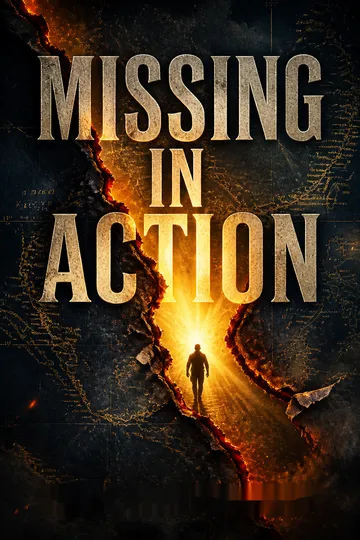
Download PDF
Download EPUB
.epub digital book format is ideal for reading ebooks on phones, tablets, and e-readers.








































