
Plot Summary
The Stalker's Whisper
Lestat, the infamous vampire, is unsettled by a mysterious force stalking him through the streets of New York. Despite his supernatural power and confidence, he is plagued by fear and uncertainty, sensing a presence that is neither mortal nor vampire. The whispers and footsteps follow him relentlessly, driving him to confide in his friend David, a former Talamasca scholar turned vampire. Lestat's anxiety is palpable, his bravado shaken as he wonders if the Devil himself is after him. The city's winter chill mirrors his inner turmoil, and the reader is drawn into Lestat's vulnerability, his desperate need for answers, and the sense that something momentous is about to unfold.
Dora and the Victim
Lestat becomes fixated on Roger, a charismatic and dangerous criminal, and his daughter Dora, a luminous televangelist. He stalks Roger, fascinated by his blend of ruthlessness and love for Dora, while observing Dora's innocence and spiritual fervor. Lestat's predatory instincts are complicated by his admiration for their bond and Dora's purity. He is torn between his vampiric hunger and a strange protectiveness, especially as he senses that Roger's fate is entwined with his own. Dora's faith and beauty haunt Lestat, and he is drawn to her as both predator and reluctant guardian, setting the stage for a collision of the sacred and the profane.
The Devil's Invitation
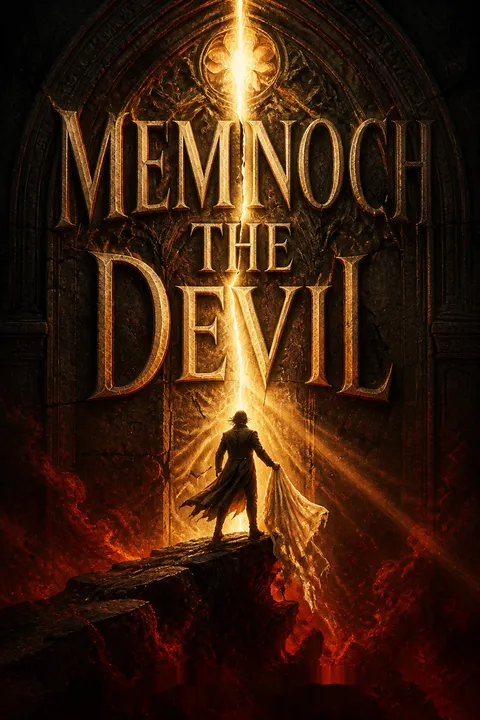
The mysterious stalker reveals himself as Memnoch, the Devil, and confronts Lestat with a proposition. Memnoch claims to have watched Lestat for centuries, seeking a soul with the courage and curiosity to challenge God's plan. He invites Lestat to witness the true history of Creation, Heaven, and Hell, offering him a role as his lieutenant in the cosmic struggle. Lestat is skeptical, torn between disbelief and the undeniable power of Memnoch's presence. The Devil's calm, almost sympathetic demeanor unsettles Lestat further, as he is forced to consider questions of good, evil, and the fate of souls. The invitation is both a temptation and a threat, and Lestat's journey into the heart of spiritual mystery begins.
Roger's Ghostly Plea
After Lestat finally kills Roger, he is visited by Roger's ghost, who appears in a bar, desperate and insistent. Roger's spirit is not at peace; he pleads with Lestat to protect Dora from the dangers that will follow his death. Roger confesses his crimes, his love for his daughter, and his hope that Dora will find a miracle to sustain her faith. The encounter is raw and unsettling, as Lestat is forced to confront the reality of the soul's survival after death and the weight of his own actions. Roger's plea is not just for Dora's safety, but for redemption, and Lestat is left with a burden he cannot ignore.
The Veil and the Blood
Memnoch leads Lestat through a series of visions, culminating in the Passion of Christ. Lestat is present at the crucifixion, overwhelmed by the suffering and the reality of God incarnate. He is offered the blood of Christ and, in a moment of both horror and ecstasy, drinks from the wound. Veronica's veil, imprinted with Christ's face, is given to Lestat, who is told to keep it safe. The experience is shattering, blurring the lines between myth and reality, and Lestat is left with the veil as both proof and curse. The blood and the veil become symbols of suffering, redemption, and the impossible demands of faith.
The Watchers' Descent
Memnoch recounts the story of the Watchers—angels who descended to Earth, seduced by the beauty of mortal women. These angels, including Memnoch, teach humanity arts, crafts, and forbidden knowledge, but are ultimately cast out of Heaven for their transgressions. The Watchers' fall is both a tragedy and a rebellion, as they seek to bridge the gap between the divine and the human. Their love for humanity is genuine, but their actions bring suffering and chaos. Memnoch's own fall is marked by longing, regret, and a sense of injustice, as he becomes the adversary not out of malice, but out of compassion for the lost souls of Sheol.
Creation's Thirteen Revelations
Memnoch guides Lestat through the history of Creation, describing thirteen revelations that mark the evolution of life and consciousness. From the formation of organic molecules to the emergence of self-aware humans, each stage is a marvel and a horror. The development of love, suffering, and the soul sets humanity apart from nature, but also introduces pain and longing. Memnoch's narrative is both awe-inspiring and critical, as he questions God's plan and the necessity of suffering. The revelations culminate in the birth of the soul and the rise of Sheol, the shadowy realm of the dead, where souls linger in confusion and yearning.
The Suffering of Souls
Lestat is shown the realm of Sheol, where the souls of the dead wander in darkness, confusion, and longing. Some souls cling to memories of life, others seek reunion with loved ones, and many are tormented by regret and ignorance. The suffering of souls becomes the central problem for Memnoch, who pleads with God for mercy and understanding. The souls' pain is not just punishment, but a reflection of the world's injustice and the failure of divine compassion. Lestat is moved by the agony and the hope of these spirits, and the question of what makes a soul worthy of Heaven becomes urgent and personal.
Heaven's Glistening Gates
Memnoch brings Lestat to the gates of Heaven, where he witnesses a realm of dazzling beauty, harmony, and joy. Souls who have forgiven God and embraced love are welcomed into the light, their suffering transformed into understanding. The music and colors of Heaven are beyond mortal comprehension, and the interconnectedness of all beings is revealed. Yet, even in this perfection, Lestat senses the cost—the countless souls left behind, the unanswered questions, and the tension between acceptance and rebellion. The vision is both a promise and a challenge, as Lestat must decide where he belongs in the cosmic order.
The Passion's Bargain
Lestat encounters God incarnate as Christ, who explains the necessity of suffering and the logic of the Passion. Christ's death is both a fulfillment of myth and a unique act of divine empathy, meant to sanctify human pain and open the gates of Heaven. Yet, Memnoch challenges the justice of this plan, arguing that suffering is not redemptive and that God's distance from creation is a flaw. The dialogue between Memnoch and Christ is intense and unresolved, leaving Lestat torn between the allure of sacrifice and the demand for justice. The Passion becomes a cosmic bargain, with the fate of souls hanging in the balance.
Hell's School of Forgiveness
Lestat is shown Hell—not as a place of eternal torment, but as a purgatorial realm where souls confront the consequences of their actions and learn to forgive themselves, others, and even God. Memnoch's Hell is a school of compassion, where suffering is not punishment but a path to understanding. The souls in Hell are not damned forever; they are given the chance to grow, to reconcile, and to ascend to Heaven when they are ready. The process is agonizing, but it is also hopeful, and Lestat is forced to reconsider the meaning of justice, mercy, and the possibility of redemption for all.
The Choice and the Veil
Offered the chance to become Memnoch's lieutenant and help redeem souls, Lestat recoils from the enormity of the task and the suffering it entails. He cannot accept the rules of either God or the Devil, and he refuses to participate in the cosmic drama. In a desperate escape, he loses an eye but manages to return to the mortal world, clutching Veronica's veil as the only proof of his journey. The veil becomes a symbol of both miracle and ambiguity, a relic that cannot resolve the questions of faith, suffering, or the fate of souls. Lestat's choice is a refusal, an assertion of his own limits and humanity.
Dora's Miracle Unleashed
Back in New York, Lestat gives the veil to Dora, who unveils it before the world, igniting a wave of religious fervor and miracles. The image of Christ's face on the veil becomes a new icon, drawing pilgrims and believers from around the globe. Dora is transformed into a prophet and leader, her faith vindicated and her destiny fulfilled. Lestat watches in awe and dismay as the world is swept up in the miracle, realizing that he has become the unwitting messenger of a new revelation. The veil's power is undeniable, but its meaning remains elusive, and Lestat is left on the margins of the faith he has helped to create.
The Price of Knowing
Haunted by his visions and the consequences of his actions, Lestat is consumed by doubt, guilt, and longing. He is unable to find peace in either faith or skepticism, and the burden of knowledge becomes a torment. The world celebrates the miracle of the veil, but Lestat is isolated, unable to share in the certainty of believers or the comfort of ignorance. His relationships with David, Armand, and Dora are strained by the enormity of what he has seen and the impossibility of conveying it. The price of knowing is alienation, and Lestat is left to wander in search of meaning and solace.
Chains and Revelations
Overwhelmed by his experiences, Lestat is imprisoned by Maharet, the ancient vampire, who seeks to protect him from himself and the world. Chained and isolated, Lestat is forced to confront his own madness and the limits of his power. Maharet returns the eye he lost in Hell, along with a cryptic message from Memnoch, blurring the line between truth and deception. Lestat's captivity becomes a time of reflection and recovery, as he struggles to integrate his visions and decide what to believe. The chains are both a punishment and a mercy, a pause before the next stage of his journey.
The World's New Prophet
As Dora becomes a global religious leader, drawing followers and performing miracles, Lestat is left to ponder his role in the unfolding drama. The world is changed by the revelation of the veil, and new questions of faith, authority, and redemption arise. Lestat's story becomes legend, his actions both celebrated and misunderstood. He is both hero and outcast, a witness to mysteries that defy resolution. The narrative ends with Lestat poised between fiction and legend, uncertain of his place in the world but determined to endure, to question, and to seek meaning in the face of the unknown.
Analysis
A modern meditation on suffering, faith, and the limits of knowledgeMemnoch the Devil is Anne Rice's most ambitious and provocative exploration of the spiritual crisis at the heart of her Vampire Chronicles. Through Lestat's journey, the novel interrogates the meaning of suffering, the justice of God, and the possibility of redemption. Rice challenges traditional religious narratives, presenting both God and the Devil as complex, flawed, and deeply human figures. The novel's refusal to provide easy answers reflects the uncertainties of modern faith, inviting readers to grapple with ambiguity, doubt, and the cost of knowledge. The miraculous veil, the Passion, and the visions of Heaven and Hell serve as both symbols and tests, forcing characters and readers alike to confront the limits of understanding and the demands of compassion. Ultimately, Memnoch the Devil is a story about the search for meaning in a world marked by pain and beauty, and the courage required to endure, to question, and to love in the face of the unknown.
Review Summary
Memnoch the Devil deeply divides readers, earning praise for its bold theological imagination and criticism for its overwhelming religious exposition. Many readers appreciate Anne Rice's creative reimagining of creation, Heaven, Hell, and the Devil as a sympathetic figure, finding it thought-provoking and philosophically rich. However, numerous reviewers complain the book sacrifices plot and vampire-focused storytelling for lengthy theological monologues, leaving Lestat sidelined. Recurring criticisms include slow pacing, excessive description, and a controversial menstrual blood scene. Those expecting traditional vampire fiction are often disappointed, while readers open to religious exploration tend to rate it highly.
People Also Read
Characters
Lestat de Lioncourt
Lestat is the central figure, a vampire whose insatiable curiosity and moral complexity drive the narrative. He is both predator and philosopher, torn between his love of beauty and his capacity for violence. Lestat's relationships—with mortals like Dora and immortals like David and Armand—are marked by longing, guilt, and a desire for redemption. Psychologically, he is restless, haunted by existential questions and the burden of immortality. His journey with Memnoch forces him to confront the limits of his understanding and the cost of knowledge. Lestat's refusal to serve either God or the Devil is an assertion of autonomy, but it leaves him isolated, a tragic figure caught between worlds.
Memnoch the Devil
Memnoch is the Devil, but not the embodiment of evil; rather, he is a fallen angel driven by compassion for suffering souls and a sense of injustice in God's plan. He is persuasive, articulate, and deeply conflicted, seeking an ally in Lestat to help redeem the lost. Memnoch's psychoanalysis reveals a being tormented by love, pride, and the impossibility of reconciling divine justice with human suffering. His relationship with Lestat is both seductive and adversarial, as he seeks validation and partnership. Memnoch's Hell is a place of learning, not punishment, and his rebellion is rooted in empathy rather than malice.
Dora
Dora is Roger's daughter, a televangelist whose purity and conviction captivate Lestat. She is both victim and visionary, caught between her father's criminal legacy and her own spiritual calling. Dora's psychoanalysis reveals a deep well of faith, resilience, and a longing for miracles. Her relationship with Lestat is complex—he is both protector and destroyer, and she becomes the catalyst for his transformation. Dora's acceptance of the veil and her rise as a religious leader mark her as a new prophet, but her innocence is both her strength and her vulnerability.
David Talbot
David is Lestat's confidant, a former Talamasca scholar whose transformation into a vampire brings both wisdom and sorrow. He is analytical, compassionate, and skeptical, serving as a grounding influence for Lestat. David's psychoanalysis reveals a man struggling to reconcile his mortal ideals with his immortal nature. His relationship with Lestat is marked by loyalty, frustration, and a shared search for meaning. David's role is to question, to document, and to bear witness, providing a counterpoint to Lestat's impulsiveness and Memnoch's passion.
Roger
Roger is both Lestat's victim and the catalyst for the story's spiritual crisis. He is a complex figure—ruthless in business, tender with Dora, haunted by guilt and longing for redemption. Roger's psychoanalysis reveals a man driven by ambition, love, and a desperate need to protect his daughter. His posthumous plea to Lestat is a cry for meaning and forgiveness, and his journey through Hell is emblematic of the soul's struggle for peace.
Armand
Armand is a childlike yet ancient vampire, marked by innocence, suffering, and a longing for faith. He is both a witness and a victim of Lestat's journey, torn between skepticism and belief. Armand's psychoanalysis reveals a soul traumatized by centuries of loss and searching for salvation. His relationship with Lestat is fraught with admiration, envy, and a shared sense of exile. Armand's ultimate fate is ambiguous, a testament to the unresolved nature of faith and redemption.
Maharet
Maharet is one of the oldest vampires, a figure of authority and restraint. She intervenes to protect Lestat from himself, embodying the role of the wise matriarch. Maharet's psychoanalysis reveals a being shaped by millennia of survival, loss, and the burden of memory. Her relationship to Lestat is both maternal and disciplinary, and her actions reflect a deep understanding of the dangers of knowledge and power.
God Incarnate (Christ)
God Incarnate appears as Christ, embodying both divinity and humanity. He is compassionate, enigmatic, and determined to sanctify suffering through his Passion. His psychoanalysis reveals a being torn between omniscience and the limitations of flesh, seeking to reconcile the demands of justice and mercy. His relationship with Lestat and Memnoch is both intimate and distant, offering both comfort and challenge. Christ's sacrifice is the fulcrum of the narrative, raising questions that remain unresolved.
The Helpful Dead
The Helpful Dead are souls in Hell who have achieved understanding and seek to aid others in their journey toward forgiveness and redemption. They embody the possibility of growth and the power of empathy, serving as teachers and companions to the lost. Their psychoanalysis reveals the transformative potential of suffering and the importance of community in the afterlife.
The Watchers
The Watchers are angels who fell for the love of mortal women, bringing knowledge and suffering to humanity. They are both rebels and victims, caught between loyalty to God and compassion for humans. Their psychoanalysis reveals the dangers of pride, the complexity of love, and the inevitability of loss. The Watchers' story is a cautionary tale, echoing the larger themes of rebellion, suffering, and the search for meaning.
Plot Devices
Dual Narrative Structure
The novel employs a dual narrative structure, blending Lestat's first-person account with Memnoch's cosmic history. This allows for both intimate psychological exploration and sweeping mythological scope. The interplay between personal experience and universal questions creates a tension that drives the narrative forward, inviting the reader to question the nature of reality, faith, and storytelling itself.
Visions and Miracles
Visions, miracles, and supernatural encounters are central plot devices, blurring the line between reality and illusion. Lestat's visions of Heaven, Hell, and the Passion are both revelations and tests, forcing him to confront the limits of his understanding and the demands of faith. The miraculous veil serves as both proof and enigma, a symbol that cannot be fully explained or dismissed.
Theological Debate
The novel is structured around debates between Lestat, Memnoch, and God Incarnate, using dialogue to explore questions of justice, mercy, and the meaning of suffering. These debates are both philosophical and emotional, reflecting the characters' psychological struggles and the larger cosmic drama. The unresolved nature of these debates is a key narrative device, leaving the reader with questions rather than answers.
Foreshadowing and Recurrence
The novel uses foreshadowing and the recurrence of motifs—such as the veil, the blood, and the footsteps—to create a sense of inevitability and to link personal experience with cosmic patterns. The repetition of suffering, sacrifice, and the search for forgiveness underscores the cyclical nature of the story and the difficulty of breaking free from established roles.
Metafiction and Self-Reference
Lestat's self-conscious narration, his references to previous adventures, and his awareness of his role as both character and storyteller add a metafictional layer to the novel. This device invites the reader to question the boundaries between fiction and reality, legend and truth, and to consider the power of narrative in shaping belief and identity.
The Vampire Chronicles Series
About the Author
Other books by Anne Rice

Download PDF
Download EPUB
.epub digital book format is ideal for reading ebooks on phones, tablets, and e-readers.








































