
Plot Summary
Childhood Bruises, Adult Shadows
Crispin, known as the Grouch, is born different—green, monstrous, and unwanted. His childhood is a relentless storm of abuse from Gus, the town's brute, and emotional betrayal from May-Martha, the girl he loves. The violence and words—"You're nothing!"—scar him deeper than any wound. When he finally fights back, he's forced to flee into the snowy mountains, haunted by memories and nightmares. Max, a strange, freckled girl, follows him, refusing to leave. Their isolation becomes a twisted sanctuary, but the Grouch's heart remains hollow, obsessed with the pain of his past and the love he lost.
Max's Devotion, Grouch's Despair
Max grows from a lost child into a fiercely devoted woman, her love for the Grouch bordering on obsession. She offers him comfort, sex, and companionship, but he remains emotionally distant, haunted by May-Martha's memory. Max's attempts to fill his emptiness are met with frustration; she is both his solace and his torment. Their relationship is raw, physical, and often violent, a dance of need and dominance. Yet, no matter how close Max gets, the Grouch's heart aches for something she cannot give—redemption, or perhaps, May-Martha herself.
Blood in the Snow
When drunken townsfolk trespass near the Grouch's cave, he snaps, unleashing his monstrous rage. He slaughters them with animalistic fury, savoring the blood and violence. Max joins in, her own bloodlust awakened, and together they leave a trail of carnage. The Grouch's reputation as a monster is cemented, and he decides to embrace it fully. He leaves a taunting note for May-Martha, signaling his return and thirst for revenge. The town, Whoreville, is thrown into terror, and May-Martha's old wounds are ripped open as she realizes the Grouch is back—and coming for her.
May-Martha's Haunted Heart
May-Martha, now a sex worker under Gus's control, is trapped in a cycle of survival and regret. She fakes pleasure for money, haunted by the choices that led her here. The Grouch's note and the sight of his yellow eyes in the shadows reignite her fear and longing. She clings to a small box—a relic of her love for the Grouch, a secret heart tattooed on her chest. Her reflection is a reminder of what she's lost: innocence, hope, and the boy she once loved. The past is inescapable, and the Grouch's return forces her to confront her own complicity in his pain.
Max Unleashed
Max's devotion to the Grouch is matched only by her jealousy of May-Martha. She stalks the town, reveling in chaos and violence, eager to prove her worth. Her encounters with May-Martha are laced with threats and blood, her love for the Grouch twisted into possessiveness. Max's instability is clear—she is both protector and predator, willing to kill anyone who stands between her and the Grouch. Her actions escalate the cycle of violence, making her as monstrous as the Grouch himself, and setting the stage for a deadly confrontation.
The Printing Press Massacre
Enraged by a newspaper article quoting his mother's rejection, the Grouch and Max invade the printing press. They torture and kill the printer, using his blood to leave a message for Cindy, the reporter. The act is both vengeance and performance, a declaration of war on the town that made him a monster. Max's delight in the violence cements her role as the Grouch's partner in crime, while the Grouch's pain is deepened by his mother's public disavowal. The massacre is a turning point—there is no going back.
Cindy's Fate, May's Fear
May-Martha, desperate to warn Cindy, finds her too late. Max, driven by old childhood grudges and jealousy, brutally murders Cindy, leaving her mutilated body as a message. May-Martha is left shaken, realizing that Max's obsession is as dangerous as the Grouch's rage. The town is paralyzed by fear, and May-Martha's sense of doom grows. She is caught between Gus's possessiveness, Max's threats, and the Grouch's looming vengeance, with no one to trust and nowhere to run.
Christmas Lights and Chains
Back in the cave, Max and the Grouch's relationship becomes a violent, erotic power struggle. Christmas decorations become tools of bondage and pain, their lovemaking a mix of pleasure and punishment. Max tries to dominate the Grouch, but his heart remains unreachable. Their twisted intimacy is both a refuge and a battleground, with May-Martha's memory always between them. The Grouch's inability to let go of the past fuels Max's desperation, pushing her to ever more extreme acts to win his love.
Gus's Proposal, May's Rejection
Gus, now police chief, tries to claim May-Martha as his wife, offering her "protection" in exchange for obedience. His proposal is a threat, not a promise, and May-Martha recoils from his possessiveness. She drugs him to escape, but his grip on her life is suffocating. The engagement is announced publicly, trapping May-Martha in a nightmare she cannot wake from. Her only solace is the memory of her love for the Grouch, and the hope that he might save her—or end her suffering.
Lovers, Killers, Monsters
The Grouch and Max's partnership reaches new heights of depravity as they murder a couple in the woods, then make love in the blood-soaked snow. Their bond is sealed by violence, but the Grouch's heart is still torn. Max confesses her love, but he cannot return it fully—his heart belongs to May-Martha. The revelation of May's engagement to Gus reignites the Grouch's rage, and he resolves to destroy them both. Max, sensing she is losing him, becomes even more unhinged.
The Christmas Eve Showdown
On Christmas Eve, the Grouch and Max infiltrate Whoreville's celebration, disguised in Santa costumes. The town is oblivious to the danger as Gus announces his engagement to May-Martha. The Grouch is consumed by jealousy and heartbreak, while Max's excitement masks her growing desperation. Their plan for revenge is set in motion, but the Grouch's resolve wavers as he sees May-Martha's pain. The stage is set for a final reckoning, with love, hate, and violence colliding under the Christmas lights.
Truths Unearthed, Old Wounds
The Grouch confronts May-Martha and Gus in her room. In a violent struggle, Gus is killed, and the Grouch demands the truth from May-Martha. She reveals that she never meant to betray him, and that Gus was responsible for the fire that killed the Grouch's mother. May-Martha tried to save her, keeping her ashes as a token of love and regret. The Grouch's rage gives way to grief, and the two former lovers reconcile, realizing their love was real but tragically doomed by the violence around them.
May-Martha's Last Stand
The Grouch and May-Martha share a night of passion and forgiveness, reclaiming the love they lost. But the shadow of Max looms large. May-Martha urges the Grouch to spend one last night with Max, knowing he owes her for years of loyalty. The Grouch agrees, torn between gratitude and love. May-Martha prepares for the worst, knowing Max's jealousy is deadly. The triangle of love, obsession, and violence is about to reach its fatal conclusion.
Max's Gift
Max, driven mad by jealousy and heartbreak, confronts May-Martha. In a brutal struggle, Max kills her, cutting out her heart as a "gift" for the Grouch. She presents it to him on Christmas, believing it will finally win his love. The Grouch is horrified, realizing too late the depth of Max's madness. The heart he longed for is now a literal, bloody organ in his hands, and the woman he loved is gone forever.
The Final Betrayal
Devastated by May-Martha's death, the Grouch turns on Max. In a final, violent confrontation, he kills her, unable to forgive her for destroying the last piece of his heart. Max dies believing she and the Grouch will be together forever, her love twisted into fatal obsession. The Grouch is left alone, broken, holding the heart of the woman he loved, surrounded by the ruins of his own making.
Epilogue: Together, Forever
In the aftermath, Max's voice lingers, sewing herself a coat from the Grouch's fur, cradling May-Martha's heart. In her mind, they are all together, forever—her love eternal, her madness complete. The Grouch and May-Martha are gone, victims of a cycle of abuse, obsession, and revenge. The story ends not with redemption, but with the chilling echo of love turned monstrous, and the cost of wounds that never heal.
Analysis
Mean One is a dark, erotic, and violent reimagining of the Grinch mythos, transforming a tale of holiday redemption into a meditation on trauma, obsession, and the monstrous consequences of abuse. The novella interrogates the origins of evil, suggesting that monsters are made, not born—shaped by cruelty, neglect, and the desperate need for love. The Grouch, Max, and May-Martha are all victims and perpetrators, their lives intertwined in a cycle of pain that no one can escape. The story's explicit sexuality and violence are not gratuitous, but serve to expose the ways trauma distorts intimacy and the dangers of love without boundaries. Christmas, usually a symbol of hope, becomes a stage for revenge and madness, its cheer rendered hollow by the characters' suffering. Ultimately, Mean One is a cautionary tale about the cost of unresolved pain, the impossibility of true possession, and the tragic consequences of loving too much—or not enough. It asks: What happens when the only way to heal is to destroy, and when the heart you seek is already broken beyond repair?
Review Summary
Mean One is a polarizing erotic horror retelling of The Grinch that readers found either brilliantly unhinged or utterly regrettable. The novella features explicit sexual content, graphic violence, and dark themes set in "Whoreville." Many praised the creativity, spicy scenes, and shocking twist ending involving the character Max, while others found it poorly developed garbage. Reviewers emphasized it's horror, not romance, with no happy ending. The short read was described as bonkers, twisted, and unforgettable—for better or worse.
Characters
The Grouch (Crispin)
Crispin, the Grouch, is a tragic antihero shaped by childhood abuse, social rejection, and the loss of his mother. His monstrous appearance mirrors his internal scars, and he is driven by a desperate need for love and belonging. His relationship with May-Martha is the axis of his emotional world—her betrayal and the violence that followed define his self-loathing and rage. With Max, he finds companionship and sexual release, but never true solace. Crispin's journey is one of seeking revenge and redemption, but he is ultimately undone by his inability to escape the past or accept love without violence. His psychological complexity lies in his oscillation between vulnerability and brutality, love and hate, victim and monster.
Max
Max is the Grouch's shadow—his most loyal follower, lover, and eventual destroyer. Abused and bullied as a child, she latches onto the Grouch, her devotion morphing into possessive obsession. Max's love is violent, sexual, and all-consuming; she is both protector and predator, willing to kill for the Grouch's affection. Her jealousy of May-Martha drives her to escalating acts of violence, culminating in murder. Psychologically, Max is a study in trauma and codependency—her sense of self is entirely bound to the Grouch, and her inability to accept rejection leads to madness. She is both victim and villain, her love as destructive as any hate.
May-Martha
May-Martha is the emotional core of the story—a woman marked by regret, guilt, and longing. Once the Grouch's secret love, she is forced by circumstance and fear into complicity with his abusers. Her adult life is a cycle of survival, working as a sex worker under Gus's control, her heart still belonging to the Grouch. May-Martha's guilt over the past and her inability to save the Grouch's mother haunt her, but she is also resilient, fighting for her own agency. Her final acts—confessing the truth, offering forgiveness, and facing Max—are both redemptive and tragic. She is a symbol of lost innocence and the enduring power of love, even in ruin.
Gus
Gus is the story's primary antagonist, the source of much of the Grouch's trauma. As a child, he physically and emotionally abuses Crispin, and as an adult, he controls and exploits May-Martha. Gus's need for dominance is rooted in insecurity and cruelty; he is incapable of love, seeing others only as property or threats. His violence is both physical and psychological, and his eventual death is both justice and tragedy—a symbol of the cycle of abuse that destroys everyone it touches.
Cindy
Cindy, the town's reporter, is a minor but pivotal character. Her childhood bullying of Max and her role in publicizing the Grouch's pain make her a target for revenge. Cindy's murder by Max is both personal and symbolic—the past's wounds never truly heal, and those who perpetuate cruelty are not immune to its consequences. Cindy's fate underscores the story's theme of cycles of violence and the impossibility of escaping one's history.
The Grouch's Mother
Though dead for most of the narrative, the Grouch's mother is a haunting presence. Her love is the only warmth Crispin ever knew, and her death in the fire—caused by Gus—marks the point of no return for all the characters. Her ashes, kept by May-Martha, become a symbol of lost innocence and the hope for forgiveness. The Grouch's inability to save her is the wound that drives all his actions.
The Town of Whoreville
Whoreville is more than a backdrop—it is a character in its own right, embodying the cruelty, hypocrisy, and mob mentality that create monsters. The town's rejection of the Grouch, complicity in abuse, and appetite for spectacle fuel the cycle of violence. Whoreville's Christmas celebrations, meant to symbolize joy and community, are instead the stage for revenge and bloodshed.
The Dead Lovers
The couple murdered in the woods by the Grouch and Max are symbols of innocence destroyed by the main characters' spiral into violence. Their deaths are both a bonding ritual for the killers and a reminder that the cycle of pain extends beyond the original abusers.
The Printing Press Man
The printer's murder is a turning point, representing the destruction of the town's narrative control. His death is both literal and symbolic—the Grouch and Max will no longer allow others to define their story.
The Heart
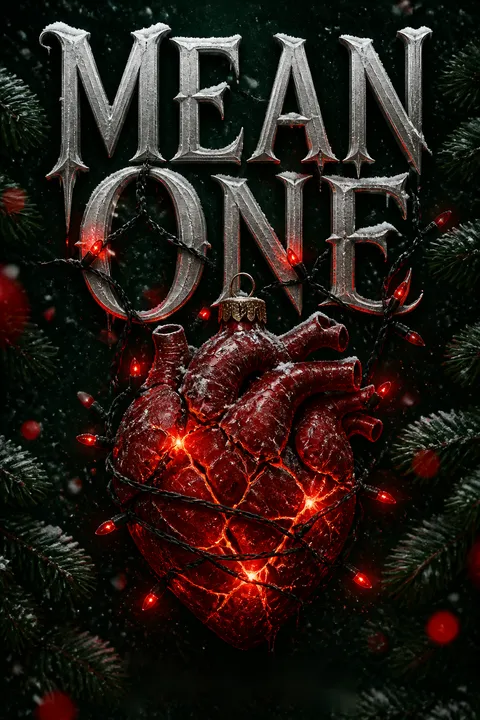
The heart—tattooed, longed for, and ultimately ripped from May-Martha's chest—is the story's central symbol. It represents love's power to heal and destroy, the impossibility of possession, and the tragic cost of obsession.
Plot Devices
Dual Narrative and Shifting Perspectives
The story alternates between the Grouch, Max, and May-Martha, allowing readers to experience the same events through different emotional lenses. This structure creates empathy for each character, even as they commit horrific acts. The shifting perspectives highlight the subjectivity of trauma, love, and revenge, and reveal the misunderstandings and missed connections that drive the tragedy.
Symbolism of Christmas and the Heart
Christmas, with its lights, gifts, and promises of redemption, is used ironically as the setting for violence and revenge. The heart—both as a tattoo and a literal organ—serves as a recurring motif, representing the characters' longing for love and the impossibility of truly possessing another. The grotesque transformation of Christmas and the heart underscores the story's themes of corrupted innocence and love turned monstrous.
Foreshadowing and Repetition
The opening scenes of abuse and betrayal are echoed throughout the narrative, foreshadowing the characters' fates. Repeated phrases ("You're nothing!" "You don't get to say her name!") reinforce the inescapability of the past and the cyclical nature of trauma. The use of notes, warnings, and blood-written messages builds tension and inevitability.
Erotic Violence and Power Dynamics
The story's explicit sexual content is inseparable from its violence, reflecting the characters' damaged psyches. Power is constantly negotiated through sex, pain, and dominance, blurring the lines between love and hate, pleasure and punishment. This device exposes the ways trauma warps intimacy and the dangers of love without boundaries.
The Unreliable Narrator
Max's perspective, especially in the epilogue, reveals the unreliability of memory and perception. Her delusions—believing she and the Grouch are together forever—underscore the story's tragic irony and the ultimate futility of her quest for love.
Download PDF
Download EPUB
.epub digital book format is ideal for reading ebooks on phones, tablets, and e-readers.








































