
Plot Summary
Blood on the Cornfield
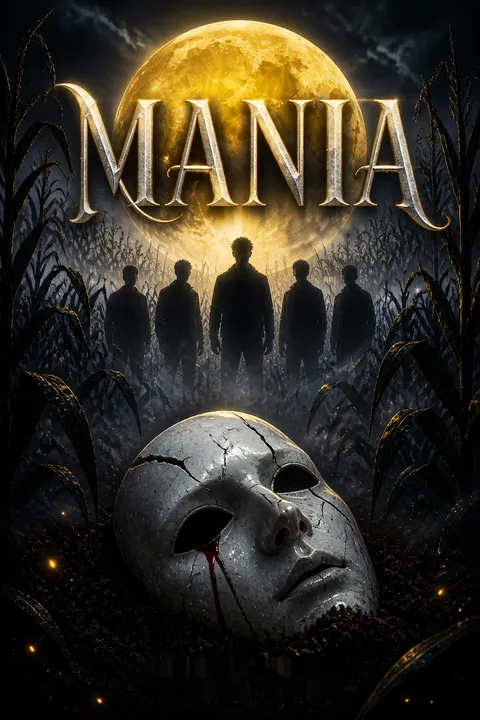
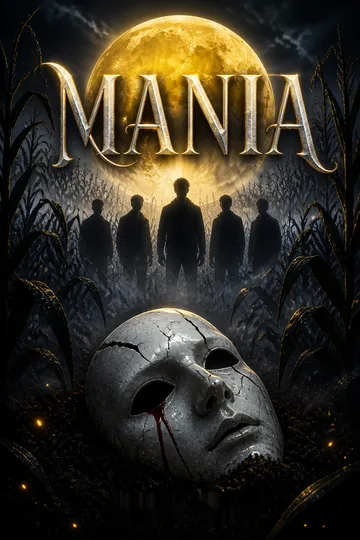
In the moonlit cornfields outside Grove Academy, five young men—Landon, Dominic, Zane, Ryker, and Beckett—dispose of a body with chilling efficiency. They are not ordinary high school seniors; they are vigilantes, killers who hunt other killers, bound by a dark code and a shared obsession. Their banter is laced with violence and humor, but beneath it lies a singular purpose: to protect Ellie, the girl who is their light in a world of shadows. As they clean up the blood, their thoughts turn to the start of the school year and the dangers lurking within Grove Academy. The night's violence is both routine and ritual, a prelude to the chaos to come.
The Girl in Glasses
Ellie, sheltered and sweet, arrives at Grove Academy's dorms for her senior year, nervous but hopeful. Her brother Fischer, a state senator, has always protected her, but now she's on her own. Ellie's world is books, music, and awkward social encounters. She's oblivious to the true nature of her five closest friends, who orbit her with fierce devotion and secrets of their own. As she settles in, her anxiety is soothed by small comforts—her book collection, her ukulele, her memories of Fischer's sacrifices. But the safety she feels is an illusion, and the monsters she fears are closer than she thinks.
Five Monsters, One Light
The five boys—Landon, Dominic, Zane, Ryker, and Beckett—are united by their love for Ellie. Each is broken in his own way: Landon the leader, Dominic the brooding protector, Zane the wild card, Ryker the silent shadow, Beckett the charming outsider. Their friendship is forged in blood and secrecy, but Ellie is their anchor. They stalk her, guard her, and compete for her affection, each convinced that only he can keep her safe. Their banter masks deep wounds and darker impulses, and their devotion to Ellie is both salvation and curse.
Dorm Room Intrusions
As Ellie moves into her dorm, the boys invade her space under the guise of concern. Their presence is overwhelming, their protectiveness suffocating. Ellie is confused by their intensity, especially Dominic's hot-and-cold demeanor and Zane's constant touch. The boys' rivalry simmers beneath the surface, but their unity is absolute when it comes to Ellie's safety. She is both cherished and surveilled, her every move watched. The dorm becomes a battleground of affection, secrets, and unspoken longing.
New Roommates, Old Secrets
Ellie meets her new roommates—Victoria, Piper, and Jane—each with their own quirks and histories. The girls welcome her, but the shadow of Mania (the boys' group) looms large. Ellie's awkwardness is endearing, but she senses that everyone knows more about her than she does about herself. The girls hint at secrets, and Ellie's status as an "urban legend" at Grove Academy is both isolating and mysterious. As she navigates new friendships, the lines between safety and danger blur.
The Culling Begins
Ellie is kidnapped from her dorm by masked figures and thrust into the heart of the Paragons of Prosperity (POP), a cult that rules Grove Academy from the shadows. The Divine One, their enigmatic leader, announces the start of the Culling—a series of trials to select a new member. Ellie is forced to don a white cloak and mask, joining other terrified initiates. The cult's power is absolute, its threats chilling. Ellie's innocence is shattered as she realizes the true stakes: survival, loyalty, and sacrifice.
Shadows in the Hallway
The boys discover Ellie's disappearance and spring into action. Their surveillance network fails, and panic sets in. Each blames himself, but their unity is unbreakable. They interrogate suspects, search the campus, and vow vengeance on POP. The group's dynamic shifts from playful rivalry to grim determination. Their love for Ellie is both weapon and weakness, driving them to the edge of violence and despair.
The First Trial: Lost
Drugged and abandoned in a freezing cornfield, Ellie must find her way home barefoot and alone. Hallucinations of the boys guide her, blending comfort and confusion. She stumbles through pain and fear, drawing on memories of love and music to survive. The trial is both physical and psychological, a test of endurance and will. When she finally returns, she is changed—numb, exhausted, and haunted by what she has endured.
The Cult's Chosen
Ellie's return is met with suspicion and concern. She lies to protect her friends, fearing POP's threats. The boys sense her trauma but are powerless to help. The cult's influence spreads, and Ellie is drawn deeper into its web. The Divine One's threats escalate, targeting her brother and friends. Ellie's isolation grows, and her trust in those around her begins to erode.
Mania's Dark Pact
As POP's trials intensify, the boys' methods grow more ruthless. They torture and kill to protect Ellie, their violence escalating in tandem with their fear. Zane's madness, Ryker's coldness, Dominic's rage, Beckett's desperation, and Landon's control all come to the fore. Their love for Ellie is both shield and sword, driving them to acts they once would have abhorred. The line between hero and monster blurs, and the cost of their devotion becomes unbearable.
The Second Trial: Escape
Ellie is kidnapped again and forced into a locked cell with a ticking clock. The trial is a twisted puzzle, with Dominic's life hanging in the balance. Ellie's intelligence and determination are tested as she pieces together clues, battles the Divine One's taunts, and confronts her own doubts. The escape is harrowing, and the revelation that other girls have died in the trials shakes her to the core. The cult's cruelty is limitless, and Ellie's survival comes at a terrible price.
Secrets, Lies, and Granola Bars
Ellie's relationships with the boys and her roommates grow more complicated. She is haunted by nightmares, guilt, and the burden of secrets. The boys struggle to balance their need to protect her with their fear of losing her. Beckett pleads for honesty, but the group's pact of silence holds. Ellie's music becomes her refuge, a way to process pain and longing. The threat of POP looms ever larger, and the sense of impending doom is inescapable.
The Third Trial: Sacrifice
The final trial pits Ellie against Blair, her roommate, in a deadly game. The Divine One places a gun between them and demands that one kill the other. Blair, desperate and terrified, tries to shoot Ellie, but the gun is empty. The Divine One executes Blair, declaring Ellie the victor and the cult's chosen. The horror of the ritual, the blood on her hands, and the loss of a friend break something inside Ellie. She is no longer the innocent girl who arrived at Grove Academy.
The Divine One Revealed
The Divine One's motives are laid bare: the Culling is not about recruitment, but about finding a sacrificial victim for an ancient ritual. Ellie's purity and resilience have marked her as the chosen one. The boys, realizing the true nature of the cult's plans, race against time to save her. Their violence becomes desperate, their unity absolute. The cost of their love is measured in blood and broken bodies.
Monsters in Love
Amidst the chaos, the boys' feelings for Ellie intensify. Zane's kiss, Landon's tenderness, Dominic's vulnerability, Beckett's longing, and Ryker's silent devotion all come to the surface. Ellie is torn between gratitude, guilt, and desire. The boundaries between friendship and love dissolve, replaced by a fierce, possessive need. The group's dynamic shifts from protection to passion, and the threat of loss makes every moment electric.
The Ritual Approaches
Halloween arrives, and the school is transformed into a carnival of masks and monsters. Ellie, dressed as an angel, tries to reclaim a sense of normalcy, but the cult's shadow is ever-present. The boys watch her every move, their anxiety mounting. The Divine One strikes, abducting Ellie for the final ritual. The boys' hunt becomes a race against fate, their violence a last, desperate hope.
Blood, Betrayal, and Survival
In the cult's lair, Ellie faces the truth: she is to be sacrificed in a ritual meant to ensure the town's prosperity. The Divine One's knife is poised, and Blair's blood stains the floor. The boys fight their way through darkness and death, determined to save her or die trying. Ellie's innocence is gone, replaced by a steely resolve. The story ends on a cliffhanger—Ellie's fate uncertain, the cult's power unbroken, and the boys' love both her greatest weapon and her deepest wound.
Analysis
A study in obsession, trauma, and the cost of survival
Mania is a dark, subversive take on the academy romance and reverse harem genres, blending psychological horror with themes of love, loyalty, and violence. At its core, the novel is about the dangers of obsession—both the boys' possessive love for Ellie and the cult's ritualistic devotion to tradition. The story interrogates the line between protection and control, asking what it means to love someone in a world where safety is an illusion. Ellie's journey from innocence to survivor is both harrowing and empowering, a testament to resilience in the face of overwhelming darkness. The boys' moral descent is both tragic and inevitable, their violence a mirror of the world's cruelty. The cult's rituals serve as a metaphor for the ways in which institutions demand sacrifice from the vulnerable, and the story's unresolved ending is a reminder that survival often comes at the cost of innocence. Mania is ultimately a meditation on the ways love and violence intertwine, and the lengths to which we will go to protect—and possess—the ones we cannot live without.
Review Summary
Mania receives mixed reviews with an overall 3.93/5 rating. Critics cite the naive FMC Ellie being repeatedly kidnapped despite five serial killer protectors, weak world-building, and frustrating miscommunication tropes. Many found characters irritating and the plot poorly developed with unexplained backstories. The lack of romance in this "slow burn" disappointed readers expecting reverse harem content. However, fans praised the unique serial killer premise, distinct character personalities, humor (especially Zane), secret society elements, and compelling cliffhanger. Supporters appreciated the sweet, innocent heroine and obsessive, protective heroes, though detractors found the high school setting and ages unrealistic.
People Also Read
Characters
Ellie
Ellie is the heart of the story—a sheltered, bookish girl thrust into a world of violence, obsession, and cultish horror. Raised by her protective brother after their parents' deaths, she is naive but resilient, sweet but increasingly strong. Ellie's journey is one of transformation: from anxious outsider to survivor, from object of protection to agent of her own fate. Her relationships with the five boys are complex—she is their light, their obsession, and their undoing. Ellie's psychological arc is marked by trauma, guilt, and the gradual loss of innocence, but also by a growing determination to fight for herself and those she loves. Her music and kindness are her anchors, even as the world around her turns monstrous.
Landon
Landon is the unofficial leader of Mania, the boys' vigilante group. Charismatic, controlled, and fiercely intelligent, he commands respect and loyalty. His love for Ellie is both selfless and possessive, driving him to acts of violence and sacrifice. Landon's psychological struggle is with control—of himself, his friends, and the chaos around him. He is haunted by the fear of losing Ellie and the knowledge that his actions may ultimately destroy her. His leadership is both a burden and a shield, and his emotional arc is one of increasing desperation as the cult's power grows.
Dominic
Dominic is Ellie's childhood friend, marked by trauma and abandonment. Adopted by loving mothers after a childhood of neglect, he is both fiercely loyal and emotionally volatile. His relationship with Ellie is fraught with longing, guilt, and unspoken love. Dominic's psychological arc is defined by his struggle to reconcile his violent instincts with his need for connection. He is both Ellie's harshest critic and her most devoted guardian, and his journey is one of learning to trust and be vulnerable.
Zane
Zane is the most unpredictable of the group—charming, outrageous, and deeply damaged. His humor masks a darkness that emerges in moments of violence and crisis. Zane's love for Ellie is exuberant and possessive, his need for her both childlike and dangerous. He is the group's emotional catalyst, pushing boundaries and forcing confrontations. Zane's psychological arc is one of oscillation between mania and numbness, joy and rage. His trauma is rooted in family neglect and abuse, and his coping mechanisms are both endearing and alarming.
Ryker
Ryker is the group's enigma—silent, intense, and terrifying to outsiders. His love for Ellie is absolute, bordering on obsession. Ryker's trauma is deep and unresolved, manifesting in violence and withdrawal. He is both the group's most dangerous member and its most loyal. Ryker's psychological arc is one of isolation and longing, his need for Ellie driving him to the brink of madness. His struggle is with his own darkness, and his moments of tenderness are all the more powerful for their rarity.
Beckett
Beckett is the group's British transplant, bullied and broken before finding a home with Mania. He is stylish, witty, and deeply insecure, his need for acceptance driving him to both kindness and cruelty. Beckett's love for Ellie is tinged with self-doubt and longing—he fears rejection more than anything. His psychological arc is one of seeking connection and validation, and his role as peacemaker is both a strength and a vulnerability. Beckett's journey is about learning to trust himself and others, even as the world grows more dangerous.
The Divine One
The Divine One is the masked leader of POP, orchestrating the Culling and the trials with chilling detachment. Their gender and identity are hidden, their motives rooted in tradition, power, and a twisted sense of destiny. The Divine One's psychological profile is one of narcissism, sadism, and absolute control. They see themselves as both savior and executioner, and their fascination with Ellie is both personal and ritualistic. The Divine One is the story's primary antagonist, embodying the horror of institutionalized violence and the dangers of blind obedience.
Fischer
Fischer is Ellie's older brother, a state senator who sacrificed his youth to raise her after their parents' deaths. He is loving, overprotective, and increasingly absent, his political career pulling him away from Ellie's daily life. Fischer's role is both anchor and source of guilt for Ellie—she fears for his safety and resents his distance. His psychological arc is one of duty and regret, and his presence looms large even in his absence.
Victoria, Piper, Jane, Blair
Ellie's roommates each bring their own strengths and vulnerabilities to the story. Victoria is elegant and guarded, Piper is exuberant and wounded, Jane is shy and observant, and Blair is sweet but ultimately a victim of the cult's violence. Their friendships with Ellie provide moments of normalcy and support, but they are also drawn into the cult's orbit, becoming both allies and casualties. Their psychological arcs are shaped by trauma, loyalty, and the struggle to survive in a world that is increasingly hostile.
Dane
Dane is a member of POP, both perpetrator and victim of the cult's violence. His relationship with Ellie is antagonistic, and his actions are driven by fear, ambition, and self-preservation. Dane's psychological arc is one of moral collapse—he is both a tool of the Divine One and a warning of what happens to those who serve evil. His ultimate fate is a testament to the story's brutal logic: in a world of monsters, there are no innocents.
Plot Devices
Reverse Harem and Obsession
The story's central device is the reverse harem dynamic—Ellie is the object of devotion for five deeply flawed men. Their love is both protective and possessive, blurring the lines between affection and obsession. This structure allows for complex emotional interplay, jealousy, and shifting alliances. The boys' rivalry is both comic and tragic, and their unity in the face of danger is both strength and curse. The reverse harem trope is used to explore themes of agency, desire, and the dangers of being loved too much.
Cult Ritual and The Culling
The Paragons of Prosperity (POP) and the Culling are the story's primary plot engines. The cult's rituals, trials, and threats create a constant sense of danger and suspense. The trials are both physical and psychological, testing Ellie's endurance, intelligence, and morality. The cult's power is absolute, its violence both random and ritualized. The Culling's true purpose—a sacrificial ritual—serves as the story's ultimate twist, reframing the trials as a death sentence rather than a test of worth.
Unreliable Narration and Secrets
The story is structured around secrets—Ellie's ignorance of the boys' true nature, the boys' silence about Mania, the cult's hidden motives. Characters lie to protect, to manipulate, and to survive. The use of unreliable narration creates tension and ambiguity, forcing readers to question what is real and who can be trusted. The gradual revelation of truths—about the cult, the boys, and Ellie herself—drives the emotional arc and heightens the stakes.
Psychological Horror and Trauma
The story uses psychological horror—nightmares, hallucinations, and emotional breakdowns—to convey the impact of trauma. Ellie's journey is marked by increasing numbness, dissociation, and loss of innocence. The boys' violence is both a response to and a cause of trauma, and their love for Ellie is both healing and destructive. The cult's rituals are designed to break the will, and the story's horror lies as much in the mind as in the body.
Cliffhangers and Foreshadowing
The narrative is structured around cliffhangers—each trial, each revelation, each act of violence leaves questions unanswered and fates uncertain. Foreshadowing is used to build dread, hinting at betrayals, deaths, and the true nature of the cult's plans. The story's ending is deliberately unresolved, setting the stage for further conflict and deeper exploration of the characters' wounds.
Kings of Grove Academy Series Series
About the Author
Other books by Katie May
Download PDF
Download EPUB
.epub digital book format is ideal for reading ebooks on phones, tablets, and e-readers.








































