
Plot Summary
The Go-Between's Invitation
On a chilly, windswept Tokyo street, Manami Hirase, a reserved office worker, meets a teenage boy who introduces himself as the go-between—a mediator who arranges meetings between the living and the dead. Manami, skeptical yet desperate, follows him to a hospital courtyard, where he explains the rules: each living person can meet one deceased individual, and each dead person can only meet one living visitor. The go-between's role is strictly to arrange, not to channel or interpret. Manami, a devoted fan of the late celebrity Saori Mizushiro, requests a meeting, uncertain if her wish will be granted. The boy's calm, bureaucratic manner and refusal to accept payment add to the surreal, almost sacred atmosphere, setting the stage for a journey that blurs the boundaries between life and death.
Idol and the Ordinary
Manami's life is marked by isolation and routine, her only solace found in watching Saori Mizushiro on TV. Saori, a beloved, self-made celebrity with a troubled past, inspired countless fans with her candor and resilience. Manami's admiration borders on devotion, and Saori's sudden death leaves her adrift. Through flashbacks, we see Manami's struggles with family expectations, workplace alienation, and a pivotal moment when Saori's kindness helped her during a panic attack. This encounter, though brief, becomes a lifeline for Manami, who clings to the hope of expressing her gratitude in person, even if it means crossing the ultimate boundary.
One Night, One Chance
The go-between calls Manami: Saori has agreed to the meeting. On the night of a full moon, Manami enters a luxurious hotel room, trembling with anticipation. Saori appears, vibrant and real, her presence both comforting and overwhelming. Their conversation is candid and bittersweet—Saori reveals that Manami is the only one who requested her, shattering the illusion that celebrities are universally mourned. Manami thanks Saori for her influence and confesses her own struggles with loneliness and despair. Saori, in turn, offers blunt but caring advice, urging Manami to live and not to follow her into death. As dawn breaks, Saori vanishes, leaving Manami with a sense of closure and a fragile hope for the future.
The Eldest Son's Burden
Yasuhiko Hatada, a gruff, practical man, travels from the countryside to Tokyo to meet the go-between. Skeptical and defensive, he insists he's only there because his late mother, Tsuru, told him to seek the go-between if he ever faced trouble with the family business. The boy's refusal to accept payment and his matter-of-fact explanations unsettle Yasuhiko, who is haunted by family expectations and the weight of being the eldest son. He requests to see his mother, ostensibly to ask about a missing deed, but beneath his brusque exterior lies a longing for reassurance and forgiveness.
Family, Duty, and Regret
Yasuhiko's family gathers for his mother's memorial, revealing generational tensions and unspoken resentments. Yasuhiko's sense of duty clashes with his softer, more accomplished younger brother, Kunihiko, and his own son, Taichi, who seems ill-suited to inherit the family business. The narrative explores the burdens placed on firstborn sons, the quiet sacrifices of mothers, and the ways in which family roles shape identity. Yasuhiko's visit to the go-between is as much about seeking absolution for his choices as it is about practical matters, exposing the deep currents of guilt and love that run through his life.
The Best Friend's Secret
Misa Arashi, a talented but prideful high school actress, is consumed by jealousy when her best friend, Misono, auditions for—and wins—the lead role in their school play. Their friendship, once a source of joy and validation, becomes strained by rivalry and unspoken grievances. After a bitter confrontation, Misa's resentment leads her to a moment of petty sabotage: she leaves a faucet running on a hill, hoping Misono will slip. The next morning, Misono dies in a bike accident at that very spot. Wracked with guilt and unable to confess, Misa's grief festers, driving her to seek the go-between.
Rivalry and Remorse
Misa's request to see Misono is driven by a desperate need for absolution. The go-between, revealed to be Ayumi Shibuya, a boy from her school, arranges the meeting. Misa and Misono's reunion is emotionally charged—Misono appears cheerful and forgiving, asking only that Misa dispose of her secret manga collection. Misa, overwhelmed by guilt, cannot bring herself to confess her role in the accident. After the meeting, Ayumi delivers a message from Misono: "The street wasn't frozen." The cryptic words devastate Misa, who realizes Misono knew of her actions but chose not to confront her. The encounter leaves Misa with a burden she must carry alone.
The Meeting Under Moonlight
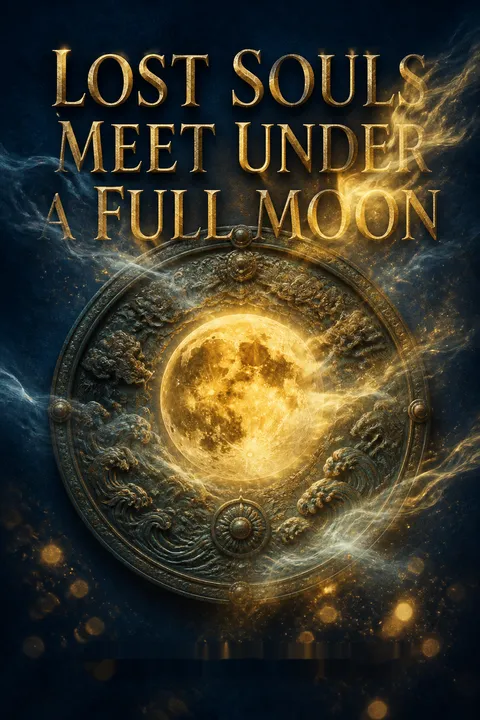
Each meeting arranged by the go-between takes place under the full moon, symbolizing the fleeting, luminous connection between worlds. Whether between fan and idol, son and mother, or friends torn apart by tragedy, these encounters offer a chance for closure—but not always the kind the living expect. Some find peace, others are left with new wounds or unresolved questions. The go-between's role is to witness, not to judge, and the meetings reveal the complexity of grief, love, and regret.
Lost Love's Long Wait
Koichi Tsuchiya, a lonely salaryman, is unable to move on after his fiancée, Kirari, vanished seven years ago. Despite friends' insistence that she left him, Koichi clings to hope, living in the same apartment and preserving her memory. An encounter with an elderly woman at the hospital leads him to the go-between. He requests to see Kirari, uncertain if she is dead or simply gone. The go-between's investigation reveals that Kirari died in a ferry accident under her real name, Teruko Kuwamoto.
The Vanished Fiancée
Koichi nearly flees the arranged meeting, paralyzed by fear of closure. The go-between tracks him down and urges him to face Kirari. Their reunion is tender and heartbreaking—Kirari confesses her real identity and the reasons she ran away from home, revealing her intention to reconcile with her parents before marrying Koichi. Both apologize for their secrets and missed chances. Kirari asks Koichi to return her treasured belongings to her family. As dawn breaks, she disappears, and Koichi is finally able to grieve and move forward.
Truths Revealed in Rain
The go-between's work is not without risk or pain. The meetings often force the living to confront uncomfortable truths—about themselves, their loved ones, and the nature of memory. Some, like Manami and Koichi, find healing; others, like Misa, are left with unresolved guilt. The go-between himself is not immune to sorrow, bearing witness to the suffering and hope of those he helps. The narrative suggests that closure is not always possible, and that the living must learn to carry their losses with humility and courage.
The Inheritance of Sorrow
Ayumi, the teenage go-between, inherits the role from his grandmother, who has served for decades. The gift is passed through the Akiyama family, accompanied by strict rules and a dangerous artifact: a bronze mirror that enables the summoning of the dead. Only the owner may look into the mirror; if anyone else does, both they and the owner die. The role is both a privilege and a burden, isolating the go-between from the possibility of their own reunion with the dead. Ayumi's family history is marked by tragedy—his parents died in a mysterious incident linked to the mirror, leaving him with unanswered questions.
The Mirror's Dangerous Gift
The bronze mirror is the source of the go-between's power, but it comes with grave risks. The narrative reveals that Ayumi's father, a previous go-between, died alongside his wife when she looked into the mirror, likely in an attempt to help him. The secrecy required by the role leads to misunderstanding and tragedy, underscoring the dangers of hidden burdens and the limits of even the best intentions. The mirror symbolizes the weight of memory and the peril of tampering with the boundaries between worlds.
The Weight of Memory
The go-between's clients must choose carefully whom to see, knowing it is a one-time opportunity. The dead, too, must decide whether to accept a meeting, aware that it is their only chance. These choices are fraught with longing, regret, and the desire for forgiveness. The narrative explores how memory shapes identity, how the living carry the dead within them, and how the act of remembering can be both healing and painful. The meetings arranged by the go-between are as much about the living's need to make sense of loss as they are about honoring the dead.
Choosing Whom to Remember
As Ayumi prepares to inherit the role, he faces the agonizing decision of whom he would choose to see—his mother, his father, or neither. The story delves into the ethics of remembrance: is it selfish to summon the dead for one's own closure? Does the act serve the living more than the departed? Ayumi's grandmother reveals her own choices and regrets, and Ayumi ultimately decides not to use his chance, choosing instead to reserve it for his grandmother in the distant future. The chapter highlights the complexity of love, loyalty, and the passage of time.
The Living and the Dead
The novel meditates on the relationship between the living and the dead, questioning whether the dead exist for the sake of the living or vice versa. Through the stories of Manami, Yasuhiko, Misa, Koichi, and others, the narrative suggests that the living must carry the memories and lessons of the dead, using them as guides and sources of strength. The go-between's work is ultimately an act of service, helping the living find meaning in loss and the courage to continue.
Passing the Torch
With his grandmother's health failing, Ayumi formally inherits the mirror and the responsibilities of the go-between. The transfer is both solemn and intimate, a ritual that binds him to the family's legacy and to the countless stories of love and loss he will witness. The chapter emphasizes the importance of continuity, tradition, and the willingness to bear the burdens of others. Ayumi's acceptance of the role marks the beginning of a new chapter, both for himself and for those he will help.
Spring's New Beginning
As winter gives way to spring, the characters find themselves changed by their encounters with the dead. Manami reconnects with her family, Yasuhiko softens towards his son, Misa returns to the stage, and Koichi delivers Kirari's belongings to her parents. Ayumi, now the go-between, stands ready to help others navigate the mysteries of grief and memory. The novel ends on a note of quiet hope, suggesting that while loss is inevitable, the living can honor the dead by carrying their stories forward and embracing the possibilities of each new season.
Analysis
A meditation on grief, memory, and the limits of closureLost Souls Meet Under a Full Moon is a profound exploration of the human need to bridge the gap between life and death, to seek forgiveness, and to find meaning in loss. Through its intricate structure and psychologically rich characters, the novel interrogates the ethics of remembrance: Is it selfish to summon the dead for one's own peace? Can closure ever truly be achieved, or must the living learn to carry their sorrows forward? The go-between's role—at once powerful and powerless—embodies the paradox of grief: we long for answers, but must ultimately accept uncertainty. The novel's insistence on the singularity of each meeting, the dangers of hidden burdens, and the necessity of choosing whom to remember, all point to a central lesson: life's meaning is found not in erasing pain, but in honoring the stories of those we have lost and in finding the courage to continue. In a world where loss is inevitable, Tsujimura suggests, the greatest act of love is to live on, carrying the memories of the dead as both burden and blessing.
Review Summary
Lost Souls Meet Under a Full Moon receives generally positive reviews, averaging 3.97/5. Readers praise its emotionally resonant exploration of grief through interconnected stories about living characters seeking one final meeting with deceased loved ones via a mysterious "go-between." Many compare it favorably to Before the Coffee Gets Cold, appreciating its magical realism and gentle, contemplative tone. Common criticisms include uneven pacing, underdeveloped characters, and a repetitive structure. The fifth chapter, which ties all stories together through the go-between's perspective, is frequently highlighted as particularly satisfying.
People Also Read


Characters
Manami Hirase
Manami is a quiet, introverted woman in her late twenties, estranged from her family and isolated at work. Her admiration for Saori Mizushiro, a celebrity who overcame adversity, becomes a lifeline during her darkest moments. Manami's psychological landscape is shaped by feelings of inadequacy and longing for connection. Her journey to meet Saori through the go-between is both an act of gratitude and a search for meaning. The encounter forces her to confront her own despair and to accept the challenge of living, even when hope seems distant. Manami's arc is one of tentative healing, as she learns to carry the memory of her idol forward.
Saori Mizushiro
Saori is a beloved TV personality known for her candor, humor, and resilience. Her public persona masks a history of abuse, loneliness, and self-reliance. In death, she is both flattered and saddened to learn that only Manami requested her. Saori's interactions with Manami reveal her wisdom and vulnerability; she offers tough love, urging Manami not to idealize her or to follow her into death. Saori's acceptance of her own mortality and her willingness to use her one chance for a fan rather than a loved one underscore the complexities of fame and the human need for genuine connection.
Yasuhiko Hatada
Yasuhiko is a middle-aged businessman from a rural family, shaped by traditional expectations of filial piety and masculine responsibility. His relationship with his mother, Tsuru, is marked by both affection and frustration. Yasuhiko's skepticism about the go-between masks a deep need for reassurance and forgiveness. His interactions with his family reveal his struggles with vulnerability, pride, and the fear of failing as a father and son. The meeting with his mother allows him to confront his regrets and to glimpse the possibility of reconciliation, both with the past and with his own children.
Tsuru Hatada
Tsuru is Yasuhiko's late mother, remembered for her resilience, practicality, and unconditional love. In life, she navigated the challenges of family, business, and illness with grace. In death, she remains a source of guidance and comfort, offering Yasuhiko both practical advice and emotional support. Tsuru's acceptance of her son's flaws and her refusal to play favorites among her children highlight her deep understanding of human nature. Her legacy is one of compassion, humility, and the quiet power of maternal love.
Misa Arashi
Misa is a high school student whose pride and ambition lead her to betray her best friend, Misono. Her psychological complexity is rooted in insecurity, competitiveness, and a desperate need for validation. Misa's inability to confess her role in Misono's death leaves her haunted by remorse. Her journey through the go-between is a search for forgiveness, but the encounter with Misono ultimately forces her to accept responsibility for her actions and to live with the consequences. Misa's arc is a meditation on the limits of redemption and the enduring weight of guilt.
Natsu Misono
Misono is remembered as kind, supportive, and quietly ambitious. Her friendship with Misa is the emotional core of her life, and her tragic death leaves a void that cannot be filled. In her posthumous meeting with Misa, Misono displays both forgiveness and a subtle assertion of agency, choosing not to confront Misa directly but leaving her with a message that acknowledges the truth. Misono's character embodies the complexities of friendship, rivalry, and the grace that can exist even in the face of betrayal.
Koichi Tsuchiya
Koichi is a thirty-something salaryman whose life is frozen by the disappearance of his fiancée, Kirari. His psychological state is marked by denial, hope, and a refusal to move on. Koichi's journey to the go-between is both a quest for answers and an act of mourning. The revelation of Kirari's true fate and identity forces him to confront the reality of loss and the necessity of letting go. Koichi's arc is one of acceptance, as he learns to honor the past while embracing the possibility of a future.
Kirari Himukai / Teruko Kuwamoto
Kirari, whose real name is Teruko, is a young woman who flees her rural home for Tokyo, reinventing herself in search of freedom and love. Her relationship with Koichi is marked by secrecy, vulnerability, and a longing for acceptance. Kirari's death in a ferry accident is both tragic and symbolic of her unfinished journey. In her meeting with Koichi, she reveals her true self and her regrets, offering him closure and a final act of love. Kirari's character explores themes of identity, forgiveness, and the courage to face one's past.
Ayumi Shibuya
Ayumi is a high school student who inherits the role of go-between from his grandmother. Intelligent, sensitive, and burdened by family tragedy, Ayumi navigates the responsibilities of his new role with a mixture of curiosity and apprehension. His own history—losing both parents in a mysterious incident linked to the go-between's mirror—shapes his understanding of grief and memory. Ayumi's psychological journey is one of maturation, as he learns to balance empathy with detachment and to accept the limits of what he can offer others.
Aiko (Ayumi's Grandmother)
Aiko is the current go-between at the novel's start, a woman of quiet authority and deep compassion. Her life has been shaped by the burdens and privileges of her role, as well as by the tragedies that have befallen her family. Aiko's decision to pass the mirror to Ayumi is both an act of trust and a recognition of her own mortality. Her wisdom, humility, and willingness to confront painful truths make her a stabilizing force in the narrative, embodying the themes of legacy, sacrifice, and the enduring power of love.
Plot Devices
The Go-Between and the Mirror
The central plot device is the go-between—a hereditary role passed through the Akiyama family, enabled by a magical bronze mirror. The mirror allows the go-between to summon the dead for one night, but only the owner may look into it; any breach results in death for both the owner and the interloper. The meetings are strictly regulated: each living and dead person has only one chance, and the go-between cannot grant their own wish. This structure creates narrative tension, ethical dilemmas, and a sense of urgency. The mirror symbolizes the dangers of tampering with fate and the weight of memory, while the go-between's neutrality underscores the limits of intervention and the necessity of personal responsibility.
Interwoven Narratives and Multiple Perspectives
The novel employs a mosaic structure, weaving together the stories of Manami, Yasuhiko, Misa, Koichi, and Ayumi. Each character's journey is both self-contained and interconnected, exploring different facets of grief, regret, and the desire for closure. The use of multiple perspectives allows for a rich exploration of psychological complexity and the ways in which individual stories resonate with universal themes. The go-between serves as a narrative anchor, linking the disparate threads and highlighting the commonalities of human experience.
Foreshadowing and Symbolism
Recurring motifs—such as the full moon, the changing seasons, and the act of waiting—underscore the novel's themes of impermanence and renewal. The full moon, under which all meetings occur, symbolizes the brief, luminous connection between worlds. The transition from winter to spring mirrors the characters' journeys from grief to acceptance. Objects like the mirror, the perfume bottle, and the cookie tin serve as tangible links to the past, embodying the persistence of memory and the hope for reconciliation.
Download PDF
Download EPUB
.epub digital book format is ideal for reading ebooks on phones, tablets, and e-readers.








































