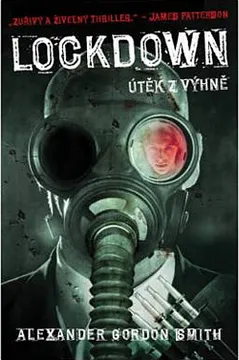

Plot Summary
Framed by Shadows
Alex Sawyer's life unravels in a single night. Once a mischievous but ordinary teenager, he's framed for murder by mysterious men in black suits after a botched burglary. His best friend is killed before his eyes, and Alex is forced to flee, only to be captured and condemned by a society eager for scapegoats. The justice system, corrupted by fear and prejudice, offers no mercy. Alex's pleas of innocence are drowned out by the public's thirst for retribution. Sentenced to life in Furnace Penitentiary—a subterranean hell for young offenders—Alex is stripped of hope, family, and identity. The world above forgets him, and he is left with only the memory of his lost freedom and the burning need to survive in a place designed to erase him.
Descent into Furnace
Alex and other new inmates are transported to Furnace, a prison buried deep underground, its entrance a fortress of stone and terror. The descent is both literal and psychological: the elevator ride down is a passage into a world where sunlight, justice, and compassion do not exist. The prison's architecture is monstrous, with cells stacked in rings around a vast pit, watched over by armed guards—"blacksuits"—and monstrous, skinless dogs. The warden, Cross, is a figure of chilling authority, his presence suffocating. The rules are simple: obedience or death. Alex is paired with Donovan, a hardened but decent cellmate, and quickly learns that in Furnace, every day is a battle for survival, and every night brings new horrors.
New Rules, New Fears
The daily rhythm of Furnace is brutal: hard labor, tasteless food, and constant threat from gangs like the Skulls. Alex, Donovan, and fellow newcomer Zee form a fragile alliance, but trust is dangerous currency. The guards are indifferent to violence, and the gangs enforce their own law. The only constants are fear and exhaustion. Alex witnesses the casual cruelty of the Skulls, the indifference of the guards, and the despair of inmates who have lost all hope. Yet, even as he adapts to the rules of this new world, Alex's mind refuses to surrender. He clings to memories of the surface and the faint, irrational hope that escape might be possible.
Surviving the Skulls
The Skulls, led by the vicious Kevin, rule through intimidation and ritual humiliation. When Alex intervenes to protect a weaker inmate, Montgomery, he becomes a target. The resulting fight nearly costs him his life, and only the intervention of Zee saves him from a fatal beating. The incident cements their bond but marks them for retribution. The guards respond with collective punishment, depriving all inmates of food and water. Alex learns that heroism is dangerous in Furnace, and that survival often means complicity in cruelty. Yet, the experience also forges a sense of solidarity among the outcasts, a glimmer of resistance in a world designed to crush it.
Nightmares and Blood Watch
Night in Furnace is a symphony of sobs, jeers, and screams. But the true horror comes with the Blood Watch: the wheezers—ghastly figures in gas masks—emerge, marking cells for abduction. Those taken are never seen again, or return as something monstrous. Alex witnesses the abduction of Monty, whose fate becomes a haunting mystery. The wheezers' presence is a reminder that in Furnace, death is not the worst fate. The psychological torment of waiting, the uncertainty of who will be chosen, and the knowledge that the system is designed to consume its inmates, all erode the boys' sense of self. Yet, even as fear grows, so does the determination to find a way out.
The Unbreakable Routine
Days blur into each other: hard labor in the mines, cleaning, laundry, and the ever-present threat of violence. The food is barely edible, the air stifling, and the work endless. Yet, small acts of kindness—like Monty's cooking—offer fleeting moments of humanity. Alex, Donovan, and Zee begin to dream of escape, their imaginations fueled by rumors and the faint scent of fresh air near a sealed-off tunnel. The monotony is both a curse and a shield, numbing the pain but also dulling the will to resist. Still, the boys' friendship deepens, and the idea of escape becomes a lifeline, a reason to endure.
Monty's Fate
Monty's abduction ends in tragedy. He is returned not as a boy, but as a monstrous, mindless killer—proof that Furnace is more than a prison; it is a laboratory of nightmares. The guards unleash Monty on his former tormentor, Kevin, in a spectacle of violence. The revelation that inmates are being transformed into monsters—possibly the very blacksuits who guard them—shatters any illusion of safety. The boys realize that escape is not just about freedom, but about survival of their very humanity. The system is not content to punish; it seeks to erase and remake its victims.
Glimpses of Escape
Alex and Zee discover a crack in the sealed Room Two, through which they sense fresh air and the roar of an underground river. Hope surges, only to be dashed when the gap proves too narrow for escape. The boys' spirits plummet, and Alex sinks into despair. Yet, the dream of freedom refuses to die. The river becomes a symbol of possibility, a thread of hope in the darkness. The boys begin to plot, their imaginations fueled by desperation and the knowledge that the alternative is transformation or death.
The River Below
The discovery of the river is both a blessing and a curse. The gap is too small, and attempts to widen it by chipping at the rock are futile. The boys consider explosives, but the materials are tightly controlled. Their first plan fails, and the group is plunged into hopelessness. Yet, the river's presence is a constant reminder that escape is possible. The boys' friendship is tested by setbacks, but their resolve hardens. They begin to see that survival depends not just on cunning, but on trust and sacrifice.
Hope Rekindled
A chance food fight in the kitchen inspires Alex: the rubber gloves used for slopwork can be filled with gas from the stoves, creating makeshift explosives. The boys begin smuggling gas-filled gloves into Room Two, risking detection at every step. The plan is dangerous and slow, requiring patience and secrecy. The addition of new allies—and the threat of betrayal—raises the stakes. The boys' hope is rekindled, and for the first time, escape feels within reach. Yet, the ever-present threat of the guards, the wheezers, and the other inmates looms over every move.
The Secret Plan
As the plan nears completion, the group is forced to include Gary, a violent and unpredictable Skull, after Donovan makes a desperate bargain to save Alex's life. The addition of Gary threatens the group's cohesion, and the risk of exposure grows. The boys are forced to confront the reality that escape may mean leaving others behind—or worse, endangering everyone. The tension between loyalty and survival comes to a head when Alex reveals the plan to a desperate inmate, breaking their vow of secrecy. The cost of hope is trust, and trust is a dangerous commodity in Furnace.
Betrayals and Sacrifice
With the explosives in place, the boys prepare for their escape. But the Blood Watch returns, and Donovan is taken, marked for transformation. Alex is left shattered but resolute, vowing to return for his friend. The group is fractured, and the plan is in jeopardy. Yet, the urgency of their situation leaves no room for hesitation. The boys must choose between waiting for a better moment and seizing the only chance they may ever have. Sacrifice becomes inevitable, and the line between survival and betrayal blurs.
The Final Night
On the day of the escape, everything goes wrong. Another inmate, Jimmy, discovers the plan and threatens to expose them. The guards are alerted, and a desperate chase ensues. Gary, driven by self-preservation, lights the fuse prematurely, triggering a massive explosion that seals off the tunnel behind them. In the chaos, Toby is gravely injured, and Alex is nearly killed by the very guard who framed him. The group is reduced to Alex, Zee, and a wounded Toby, pursued by guards and mutant dogs. The escape becomes a race against time and death.
Blood and Fire
In the aftermath of the explosion, Alex faces Moleface, the blacksuit who has haunted him since his arrest. In a shocking twist, Moleface is revealed to be Monty, transformed by the system. Monty sacrifices himself to save Alex, a final act of humanity in a world designed to destroy it. The revelation that the guards are made from the inmates is both horrifying and galvanizing. The boys reach the river, battered and broken, but with the path to freedom finally open.
Into the Abyss
With the guards and dogs closing in, Alex, Zee, and Toby prepare to jump into the raging underground river. Toby, gravely injured, insists on going, preferring the risk of death to the certainty of Furnace's horrors. Alex promises to return for Donovan and the others, vowing not to let Furnace claim any more lives. The boys leap into the darkness, choosing the unknown over the certainty of damnation. Their fate is uncertain, but for the first time, they are free—not just from their cells, but from the fear that has defined their existence. The story ends with hope, defiance, and the unbreakable will to survive.
Analysis
Lockdown: Escape from Furnace is a harrowing exploration of institutional cruelty, the resilience of the human spirit, and the transformative power of hope. Set in a dystopian world where fear has replaced justice, the novel interrogates the consequences of dehumanization—both for individuals and for society as a whole. Through Alex's journey, the story examines the psychological toll of confinement, the corrosive effects of violence, and the ways in which systems of oppression perpetuate themselves by turning victims into perpetrators. The prison's architecture and routines are meticulously designed to break the will, yet the boys' refusal to surrender—manifested in their friendships, their dreams of escape, and their ultimate defiance—serves as a testament to the indomitable nature of hope. The novel's use of horror elements—the wheezers, the monstrous transformations, the ever-present threat of death—amplifies its critique of punitive justice and the dangers of a society that values order over compassion. In the end, Lockdown is not just a story of survival, but a call to remember our shared humanity, even in the darkest of places.
Review Summary
People Also Read
Characters
Alex Sawyer
Alex is the protagonist, a fourteen-year-old boy whose life is shattered when he is framed for murder and sent to Furnace. Intelligent, resourceful, and deeply empathetic, Alex is driven by guilt over his past mistakes and the loss of his friend Toby. His journey is one of transformation—from a scared, self-loathing victim to a determined, resilient leader. Alex's greatest strength is his refusal to surrender hope, even when all evidence suggests escape is impossible. His relationships with Donovan, Zee, and the other boys are marked by loyalty, sacrifice, and the constant tension between self-preservation and compassion. Psychologically, Alex is tormented by nightmares and the fear of becoming a monster, but his capacity for friendship and his moral courage set him apart in a world designed to erase both.
Donovan
Donovan is Alex's cellmate and the group's anchor. Older and physically imposing, he has survived in Furnace by adopting a tough exterior and a strict code of self-reliance. Beneath his gruffness lies a deep well of empathy and a fierce loyalty to his friends. Donovan's past is marked by violence—he killed his mother's abusive boyfriend—but his actions in Furnace are guided by a desire to protect the vulnerable. He is both a mentor and a cautionary figure for Alex, embodying the tension between adaptation and resistance. Donovan's eventual willingness to hope and to risk everything for escape is a testament to the transformative power of friendship and trust.
Zee Hatcher
Zee is the youngest of several siblings, quick-witted, and irreverent. His humor and optimism provide a counterbalance to the darkness of Furnace. Though initially skeptical of escape, Zee's loyalty to Alex and Donovan is unwavering. He is resourceful and brave, often acting as the group's conscience. Psychologically, Zee copes with fear through jokes and bravado, but his vulnerability is evident in moments of crisis. His willingness to risk his life for his friends underscores the importance of solidarity in the face of overwhelming odds.
Toby
Toby is a new inmate, traumatized and fragile. His presence in the group is a constant reminder of the innocence destroyed by Furnace. Toby's desperation leads him to the brink of suicide, but Alex's intervention saves him. Despite his physical weakness, Toby's determination to escape is fierce. His injury during the escape attempt is a poignant illustration of the cost of hope. Toby's psychological journey is one of reclaiming agency in a world that has stripped him of it, and his survival is a testament to the power of friendship and the human will to live.
Monty
Monty is initially the group's scapegoat, bullied and humiliated by the Skulls. His abduction by the wheezers and subsequent transformation into a monstrous blacksuit is one of the novel's most horrifying moments. Monty's fate embodies the ultimate dehumanization wrought by Furnace: the erasure of identity and the conversion of victims into instruments of oppression. Yet, in his final moments, Monty's lingering humanity allows him to save Alex, a final act of resistance against the system that destroyed him.
Gary Owens
Gary is a new arrival who quickly overthrows the Skulls and establishes himself as a dominant force. His strength and ruthlessness make him both a threat and a potential asset. Forced into the escape plan by Donovan's bargain, Gary's presence destabilizes the group. He is driven by self-preservation and a willingness to use violence to achieve his ends. Psychologically, Gary represents the survivalist mentality fostered by Furnace—a willingness to do whatever it takes, regardless of the cost to others.
Kevin Arnold
Kevin is the leader of the Skulls, ruling through fear and violence. His downfall at the hands of Gary and his eventual death at the hands of a transformed Monty illustrate the cyclical nature of violence in Furnace. Kevin's character is a study in the corrupting influence of power and the ways in which systems of oppression perpetuate themselves through their victims.
Warden Cross
The warden is a figure of almost supernatural authority, his presence suffocating and his eyes described as voids that consume hope. He is both the enforcer and the symbol of Furnace's cruelty, orchestrating the experiments and maintaining order through terror. Psychologically, Cross is a study in the banality of evil—his justifications for the prison's horrors are couched in rhetoric about order and obedience, but his true motivation is control. He is the ultimate antagonist, a reminder that the greatest threat is not the monsters, but the system that creates them.
The Wheezers
The wheezers are the gas-masked figures who select inmates for abduction and experimentation. Their origins are shrouded in mystery, but their actions are the mechanism by which Furnace perpetuates its cycle of violence. Psychologically, they represent the facelessness of institutional cruelty—the loss of individuality and the transformation of victims into perpetrators.
Moleface (Blacksuit)
Moleface is the blacksuit who frames Alex and haunts him throughout his time in Furnace. His eventual revelation as Monty, transformed by the system, is a devastating twist. Moleface embodies the ultimate horror of Furnace: the destruction of self and the conversion of the innocent into instruments of oppression. His final act of saving Alex is a moment of redemption, a reminder that humanity can persist even in the darkest places.
Plot Devices
Framing and False Justice
The novel's inciting incident is Alex's framing for murder, a plot device that establishes the theme of institutional corruption. The justice system's eagerness to find scapegoats, combined with the public's fear of youth violence, creates a world where innocence is irrelevant. This device not only propels Alex into Furnace but also serves as a critique of societal responses to crime and the dangers of dehumanization.
Closed World Structure
Furnace is a closed system, both physically and psychologically. The prison's architecture—rings of cells around a central pit, sealed by impenetrable rock—creates a sense of claustrophobia and hopelessness. The lack of sunlight, the monotony of routine, and the ever-present threat of violence reinforce the sense that escape is impossible. This structure heightens tension and forces the characters to confront not just external threats, but their own fears and limitations.
Foreshadowing and Symbolism
The novel employs foreshadowing through recurring images: the wheezers, the skinless dogs, the marks on the cell walls. The river beneath Furnace is both a literal and symbolic escape route, representing hope, freedom, and the possibility of redemption. The transformation of inmates into monsters is foreshadowed by the marks left by the wheezers and the rumors that circulate among the boys.
Cycles of Violence and Dehumanization
The transformation of inmates into blacksuits and monsters is a central plot device, illustrating the cyclical nature of violence and the ways in which systems of oppression perpetuate themselves. The guards are not outsiders, but former victims, forced to become instruments of the very system that destroyed them. This device underscores the novel's critique of punitive justice and the dangers of institutional cruelty.
The Escape Plan
The planning and execution of the escape follows the structure of a heist narrative: gathering resources, overcoming obstacles, and dealing with betrayals. The use of gas-filled gloves as explosives is both inventive and symbolic—a transformation of the tools of oppression into instruments of liberation. The plan's success depends on trust, timing, and the willingness to risk everything for a chance at freedom.
Download PDF
Download EPUB
.epub digital book format is ideal for reading ebooks on phones, tablets, and e-readers.








































