
Plot Summary
Riverbank Eccentricities
Del Jordan's early years unfold along the Flats Road, a liminal place between town and country, where eccentric characters like Uncle Benny, a self-styled trapper and junk collector, shape her imagination. Del and her brother Owen spend days by the Wawanash River, catching frogs and listening to Uncle Benny's wild tales. Their home is a patchwork of rural poverty and oddity, with neighbors who are both menacing and pitiable. Del's mother, an outsider with intellectual ambitions, feels out of place among the Flats Road's roughness, while her father fits in with the locals. The landscape, the animals, and the people—each with their own stories and secrets—form the backdrop of Del's formative years, instilling in her a sense of curiosity, unease, and the first inklings of the complexity of adult life.
Family Ties and Legacies
Del's extended family, especially her aunts and Uncle Craig, represent the weight of legacy and the intricate web of rural kinship. Summers at Jenkin's Bend, the family homestead, are filled with stories of ancestors, local history, and the rituals of farm life. Uncle Craig, obsessed with documenting the county's history, embodies the desire to preserve the ordinary and the past, while his sisters, Aunt Elspeth and Auntie Grace, maintain the traditions and subtle hierarchies of their world. Del observes the tensions between her mother's restless ambition and her aunts' contentment with their circumscribed lives. The death of Uncle Craig and the subsequent funeral expose Del to the rawness of mortality, shame, and the peculiar intimacy of family, leaving her with a sense of both belonging and alienation.
Women's Work, Women's Worlds
The women in Del's life—her mother, aunts, and boarders—navigate a world defined by work, propriety, and the limits placed on their ambitions. Del's mother, determined to rise above her origins, sells encyclopedias and pursues self-education, clashing with the expectations of both town and country. The aunts, skilled in domestic arts and social maneuvering, represent a different kind of power, rooted in tradition and subtlety. Del witnesses the ways women support and undermine each other, the importance of reputation, and the quiet rebellions that shape their lives. Through these women, Del learns about the possibilities and constraints of female identity, and the ways in which women's stories are both told and silenced.
The Encyclopedia Crusader
Del's mother's campaign to sell encyclopedias across Wawanash County becomes a symbol of her refusal to accept the limitations of her environment. She drags Del along as a prodigy, showing off her daughter's knowledge to skeptical farmers and townsfolk. Del's initial pride turns to embarrassment as she becomes aware of how her mother's ambitions set them apart, making them objects of ridicule and suspicion. The tension between Del's desire to belong and her mother's insistence on standing out creates a rift between them. Through encounters with relatives and townspeople, Del sees the cost of being an outsider, and the loneliness that comes with striving for something more.
Faith and Doubt Collide
As Del enters adolescence, she becomes preoccupied with questions of faith, attending church services alone and experimenting with different denominations. Her mother's outspoken agnosticism and her own longing for belief create an internal conflict. Del is drawn to the theatricality and ritual of religion, but also to its promise of safety and meaning. She tests God with small prayers, seeking signs, but is left with ambiguity and disappointment. The world of Jubilee is divided by religious affiliation, each with its own codes and exclusions. Del's spiritual journey is marked by both yearning and skepticism, mirroring her broader search for identity and belonging.
Schoolyard Rites and Rivalries
School becomes the arena where Del learns the rules of girlhood, the dangers of boys' attention, and the shifting alliances of female friendship. Her bond with Naomi, a girl from town, is forged through shared secrets, dares, and a fascination with the forbidden. Together, they explore the boundaries of propriety, experiment with language and behavior, and observe the rituals that mark the passage from childhood to adolescence. The operetta, a yearly school event, becomes a microcosm of social competition and desire, as roles are assigned and rivalries flare. Del's first crushes, humiliations, and triumphs are played out against the backdrop of small-town expectations and the ever-present threat of being marked as different.
The Operetta's Spell
The school operetta casts a spell over Del and her classmates, offering a brief escape from the constraints of their everyday lives. Del is consumed by her infatuation with Frank Wales, the boy chosen to play the Pied Piper, and by the intoxicating possibilities of performance and transformation. The operetta becomes a site of longing, rivalry, and self-discovery, as Del navigates her feelings for Frank, her friendship with Naomi, and her own desire to be seen and chosen. The aftermath of the performance leaves Del with a sense of loss and the realization that such moments of magic are fleeting, but their impact lingers.
Sexual Awakenings
As Del matures, her curiosity about sex intensifies, fueled by clandestine reading, gossip, and her own bodily sensations. Encounters with adult boarders, like Fern Dogherty and Mr. Chamberlain, blur the lines between innocence and experience. Del's first sexual experiences are marked by confusion, excitement, and a sense of transgression. She grapples with the double standards and silences that surround female desire, the dangers of being seen as "bad," and the thrill of secret knowledge. The world of Jubilee is both titillated and scandalized by sexuality, and Del learns to navigate its risks and rewards, often alone.
Friendship's Shifting Borders
Del's friendship with Naomi, once a source of solidarity and adventure, becomes strained as their paths diverge. Naomi embraces the rituals of courtship, marriage, and domesticity, while Del remains ambivalent, caught between longing and skepticism. Their conversations, once intimate and conspiratorial, are now marked by competition, misunderstanding, and the pain of growing apart. Del is left to confront her own desires and ambitions, and to reckon with the loneliness that comes with outgrowing old alliances. The end of their friendship marks a turning point in Del's journey toward independence.
Love, Loss, and Baptism
Del's relationship with Garnet French, a young man from the rural backwoods, is passionate, tumultuous, and ultimately doomed. Their love affair is marked by secrecy, physical intensity, and the clash of different worlds—Del's intellectual aspirations and Garnet's Baptist faith. The prospect of baptism, both literal and symbolic, becomes a battleground for autonomy and submission. A violent confrontation in the river shatters their bond, leaving Del with a sense of betrayal and the painful knowledge that love cannot erase difference. The end of the relationship coincides with Del's failure to win a scholarship, forcing her to confront the limits of her dreams and the necessity of forging her own path.
The End of Innocence
As Del faces the consequences of her choices—academic disappointment, lost love, and the fading of childhood friendships—she is forced to reckon with the complexity and ambiguity of adult life. The rituals and certainties of the past no longer offer comfort; the world is revealed as both more ordinary and more mysterious than she had imagined. Del's mother, once a figure of hope and ambition, is diminished by illness and disappointment. Del herself is left to navigate the uncertain terrain of young womanhood, marked by both freedom and loss. The end of innocence is not a single event, but a gradual, painful awakening to the realities of desire, failure, and the necessity of self-reliance.
Writing Jubilee's Story
In the aftermath of her coming-of-age, Del turns to writing as a way to make sense of her experiences and the world of Jubilee. She is drawn to the stories of others—family, neighbors, the tragic Sherriff family—and to the act of transforming reality into fiction. Writing becomes both a refuge and a means of asserting control, a way to preserve what is fleeting and to impose order on chaos. Del recognizes the limitations of memory and the impossibility of capturing everything, but she is compelled to try. The act of writing is both an act of love and of separation, a way of claiming her own voice and destiny.
Analysis
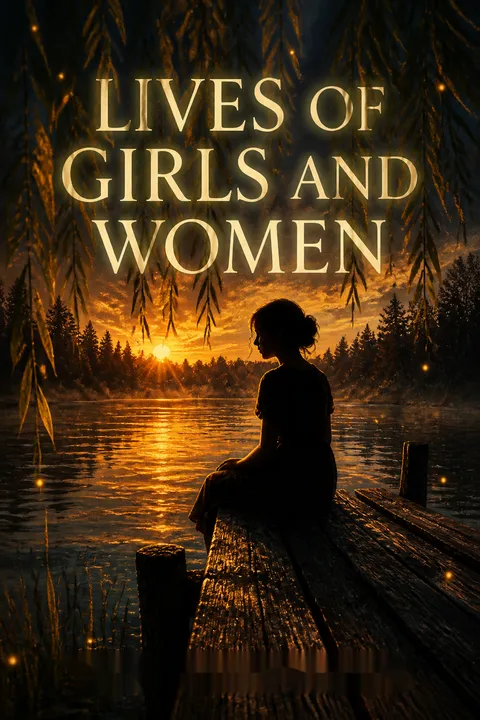
Alice Munro's Lives of Girls and Women is a masterful exploration of female coming-of-age, set against the backdrop of rural Ontario in the mid-twentieth century. Through Del Jordan's eyes, Munro examines the intricate interplay of family, community, gender, and desire, revealing the ways in which women's lives are shaped by both visible and invisible forces. The novel's episodic structure and richly drawn characters allow for a nuanced portrayal of the tensions between tradition and change, belonging and alienation, faith and skepticism. Munro's prose is both precise and evocative, capturing the textures of daily life and the undercurrents of longing, shame, and rebellion that define adolescence. The book's enduring relevance lies in its refusal to offer easy answers or resolutions; instead, it embraces the messiness and ambiguity of growing up, the pain of loss and disillusionment, and the redemptive power of storytelling. In a modern context, Lives of Girls and Women speaks to the ongoing struggle for female autonomy, the complexities of sexual awakening, and the necessity of forging one's own path in a world that is both confining and full of possibility.
Review Summary
People Also Read






Characters
Del Jordan
Del is the central consciousness of the novel, a girl growing up on the margins of a small Ontario town. Her journey from childhood to young adulthood is marked by a fierce curiosity, a hunger for knowledge, and a restless dissatisfaction with the roles prescribed for women. Del is both insider and outsider—rooted in her family and community, yet always questioning, always looking beyond. Her relationships with her mother, friends, and lovers are complex, shaped by both longing and resistance. Del's psychological development is characterized by a growing awareness of the ambiguities of desire, the limitations of love, and the power of storytelling to shape and redeem experience.
Del's Mother (Ada Jordan)
Del's mother is a forceful presence, determined to transcend her rural origins through education, self-improvement, and a relentless pursuit of knowledge. Her efforts to sell encyclopedias, her outspoken views on religion and women's rights, and her outsider status in Jubilee set her apart from both town and country. She is both a role model and a source of embarrassment for Del, embodying the tensions between ambition and belonging, intellect and emotion. Her psychological complexity is revealed in her moments of vulnerability, disappointment, and the fierce love she has for her children.
Owen Jordan
Owen is Del's younger brother, often caught between the worlds of childhood fantasy and the harsh realities of rural life. He is more passive and less ambitious than Del, serving as a foil to her restless energy. Owen's innocence and vulnerability are highlighted in his interactions with Del, his attachment to their father, and his eventual retreat into the routines of farm life. His psychological development is marked by a quiet resilience and a capacity for acceptance that contrasts with Del's questioning nature.
Uncle Benny
Uncle Benny is a fixture of the Flats Road, a man whose eccentricities and failed schemes make him both a source of amusement and pity. He is deeply connected to the land and its animals, yet unable to form lasting human relationships. His ill-fated marriage and the abuse of his stepdaughter Diane reveal the darker undercurrents of rural life. Uncle Benny's stories and worldview offer Del a glimpse into the unpredictability and vulnerability of existence, and his ultimate defeat is both comic and heartbreaking.
Naomi
Naomi is Del's closest friend during adolescence, a girl whose brashness and curiosity match Del's own. Together, they explore the boundaries of propriety, experiment with language and behavior, and share secrets about sex and desire. As they grow older, Naomi embraces the rituals of courtship, marriage, and domesticity, while Del remains ambivalent. Their friendship is marked by both intimacy and rivalry, and its dissolution signals Del's movement toward independence and self-definition.
Garnet French
Garnet is Del's first serious love, a young man from the rural backwoods whose intensity and faith both attract and repel her. Their relationship is marked by physical passion, cultural and religious differences, and a struggle for dominance and understanding. Garnet's desire for Del to be baptized and join his world becomes a point of contention, culminating in a violent confrontation that ends their relationship. Garnet embodies the tensions between tradition and change, faith and doubt, and the limits of love to bridge difference.
Jerry Storey
Jerry is Del's academic equal and occasional romantic partner, a boy whose intelligence sets him apart from his peers. Their relationship is characterized by mutual respect, competition, and a lack of physical chemistry. Jerry's rationalism and ambition contrast with Del's emotional intensity and imaginative leanings. He represents the world of ideas and achievement, but also the limitations of intellect in matters of the heart.
Fern Dogherty
Fern is a boarder in the Jordan household, a woman whose past and sexuality make her both an object of fascination and suspicion. Her singing, her relationships with men, and her unapologetic enjoyment of life set her apart from the more conventional women of Jubilee. Fern's presence exposes Del to alternative models of femininity and the costs of living outside the bounds of respectability.
Del's Father
Del's father is a steady, hardworking man who is more comfortable with the routines of farm life than with the ambitions of his wife or daughter. He is liked by the Flats Road community and provides a sense of stability, but is emotionally distant and unable to fully understand or support Del's intellectual and emotional needs. His relationship with Del is marked by mutual respect and a quiet, unspoken love.
Aunt Elspeth and Auntie Grace
These sisters represent the continuity of family and the power of women's work and social networks. Their home at Jenkin's Bend is a haven of order, tradition, and subtle humor. They are both supportive and critical of Del and her mother, embodying the complexities of female relationships across generations. Their psychological strength lies in their adaptability, resilience, and the quiet authority they wield within the family.
Plot Devices
Episodic Structure and Coming-of-Age
Munro structures the novel as a series of interconnected stories, each focusing on a pivotal moment or relationship in Del's life. This episodic approach mirrors the process of memory and the way identity is formed through discrete experiences. The coming-of-age arc is not linear but accumulative, with each episode revealing new facets of Del's character and the world she inhabits. The structure allows for shifts in tone, perspective, and emotional intensity, creating a rich tapestry of experience.
Foreshadowing and Symbolism
Munro employs foreshadowing through recurring images—rivers, bridges, animals, and performances—that signal moments of transition, danger, or revelation. The river, in particular, serves as a symbol of both possibility and peril, marking the boundaries between childhood and adulthood, innocence and experience. Objects like encyclopedias, operetta costumes, and family heirlooms become charged with meaning, representing the aspirations, disappointments, and legacies that shape Del's journey.
Irony and Self-Reflection
Del's retrospective narration is marked by irony, self-awareness, and a willingness to question her own motives and memories. This self-reflexivity allows Munro to explore the ambiguities of experience, the unreliability of memory, and the ways in which stories are constructed and revised over time. The tension between what is remembered, what is imagined, and what is left unsaid is a central device, inviting readers to engage critically with the narrative.
Interplay of Fact and Fiction
The novel frequently interrogates the relationship between lived experience and the stories we tell about it. Del's attempts to write about her family and community, her fascination with the tragic Sherriff family, and her eventual recognition of the limitations of fiction all highlight the porous boundaries between fact and invention. This meta-narrative device underscores the power and the inadequacy of storytelling to capture the fullness of life.
Download PDF
Download EPUB
.epub digital book format is ideal for reading ebooks on phones, tablets, and e-readers.








































