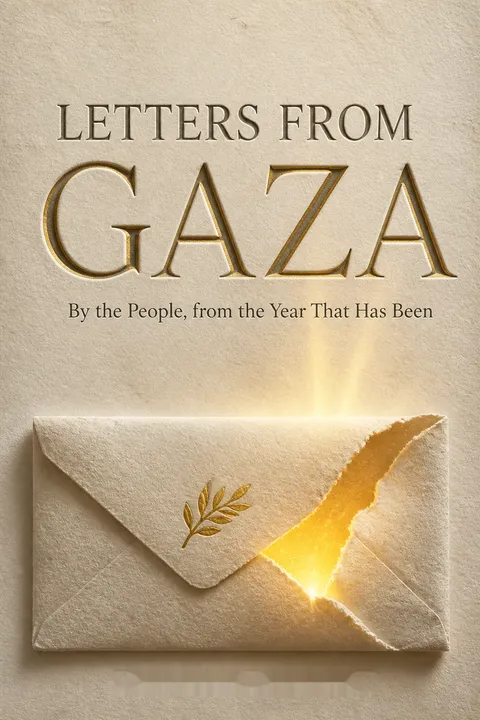

Summary Unavailable
This book is not suitable for a summary (it may be a textbook, workbook, cookbook, reference book, or collection). However, you can still explore the FAQs, about author, and other metadata below!
Key Takeaways
1. Gaza's Vibrant Culture Faced Systematic Obliteration.
Systematically and intentionally, most of the archeological sites, museums, libraries, bookstores, galleries, and monuments were destroyed.
A rich cultural landscape. Before October 2023, Gaza boasted a vivid cultural life, with literary salons, poetry readings, book discussions, and art exhibitions being part of daily routines. Illiteracy rates were near zero, and Gaza was known for exporting short stories and teachers, contributing significantly to the region's education systems. This flourishing environment existed despite a seventeen-year siege.
Targeted destruction. The 2023-24 war systematically targeted and destroyed Gaza's cultural infrastructure. This included around 200 buildings of historical importance, such as churches, mosques, archival centers, and ancient souqs, alongside cultural centers, theaters, and music halls. Personal libraries and art collections also vanished under rubble.
Loss of human capital. Beyond physical destruction, the war claimed the lives of influential cultural figures, including poets, journalists, writers, and actors. The UN expressed grave concern over the "scholasticide," with over 80% of schools damaged or destroyed, threatening to plunge Gaza back into illiteracy for the first time in decades.
2. War Unleashed a Relentless Cycle of Displacement and Terror.
I had been displaced five times.
Forced exodus. The war initiated a terrifying cycle of forced displacement, with residents repeatedly ordered to evacuate their homes and move to "safe zones" that often became new targets. Families were separated, carrying only what they could remember, often just light clothes and important papers, leaving behind entire lives.
Constant movement. The narratives highlight the relentless movement from one precarious location to another, whether to relatives' homes, kindergartens, or makeshift tents. This constant uprooting meant no place felt truly safe, and the illusion of security was repeatedly shattered by shelling and ground incursions.
- Leaving old homes for new, then fleeing again.
- Seeking refuge in family homes, then schools, then tents.
- The journey south, often on foot, amidst chaos and fear.
Emotional toll of leaving. Each displacement was a painful farewell to memories, rooms, and the familiar details of home. Writers describe leaving without a backward glance, fearing that looking would solidify the loss, or becoming a "memory" themselves rather than just saying goodbye to one.
3. Daily Life Devolved into a Humiliating Struggle for Survival.
Survival is a daily struggle. It begins with the morning heat glowing in the tent and ends with the biting cold at night.
Basic needs unmet. The war transformed the most fundamental aspects of daily life into arduous struggles. Access to water, bread, and fuel became a constant, humiliating quest, involving long queues and primitive alternatives like wood stoves for cooking. The scarcity of resources meant that even water provided was often "unsuitable for animal use."
Harsh living conditions. Displaced families found themselves living in overcrowded tents or abandoned buildings, facing extreme temperatures, lack of sanitation, and constant health risks. The absence of electricity, clean water, and proper shelter made every day a battle against the elements and disease.
- One bath per week, if water was available.
- Sleeping on floors, without blankets or proper windows.
- Eating canned beans or struggling for flour.
Physical and mental exhaustion. The relentless struggle for survival led to severe physical deterioration, with many losing significant weight due to malnutrition and constant exertion. This physical toll was compounded by the mental exhaustion of perpetual fear and anxiety, leaving people with "dying faces" and hollowed eyes.
4. Writing Became the Ultimate Act of Resistance and Rehumanization.
For Palestinians, writing is resistance and culture has always been used as a tool of resistance.
A new genre of war literature. The conflict spurred the emergence of an "of-the-moment" war literature, with writers, poets, and novelists documenting their immediate experiences through letters, journals, and testimonies. This genre aimed to capture the horror and personal impact of the war as it unfolded, a departure from past "flashback" narratives.
Rehumanizing the narrative. Through these personal accounts, writers sought to rehumanize lives reduced to "numbers, figures, and breaking news." They shared stories, poems, and narratives that portrayed the people of Gaza as they truly were—individuals with dreams, fears, and daily routines—rather than abstract statistics of conflict.
- Documenting personal worries and memories.
- Recapturing the "boring details of everyday life."
- Showing human bodies fighting amidst corpses, children reclaiming childhood.
Preserving memory and identity. Writing became a vital tool for preserving memory, lamenting lost places, and reflecting on a cloudy future. It was an act of defiance against efforts to erase Gaza's identity, bringing the city back into existence through words and fighting against its "labyrinth of oblivion."
5. The War Inflicted Profound Psychological Trauma and Disorientation.
My memory is proficient at paining me.
Overwhelming emotional burden. The constant exposure to violence, loss, and uncertainty left deep psychological scars. Writers describe feeling paralyzed, confused, and doubtful of reality, with terror "written all over their faces." The sounds of bombing became a constant background buzz, and fear permeated every aspect of life.
Loss of self and normalcy. The trauma led to a profound sense of disorientation and a struggle to recognize oneself. Writers describe seeing "pale, yellowish faces" with "extinguished" eyes, feeling detached from their own bodies, and questioning their sanity. The simple pleasures of pre-war life became distant, painful memories.
- Inability to cry despite immense suffering.
- Feeling "orphaned" by the loss of friends.
- Struggling with depression and anxiety.
Coping mechanisms. In the face of such overwhelming pain, individuals developed various coping mechanisms, from sleeping to escape reality to finding solace in shared laughter and jokes, even if fleeting. Some found themselves "adept at defeat," accepting the daily onslaught as an inescapable reality.
6. Gaza Endured Isolation Amidst Global Indifference.
does the world actually see us? No answer seems meaningful. If it does, then where is it? And if not, what is it doing?
A sense of abandonment. The narratives convey a deep sense of isolation and abandonment, with Gazans feeling that the world either did not see their suffering or chose to ignore it. This perception of global indifference amplified their pain and the feeling of being "how alone are we?"
World's distorted perception. The authors suggest that the world's limited understanding, often based on "stolen photos and scenes of suffering," led to a dangerous perception of Gazans as "heroes" who "gotten used to it" or "learnt to cope." This allowed the world to "rid itself of guilt," rather than confronting the true scale of the humanitarian crisis.
- Short-lived rescue efforts.
- Listening to "death stories with either astonishment or objection."
- The world sleeping while Gazans faced a "treacherous occupier."
Unanswered questions. The constant questioning of the world's role and responsibility highlights the profound moral dilemma faced by those witnessing the conflict from afar. The lack of meaningful intervention, despite international legal rulings and UN resolutions, underscored the feeling of being forgotten.
7. Memory and Identity Were Relentlessly Attacked.
Who am I if all of my books, diaries, and memories are destroyed?
Erosion of personal history. The destruction of homes, personal libraries, and familiar landmarks directly attacked the foundations of individual and collective memory. Writers lamented the loss of cherished possessions, from books and art collections to everyday items that held sentimental value, making it difficult to recall a past life.
Identity tied to place. For many, identity was deeply intertwined with their physical surroundings—the streets, cafes, beaches, and neighborhoods of Gaza. The obliteration of these places meant a loss of self, forcing individuals to question "who am I without my quest for knowledge?" or "who am I if all of my books, diaries, and memories are destroyed?"
- Mayar Nateel's detailed recollection of Gaza City streets and routines.
- The inability to recognize friends due to the war's impact on their faces.
- The struggle to adapt to a "home that isn't mine."
The Nakba's echo. The current displacement and destruction evoked painful memories of the 1948 Nakba, with writers drawing parallels between past and present suffering. The repeated question "Where should we go?" echoed the historical trauma of forced displacement, highlighting a cyclical pattern of loss and dispossession.
8. Hope Persisted, Even as Normalcy Vanished.
When hope is gone, song remains.
Resilience in adversity. Despite unimaginable suffering, a profound sense of resilience and an insistence on humanity persisted. Even amidst the chaos, people found ways to express joy, sing, and maintain a semblance of life, demonstrating an inherent pride in their ability to endure.
Small acts of defiance. Moments of "forlorn joy," like small weddings between tents or children playing amidst rubble, underscored a refusal to surrender entirely to despair. These acts, though fleeting, served as powerful affirmations of life in the face of death.
- Singing Um Kulthoum's songs on radios in tents.
- Children chasing flying leaflets, momentarily forgetting the war.
- The determination to "keep your name alive" through surviving family members.
The enduring human spirit. The narratives reveal a deep-seated belief in the possibility of return and rebuilding, even when faced with overwhelming destruction. This hope, though often fragile and tinged with sorrow, became a driving force for survival, allowing individuals to "break the day, unbroken."
9. The Future Remains a Labyrinth of Uncertainty and Loss.
It hurts me to anticipate the future, and to anticipate the practices, actions, and exercises that lead to cultural or cultural production.
Inability to plan. The constant threat of death and displacement made it impossible to plan for the future, creating a pervasive sense of uncertainty. Dreams of graduation, travel, or career advancement were shattered, replaced by the immediate concern of simply surviving the next moment.
Separation and rebuilding. Families were scattered across different regions or even countries, making the prospect of reunification and rebuilding daunting. The emotional and practical challenges of reconstructing lives, homes, and cultural institutions loomed large, with questions about what new worlds could be built.
- Mahmoud Alshaer's family dispersed for medical treatment and safety.
- Mayar Nateel's university destroyed, graduation project stalled.
- The struggle to find work and stability after displacement.
Lingering questions. The future was not just uncertain but also burdened by the unresolved questions of the past and present. The constant "why" of the war, the fate of the missing, and the possibility of further displacement cast a long shadow over any hope for a peaceful tomorrow.
10. Every Death Was a Personal Catastrophe, Not a Statistic.
I don’t want my name, and my family name, to be reduced to mere numbers, whether odd or even.
The human cost. The narratives powerfully convey that each casualty of the war was a unique individual with a name, a story, and loved ones, not merely a statistic. The writers emphasize the profound personal impact of losing friends, family, and community members, highlighting the irreplaceable void left by each death.
Personal grief and search. The accounts are filled with poignant stories of individual loss, such as the martyrdom of Youssef, the disappearance of Mohammed, or the death of Ramin. Families embarked on desperate searches for their missing, sifting through rubble and unidentified bodies, clinging to any shred of hope.
- Hanna Ahmad's relentless search for her brother Mohammed.
- Bahaa Shahera Rauf's grief over his friend Lynn.
- The driver's lament for his lost wife and children.
Beyond the numbers. The writers' insistence on naming the dead, recounting their lives, and expressing personal grief serves as a powerful counter-narrative to the dehumanizing language of war. It underscores that behind every reported number lies a universe of personal tragedy and an enduring legacy of love and memory.
Last updated:
Report IssueReview Summary
People Also Read
About the Author
Download PDF
Download EPUB
.epub digital book format is ideal for reading ebooks on phones, tablets, and e-readers.








































