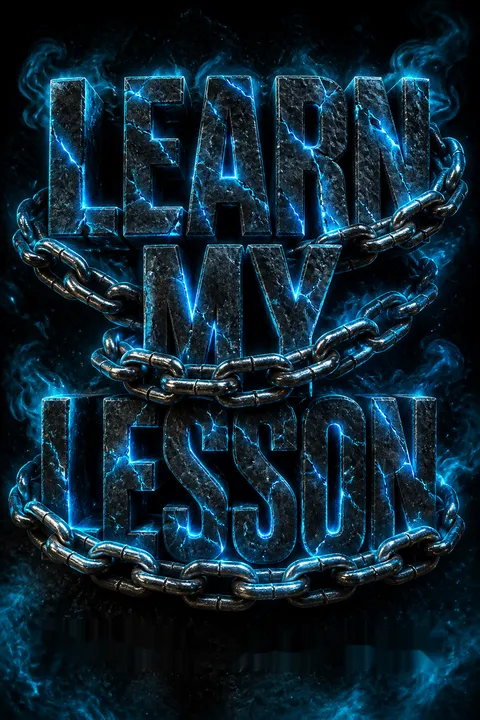

Plot Summary
Bargains and Broken Trust
Meg, once betrayed by a lover, is now the right hand of Hades, ruler of Carver City's infamous Underworld club. Their relationship, once passionate and equal, has grown cold and transactional, marked by power games and emotional distance. Hades proposes a new game: Meg must seduce a stranger—Hercules, a naive waiter. Though Meg resents being used as a pawn, she cannot resist the thrill or Hades's command. The cracks in their partnership widen, exposing old wounds and the cost of loyalty when love is tangled with ownership and submission.
The Waiter's Temptation
Hercules, struggling to survive after leaving his powerful family, is drawn into Meg's orbit. She seduces him under Hades's orders, but their chemistry is genuine and electric. Hercules, kind and eager to please, is both overwhelmed and captivated by Meg's confidence and sexuality. Their encounter is raw and transformative, leaving Hercules questioning his own desires and the boundaries of consent. The night ends with Hades claiming Meg, reinforcing his dominance and setting the stage for a dangerous triangle.
Seduction and Submission
Meg and Hercules's night together is intense, blending dominance, submission, and unexpected vulnerability. Meg finds herself seduced by Hercules's earnestness, while Hercules is awakened to a world of pleasure and pain he never imagined. Hades's presence looms, orchestrating events from the shadows. The encounter leaves all three changed: Meg is shaken by her own longing, Hercules is marked by submission, and Hades is both jealous and intrigued by the new dynamic. The emotional stakes rise as pleasure becomes a weapon and a balm.
Hades's Game Revealed
Hades confronts Meg and Hercules, revealing that their encounter was never random. He delights in controlling both, using jealousy and power to bind them closer. Hercules, horrified by the revelation, tries to save Meg, believing she is trapped. Hades, ever the puppet master, accepts Hercules's impulsive offer: he will trade himself for Meg's freedom. The deal is struck, but Meg is furious—her agency ignored, her desires misunderstood. The triangle is now a web of bargains, misunderstandings, and simmering need.
The Hero's Sacrifice
Hercules, believing he is saving Meg, bargains himself into Hades's service. He is quickly initiated into the Underworld's world of BDSM, submission, and surveillance. Meg is both touched and infuriated by his sacrifice, seeing it as another man deciding her fate. Hades, meanwhile, is pleased—his plan to use Hercules as both a tool for revenge and a salve for his relationship with Meg is unfolding. The emotional tension between all three intensifies, as each struggles with their own motives and the consequences of their choices.
New Deals, New Chains
Hercules is trained by Tink and the Underworld staff, learning the intricacies of submission and the club's politics. He is both fascinated and unsettled by the environment, especially as he realizes his role is more than sexual—he is a pawn in Hades's larger game. Meg, forced to work with Hercules, is torn between attraction and resentment. Hades's manipulations continue, deepening the triangle's complexity. The Underworld's hierarchy and rituals become both a prison and a path to self-discovery for Hercules.
Jealousy and Power Plays
Meg confronts Hades about his true intentions, feeling replaced and discarded. Hades insists that Hercules is a gift—a peace offering to heal their fractured bond. Yet, jealousy and insecurity fester. Hercules, caught between them, tries to bridge the gap but only deepens the rift. The trio's interactions become a battleground of dominance, submission, and emotional vulnerability. Each must confront their own fears: of abandonment, of inadequacy, and of losing control.
Lessons in Obedience
Hades and Meg begin Hercules's formal training, using scenes of dominance and submission to break down his defenses and reshape his identity. Meg and Hades alternate roles, teaching Hercules the pleasures and pains of obedience. Through public and private scenes, Hercules learns to trust, to surrender, and to find power in vulnerability. The process is both erotic and cathartic, forging new bonds between the three. Yet, the lessons are not just for Hercules—Meg and Hades are forced to confront their own desires and the limits of their control.
Watching and Wanting
The trio's dynamic evolves as they explore exhibitionism and public play. Scenes of pain and pleasure are performed for an audience, blurring the lines between performance and reality. Meg, once the seducer, finds herself exposed and vulnerable. Hercules, once the outsider, becomes the center of attention. Hades, orchestrating it all, is both master and participant, his own desires laid bare. The emotional stakes escalate as jealousy, longing, and the need for validation threaten to unravel their fragile connection.
Pain, Pleasure, and Punishment
Hades punishes Meg and Hercules for breaking his rules, using pain as both discipline and intimacy. The scenes are intense, pushing boundaries and revealing hidden truths. Meg finds catharsis in submission, Hercules in service, and Hades in control. Yet, the punishments are not just physical—they are emotional reckonings, forcing each to confront the ways they have hurt and been hurt. Aftercare becomes a moment of genuine connection, a chance to heal and reaffirm their commitment.
Boundaries and Betrayals
The truth about Hades's past and his vendetta against Zeus, Hercules's father, comes to light. Meg feels betrayed by being kept in the dark, while Hercules is forced to confront his own family's sins. Hades's plan—to use Hercules as leverage against Zeus—puts all three at risk. The revelation fractures their trust, as each must decide whether love can survive manipulation and betrayal. The threat of outside danger looms, forcing them to choose between revenge and loyalty.
Aftercare and Aftermath
In the aftermath of punishment and revelation, the trio must rebuild trust. Meg, wounded by secrets, seeks comfort in Hercules's arms. Hades, haunted by loss, struggles to open up. Hercules, caught between two worlds, must decide where his loyalty lies. Through vulnerability and honest conversation, they begin to forge a new path—one built on mutual respect, communication, and the willingness to fight for each other. The emotional wounds are deep, but the possibility of healing emerges.
Old Wounds, New Plans
Hades's vendetta against Zeus comes to a head as he uses Hercules as bait. The Underworld braces for retaliation, with security tightened and alliances tested. Meg and Hercules, now fully committed to each other and to Hades, prepare for the coming storm. The trio's relationship, once fractured, is now a source of strength. Yet, the past is never far behind, and old wounds threaten to reopen as the stakes rise. The choice between love and vengeance becomes ever more urgent.
The Truth About Revenge
Zeus abducts Meg, using her as leverage against Hades and Hercules. The rescue mission forces all three to confront their deepest fears and the true cost of revenge. Hades must choose between killing Zeus and saving Meg, while Hercules faces the reality of his father's cruelty. Meg, caught in the crossfire, proves her own strength and agency. The confrontation is brutal and cathartic, ending with a choice for love over vengeance. The cycle of pain is broken, but not without scars.
Three Hearts, One Choice
In the aftermath of the rescue, the trio must decide what kind of future they want. Hades, Meg, and Hercules each confess their love, forging a new bargain: a triad built on equality, trust, and mutual devotion. The past cannot be erased, but it can be transformed. Together, they choose to move forward—not as master and servants, but as partners. The Underworld becomes not just a place of power, but a home.
Security and Sacrifice
With Zeus banished from Carver City, the Underworld's security is reinforced. Allecto and her team ensure that no threat can breach their sanctuary. Meg, Hades, and Hercules learn to rely on each other, sharing burdens and responsibilities. The club thrives, but the real victory is in their newfound unity. Sacrifice is no longer a solitary act, but a shared commitment. Together, they are stronger than any enemy.
The Abduction
Meg's kidnapping by Zeus is the ultimate test for the triad. Each must confront their own limitations and the lengths they will go to for each other. The rescue is a crucible, burning away doubt and forging an unbreakable bond. In the face of violence and betrayal, love proves to be the greatest weapon. The aftermath is bittersweet, but the promise of a future together endures.
Rescue and Reckoning
The final confrontation with Zeus leaves the trio changed but unbroken. Meg's wounds are tended, and the emotional scars begin to heal. Hades, once consumed by revenge, chooses love and partnership. Hercules, once lost, finds purpose and belonging. Meg, once used and discarded, claims her place as queen of the Underworld. Together, they seal a new bargain—one of mutual respect, desire, and unwavering loyalty. The story ends not with a happily ever after, but with the promise of a future built on hard-won trust and love.
Analysis
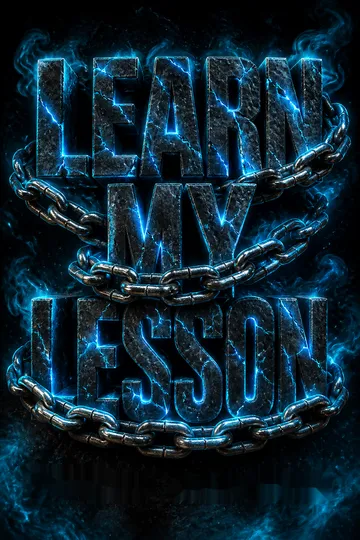
Learn My Lesson is a dark, erotic reimagining of the Hades and Hercules myths, set in a contemporary world where power, pain, and pleasure are inextricably linked. At its core, the novel is a meditation on agency—how we lose it, reclaim it, and negotiate it with others. Through the lens of BDSM and polyamory, Katee Robert explores the complexities of love, trust, and revenge. The story subverts traditional romance tropes by centering a triad, refusing to privilege one relationship over another, and insisting that true healing requires vulnerability from all parties. The characters' journeys are marked by trauma, betrayal, and the struggle to communicate, but also by moments of genuine connection and joy. The novel's ultimate message is that love is not about ownership or sacrifice, but about choosing—again and again—to trust, to forgive, and to build something new from the ashes of the past. In a world where deals and bargains are currency, the only true victory is found in mutual respect and the courage to be seen.
Review Summary
Learn My Lesson receives mixed reviews, averaging 3.69/5. Many praise its bold, queer polyamorous dynamic between Hades, Meg, and Hercules, calling it hot, emotionally layered, and surprisingly tender. Fans of MMF romance and BDSM enjoy the kinky reimagining of the Disney Hercules story. Critics note the plot is thin, the ending rushed, and the balance tips heavily toward explicit content over storytelling. Hades divides readers — some find him compelling, others boring. Overall, it satisfies erotica fans seeking spicy, unconventional romance, though those wanting deeper plot may feel underwhelmed.
People Also Read




Characters
Meg
Meg is the emotional and psychological heart of the story—a woman forged in betrayal, who rises from the ashes to become Hades's right hand and queen of the Underworld. Her journey is one of reclaiming agency: once traded away by a lover, she learns to wield power, both as a dominant and a submissive. Her relationship with Hades is complex, marked by love, resentment, and a desperate need for connection. With Hercules, she finds vulnerability and hope, but also the risk of being hurt again. Meg's arc is about learning to trust, to demand respect, and to choose love without losing herself.
Hades
Hades is the enigmatic ruler of Carver City's Underworld, a man whose power is matched only by his emotional isolation. Haunted by the loss of his first family and driven by a vendetta against Zeus, he uses manipulation and control to keep others at arm's length. His relationship with Meg is both a source of strength and a site of pain—he loves her deeply but struggles to communicate or relinquish control. Hercules's arrival forces Hades to confront his own vulnerabilities and the possibility of healing. Ultimately, Hades's arc is about choosing love over revenge and learning to share power.
Hercules
Hercules is the outsider drawn into the Underworld's web—a man fleeing his own family's corruption, desperate to do good but haunted by guilt. His earnestness and kindness are both his greatest strengths and vulnerabilities. Through submission, he discovers a new kind of power and belonging. His willingness to sacrifice himself for Meg is both misguided and noble, forcing all three to confront the meaning of agency and consent. Hercules becomes the glue that binds Meg and Hades, offering hope, honesty, and a chance at redemption.
Tink
Tink is Meg's assistant and a fellow deal-bound member of the Underworld. Her sharp wit and resilience mask deep wounds from her own past. She provides comic relief, practical support, and a mirror for Meg's struggles with agency and freedom. Tink's subplot—her own quest for liberation—parallels Meg's journey and highlights the costs and complexities of Hades's bargains.
Allecto
Allecto runs security for the Underworld, embodying strength, loyalty, and a fierce sense of justice. She is a stabilizing force, ensuring the safety of the club and its people. Her presence underscores the theme of chosen family and the importance of trust in a world built on deals and danger.
Zeus
Zeus is the unseen antagonist whose actions shape the lives of all three protagonists. His cruelty, ambition, and disregard for others drive Hades's quest for revenge and Hercules's flight from Olympus. As a symbol of patriarchal power and generational trauma, Zeus's eventual defeat is both personal and political—a rejection of the old order in favor of something new.
Aurora
Aurora is a submissive at the Underworld, beloved by Meg and valued by Hades. Her kidnapping by Zeus is the catalyst for Meg's own abduction and the final confrontation. Aurora represents the vulnerability of those caught in the crossfire of power games, and her rescue is a reminder of the stakes involved.
Jasmine
Jasmine is a powerful figure in Carver City, a friend and occasional lover to Meg. Her presence highlights the network of alliances and rivalries that define the Underworld's world. Jasmine's own struggles with power and autonomy mirror Meg's, reinforcing the story's themes of agency and survival.
Hook
Hook is a dominant and a potential threat, representing the dangers and allure of the Underworld's darker edges. His interactions with Tink and the others add tension and complexity to the club's social dynamics.
Dr. Miranda
Dr. Miranda is the Underworld's physician, providing medical care and a dose of pragmatism. His presence grounds the story, reminding the characters—and readers—of the physical consequences of their choices.
Plot Devices
Power Dynamics and Consent
The story's central plot device is the negotiation of power—sexual, emotional, and political. Consent is both explicit (safe words, contracts) and implicit (emotional boundaries, trust). The shifting dynamics between dominance and submission mirror the characters' internal struggles for agency and connection. Bargains, both literal and metaphorical, drive the plot and force characters to confront the costs of love, loyalty, and revenge.
Triadic Relationship Structure
The narrative structure subverts the traditional love triangle by evolving into a true triad, where all three characters are equally invested and transformed. Scenes alternate between different pairings and groupings, exploring the unique chemistry and challenges of each. The triad becomes a metaphor for healing—each character brings something the others lack, and only together can they find wholeness.
Revenge as Motivation
Hades's vendetta against Zeus is the engine of the plot, shaping every decision and relationship. The desire for revenge is both destructive and redemptive, forcing characters to choose between perpetuating cycles of pain or forging a new path. The eventual rejection of revenge in favor of love is the story's emotional climax.
Public and Private Performance
The Underworld's public scenes serve as both spectacle and crucible, exposing characters' desires and fears. Voyeurism, exhibitionism, and public punishment are used to explore themes of shame, validation, and the need to be seen. The contrast between public performance and private intimacy highlights the risks and rewards of vulnerability.
Foreshadowing and Parallelism
The narrative uses foreshadowing (Meg's initial bargain, Hades's lost family, Hercules's guilt) and parallelism (Tink's subplot, Aurora's rescue) to reinforce its themes. The characters' journeys mirror and intersect, creating a sense of inevitability and resonance. The past is never truly past—it shapes the present and must be confronted for healing to occur.
Wicked Villains Series Series
About the Author

Download PDF
Download EPUB
.epub digital book format is ideal for reading ebooks on phones, tablets, and e-readers.








































