
Plot Summary
Sisters Divided by Love
Selva and Sabiha, daughters of a prominent Istanbul family, are inseparable in childhood but diverge as adults. Sabiha, the elder, is beautiful, traditional, and marries Macit, a rising Turkish diplomat. Selva, the younger, is intellectual, idealistic, and falls in love with Rafo, a Jewish man. Their bond is tested when Selva's love defies family and societal expectations. The sisters' relationship, once a source of comfort, becomes fraught with jealousy, guilt, and longing. Sabiha's internalized rivalry and Selva's stubborn pursuit of happiness set the stage for a family rupture that echoes through the years, shaping both women's destinies as the world around them grows increasingly unstable.
Forbidden Marriage, Family Rift
Selva's decision to marry Rafo, despite her father's vehement opposition, fractures the family. The wedding is a quiet affair, attended only by a few friends, and followed by Selva and Rafo's departure for Paris. Her father, Fazıl Reşat Paşa, is devastated, feeling betrayed by the daughter he raised to be modern yet loyal. Sabiha, complicit in the family's attempts to dissuade Selva, is left with guilt and regret. The family's pain is compounded by the social stigma of interfaith marriage, and Selva's exile becomes a wound that festers in the hearts of those left behind. The sisters' correspondence becomes their only tenuous link, as Selva's new life in France grows increasingly precarious.
Shadows Over Istanbul
As World War II engulfs Europe, Istanbul and Ankara are gripped by anxiety. The Turkish government, led by President Inönü, walks a diplomatic tightrope, striving to maintain neutrality amid pressure from both Axis and Allied powers. Rationing, black markets, and fear of invasion become daily realities. Sabiha, now a diplomat's wife in Ankara, feels isolated and restless, her marriage strained by Macit's long hours and emotional distance. The city's social life is overshadowed by rumors, political intrigue, and the ever-present threat of war. The fate of Turkish Jews abroad, including Selva and Rafo, becomes a source of private dread for Sabiha, who feels powerless to help her sister.
War's Looming Threat
In occupied France, Selva and Rafo's life is marked by fear and uncertainty. Anti-Jewish laws, roundups, and the collaborationist Vichy regime make survival increasingly difficult. Rafo's status as a Turkish citizen offers some protection, but their future is precarious. Selva's letters home become more desperate, and the couple's decision not to circumcise their son, Fazıl, is a painful concession to safety. The couple's love is tested by poverty, isolation, and the constant threat of arrest. Selva's longing for her family and homeland intensifies, even as she clings to her new identity and the hope that Turkey's neutrality might one day save them.
Exile in Marseilles
Settling in Marseilles, Selva and Rafo try to build a life amid chaos. Rafo works in a pharmacy, while Selva gives lessons to local children. The city is a crossroads for refugees, spies, and collaborators. The Turkish consulate becomes a beacon of hope for Jews seeking protection, but the lines outside grow longer as the Nazis tighten their grip. Selva's friendships with other exiles, including Camilla and her children, deepen her sense of solidarity and responsibility. She risks her own safety to help others, teaching Turkish to those hoping to escape on the "last train." The couple's resilience is tested daily, but their love and determination endure.
Ankara's Political Tightrope
In Ankara, Macit and his colleagues in the foreign ministry work tirelessly to keep Turkey out of the war. Diplomatic negotiations with Britain, Germany, and Russia are fraught with peril. President Inönü's strategy is to buy time, hedging bets while avoiding provocation. The government's efforts to protect Turkish Jews abroad are complicated by international pressure and the need to maintain neutrality. Sabiha, meanwhile, struggles with depression and guilt over her sister's fate. The family's internal tensions mirror the nation's precarious position, as personal and political anxieties intertwine.
Letters Across Borders
Letters become lifelines between separated loved ones. Selva's daily missives to Sabiha are filled with longing, fear, and news of survival. Sabiha's responses are cautious, shaped by censorship and the need for discretion. The sisters' correspondence is a testament to their enduring bond, even as misunderstandings and old resentments linger. Letters from home bring comfort and pain, reminding Selva of what she has lost and what she still hopes to regain. The written word becomes a fragile bridge across continents and war zones, sustaining hope in the darkest times.
Turkish Diplomats' Dilemma
Turkish diplomats in France, including Tarık and Nazım, are confronted with agonizing choices. They must balance official policy, personal conscience, and the lives of those seeking refuge. The consulates become sanctuaries for Turkish Jews and, at times, for others who can pass as Turkish. Issuing passports, forging documents, and negotiating with German and Vichy authorities require courage and ingenuity. The diplomats' actions, sometimes bending or breaking the rules, save hundreds from deportation and death. Their efforts are both heroic and fraught with danger, as they navigate the shifting sands of war and diplomacy.
The Consulate's Lifeline
As the situation for Jews in France deteriorates, the Turkish consulate in Marseilles emerges as a lifeline. Selva, Rafo, and many others rely on the consulate's protection, which is only as strong as Turkey's diplomatic standing. Consul Nazım Kender and his staff work tirelessly to extend passports, intervene with authorities, and organize escape routes. The consulate's power is limited, and every success is hard-won. The story of the "last train" begins to take shape, as plans are made to evacuate Turkish Jews and others under Turkish protection to safety. The consulate's role is a testament to the impact of individual courage within the machinery of state.
Train of Hope
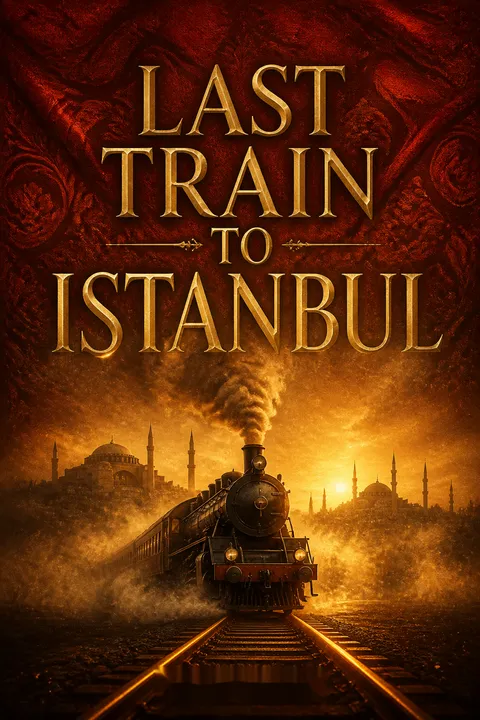
The "last train to Istanbul" is assembled—a single carriage attached to a German train, carrying Turkish Jews and others with forged or hastily issued passports. The journey is fraught with danger: identity checks, the threat of betrayal, and the constant risk of discovery. Passengers include Selva, Rafo, their son, and a motley group of refugees, each with their own story of loss and hope. The train's route through Berlin is a calculated risk, relying on the audacity of passing through the heart of the Nazi regime. The journey is a crucible, forging bonds among strangers and testing the limits of endurance and faith.
Passports and Peril
On the train, the difference between life and death is often a matter of paperwork. Passports, real and forged, are scrutinized at every border. The passengers rehearse Turkish phrases, adopt new names, and cling to their fragile identities. The threat of exposure is ever-present, and the group must rely on quick thinking, solidarity, and luck. The journey is punctuated by moments of terror—searches, interrogations, and the ever-present possibility of betrayal. Yet, amid the fear, there are also moments of kindness, humor, and unexpected grace.
The Berlin Gamble
The decision to route the train through Berlin is both brilliant and perilous. The logic is that no one would expect a carriage full of Jews to pass through the Nazi capital. Turkish diplomats coordinate with their embassy in Berlin to ensure safe passage, but the risk of discovery is immense. The passengers endure sleepless nights, tense inspections, and the constant fear of being unmasked. The gamble pays off, but not without cost—trauma, loss, and the indelible mark of survival. The Berlin episode becomes a symbol of both the absurdity and the audacity of survival in wartime, exemplifying foreshadowing and irony.
Love, Loss, and Survival
Amid the chaos, love and loss are ever-present. Sabiha and Macit's marriage is strained by distance, guilt, and the burdens of duty. Selva and Rafo's relationship is tested by exile, fear, and the demands of parenthood. Friendships are forged and broken on the train, as passengers share stories, secrets, and dreams. The trauma of war leaves scars—psychological, emotional, and physical. Yet, the capacity for love, forgiveness, and resilience endures. The survivors are changed, but not defeated, by what they have endured.
Music in the Darkness
On the train, music becomes a source of comfort and connection. An elderly violinist, Asseo, plays for his fellow passengers, transforming the cramped carriage into a sanctuary of beauty and hope. The music evokes memories of home, lost loved ones, and better times. It also serves as a reminder of what is at stake—the preservation of culture, dignity, and humanity in the face of barbarism. Asseo's final performance, before his death on the train, is a poignant testament to the enduring power of art and the bonds that unite even the most disparate travelers.
Homecoming and Forgiveness
The train finally arrives in Istanbul, greeted by crowds, family, and the bittersweet joy of survival. Selva is reunited with her mother and sister, but the absence of her father is a painful reminder of old wounds. The survivors disembark, each facing an uncertain future in a changed world. Some will stay in Turkey, others will move on to Palestine or America. The journey has left its mark on all, but the possibility of healing and forgiveness remains. The family's reunion is tentative, but the hope for reconciliation endures.
The Price of Neutrality
Turkey's neutrality during World War II is both a shield and a source of moral ambiguity. The government's refusal to take sides allows it to protect its citizens abroad, but also requires compromises and difficult choices. The diplomats' actions, while heroic, are constrained by political realities. The story raises questions about the responsibilities of neutral nations, the limits of state power, and the role of individual conscience. The price of survival is high, and not all debts can be repaid.
Healing Old Wounds
In the aftermath of the journey, the characters begin to confront the traumas of war and exile. Sabiha seeks therapy to address her guilt and depression, while Macit reflects on the cost of his devotion to duty. Selva and Rafo attempt to rebuild their lives in Istanbul, navigating the challenges of reintegration and the lingering effects of loss. The family's wounds are slow to heal, but the process of reconciliation has begun. The story ends on a note of cautious optimism, as the survivors look to the future with hope and determination.
The Last Embrace
The novel concludes with scenes of reunion, remembrance, and quiet triumph. The survivors of the "last train" gather in Istanbul, honoring those who did not make it and celebrating the bonds that sustained them. The story is a tribute to the resilience of the human spirit, the power of love and solidarity, and the enduring hope for a better world. The final embrace between Selva and her family is both an ending and a beginning—a testament to the possibility of healing, forgiveness, and renewal after unimaginable loss.
Analysis
A modern reflection on courage, identity, and the cost of neutralityLast Train to Istanbul is a powerful meditation on the intersections of love, duty, and survival in a world torn apart by war and prejudice. Through its dual narrative, the novel explores the personal and political consequences of choices made under extreme pressure—whether to defy family for love, to risk one's career for conscience, or to maintain neutrality in the face of evil. The story honors the unsung heroes—diplomats, resisters, and ordinary people—whose small acts of courage saved lives. It also confronts the psychological toll of trauma, exile, and guilt, offering a nuanced portrayal of healing and reconciliation. The train journey, with its blend of suspense, solidarity, and transformation, serves as a microcosm of the era's moral complexities. Ultimately, the novel affirms the enduring power of hope, art, and human connection, reminding readers that even in the darkest times, compassion and resilience can prevail. The lessons of Last Train to Istanbul resonate today, urging vigilance against intolerance and the importance of standing up for the vulnerable, even when the cost is high.
Review Summary
Reviews for Last Train to Istanbul are mixed, averaging 3.88/5. Many praise the fascinating historical perspective on Turkey's role in WWII and its efforts to rescue Jews from Nazi-occupied France. The compelling premise and unique storyline are widely appreciated. However, common criticisms include poor translation from Turkish, flat characterization, excessive characters, slow pacing, and lack of suspense. Several readers noted the Istanbul sections drag, while the train journey sections are more engaging. Some felt the portrayal of Jews as helpless was problematic.
Characters
Selva Kırımlı Alfandari
Selva is the younger daughter of an elite Istanbul family, marked by her intelligence, independence, and deep sense of justice. Her love for Rafo, a Jewish man, leads her to defy her family and society, resulting in exile and estrangement. In France, Selva's resilience is tested by poverty, fear, and the constant threat of persecution. She is fiercely protective of her husband and son, yet cannot abandon her sense of responsibility to others, risking her own safety to help fellow refugees. Selva's journey is one of self-discovery, sacrifice, and the enduring power of love. Her longing for reconciliation with her family, especially her father, is a central emotional thread, and her capacity for forgiveness and hope sustains her through the darkest times.
Sabiha Kırımlı Devres
Sabiha, Selva's elder sister, embodies the contradictions of modern Turkish womanhood—educated, cultured, yet bound by tradition and expectation. Her marriage to Macit, a diplomat, offers security but also emotional distance. Sabiha is haunted by guilt over her role in Selva's exile and struggles with depression, jealousy, and a sense of inadequacy as a wife and mother. Her journey toward healing involves confronting her own flaws, seeking therapy, and ultimately finding the courage to forgive herself and reach out to her sister. Sabiha's psychological complexity adds depth to the family drama, and her gradual transformation is a testament to the possibility of growth and redemption.
Rafo Alfandari
Rafo is a Turkish Jew whose love for Selva compels him to leave behind family, status, and homeland. In France, he faces discrimination, danger, and the erosion of his identity. Rafo's pragmatism and caution often clash with Selva's idealism, but his devotion to his family is unwavering. He is haunted by the loss of community and the fear of being unable to protect his loved ones. Rafo's journey is one of survival, adaptation, and the search for belonging. His relationship with Selva is both a source of strength and a site of tension, reflecting the broader challenges of interfaith and intercultural unions in a time of crisis.
Macit Devres
Macit is a rising star in the Turkish foreign ministry, committed to his country's neutrality and the protection of its citizens abroad. His work is all-consuming, leaving little time or emotional energy for his wife and daughter. Macit's sense of responsibility is both a virtue and a burden, leading to estrangement at home and moral dilemmas at work. He is proud of his role in keeping Turkey out of the war and in aiding Turkish Jews, but is also aware of the compromises and costs involved. Macit's psychological journey involves reconciling his public and private selves, learning to express vulnerability, and seeking forgiveness for his emotional absence.
Fazıl Reşat Paşa
Selva and Sabiha's father is a retired Ottoman officer, embodying the values and contradictions of a fading era. He is progressive in some ways, advocating for his daughters' education, yet rigid in his adherence to tradition and family honor. His refusal to accept Selva's marriage to Rafo is both a personal and generational tragedy, leading to estrangement and regret. Fazıl's pride masks deep pain, and his eventual gestures of concern and support for Selva's return hint at the possibility of reconciliation. His character reflects the broader tensions of Turkish society in transition.
Leman Hanım
Leman is the matriarch of the Kırımlı family, caught between her husband's rigidity and her daughters' desires. She is nurturing, pragmatic, and often the emotional glue holding the family together. Leman's health suffers under the strain of family conflict, and her attempts to mediate are often unsuccessful. She supports Selva in secret, sending money and encouragement, but is unable to bridge the gap between father and daughter. Leman's quiet strength and enduring love are a source of comfort for her children, even as she bears her own burdens in silence.
Tarık Arıca
Tarık is a young Turkish diplomat posted to Paris, whose linguistic limitations are offset by his intelligence, integrity, and compassion. He becomes a confidant to Sabiha and a crucial ally to Selva and Rafo. Tarık's work at the consulate involves navigating bureaucratic obstacles, moral dilemmas, and personal risk to save lives. He is introspective, sensitive, and harbors unspoken feelings for Sabiha. Tarık's psychological journey is one of self-discovery, as he learns to balance duty with empathy and to find meaning in small acts of courage.
Nazım Kender
Nazım is the Turkish consul in Marseilles, whose quick thinking and moral clarity save dozens of lives. He is decisive, unflappable, and willing to bend rules for the sake of humanity. Nazım's actions—boarding the train to rescue Turkish Jews, negotiating with German officers, and extending protection to the vulnerable—are emblematic of the best traditions of diplomacy. He is also aware of the limits of his power and the dangers of his position. Nazım's character is a tribute to the unsung heroes of history, whose quiet bravery makes survival possible for others.
Margot Palley
Margot is a Hungarian Jewish refugee who becomes close to Selva and Tarık. She is intelligent, resourceful, and adept at navigating the dangers of wartime Europe. Margot's relationship with Tarık is marked by mutual attraction, cultural barriers, and the impossibility of a future together. Her journey on the train is both a flight from danger and a search for home. Margot's adaptability and emotional intelligence make her a survivor, but her longing for connection and stability is a poignant reminder of what war takes away.
Ferit Saylan
Ferit is a Turkish academic and member of the French Resistance, whose apartment becomes a haven for refugees awaiting the train. He is bold, resourceful, and willing to risk everything for the cause of justice. Ferit's leadership on the train, his coordination with diplomats, and his personal sacrifices exemplify the spirit of resistance. His relationship with his pregnant wife, Evelyn, adds emotional depth to his character, highlighting the personal costs of heroism. Ferit's psychological journey is one of balancing idealism with pragmatism, and of finding meaning in solidarity and action.
Plot Devices
Dual Narrative Structure
The novel employs a dual narrative, alternating between the personal dramas of the Kırımlı family in Turkey and the perilous journey of Selva and Rafo in France. This structure allows for a rich exploration of both intimate psychological conflicts and the broader historical context. The interplay between private and public spheres, past and present, creates a tapestry of interconnected lives shaped by love, loss, and the forces of history.
Letters and Communication
Letters serve as a vital plot device, conveying information, sustaining relationships, and exposing the inner lives of characters. The correspondence between Selva and Sabiha, as well as official communications among diplomats, drives the plot forward and deepens the emotional resonance. The fragility and delay of wartime communication heighten tension and underscore the themes of longing and uncertainty.
The Train as Microcosm
The "last train to Istanbul" functions as both a literal means of escape and a metaphorical crucible. The confined space of the carriage brings together a diverse group of refugees, forcing them to confront their differences and find common ground. The train's passage through hostile territory, especially Berlin, heightens suspense and serves as a test of courage, solidarity, and identity. The journey is transformative, leaving no one unchanged.
Foreshadowing and Irony
The novel is rich in foreshadowing—ominous news reports, rumors, and small incidents presage larger crises. Irony abounds, as the very measures meant to ensure safety (passports, neutrality) become sources of peril or moral ambiguity. The decision to route the train through Berlin, the heart of the Nazi regime, is both audacious and deeply ironic, highlighting the absurdities and unpredictability of survival in wartime.
Music and Art as Consolation
Music, particularly the violin performances on the train, serves as a recurring motif and plot device. It provides comfort, fosters connection, and asserts the enduring value of culture and beauty in the face of barbarism. The arts become a means of resistance, remembrance, and healing, offering moments of transcendence amid suffering.
Psychological Realism
The novel delves into the psychological complexities of its characters, particularly Sabiha's guilt and depression, Selva's longing and resilience, and the diplomats' moral dilemmas. Therapy sessions, introspective passages, and confessional letters provide insight into the characters' inner worlds. The process of healing—personal and collective—is depicted as gradual, painful, and ultimately possible.
Download PDF
Download EPUB
.epub digital book format is ideal for reading ebooks on phones, tablets, and e-readers.








































