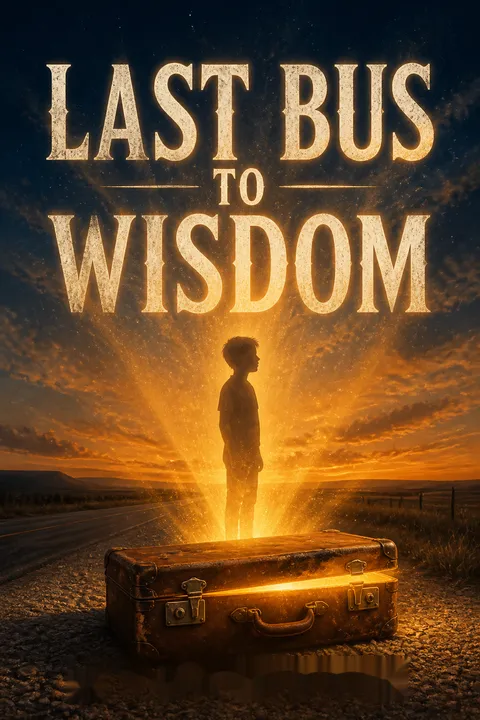

Plot Summary
Dog Bus Departure
Donal Cameron, an eleven-year-old orphan, is sent away from his Montana home when his beloved Gram must undergo surgery. With only a battered suitcase, a head full of stories, and a round-trip bus ticket, Donal boards the "dog bus" (Greyhound) for a summer with distant relatives in Wisconsin. The world feels impossibly large and strange, and Donal's heart aches with the uncertainty of leaving the only home he's known. As the bus pulls away, he's thrust into a journey that will test his resilience, imagination, and capacity for hope, setting the stage for a summer that will change him forever.
Gram's Hard Goodbye
Donal's Gram, Dorie, is the anchor of his world, but illness forces her to send him away. Their goodbye is raw with emotion—Gram's stoic love and Donal's desperate wish to stay. Packing his suitcase with care, Gram tries to reassure him, but both know this separation could be permanent. Donal's fear of the unknown is matched only by his fear of losing Gram. The memory of his parents' deaths and the threat of the poorfarm haunt him, making this departure feel like the end of his childhood. Yet, tucked in his pocket is a round-trip ticket—a fragile promise of return.
Imagination on the Road
Alone among strangers, Donal's imagination becomes his armor. He invents tales about his father working at Reader's Digest, spins stories for curious seatmates, and clings to his autograph book as a way to collect pieces of the world. The bus ride is a tour of his memories and fears, from the poorfarm to the ranch, and every mile is a reckoning with what he's leaving behind. The landscape blurs with his inner turmoil, but Donal's quick wit and storytelling help him navigate the awkwardness and loneliness of travel, hinting at the resilience that will carry him through the summer.
Autograph Book Adventures
Donal's autograph book is more than a keepsake—it's his way of making sense of the world and finding belonging. He gathers signatures and sayings from everyone he meets: soldiers bound for Korea, a talkative waitress named Letty, and even a sheriff escorting a prisoner. Each inscription is a fragment of wisdom, humor, or hope, and Donal treasures them as proof that he matters. The book becomes a symbol of his quest for recognition and understanding, a tangible record of his journey and the people who shape it, even as he struggles with the ache of being a stray in the world.
Soldiers, Stories, and Letty
On the bus, Donal meets three soldiers headed for Korea, their banter masking fear and uncertainty. He spins stories to impress them, and their camaraderie offers a fleeting sense of belonging. Then there's Letty, a sharp-tongued, kind-hearted waitress who sees through Donal's bravado and gives him his first real kiss—a moment of tenderness and awakening. These encounters, both comic and poignant, teach Donal about courage, longing, and the bittersweet nature of goodbyes. Each person leaves a mark on his heart and in his autograph book, deepening his understanding of the world's complexity.
Green Stamps and Goodbyes
Donal's journey is punctuated by small rituals—collecting S&H Green Stamps, navigating bus stops, and managing his meager money. These details ground him amid the chaos of travel and the uncertainty of his future. The stamps, meant to be traded for prizes, become a metaphor for the bargains and exchanges of life. Along the way, Donal faces moments of vulnerability—almost losing his suitcase to a thief, missing his bus in Minneapolis, and relying on the kindness of strangers to catch up. Each challenge is a lesson in resourcefulness, humility, and the unpredictable nature of luck.
Aunt Kate's Not Kate Smith
Arriving in Manitowoc, Donal expects a warm welcome from his Aunt Kate, whom he imagines as the famous singer Kate Smith. Instead, he finds a large, bossy woman with little patience for boys or imagination. Her husband, Herman, is an odd, gentle soul with a mysterious past. The household is ruled by routines, canasta games, and unspoken tensions. Donal's dreams of adventure are quickly dashed by chores, boredom, and Aunt Kate's sharp tongue. Yet, beneath the surface, he senses that everyone here is carrying their own disappointments and secrets.
Manitowoc Misfits
Life with Aunt Kate and Herman is a daily negotiation. Aunt Kate is controlling and dismissive, while Herman retreats to his greenhouse, tending plants and reading German westerns. Donal struggles to fit in, his energy and curiosity often misunderstood. Money troubles, lost shirts, and misunderstandings pile up, and Donal feels more isolated than ever. Yet, he finds moments of connection with Herman, who shares stories of his past and teaches Donal about resilience and the power of small kindnesses. The household is a patchwork of misfits, each longing for something just out of reach.
Herman the German
Donal discovers that Herman is not just eccentric—he's a German immigrant with a complicated history, including desertion and a glass eye. Their bond deepens as they share secrets and dreams of escape from Aunt Kate's oppressive rule. When Aunt Kate's patience runs out and she decides to send Donal back to Montana, Herman makes a bold choice: he'll run away with Donal, heading west on the bus. Their partnership is forged in desperation and hope, two outsiders clinging to each other as they set out for the unknown, determined to find a place where they belong.
The Great Escape
Donal and Herman's flight from Manitowoc is both comic and harrowing. They dodge suspicion, invent stories to cover their tracks, and rely on each other's wits to survive. Their journey becomes a quest for freedom and self-definition, as they head toward Crow Fair in Montana—a place that promises adventure and a fresh start. Along the way, they encounter a cast of characters: a phony preacher who robs them, a kindly doctor who helps them out, and a parade of fellow travelers, each with their own burdens and wisdom. The road is both perilous and redemptive.
Crow Fair and Consequences
At Crow Fair, Donal and Herman are swept up in the spectacle of Native culture, rodeo, and celebration. Donal, disguised as a fancy dancer, experiences a moment of belonging and exhilaration. But their past catches up with them—Donal's theft of an arrowhead from his old ranch is discovered, and they must flee again. The episode is a turning point, forcing both to confront the consequences of their choices and the limits of running away. The fair is both a high point of wonder and a reminder that freedom always comes with a price.
Yellowstone's Leap of Fate
Broke and desperate, Donal and Herman make their way to Yellowstone, hoping for a miracle. A phony minister robs them of their last money, leaving them stranded. In a moment of ingenuity, Donal seeks help from a doctor whose parents he met on the bus, and they are saved by a small act of generosity. The episode is a lesson in humility, faith, and the unpredictable turns of fate. Yellowstone's geysers and grandeur become a backdrop for their reckoning with the past and their hopes for the future, as they plot their next move.
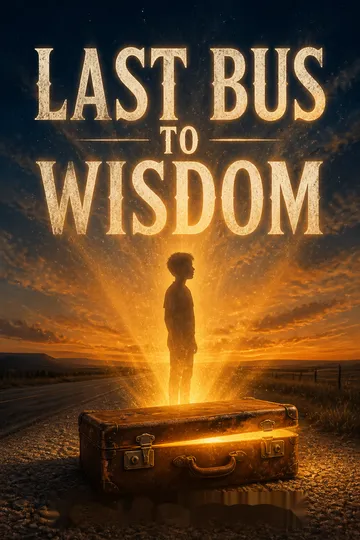
Last Bus to Wisdom
With no money and nowhere to go, Donal and Herman join a band of hoboes on the "last bus to Wisdom," a remote Montana town. Among these drifters, they find a rough camaraderie and a new sense of belonging. Donal becomes "Snag," Herman "One Eye," and together they navigate the codes and challenges of hobo life. The journey is both comic and poignant, as they learn from the resourcefulness, humor, and resilience of men who live on the margins. The bus ride is a passage into a new kind of family and a deeper understanding of what it means to survive.
Hobo Brotherhood
In Wisdom, Donal and Herman are taken in by the hobo "Johnson family," a crew of haymakers who work the fields each summer. The work is grueling, the living rough, but the sense of brotherhood is real. Donal finds pride in driving the stacker team, and Herman becomes the camp's handyman. Together, they earn respect and a place among men who have little but share much. The experience is transformative, teaching Donal about loyalty, dignity, and the value of hard work. For a time, they have found a home among the rootless.
Haymaking in the Big Hole
The haying season in the Big Hole is a crucible for Donal. He proves himself as a worker, earning the respect of the crew and the ranch foreman. The days are long and exhausting, but the sense of accomplishment is profound. Donal's relationship with Herman deepens, and he learns to see the world through the eyes of men who have lost much but still find joy in small victories. The ranch, owned by the legendary Rags Rasmussen, becomes a place of growth and self-discovery. Donal is no longer just a stray—he is part of something larger.
Saturday Night Showdown
Payday brings the crew to town for a night of revelry at the Watering Hole. The festivities quickly turn into a brawl with a rival haying crew, testing the bonds of the Johnson family and the limits of Donal's courage. Amid the chaos, Donal faces the loss of his prized moccasins and the threat of exposure for his and Herman's true identities. The episode is a microcosm of the larger struggles they face—fighting for dignity, loyalty, and a place in the world. The night ends with hard-won respect and a deeper sense of kinship.
Choices and Goodbyes
As haying season ends, Donal learns that Gram has recovered and is ready to welcome him home. The prospect of reunion is bittersweet—he must choose between staying with Herman, who has become his surrogate family, or returning to the grandmother who is his true home. The decision is agonizing, and the goodbye with Herman is raw with emotion. Both know that their time together has changed them, but the world demands that they move on. Donal's journey has brought him full circle, but he is no longer the boy who left Montana at the start of summer.
Full Circle Homecoming
Donal's journey ends where it began, but he is transformed by all he has seen and endured. The lessons of the road—the kindness of strangers, the pain of loss, the power of imagination, and the meaning of family—are now part of him. Reunited with Gram and Letty, Donal faces the future with a new sense of confidence and hope. The autograph book, filled with the words and wisdom of those he met, is a testament to his resilience and the enduring human need for connection. The last bus to Wisdom has delivered him not just to a place, but to a hard-won understanding of himself and the world.
Analysis
Ivan Doig's Last Bus to Wisdom is a luminous coming-of-age novel that explores the meaning of home, family, and self-invention in mid-century America. Through the eyes of Donal Cameron, Doig captures the loneliness, resilience, and wild hope of a boy cast adrift by circumstance but determined to shape his own destiny. The novel is both a love letter to the American West and a meditation on the power of storytelling to heal, connect, and transform. Doig's characters—misfits, drifters, and dreamers—are rendered with humor, empathy, and psychological depth, revealing the dignity and complexity of those who live on the margins. The journey motif is both literal and metaphorical, tracing Donal's passage from innocence to hard-won wisdom. The autograph book, with its patchwork of voices, becomes a symbol of the human need for recognition and belonging. Ultimately, the novel affirms that family is not just a matter of blood, but of choice, loyalty, and shared experience. In a world marked by loss and uncertainty, Doig suggests, it is our capacity for imagination, kindness, and connection that delivers us—again and again—on the last bus to wisdom.
Review Summary
Last Bus to Wisdom is widely praised as a charming, heartwarming coming-of-age story following 11-year-old Donal Cameron's 1951 cross-country Greyhound adventure. Reviewers consistently highlight Doig's gift for storytelling, vivid characters, and evocative period detail. The bond between Donal and "Herman the German" is frequently cited as the novel's emotional core. Many compare it favorably to Huckleberry Finn and The Lincoln Highway. Critics note the plot relies on convenient coincidences and can feel slow-paced. As Doig's final novel, published posthumously, many readers approach it with particular tenderness and appreciation.
People Also Read




Characters
Donal Cameron
Donal is an eleven-year-old orphan whose life is shaped by loss, displacement, and the fierce love of his Gram. Quick-witted and imaginative, he uses storytelling as both shield and bridge, inventing identities and spinning tales to navigate a world that often feels hostile and indifferent. His autograph book is a symbol of his longing for recognition and connection. Over the course of the novel, Donal transforms from a frightened, lonely boy into a resourceful, compassionate young man. His journey is both literal and emotional—a quest for home, family, and self-worth. Donal's relationships—with Gram, Herman, Letty, and the hobo crew—reveal his deep need for acceptance and his capacity for empathy, humor, and growth.
Gram (Dorie Blegen)
Gram is Donal's grandmother and sole guardian after the death of his parents. Tough, practical, and deeply loving, she is the anchor of Donal's world. Her illness and the necessity of sending Donal away are acts of both desperation and hope. Gram's wisdom is homespun but profound, and her sayings echo in Donal's mind throughout his journey. She represents the enduring power of family, memory, and unconditional love. Her recovery and reunion with Donal are the emotional fulcrum of the novel, underscoring the importance of roots and the pain of separation.
Herman Brinker ("Herman the German")
Herman is Aunt Kate's husband, a German immigrant with a complicated past—including desertion, a glass eye, and a life lived on the margins. Eccentric and kind, he becomes Donal's unlikely ally and surrogate grandfather. Their bond is forged in shared misfit status and a mutual need for escape. Herman's greenhouse is his sanctuary, a place of order and growth amid chaos. His decision to run away with Donal is both an act of courage and desperation. Throughout their journey, Herman's wisdom, humor, and vulnerability deepen, revealing a man shaped by loss, regret, and a longing for belonging. His eventual decision to stay behind is an act of love and self-sacrifice.
Aunt Kate (Kitty)
Aunt Kate is Donal's great-aunt, a large, bossy woman who rules her household with an iron will. She is not the nurturing figure Donal hoped for, and their relationship is fraught with misunderstanding and conflict. Beneath her bluster, Aunt Kate is lonely and disappointed by life, clinging to routines and appearances to mask her own wounds. Her inability to connect with Donal or Herman is both comic and tragic, highlighting the ways people can be trapped by their own fears and disappointments.
Letty Minetti
Letty is a waitress Donal meets on the bus, a woman with a sharp tongue, a generous heart, and a complicated love life. She becomes a symbol of possibility and awakening for Donal, giving him his first real kiss and teaching him about courage and longing. Letty's own journey—from Browning to Great Falls to Havre and Glasgow—is marked by resilience and a refusal to be defined by circumstance. Her relationship with Harv and her eventual connection to Gram provide a thread of hope and continuity in Donal's world.
Harv Kinnick
Harv is a gentle giant, a man with a knack for escaping jail and a deep loyalty to those he loves—especially Letty and his step-brother, the sheriff. His quiet strength and sense of justice make him a stabilizing presence in the hobo crew and a role model for Donal. Harv's repeated run-ins with the law are both comic and poignant, highlighting the arbitrary nature of authority and the dignity of those who live on the margins. His eventual decision to face jail on his own terms is an act of agency and love.
Highpockets
Highpockets is the de facto leader of the hobo crew, a man whose authority is earned through experience, fairness, and quiet strength. He looks out for the vulnerable, including Donal and Herman, and enforces the codes of the hobo "Johnson family." Highpockets embodies the dignity and resilience of those who survive by their wits and by looking out for each other. His presence is a stabilizing force in the chaos of hobo life.
Rags Rasmussen
Rags is the world-champion bronc rider and owner of the Diamond Buckle ranch. Charismatic and larger-than-life, he represents the mythic West and the possibility of reinvention. Rags's kindness to Donal and Herman, his willingness to give them a chance, and his wisdom about timing and luck make him a figure of hope and inspiration. He is both a real person and a symbol of the dreams that draw people west.
Smiley
Smiley is the ranch's choreboy, a former rodeo clown whose bitterness and bluster mask vulnerability and disappointment. He is both a source of comic relief and a reminder of the rough edges of ranch life. His theft of Donal's moccasins and his eventual firing are moments of conflict and resolution, highlighting the codes of honor and loyalty that govern the crew.
The Johnson Family (Hobo Crew)
The crew of haymakers—Skeeter, Peerless, Shakespeare, Fingy, Pooch, and others—are a patchwork of drifters, each with their own stories of loss, survival, and hope. Together, they form a makeshift family that offers Donal and Herman a sense of belonging and purpose. Their humor, resourcefulness, and loyalty are hard-won, and their acceptance of Donal is a testament to the power of community among the dispossessed.
Plot Devices
Journey as Transformation
The novel's structure is built around Donal's journey from Montana to Wisconsin and back, with each leg of the trip marking a stage in his emotional development. The bus rides, train stops, and changing landscapes are not just settings but metaphors for Donal's passage from innocence to experience, from dependence to self-reliance. The journey is both external and internal, with each encounter and challenge serving as a catalyst for growth.
Autograph Book as Memory and Identity
Donal's autograph book is a central device, symbolizing his quest for recognition, connection, and meaning. Each inscription is a fragment of advice, humor, or hope, and the book becomes a tangible record of his journey and the people who shape it. The act of collecting signatures is both a way to make sense of the world and a means of asserting his own significance in it.
Storytelling and Imagination
Donal's penchant for storytelling is both a defense mechanism and a tool for navigating the world. He invents identities, spins tales to impress or protect himself, and uses imagination to bridge the gap between who he is and who he wants to be. The novel blurs the line between fact and fiction, suggesting that the stories we tell about ourselves are as important as the facts of our lives.
Found Family and Brotherhood
The theme of found family runs throughout the novel, from Donal's bond with Herman to his acceptance among the hobo crew. The codes of loyalty, honor, and mutual support that govern these makeshift families are contrasted with the failures of biological kin and official institutions. The novel suggests that true belonging is found not in blood or legality, but in shared experience and chosen bonds.
Foreshadowing and Circular Structure
The novel is structured to bring Donal full circle, returning him to Montana transformed by his experiences. Early fears—of the poorfarm, orphanage, and abandonment—are echoed and resolved in the final chapters. The use of foreshadowing, recurring motifs (the bus, the autograph book, the arrowhead), and the return to familiar places and people create a sense of closure and earned wisdom.
Two Medicine Country Series

Download PDF
Download EPUB
.epub digital book format is ideal for reading ebooks on phones, tablets, and e-readers.








































