
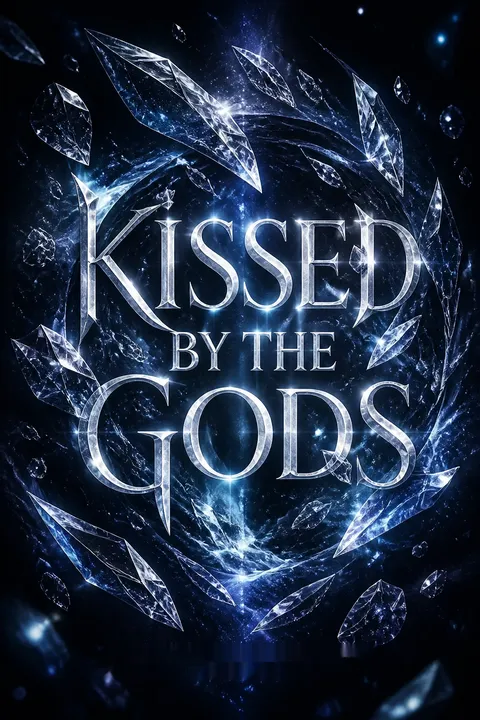


Plot Summary
Wheat Field Massacre
Leina Haverlyn,1 a 24-year-old Selencian serf cursed with unnatural strength and senses she cannot explain, watches Faraengardian soldiers approach her family's farm during the Collection, the yearly seizure of village boys for the mines. When the captain orders her to kneel and an archer kills her mother mid-plea, something feral wakes in her.
Her scythe becomes an extension of her body, and she slaughters the contingent. Her father dies fighting beside her. A dying soldier names her style Altor before black bugs devour him from within. Orphaned and now hunted, Leina,1 her steady younger brother Seb,5 and five-year-old Leo6 bury their parents and flee into the Weeping Forest, intending to find the women-led rebellion of Zyrenna Kastrel.
The opening fuses trauma and awakening, framing power as something extracted by violence rather than gifted by grace. Leina's curse, long suppressed, surfaces only when grief detonates, suggesting that oppression manufactures the very weapons it fears. Rogan establishes a brutal moral economy: bodies as labor, boys as currency, women as collateral. The man-eating bugs hint at hidden divine machinery beneath ordinary cruelty. Crucially, Leina's first act of agency is also her first irreversible loss, binding selfhood to bereavement. The lullaby and lavender motifs anchor a domestic tenderness that the empire systematically devours, making the political intimate and the intimate political from the very first page.
The Altor Who Hunts
Ryot,2 a scarred Altor of the Stormriven Vanguard, ambushes the siblings under royal orders to kill the Selencian who butchered soldiers. Recognizing Leina1 as an impossibility, the first female and first Selencian Altor, he insists she must answer to the Synod's Archons. Leina1 fights him, loses, but presses his own dagger to his throat before he overpowers her.
To spare Seb5 and Leo,6 she surrenders, wringing from him a vow that he will not aid her brothers' capture. His faravar Einarr,24 a colossal winged warhorse made for war, bears them west. The flight grants Leina1 fleeting peace above the clouds, then searing fury when she sees Edessa's gluttonous wealth, fattened on the Selencian grain and labor she has half-starved to harvest.
The captor-captive dynamic establishes the slow-burn engine, but Rogan complicates it immediately: Ryot enforces a system he barely questions, while Leina negotiates from apparent powerlessness with shrewd leverage. Her surrender is not submission but calculation, protecting kin by trading herself, a recurring sacrificial logic. The flight sequence weaponizes beauty: transcendence above the clouds collapses into rage at Edessa's opulence, teaching Leina that wonder and injustice share a sky. Einarr's autonomy signals that this world's beasts are partners, not tools, foreshadowing bonds that rival human loyalty. The chapter quietly seeds the romance's central tension, attraction tangled with legitimate grievance against everything Ryot represents.
Marked by a Demon's Touch
They land at the Synod, the cliffside fortress where Altor train, to open contempt that a peasant girl could be one of them. Before the Archons can rule, the Kher'zenn attack, beautiful pale-eyed demons astride serpentine draegoths.
One reaches for Leina1 and she reaches back, hypnotized, until his touch rots her fingertips. She survives, an exposure that kills any ordinary mortal, branding her unmistakably Altor. Ryot's2 warmth eases the spreading decay.
In the infirmary she meets Nyrica,7 the dimpled medic, and Elowen,13 a gentle healer secretly born a princess, alongside Elowen's13 cold, imperious sister Rissa.14 King Agis16 brands Leina1 an abomination sent by the chaos goddess Kheris, and the Synod decrees a Trial of Last Blood to let the gods decide her fate.
The Kher'zenn's seductive horror reframes evil as desire rather than ugliness, implicating Leina's own hungers and isolating her further. Surviving the rot converts suspicion into proof, yet the Synod's response is not welcome but trial, exposing an institution that worships strength while fearing novelty. The introduction of two princesses, one warm and one glacial, splinters the monolith of Faraengardian royalty, planting ambiguity about who the real enemy is. Agis's rhetoric demonstrates power's favorite trick: rebranding a threat to its order as a threat to the cosmos. Leina, dismissed as a thing rather than a person, begins learning that visibility itself is a form of danger.
The Goddess Kisses Her Temple
Sent to plead before Thayana, goddess of war and justice, on the eve of a duel she cannot win, Leina1 instead unleashes her fury at the deity who ignored her mother's lifelong prayers, hurling offerings and shattering the shrine. Thayana answers. She drags Leina1 into Sol'vaelen, inflicts the agonizing godsbane, and presses a kiss to her temple, warning that the gift was paid for in blood and that jealous new divine enemies will hunt her.
Leina1 wakes branded with a golden, adamas-hard scar webbing across her face, her farming scythe and pruning shears reforged into gleaming weapons etched with unreadable script. The mark and the arsenal are undeniable: one goddess has chosen her, and another now wants her dead.
Leina's prayer inverts supplication into accusation, refusing the posture of gratitude that organized religion demands. Thayana's chilling indifference, her rehearsed sympathy and casual cruelty, demystifies divinity into another self-interested power structure mirroring the human court. The gift framed as debt, paid in others' blood, weds Leina's ascent to inescapable obligation and survivor's guilt. Transforming her humble farming tools into divine weapons literalizes the book's thesis: the instruments of labor become instruments of war, the serf's endurance reforged into lethality. The golden scar marks her as both blessed and targeted, a body that now broadcasts her singularity whether she wishes it or not.
Reaping Death in the Arena
Maxim,17 a sadistic Altor, volunteers to kill Leina1 barehanded, certain a woman poses no threat. Trained desperately by Ryot's2 cast, she dances around his brute strength until he pins her, choking and groping her in the sand while feeding on her terror.
Cornered, Leina1 discovers a shadow-power, seizing the thread of his cruel pleasure and flinging it back at him. When his fist smashes against her golden scar, his hand shatters. She reaps his throat with her scythe.
Declared innocent and truly Altor by divine judgment, Leina1 refuses to kneel, demanding before the Archons and King Agis16 that Selencia's suffering be investigated. She bargains: she will train without resistance, and Ryot2 will fly to Selencia come winter to witness the rot firsthand.
The duel stages misogyny as a tactical blind spot Leina exploits, her smallness and others' contempt becoming camouflage. Maxim's predation, feeding on fear and arousal, makes domination explicitly sexual, and her counterstrike, weaponizing his own pleasure, is a survivor reclaiming the narrative of violation. Victory does not satisfy her; she immediately converts personal triumph into political leverage, refusing to be a mascot. Her negotiation reveals strategic maturity: she trades obedience for an investigation, planting the seed of systemic reckoning. The scene crystallizes her arc from victim to actor, while exposing the Synod's hypocrisy, a brotherhood that celebrates a killing it tried to engineer.
Bound by Blood and Defiance
No master will take the goddess-marked girl, convinced she is a death sentence, until Leina1 corners Ryot,2 who has already buried four dead wards. She refuses his refusals; he claims her as his ward in the unnaming ceremony, their blood mingling on stone. Afterward she feels something no other ward feels: a current connecting her to Ryot,2 an awareness that unnerves them both.
She settles into the barracks, clashing with the venomous ward Tyrston,18 and trains in weapons, meditation, emotional shielding, and the galehold where the faravars roam wild. A coded letter from Seb5 arrives through the rebels: he and Leo6 are safe, sheltered by an Altor named Aelric, who needs intelligence on the closed desert kingdom of Aish.
The unnaming ritual dramatizes institutional erasure, demanding warriors forsake family, name, and future, yet Leina's coercion of Ryot reframes the bond as chosen rather than imposed. The anomalous current between them signals that their connection transgresses the system's rules from the outset, foreshadowing both romance and metaphysical entanglement. Ryot's history of dead wards loads the master-ward bond with grief and fatalism, making his consent an act of vulnerability. The Synod's culture of disposable youth mirrors Selencia's serfdom, two faces of the same machine that consumes the young. Seb's letter keeps the rebellion alive, ensuring Leina's private survival never fully eclipses her collective cause.
The Hammer and the Exile
Tyrston,18 secretly gifted with bloodline magic that channels rage into a humming hammer, corners Leina1 and Leif11 in the training pit, intent on assault. He beats Leif11 unconscious and pins Leina,1 but when his hammer strikes her divine scar an unseen shield repels him. Ryot,2 just back from coastal patrol, storms in and snaps Tyrston's18 neck, then shields Leina's1 broken body with his own power.
The Archons, bowing to royal pressure, punish Ryot2 by exiling him alone to Solmire Island, a Kher'zenn-haunted ruin. Elowen13 heals Leina1 by drawing the injury into her own body, collapsing herself in the process. Leina1 discovers that Ryot's2 gift is shield-making, the secret that keeps Stormriven alive, and that he now faces death without backup.
Tyrston's gift, fueled by fury, externalizes the toxic masculinity the Synod cultivates, while his assault reiterates the constant threat to Leina's body within supposedly sacred walls. Ryot's lethal intervention exposes the cost of attachment in a culture that forbids it; protection becomes punishable. The Archons' political cowardice reveals the Synod bending to a crown it claims to outrank, eroding the myth of divine independence. Elowen's sacrificial healing introduces the moral weight of gifted magic, every cure paid in suffering, echoing Thayana's transactional cosmos. By separating the lovers at peak intimacy, the narrative converts romantic longing into mortal stakes, raising the question of who protects the protector.
The Mountain That Kills
A voice in Leina's1 nightmares names her Strider and pulls her toward Elandors Veil. Convinced her dreams are summonses, she climbs the gods' lethal mountain in deep winter against all counsel, nearly freezing before sheltering in a hidden volcanic cave. There she meets Vaeloria,3 a small, dazzling white female faravar born of the Veil itself, the first of her kind just as Leina1 is the first female Altor.
Their bond locks instantly. Vaeloria3 reveals the secret Leina1 has carried unknowing all her life: the darkness she keeps slipping into is not dreaming but the Veil, a living realm of chaos and emotion. Leina1 is a veilstrider, able to walk between souls and worlds. Together, exultant, they take to the sky.
The mountain trial literalizes the gods' contempt for mortals, an ascent engineered to kill, yet Leina's defiance reframes pilgrimage as confrontation. Vaeloria's femininity and Veil-born nature mirror Leina's own singularity, pairing two unprecedented beings whose bond is recognition rather than conquest. The revelation recodes Leina's lifelong nightmares as a latent gift, transforming pathology into power and trauma into navigation. The Veil, defined as feeling made geography, positions emotion itself as the fundamental substance of reality, a radical inversion of the order-worshipping Synod. Their joyful first flight offers the novel's purest moment of freedom, an unowned space between gods and men where Leina belongs to no one but herself.
Dreams That Bleed Real
Vaeloria3 carries Leina1 into the Veil and out again onto Solmire, where Ryot2 and Einarr24 lie ambushed beneath an erupting volcano's ash, beaten back by Kher'zenn. The pair crash into the battle, killing demons, and Leina1 stitches Ryot's2 gaping throat wound with shaking, bloodied hands before the Veil rips them home.
Waking in the forest with blood crusted beneath her nails and ash searing her lungs, she grasps the impossible truth: the nightmares, and the intimate dreams she has had of Ryot,2 were never dreams. They were her soul walking the Veil to him. She drives Vaeloria3 to the Synod and forces a rescue contingent, led by Archon Robias himself, to fly for the still-stranded, wounded Ryot.2
The rescue collapses the boundary between dream and reality, retroactively charging Leina's earlier visions, including her erotic ones, with literal consequence and intimacy. Saving Ryot inverts the captor-rescuer dynamic that opened their relationship, rebalancing the romance toward mutual debt. Her crude field-stitching, imperfect yet lifesaving, embodies the book's ethic of endurance over elegance. The realization that her private nightmares were objective truths the whole time reframes her years of suffering as unwitting service, deepening the theme of the body as conduit. Forcing an Archon to act demonstrates her growing institutional power: the goddess-marked girl can now bend the Synod's machinery to love rather than war.
A Child Who Sees Tomorrow
Through the long winter Leina1 trains with the Elder,4 the ancient, seemingly blind leader of the Synod, who teaches her to survive the Veil's chaos while Ryot2 investigates Selencia. The Veil keeps carrying her not to places but to souls she loves. She lands in the Weeping Forest, embraces Leo,6 alive and laughing, and meets Bri,21 an unsettling gifted child who knows Vaeloria's3 name and sings Leina's1 mother's lullaby.
Bri21 warns that time is short, that Leina1 must never fear the Veil, and cryptically tells her to beware hammers. Every reunion is torn away by the Veil's pull, leaving Leina1 aching but increasingly certain that something vast and catastrophic is gathering at the edges of the world.
The Elder emerges as mentor and mystery, his patience a counterweight to the Synod's brutality, his blindness teeing up later revelation. Leina's discovery that the Veil navigates by love rather than geography makes her gift an extension of her heart, the inverse of a soldier's detachment. Bri functions as oracle, her childhood innocence rendering prophecy more chilling; she carries knowledge no child should hold. The lullaby thread binds Selencian folk tradition to cosmic truth, suggesting the colonized peasants understood the Veil all along while Faraengard called it myth. Bri's specific warnings, about hammers and fear, plant Chekhovian seeds, building dread beneath the tender reunions and tightening the narrative's gathering doom.
Forbidden Fire, Fatal Sleep
Ryot2 returns from Selencia transformed, insisting the rot runs so deep the whole order must be rebuilt, and reveals a stolen journal proving veilstriders leave their bodies defenseless while they sleep. Dragged to the Crimson Feather pleasure house in Elowen's13 borrowed gown, Leina1 is nearly coerced by Roran,23 a gifted velvet-voiced courtier, until Ryot2 bursts in and crushes the man's throat.
Their long-denied hunger finally breaks open; they sleep together, shattering every rule the Synod uses to forbid love among Altor. But afterward Leina1 collapses, her heartbeat slowing toward nothing, her soul flung into the Veil for a day and a half while Ryot2 guards her cooling, vulnerable body, helpless and frantic with terror.
The consummation pays off the slow burn while exposing the regime's deepest control mechanism: the prohibition of love, revealed as man-made rather than divine, a deliberate severing of competing loyalties. Roran's coercive gift literalizes consent under power imbalance, contrasting predatory desire with the chosen vulnerability Leina offers Ryot. The lovers' defiance is immediately punished by the Veil itself, which claims her body as the price of surrender, fusing intimacy with mortal danger. The journal's warning reframes pleasure as exposure, sleep as a battlefield. Rogan refuses the catharsis of union without cost, insisting that in this world tenderness is the most dangerous act of rebellion available.
The Warning of Aish
In the Veil, Bri21 seizes Leina1 and pours a vision into her: the Kher'zenn are massing for invasion, planning to strike the warm desert kingdom of Aish first, then feed on that conquest to crush Faraengard and Selencia. Leina1 wakes screaming the warning. Vaeloria3 shatters the infirmary window in panic, and the Elder,4 abandoning the fortress he has never left, resolves to fly the cast and Princess Rissa14 to Aish himself.
The two-day journey tortures Leina,1 who watches Ryot2 cradle Rissa14 and burns with jealousy, not yet understanding what binds them. At the border, the Aishan Steward Aruveth20 meets them with drawn bows, distrustful of any Faraengardian, until Leina's1 veilstrider mark and Selencian blood earn the party passage.
Bri's transferred vision converts Leina from passive seer to active herald, her gift now serving collective survival rather than personal grief. The Elder's unprecedented departure signals existential stakes that override every protocol, while introducing Aish as a third pole that fractures the binary of oppressor and oppressed. Leina's jealousy humanizes her amid apocalypse, a reminder that the heart's small wars persist beside the world's large ones, and Rogan withholds the relationship's true nature to sustain dramatic irony. Aruveth's hostility voices the colonized periphery's justified distrust, complicating any easy alliance. The desert's openness, contrasted with Faraengard's stone, hints that truth itself grows where the empire's reach thins.
The Truth of the Collection
Aruveth20 toasts the first gathering of Aishan, Faraengardian, and Selencian Altor since Faraengard massacred the Selencian Altor 986 years ago. The room freezes. The Collection, Leina1 learns, was never mere labor conscription: Faraengard culls Selencian boys before maturity precisely to murder any who would awaken as Altor, ensuring the protectorate can never defend itself.
Levvi and Alden22 were not merely worked to death in the mines, they were slaughtered for what they might become. Leina1 collapses, sobbing their names, and recoils from Ryot,2 suddenly seeing him as a weapon of the very system that butchered her family. Ryot,2 hollowed out, realizes the comfortable history he believed was a lie. He was never the hero. He was the villain.
The toast detonates the novel's central revelation, recasting an entire civilization's mythology as genocide laundered into duty. The Collection's true function, preventive extermination of potential resistance, exposes colonialism's deepest logic: the colonized must be kept incapable of defending themselves. Leina's grief redoubles because her dead were not victims of negligence but of design, a distinction that transforms sorrow into political fury. Ryot's reckoning, his collapse from hero to villain, dramatizes complicity and the violence of ignorance among the privileged. The scene weaponizes hospitality and remembrance against historical amnesia, insisting that knowing the truth, however unbearable, is the precondition for any genuine justice or rebuilding.
The Elder Becomes the Storm
Trumpets shatter the lovers' tearful reconciliation. Hundreds of Kher'zenn pour from the clouds, the first swarm in three hundred years, as Aishan civilians flee and the badly outnumbered Altor form a doomed line.
Ordered to evacuate, Leina1 veilstrides into the battle instead, she and Vaeloria3 slicing through demons in impossible bursts. Caius,10 the cast's gruff father figure, falls defending civilians. Then the Elder4 reveals his cloudy eyes were never blind: he and Sigurd command the storm itself, hurling cascades of lightning that incinerate the swarm.
The effort consumes him utterly. As he and his ancient faravar tumble from the sky, Leina1 lunges to catch him, but the Veil rips her away. The Elder4 dies, and a second wave begins to gather.
The climactic battle pays off the dread Bri seeded, staging sacrifice as the truest expression of the love the Synod tried to forbid; Aishan Altor fight harder precisely because they fight for families. The Elder's hidden power retroactively reframes his patience and apparent frailty as restraint, his blindness a long-held secret weapon, embodying wisdom that conserves devastating force until it matters. Caius's death personalizes catastrophic loss within the chosen family. Leina's failure to save the Elder, the Veil snatching her at the decisive instant, dramatizes the limits of even extraordinary power and seeds survivor's guilt. The gathering second wave denies victory its rest, sustaining apocalyptic momentum into the resolution.
The King Beneath the Mountain
Victory leaves catastrophe behind: over two hundred Aishan Altor dead, thousands of civilians slaughtered, Thalric8 gravely wounded. Leina1 warns of the coming second wave, and the survivors evacuate through the adamas mines, planning to lure the cold-hating draegoths into the Valespire Peaks.
Deep underground, the Veil's pull drags Leina1 to a concealed training chamber where she finds King Agis.16 She attacks, but Ryot2 throws up a shield to protect the king and confesses the secret that guts her: Agis16 is his father.
Ryot2 lost his place in the succession when he became Altor and swears he never knew of the Collection's true horror. Leina,1 betrayed anew, finally sees the eyes, the smile, the easy familiarity with Rissa14 and Elowen13 she should have recognized all along.
The mines, Levvi and Alden's symbolic grave, become the stage for the personal betrayal that mirrors the historical one, geography as moral indictment. Ryot's paternity recasts the romance as a love across the deepest possible divide: she fell for the son of her family's murderer. His shielding of Agis, an instinct of protection misfiring catastrophically, forces the lovers to a crisis where loyalty and justice violently collide. Leina's belated recognition, the eyes and smile she ignored, indicts the willful blindness love can induce. Rogan refuses to let Ryot's ignorance fully absolve him, insisting that proximity to power carries culpability, and detonates intimacy at the precise moment survival demands unity.
The Ghost With a Hammer
King Agis16 coldly orders a hooded man to kill Leina1 while sparing his son,2 then sweeps away with his oath-bound guards. The assassin raises an adamas hammer, the very weapon Bri21 warned her to fear, and Leina1 realizes the strange pull that drew her through the mines was never the king. It was him.
The man drops his hammer, lowers his hood, and reveals a face ruined by torture but eyes she would know anywhere. The endless nightmares of a man being broken in the dark were not grief twisting her mind. They were glimpses through the Veil of someone still alive. As the floor drops out of everything she thought she knew, Leina1 whispers the name of her presumed-dead first love: Alden.22
The final revelation pays off two long arcs at once, Bri's hammer warning and Leina's recurring nightmares, recasting her grief as unconscious clairvoyance. Alden's survival, scarred and weaponized by the very throne that supposedly killed him, suggests the empire does not only murder its threats; it tortures and repurposes them. The cliffhanger ruptures the central romance at its apex, forcing an impossible triangle between living past and forbidden present. Rogan ends not on resolution but on identity in freefall: every relationship, loyalty, and certainty now demands renegotiation. The Veil's pull, revealed as longing made navigable, confirms the book's thesis that love is the truest map across worlds.
Analysis
Rogan's romantasy weaponizes a familiar chosen-one frame to interrogate colonialism, complicity, and the politics of memory. Leina's1 powers do not arrive as wish-fulfillment; they erupt from atrocity, and her ascent is shadowed by the recognition that strength within an unjust system can make her its instrument as easily as its undoing. The central revelation, that the Collection exists to exterminate Selencian Altor before they can resist, reframes the entire mythology as genocide laundered into duty, dramatizing how empires manufacture amnesia and rebrand cruelty as honor. The Synod, claiming divine independence, repeatedly bends to the crown, exposing the fiction of apolitical institutions. Love operates as the book's most radical force. The prohibition on Altor attachment is revealed as man-made rather than sacred, a deliberate severing of competing loyalties so warriors will die for the cause and nothing else. Against this, every bond, Thalric8 and Nyrica's7 hidden devotion, Ryot's2 love for forsaken sisters, Leina's1 ferocity for her brothers, becomes quiet rebellion, and the Aishan Altor who fight harder because they fight for families prove love multiplies rather than diminishes strength. The Veil literalizes this thesis: a realm navigated not by logic but by feeling, where Leina1 travels to the souls she loves, making the heart the truest map across worlds. The gods themselves are demystified into jealous, transactional powers mirroring the human court, every gift paid in others' blood. Rogan resists easy absolution, refusing to let Ryot's2 ignorance fully clear him and insisting that proximity to power carries guilt. The novel's emotional engine is grief that refuses to ossify, transmuting instead into political fury and stubborn hope. Its closing betrayals, a lover's secret paternity and a dead love's torturous survival, argue that confronting unbearable truth is the only foundation on which anything just can be rebuilt.
People Also Read
Characters
Leina Haverlyn
Cursed serf turned warriorA 24-year-old Selencian serf whose unnatural strength, razor senses, and uncontrollable rage have isolated her since the day her sister-in-law burned and her twin and beau22 were taken. Fiercely protective, defiant to the point of self-destruction, and allergic to kneeling, Leina has been shaped by hunger, grief, and oppression into someone who survives by enduring. Her core wound is helplessness; her core hunger is power enough to protect those she loves and make her oppressors pay. Beneath the armor of sarcasm and fury lives a woman terrified that she has become a monster, and that if she ever stops fighting she will not recognize what remains. She reads in secret, mourns relentlessly, and loves with terrifying ferocity.
Ryot
Scarred Altor masterA Skywarden of the Stormriven Vanguard, blond, storm-eyed, and scarred, who captures Leina1 under orders he comes to despise. Outwardly all hard edges, controlled violence, and clipped command, Ryot conceals a heart his late mother feared was too soft for so brutal a world. He has buried every ward he ever claimed and blames himself, so attachment terrifies him. He fights not for gods or glory but for the six sisters and the family he was forced to forsake, carrying their memory into every battle. Drawn to Leina1 against every rule and instinct, he wrestles between an oath interpreted as obedience and one he believes means protection. He breaks rules with growing, reckless abandon when she is endangered.
Vaeloria
Veil-born winged horseA small, dazzling white female faravar born of the Veil itself, unprecedented like Leina1. Playful, vain about her beauty, and fiercely protective, she communicates through surges of emotion and, within the Veil, in words. She is both companion and guide, the living tether that lets Leina1 cross between worlds and return. Her bond with Leina1 locks the instant they meet, and her courage matches her rider's stubbornness.
The Elder
Ancient Synod leaderThe seemingly blind, impossibly old leader of the Synod, who rides the great faravar Sigurd and speaks in maddening, dry aphorisms. Beneath an air of detached patience lies grief accumulated over centuries of watching warriors burn to ash. He alone treats Leina's1 existence as a question worth asking rather than a threat to crush, taking over her Veil training and revealing a wisdom, and restraint, that conceals startling depths.
Seb
Steadfast younger brotherLeina's1 19-year-old brother, a mountain of calm muscle who can detect any lie and refuses to abandon his family. Where Leina1 rages, Seb endures with gentle steadiness, nurturing an inner peace she cannot fathom. He dreams of fighting for a better future and becomes Leina's1 quiet conscience and her anchor to home, the rebellion, and the people she left behind.
Leo
Beloved youngest brotherLeina's1 five-year-old brother, an eager little helper with a crooked grin. His vulnerability is the emotional stake driving Leina's1 every sacrifice, the small life she most fears failing to protect.
Nyrica
Dimpled field medicA warrior-medic in Ryot's2 cast with curls, dimples, and a bard's easy charm masking deep grief. He calls Leina1 love, refuses to drink, and hides profound losses behind jokes. Loyal, perceptive, and warm, he becomes one of Leina's1 truest friends, and his fierce devotion to his castmate Thalric8 reveals a tenderness the Synod forbids.
Thalric
Grave cast commanderThe serious, green-eyed commander of Ryot's2 cast, with neat braids and eyes that seem to carry a hundred souls. Watchful and disciplined, he sees more than he says, including the truth of Leina's1 heart. His long, hidden bond with Nyrica7 embodies love surviving against an institution that names it weakness.
Faelon
Flirtatious poet-warriorA gorgeous, cocky sentinel who flirts relentlessly, jokes at the worst moments, and secretly writes poetry. Beneath the swagger lies real loyalty and a tender heart that aches under the cast's losses. He treats Leina1 like an irritating, beloved sibling, lightening even the grimmest hours.
Caius
Gruff cast father figureA broad, beefy veteran of Ryot's2 cast who treats his wards like sons and blushes at frank talk. Patient and protective, he teaches Leina1 that strength without control is mere destruction.
Leif
Friendly senior wardA warm, dark-haired ward in his final year of training, quick to defend Leina1 and quick with a grin. He reminds her of Seb5, sweet but not soft, and becomes her steady friend and confidant in the barracks, one of the few troubled by the Synod's ban on love and family.
Kiernan
Anxious new wardThe youngest ward in Ryot's2 cast, freshly presented, eager and easily frightened, still struggling to shield his emotions. His open fear makes the dangers of their world feel real and immediate.
Elowen
Gentle healer princessA gifted healer who hides her royal blood behind dirt-stained trousers and quiet grace. Where her sister14 rules with ice, Elowen heals with warmth, paying for every cure with her own body's suffering. Compassionate and unexpectedly steely, she becomes Leina's1 dear friend, complicating Leina's1 hatred of the crown by being kind, soft, and genuinely good.
Rissa
Cold royal heirPrincess Rissa, the imperious heir to Faraengard and emissary to the Synod, all glacial control and cutting words. She regards Leina1 with disdain bordering on cruelty, yet her rigid composure hints at something dangerous held tightly in check. Her history and easy familiarity with Ryot2 needle Leina1, and her loyalties prove more complicated than her frost suggests.
Siofra
Spirited child healerElowen's13 much younger sister, an eleven-year-old healer-in-training with bouncing white curls, a sharp tongue, and a habit of spiking medicine with bitterroot for spite. Fierce, funny, and protective of Elowen13, she warms unexpectedly to Leina1.
King Agis
Ruthless Faraengardian kingThe proud, silver-haired king of Faraengard, masterful at warping cruelty into righteous duty. He brands Leina1 an abomination and defends the Collection as honorable sacrifice. Cold, calculating, and quietly menacing, he removes threats before they grow untouchable, embodying the empire's polished, persuasive evil.
Maxim
Sadistic Altor bruteA hulking, red-bearded Altor whose menace recalls the soldiers who terrorize Selencia. He volunteers to kill Leina1 in the arena, certain a woman is beneath him, and feeds on fear and domination.
Tyrston
Vengeful gifted wardA cruel ward who loathes Leina1 from the moment she arrives, never shielding his fury. Wielder of a hammer fed by bloodline magic, he embodies the predatory entitlement the Synod breeds, and refuses to accept her place among the Altor.
Archon Lyathin
Stern Synod councilmanA controlled, austere Archon of the Fellsworn Vanguard who runs the council with cold precision and a ready whip. Direct and disciplined, he treats Leina1 as a riddle to dissect and a force to control.
Aruveth
Aishan Altor stewardThe scarred, robed leader of the Aishan Altor, distrustful of all things Faraengardian for sound historical reasons. Commanding and shrewd, he extends wary hospitality and voices the colonized periphery's hard-won suspicion of the empire.
Bri
Prophetic gifted childAn uncanny gifted child sheltered with the rebels who knows Vaeloria's3 name, sings Leina's1 mother's lullaby, and sees what is coming. Brave beyond her years, she carries terrible visions and pleads with Leina1 to prevent a slaughter.
Alden
Leina's lost first loveLeina's1 gentle childhood beloved, taken in the Collection years ago and believed dead in the mines. He dreamed of flight and freedom, brought her wildflowers, and lives on painfully in her dreams and grief, the sweet, innocent past she can never reclaim.
Roran
Velvet-voiced courtierA charming gifted nobleman of House Briarhelm whose velvet-voice magic lets him sway others. Smooth, practiced, and entitled, he tries to coerce Leina1 at the Crimson Feather, mistaking her for easy prey.
Einarr
Ryot's surly war-horseRyot's2 massive, midnight-winged faravar, a battle-bred beast of fierce intelligence and dry contempt who calls his rider Lastwall. Protective and tireless, he straddles the line between weapon and brother-in-arms.
Plot Devices
The Veil
Realm of souls and chaosA living realm of darkness, emotion, and memory that Leina1 has slipped into all her life, mistaking it for nightmares. As a veilstrider, an ability not seen in centuries, she can step out of the world and reappear beside any soul she is drawn to, navigating not by geography but by love and feeling. The Veil is treacherous and reactive, wounding her in ways no blade can, and it leaves her body dangerously vulnerable whenever she crosses it in sleep. It connects her to the people she loves, the demons she fights, and the divine. Used for rescue, prophecy, and battle, it is both her greatest weapon and her deepest peril, the engine of the book's biggest revelations.
Thayana's Golden Scar
Divine mark of the chosenAfter Leina1 rages at the goddess Thayana instead of praying, the deity drags her into the gods' realm and kisses her temple, leaving a golden, adamas-hard scar that webs across her face. The mark proves she is divinely chosen and renders that part of her skull nearly indestructible, repelling blows and even shattering a weapon that strikes it. It also brands her as a target of jealous gods who want her dead. Paired with the kiss come reforged weapons and chainmail of unknown metal. The scar makes Leina1 simultaneously blessed and hunted, a walking declaration of singularity that earns reverence, suspicion, and danger in equal measure throughout the Synod and beyond.
Bonded Weapons
Soul-tethered farming toolsAltor bond weapons through blood and intent, so the blade attaches to the warrior's soul and answers their call, flying back into their palm with a pulse of heat. Leina1, forbidden as a serf from owning real weapons, bonds with humble farming implements: a scythe she sharpened until her fingers bled and a pair of pruning shears that split into twin daggers. Reforged in adamas by the goddess, they become lethal extensions of her body, letting a peasant who knows only how to reap turn that skill against soldiers and demons. The detail crystallizes the novel's central irony, that the instruments of oppressed labor become the instruments of liberation and vengeance in the chosen one's hands.
The Unnaming Bond
Master-ward blood tetherWhen an Altor is sworn into the Synod, they forsake their name, family, and future in an unnaming ceremony, and a ward is tied to a master by mingled blood. For ordinary pairs the cut is symbolic, but between Leina1 and Ryot2 it forges a genuine current of awareness, a sensing of each other's nearness and feelings that no other pairing shares. Built atop the Altor's gift for tasting emotions and shielding their minds, this anomalous bond signals from the start that their connection transgresses the system's rules. It deepens the slow-burn romance, lets them share feelings without words, and foreshadows a deeper metaphysical entanglement that the Veil ultimately confirms.
The Collection
Engine of empire and griefEvery autumn, Faraengardian soldiers seize Selencian boys before maturity and march them to the mines of Valespire, framed as the protectorate's debt for protection against the Kher'zenn. Some return broken years later; most never come home. The Collection is the wound at the heart of Leina's1 family, having claimed her twin and her first love22, and the cruelty that fuels the rebellion. Its true, hidden purpose is one of the book's most devastating revelations, recasting a thousand years of accepted history and exposing the genocidal logic beneath Faraengard's pious justifications. As both worldbuilding and emotional core, it drives Leina's1 vengeance and the larger reckoning the story builds toward.
Download PDF
Download EPUB
.epub digital book format is ideal for reading ebooks on phones, tablets, and e-readers.








































