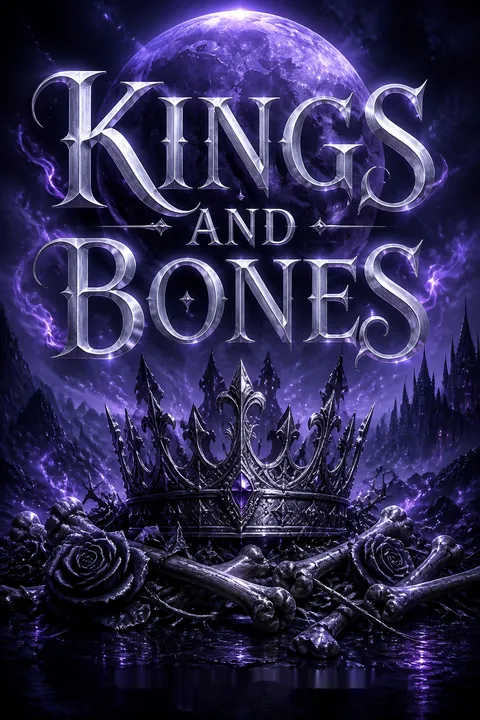

Plot Summary
Abandonment and Loss
Murgha's earliest memory is of her mother being cast out by her father, accused of infidelity and shamed before her daughters. The pain of abandonment shapes Murgha's childhood, leaving her with only her sister Tessa for comfort. Their mother's absence is a wound that never heals, and the sisters cling to each other as their father's bitterness grows. This formative trauma instills in Murgha a deep sense of not belonging, especially as her unusual appearance—white hair and violet eyes—marks her as different among the wood fae. The loss of her mother and the coldness of her father set the stage for Murgha's lifelong search for acceptance, love, and a place to call home.
Sixteen Years Later
Years have passed, and Murgha is now a young woman, still living under her father's roof but more a servant than a daughter. Her sister Tessa has vanished, supposedly taken by a beast fae, leaving Murgha isolated and vulnerable. A mysterious wood sprite begins to watch over her, offering silent companionship. The war between Northgall and Lumeria has ended, but peace brings little comfort. Murgha's father, consumed by gambling and drink, grows increasingly reckless, culminating in a fateful game of Kings and Bones. The arrival of a moon fae ambassador and his guards signals danger, as Murgha's father's desperation threatens to cost Murgha her freedom.
The Game of Fate
In a tense, alcohol-fueled game, Murgha's father gambles everything he owns—including Murgha herself. The moon fae ambassador, Rukard, is eager to claim her, but the stakes are raised when a shadow fae priest named Vallon enters the inn. With chilling confidence, Vallon joins the game, wagering a fortune and a black-steel blade. The game's outcome is decided by Vallon's use of shadow magick, ensuring his victory. Murgha, stunned and terrified, is claimed as Vallon's prize. Her father's betrayal is complete, and Murgha is forced to leave the only home she's ever known, her future now bound to a stranger from the dark fae mountains.
Shadow Fae Arrival
Vallon, the shadow fae priest, is not what Murgha expected. He is both fearsome and strangely gentle, driven by a mysterious oath. As he leads Murgha away from her village, danger follows—Rukard's guards attack, but Vallon dispatches them with lethal efficiency. Murgha attempts to escape, but Vallon's pursuit is relentless. Their dynamic is fraught with tension: Murgha's fear and anger clash with Vallon's possessive protectiveness. Yet, beneath the surface, a strange connection begins to form, hinting at a destiny neither fully understands. The journey into the Solgavia Mountains is both a flight from danger and a step toward an unknown future.
A Daring Escape
Murgha's spirit refuses to be broken. She seizes a moment to flee into the woods, determined to escape Vallon's grasp. Her flight is desperate, fueled by fear and the memory of her mother's abandonment. But Vallon's shadowy power is overwhelming; he catches her mid-flight, carrying her into the sky. For the first time, Murgha experiences the wonder of flight, suspended between earth and sky—between two worlds, just as she has always felt. The experience is both terrifying and exhilarating, awakening a longing for freedom and belonging. Vallon's enigmatic presence becomes less monstrous and more magnetic, complicating Murgha's feelings.
Flight and Unlikely Rescue
Vallon brings Murgha to his hidden aerie high in an ancient oak, offering her warmth, food, and new clothes. The wood sprite, Gwendazelle, reveals herself as Vallon's friend and Murgha's silent guardian. As the night deepens, Murgha's defenses begin to soften. She learns of Vallon's noble lineage and his mother's kindness, and she tends to his wounds, discovering a gentler side to the shadow fae. The two share stories, and Murgha's curiosity about the world beyond her village grows. The seeds of trust and attraction are sown, even as the mysteries surrounding Vallon's motives and Murgha's heritage linger.
Secrets in the Trees
Left alone with Gwendazelle, Murgha learns the sprite's tragic story and the depth of her bond with Vallon. The sprite's loyalty and affection for both Vallon and Murgha hint at a larger destiny at play. Murgha reflects on her own isolation and the pain of being a half-breed, never fully accepted by any community. The new clothes Vallon provides become a symbol of transformation—a shedding of her old life and the possibility of a new beginning. As Murgha prepares for sleep, she senses that her journey with Vallon is more than a simple abduction; it is the start of something profound and life-altering.
The Priest's Oath
Vallon finally reveals the truth: his father, on his deathbed, swore to protect the child of a dying moon fae—Murgha's true father. This sacred oath, passed from father to son, compels Vallon to find and protect Murgha at all costs. The revelation shatters Murgha's understanding of her past, confirming her suspicions about her heritage and the reason for her lifelong alienation. The pain of her mother's choices and her father's indifference is reframed as the tragic consequence of forbidden love. Vallon's sense of duty is complicated by a growing personal attachment, and Murgha must confront the possibility that her fate is entwined with his by more than just an oath.
Truths and Revelations
As they travel, Murgha and Vallon share more of their histories, deepening their bond. Murgha learns of her mother's search for her true mate and her eventual death from plague, a loss that echoes through Murgha's soul. Vallon reveals his ability as a novgala—one who can cast powerful illusions—and demonstrates his magick. Murgha's own latent magick begins to stir, manifesting as intuition and, eventually, visions. The two realize that their connection is not merely circumstantial but fated, a convergence of bloodlines, oaths, and divine will. The boundaries between light and dark, fae and demon, begin to blur.
Between Light and Shadow
The journey brings Murgha and Vallon closer, both physically and emotionally. They share moments of vulnerability—tending wounds, sharing tea, and confessing fears. Murgha's sense of self shifts as she is treated with care and respect, a stark contrast to her life with her father. The attraction between her and Vallon intensifies, complicated by their differences and the weight of destiny. Murgha's magick grows stronger, and she begins to accept her unique place between worlds. The looming threat of the Solgavia Mountains and the secrets Vallon keeps about his homeland add urgency to their journey.
The Nightwyrm's Lair
A search for healing herbs leads Murgha into a deadly trap—a nightwyrm's den filled with the bones of fae. Vallon's timely intervention saves her, but the encounter leaves them both shaken. In the aftermath, their passion erupts in a desperate, life-affirming kiss. The near-death experience strips away their remaining barriers, exposing raw need and burgeoning love. Murgha's courage and Vallon's protectiveness are tested, forging a bond that is both physical and spiritual. The encounter with the nightwyrm also awakens Murgha's prophetic abilities, setting the stage for greater challenges ahead.
Prophecy and Peril
Murgha's latent magick manifests as a powerful vision: a prophecy of darkness rising in the mountains, threatening all fae. Vallon recognizes the danger—seers are outlawed in Gadlizel, and Murgha's gift puts her in mortal peril. They decide to seek sanctuary with King Gollaya, the wraith king, whose realm offers a tenuous hope of safety. The journey becomes a race against time, as the shadow of evil grows and the political dangers of the fae world close in. Murgha's role as a world seer is revealed, and Vallon's loyalty is tested as he must choose between his king and his mate.
Seeking Sanctuary
Vallon and Murgha arrive at Windolek Castle, where they are granted refuge by King Gollaya. The wraith king's acceptance is pragmatic but genuine, and Murgha finds herself among powerful allies. The couple's relationship deepens in the safety of the castle, culminating in moments of intimacy and trust. Vallon's friend, Prince Torvyn, arrives, and the bonds of brotherhood and loyalty are reaffirmed. Murgha's presence as a seer is kept secret, but the threat of discovery looms. The castle becomes a haven, but also a crossroads, as Murgha and Vallon must decide where their future lies.
Moonlit Vows
Under the light of the moon, Murgha and Vallon pledge themselves to each other in a private, sacred ceremony that blends the traditions of both light and shadow fae. Their vows are heartfelt, born of shared pain and newfound hope. The consummation of their union is both passionate and tender, a celebration of their unique bond. For the first time, Murgha feels truly chosen and cherished, her past wounds beginning to heal. The marriage is not just a personal triumph but a defiance of the boundaries that have long divided their peoples. Their union is a beacon of possibility in a world shadowed by prejudice and fear.
Reunion and New Beginnings
Murgha and Vallon journey to the beast fae encampment, where Murgha is joyfully reunited with Tessa, now mated to the beast fae chief warrior and mother to a child. The sisters share stories of love, loss, and transformation, finding solace in each other's happiness. The acceptance Murgha finds among the beast fae offers hope that she, too, can build a new life in Gadlizel. The reunion is bittersweet, as both sisters have been irrevocably changed by their journeys. Yet, the bonds of family and love endure, promising a future where difference is not a curse but a source of strength.
The Beast Fae's Bargain
Tessa's story unfolds in parallel—a daring, sensual encounter with the beast fae warrior Bezaliel. What begins as a dangerous game becomes a passionate union, defying the fears and prejudices of both their peoples. Tessa's willingness to embrace the unknown leads her to a life of adventure, love, and acceptance among the beast fae. Her journey mirrors Murgha's, highlighting themes of courage, desire, and the transformative power of love. The sisters' parallel paths underscore the novel's message: true belonging is found not in blood or birth, but in the choices we make and the bonds we forge.
The Shadow of Evil
As Murgha settles into her new life with Vallon, the threat foretold in her vision grows ever closer. The evil stirring in the Solgavia Mountains is not just a personal danger but a menace to all fae. Vallon's loyalty to Murgha is tested by his duties as high priest and the demands of his prince. The couple's love becomes both shield and weapon as they prepare to face the darkness together. Murgha's role as a world seer is both a gift and a burden, and the fate of many may rest on her shoulders. The stage is set for a larger conflict, with Murgha and Vallon at its heart.
Love, Destiny, and Power
In the aftermath of passion and peril, Murgha and Vallon find peace in each other's arms. Their love, hard-won and fiercely defended, becomes a source of strength as they face the challenges ahead. The arrival of Prince Torvyn reaffirms the bonds of friendship and loyalty, and Murgha's acceptance as Vallon's mate signals a new era for both light and shadow fae. Yet, the shadow of evil remains, and Murgha's prophetic gift hints at greater trials to come. The novel ends with hope and determination—a promise that love, courage, and unity can overcome even the darkest of fates.
Analysis
A tale of belonging, transformation, and the power of loveKings and Bones is a lush, emotionally charged fantasy that explores the pain of exclusion and the redemptive power of connection. At its core, the novel is about the search for home—not just a place, but a sense of acceptance and love. Through Murgha's journey from outcast to cherished mate, the story interrogates the boundaries of identity, the scars of prejudice, and the courage required to claim one's destiny. The blending of light and shadow, fae and demon, tradition and change, reflects the complexities of real-world divisions and the hope for reconciliation. The novel's use of oaths, prophecy, and magick elevates personal struggles to epic significance, while its focus on intimate relationships grounds the narrative in universal human experience. Ultimately, Kings and Bones is a celebration of resilience, the healing power of love, and the belief that even in a world shadowed by darkness, new beginnings are always possible.
Review Summary
Kings and Bones received mostly positive reviews, with readers praising its compelling characters, world-building, and steamy romance. Many appreciated the novella's pacing and enjoyed the introduction to the Northgall universe. Some readers wished for a longer story or more character development. The book's spicy scenes and fated mates trope were well-received. A few reviewers noted inconsistencies in the timeline and wished for more tension between the main characters. Overall, fans of paranormal romance found it an enjoyable, quick read.
People Also Read
Characters
Murgha
Murgha is the heart of the story—a young woman marked by her white hair and violet eyes, the legacy of a forbidden union between a wood fae mother and a noble moon fae father. Her childhood is scarred by abandonment and rejection, leaving her with deep insecurities and a longing for acceptance. Murgha is resilient, compassionate, and fiercely loyal, especially to her sister Tessa. Her latent magick manifests as intuition and, eventually, prophecy, making her both a target and a potential savior. Murgha's journey is one of self-discovery, as she learns to embrace her unique heritage and claim her place in a world that has always treated her as an outsider. Her relationship with Vallon transforms her, offering love, respect, and a sense of home she has never known.
Vallon
Vallon is a high priest of Gadlizel, a noble-born shadow fae marked by his four horns and crimson eyes. He is both warrior and scholar, possessing powerful magick as a novgala—master of illusion. Vallon is driven by a sacred oath to protect Murgha, an obligation inherited from his father. This duty evolves into deep affection and love as he comes to see Murgha as his fated mate. Vallon is complex: outwardly fearsome, yet capable of great tenderness and vulnerability. His internal struggle between duty, desire, and loyalty to his people is central to his character arc. Vallon's willingness to defy tradition and risk everything for Murgha signals his growth from a servant of fate to an agent of his own destiny.
Tessa
Tessa is Murgha's older sister, her protector and confidante. Unlike Murgha, Tessa is bold, adventurous, and unafraid to challenge convention. Her disappearance early in the story is a catalyst for Murgha's journey. Tessa's own path leads her to the beast fae, where she finds love and acceptance with Bezaliel, the chief warrior. Tessa's story is one of risk and reward—her willingness to embrace the unknown brings her happiness, but also separation from her past. She is a mirror to Murgha, embodying the courage to seize one's fate and the resilience to build a new life from loss.
Gwendazelle (Gwenda)
Gwendazelle is a wood sprite who becomes Murgha's silent companion and protector. Her tragic past—losing her family to corrupted snow hawks—binds her to Vallon, who saved her life. Gwenda's presence is both comforting and magical, a link between the natural world and the fae. She serves as a messenger, spy, and friend, her loyalty unwavering. Gwenda's perspective offers insight into the interconnectedness of all beings and the importance of kindness and empathy.
Phestys (Murgha's Father)
Phestys is a tragic figure—once a provider, now consumed by grief, resentment, and addiction. His inability to accept Murgha as his own, coupled with the loss of his wife and favorite daughter, leads him to gamble away everything, including Murgha herself. Phestys embodies the destructive power of prejudice and the corrosive effects of unresolved pain. His actions are the catalyst for Murgha's journey, and his failures serve as a cautionary tale about the dangers of bitterness and neglect.
Rukard
Rukard is a moon fae noble whose interest in Murgha is both political and personal. He represents the dangers of power without conscience, using his status to manipulate and threaten. Rukard's willingness to claim Murgha as a prize in a game underscores the objectification and vulnerability of women in a patriarchal society. His defeat by Vallon is both a personal and symbolic victory for Murgha.
Bezaliel
Bezaliel is a formidable presence—physically imposing, fiercely loyal, and deeply passionate. His relationship with Tessa is built on mutual respect and desire, challenging the prejudices of both their peoples. Bezaliel's acceptance of Tessa, and by extension Murgha, signals the possibility of unity across boundaries. He is both protector and partner, embodying the ideal of love as a force that transcends difference.
King Gollaya
King Gollaya is a ruler shaped by war and loss, but also by love—his devotion to his queen, Una, is legendary. He offers sanctuary to Murgha and Vallon, recognizing the value of alliances and the importance of compassion. Gollaya's willingness to defy tradition and accept outsiders marks him as a progressive leader, and his presence provides a model of strength tempered by empathy.
Prince Torvyn
Torvyn is Vallon's childhood friend and the prince of Gadlizel. He is caught between loyalty to his father, the increasingly unstable king, and his own sense of justice. Torvyn's support for Vallon and Murgha is crucial, offering hope that change is possible even within rigid hierarchies. His internal struggles mirror Vallon's, and his willingness to protect Murgha signals a shift toward a more inclusive future.
Meera (Vallon's Mother)
Meera is a source of warmth and stability in Vallon's life. A skilled spinner and weaver, she embodies the values of hard work, humility, and unconditional love. Meera's acceptance of Murgha, regardless of her heritage, provides a model of maternal care and the healing power of family. Her presence in the story is a reminder that love and acceptance can bridge even the deepest divides.
Plot Devices
Oath and Destiny
The central plot device is the binding oath made by Vallon's father to protect Murgha, a promise passed down and made unbreakable by shadow fae tradition. This oath is both a literal and symbolic force, driving the action and shaping the characters' choices. It serves as a vehicle for exploring themes of duty, fate, and free will. The oath's power is heightened by the use of foreshadowing—early hints of Murgha's special heritage and the dangers she faces build tension and anticipation. The narrative structure alternates perspectives, deepening emotional resonance and allowing for gradual revelation of secrets. The use of prophecy and magick as plot devices further entwines personal and cosmic stakes, culminating in a union that is both romantic and world-changing.
The Rise of Northgall Series
About the Author
Other books by Juliette Cross

Download PDF
Download EPUB
.epub digital book format is ideal for reading ebooks on phones, tablets, and e-readers.








































