Plot Summary
Team 236 Fractures
The story opens with Team 236—Luke, Jane, and Matthew—deeply fractured. Jane's shocking discovery of her Portman heritage and Luke's violent reaction have left the team in pieces. Each member is lost in personal turmoil: Jane grieves her grandmother and questions her identity, Luke is wracked with guilt and anger, and Matthew feels adrift, unsure of his place. The Time Police leadership, aware of the team's dysfunction, locks them together, demanding they resolve their issues or disband. The emotional tension is palpable, with apologies offered but trust in short supply. The threat of dissolution looms, and the team's future hangs by a thread, setting the stage for a story about forgiveness, loyalty, and the cost of secrets.
Apologies and Ultimatums
Locked in their office, Team 236 is compelled to confront their grievances. Luke apologizes for his outbursts, Jane admits her confusion, and Matthew tries to mediate. They agree to a secret ballot: unanimous agreement is required to stay together. As they vote, a fire alarm interrupts, leaving Jane's decision unknown. The unresolved tension mirrors their fractured relationships. Meanwhile, chaos erupts elsewhere in HQ due to a disastrous experiment, underscoring the instability both within the team and the organization. The chapter ends with the team's fate unresolved, their unity as fragile as ever, and the sense that outside events may soon force their hand.
A Mother's Desperation
Jane, on front desk duty, encounters Nora Adesina, a terrified mother whose son and his friend have vanished after building an illegal time pod. Nora's anguish and guilt are palpable as she confesses their crime, hoping only for their safety. Jane's empathy and patience coax out the truth: the boys have jumped to 1911 Rome to see a legendary train. The gravity of the situation is clear—amateur time travel is dangerous and illegal. The team is hastily reassembled, their personal issues set aside as they're tasked with finding the boys before disaster strikes. The emotional weight of Nora's fear and the urgency of the mission propel the story forward.
The Ghost Train Mystery
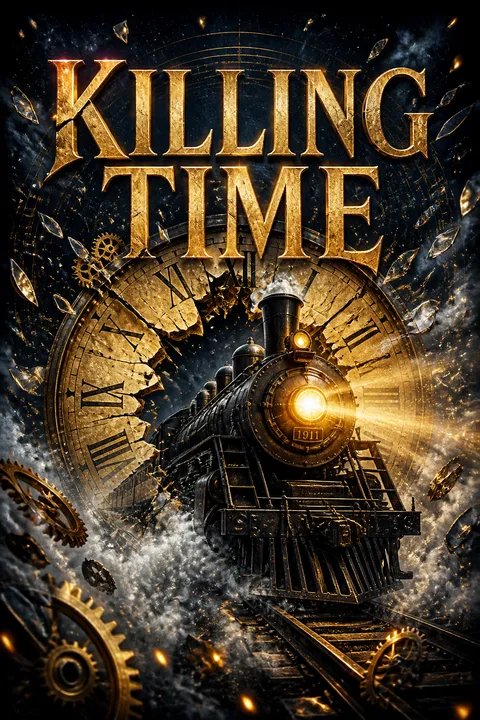
At briefing, the teams learn the boys have targeted the infamous Zanetti Train—a real historical mystery. In 1911, a luxury train vanished in an Italian tunnel, spawning centuries of ghostly sightings across the world. The train's fate is unknown, and its appearances are linked to time anomalies and disappearances. The mission is clear: retrieve the boys and avoid entanglement with the train's legend. Yet the allure of the mystery is strong, and the team's excitement is tinged with dread. The ghost train becomes a symbol of the unknown, a harbinger of chaos, and a test of the team's ability to work together under pressure.
Rome: The First Jump
Jane and Luke, in period costume and still simmering with unresolved tension, arrive in 1911 Rome. The city is alive with anticipation for the Zanetti Train's maiden voyage. The oppressive heat and their discomfort mirror their strained partnership. They spot the boys on the platform, blending in with the crowd. As the train arrives, chaos erupts—crowds surge, and a mysterious figure from the team's past appears. In the confusion, the boys, the ex-officer Sawney, and eventually Jane and Luke are swept onto the train. The mission spirals out of control, and the team is now passengers on the very ghost train they were meant to avoid.
Chaos at the Station
The Zanetti Train departs, and Jane, Luke, the boys, and Sawney are trapped together. Tensions flare—Sawney's motives are revealed as sinister, and the boys are terrified. Communication with HQ fails, and the train's atmosphere grows increasingly surreal. The team's personal conflicts are overshadowed by the immediate threat: Sawney's violence, the boys' panic, and the train's ominous hum. A struggle erupts, weapons are drawn, and a mysterious crate—actually a disguised time pod—becomes the focal point. In the chaos, the crate is damaged, triggering a catastrophic event that will hurl the train and its occupants out of time.
Sawney's Betrayal
Sawney's true allegiance is exposed—he's been manipulating the boys for a shadowy employer, intending to use them as expendable test subjects. A violent confrontation ensues, with Jane and Luke fighting for control. In the melee, blasters discharge into the disguised pod, causing a temporal explosion. The train is enveloped in white fog and a deafening hum, and reality itself seems to fracture. When the chaos subsides, part of the carriage is missing, and the world outside is gone—replaced by darkness. The team is now truly lost, the consequences of Sawney's betrayal rippling through time and space.
The Train Vanishes
The aftermath is disorienting. The train, now missing part of its structure, is surrounded by nothingness. Attempts to communicate or escape fail. The passengers are panicked, and the team is powerless. The realization dawns: the train has become a rogue time vessel, jumping unpredictably through history. The boys and Sawney manage to escape at the next stop, but Jane and Luke are prevented from following. Their one chance at rescue slips away, and they are left stranded, facing the prospect of endless, aimless travel through the void. The emotional toll is immense—fear, regret, and despair threaten to overwhelm them.
Trapped in the Dark
Jane and Luke, now alone, must confront the reality of their predicament. The train's jumps are random, and time seems suspended. The psychological strain is intense—Jane's optimism falters, and Luke's bravado crumbles. They cling to each other for support, their old grievances forgotten in the face of existential terror. Meanwhile, the Time Police scramble to track the train, using the Time Map and every resource at their disposal. The sense of isolation is profound, but hope flickers as the team's friends refuse to give up the search. The chapter is a meditation on endurance, trust, and the will to survive.
The Time Map's Song
Back at HQ, Matthew, injured but determined, immerses himself in the Time Map to trace the train's path. The Map's AI is almost sentient, and Matthew's connection with it becomes dangerously deep—he risks losing himself in its vastness. Guided by intuition and the Map's subtle guidance, he identifies the train's signature and tracks its jumps through history. The process is harrowing, leaving Matthew physically and mentally drained, but he succeeds in pinpointing the train's next likely appearance. His sacrifice gives the rescue teams a fighting chance, and the emotional cost underscores the theme of selfless loyalty.
Pursuit Through History
Armed with Matthew's coordinates, Grint and the others pursue the train through Modena, Ukraine, and finally Mexico City. Each jump is fraught with danger—missed connections, hostile environments, and the ever-present risk of being stranded themselves. The train's appearances are increasingly erratic, and the passengers' condition deteriorates. The rescue teams face moral dilemmas: how to save everyone, how to prioritize their own, and how to deal with the fallout of time crimes. The pursuit is relentless, and the emotional stakes rise with every failed attempt to intercept the train.
Modena: Missed Salvation
In medieval Modena, the rescue team finally intercepts the train. Amid chaos and panic, Sawney escapes, but Jane and Luke are prevented from disembarking by his last act of violence. The rescue team is forced to retreat, taking Sawney and other prisoners but leaving Jane and Luke behind. The sense of loss is crushing—so close to salvation, yet still trapped. The team's guilt and frustration are palpable, and Jane and Luke's despair deepens. The chapter is a study in missed opportunities and the agony of hope deferred.
Asylum in Mexico
The train's final stop is Mexico City, 1840. Jane and Luke, along with the other passengers, are arrested and committed to an asylum. Separated by gender, they endure harsh conditions—Jane faces humiliation and corporal punishment, while Luke is subjected to brutal "treatments." Both cling to the hope of rescue, but the psychological and physical toll is immense. Their only solace is the knowledge that the Time Police are searching, and their determination to protect the other passengers. The asylum becomes a crucible, testing their resilience and their faith in each other.
Endurance and Survival
Days blur together in the asylum. Jane becomes a leader among the women, urging cooperation and endurance. She suffers a public beating but refuses to break. Luke, isolated and tortured, maintains his story to ensure the rescue team can find them, even as his body fails. Both are pushed to their limits, but their courage inspires those around them. The emotional core of the story is laid bare—survival is not just about endurance, but about hope, solidarity, and the refusal to surrender one's humanity.
The Rescue Mission
The Time Police, armed with the final coordinates, launch a full-scale rescue. The operation is chaotic—gunfire, alarms, and the threat of military intervention. Jane and the women are evacuated first, with Jane barely able to walk. Luke is found near death in an ice bath, his sacrifice nearly fatal. The rescue is bittersweet—many are saved, but the scars, physical and emotional, are deep. The team is reunited, but forever changed by their ordeal. The chapter is a cathartic release of tension, blending relief with the lingering pain of trauma.
Aftermath and Reckoning
Back at HQ, the survivors recover. Jane and Luke confront their feelings—apologies, confessions, and forgiveness flow. Grint and Varma are promoted, and the organization reckons with the fallout: Sawney and his accomplices are interrogated, the illegal pod is destroyed, and the Zanetti Train's legend is buried. The team's future is debated—should they stay together, or is it time to move on? The emotional wounds begin to heal, but the lessons of the ordeal linger. The chapter is a meditation on justice, accountability, and the cost of heroism.
New Beginnings, Old Wounds
In the epilogue, Jane and Grint tentatively explore a romantic relationship, their awkwardness and vulnerability on full display. The team is given a second chance, with promises of better supervision and support. Yet the past is never far away—new mysteries beckon, and old wounds ache. The story ends with a call to action: a new case, a new body, and the ever-present specter of danger. The emotional arc closes on hope, resilience, and the enduring bonds of friendship and love.
Analysis
Jodi Taylor's Killing Time is a masterful blend of time-travel adventure, psychological drama, and dark comedy. At its heart, the novel is about the cost of secrets, the pain of betrayal, and the redemptive power of loyalty and love. The ghost train is both a thrilling plot device and a metaphor for trauma—unstoppable, disorienting, and inescapable until confronted. The story's emotional resonance comes from its unflinching portrayal of suffering—physical, emotional, and existential—and its insistence that survival is not just about endurance, but about hope, solidarity, and the refusal to surrender one's humanity. The fractured dynamics of Team 236 mirror the chaos of the mission, and their eventual reconciliation is hard-won and deeply moving. The novel's use of historical settings and real-world horrors (asylums, corporal punishment, war) grounds its fantastical elements, making the characters' struggles feel urgent and real. Ultimately, Killing Time is a story about second chances—at love, at friendship, and at life itself. Its lesson is clear: even in the darkest of times, rescue is possible, and healing begins with the courage to trust again.
Review Summary
People Also Read

Characters
Jane Lockland
Jane is the emotional heart of Team 236. Her journey is one of self-discovery, from uncertainty and self-doubt to quiet leadership. Traumatized by her family's secrets and her own history of abuse, Jane's empathy and patience make her a natural mediator. She endures humiliation and violence in the asylum, yet refuses to break, becoming a source of hope for others. Her relationship with Luke is complex—marked by conflict, loyalty, and unspoken love. Jane's development is a testament to the power of endurance, compassion, and the courage to forgive.
Luke Parrish
Luke is the team's flawed hero—a man of charm and bravado, but also deep insecurity and self-loathing. His violent reaction to Jane's heritage and his own past mistakes drive much of the team's conflict. On the train and in the asylum, Luke's courage and self-sacrifice come to the fore. He risks everything to ensure the team's rescue, enduring torture and near-death. His journey is one of redemption—learning to accept responsibility, to trust others, and to believe in his own worth. His relationship with Jane is the anchor that keeps him from despair.
Matthew Farrell
Matthew is the team's conscience and intellectual powerhouse. Often overlooked, his deep connection to the Time Map and his willingness to risk himself for others are crucial to the rescue. Matthew's psychological journey is one of self-acceptance—learning to value his unique gifts and to stand up for himself. His loyalty to Jane and Luke is unwavering, and his quiet courage underpins the team's survival. Matthew's arc is a celebration of the unsung hero—the one who saves the day not with bravado, but with steadfastness and heart.
Lt Grint
Grint is the archetypal Time Police officer—massive, intimidating, but deeply principled. His feelings for Jane are a source of vulnerability, and his leadership is tested by the chaos of the mission. Grint's struggle is between duty and emotion—he must balance the needs of the many with his desire to save those he loves. His promotion and growing relationship with Jane mark a new chapter in his life, one where he learns to trust, to delegate, and to open his heart.
Varma
Varma is the embodiment of no-nonsense professionalism. Her rise to head of security is hard-won, and she faces resistance with characteristic grit. Varma's approach to problems is direct—she throws people down stairs if necessary—but she is also deeply loyal to her friends and team. Her psychoanalysis reveals a woman who has learned to survive in a male-dominated world by being better, faster, and stronger. Her relationship with Tucker is a rare glimpse of vulnerability.
Sawney
Sawney is the story's primary antagonist—a disgraced officer whose resentment and ambition lead him to betray the team. His psychological profile is one of deep insecurity, masked by cruelty and bravado. Sawney's manipulation of the boys and his sabotage of the mission are driven by a need for validation and revenge. Ultimately, his actions are self-defeating, and his fate is a cautionary tale about the corrosive power of bitterness.
Nora Adesina
Nora is the catalyst for the mission—a mother willing to risk everything to save her son. Her vulnerability and honesty force the team to act, and her story is a reminder of the human cost of time crimes. Nora's relationship with her son is marked by love, fear, and regret, and her willingness to confess is an act of profound courage.
Jay Adesina and Dev Kumar
Jay and Dev are the story's innocent catalysts—brilliant but reckless boys whose fascination with trains leads them into disaster. Their psychological journey is one of terror, guilt, and eventual cooperation. They are manipulated by Sawney, but ultimately help the team by providing crucial information. Their arc is a meditation on the dangers of unchecked curiosity and the importance of guidance.
Commander Hay
Hay is the leader of the Time Police, juggling bureaucracy, budget crises, and the chaos of her officers. Her dry wit and pragmatism mask a deep sense of responsibility. Hay's psychoanalysis reveals a woman who has learned to survive by keeping her emotions in check, but who cares deeply for her people. Her decisions are guided by a balance of compassion and necessity.
Mikey (Miss Meiklejohn)
Mikey is the wild card—a civilian consultant whose experiments often cause more trouble than they solve. Her relationship with Matthew is one of mutual respect and shared oddness. Mikey's psychological profile is that of a creative genius, unbound by convention but deeply loyal to her friends. Her willingness to risk herself for the team is a testament to her hidden courage.
Plot Devices
The Ghost Train as Temporal Anomaly
The Zanetti Train is both a literal and symbolic device—a historical mystery that becomes a vehicle for exploring the dangers of time manipulation. Its unpredictable jumps, the white fog, and the hum are classic foreshadowing elements, signaling the breakdown of reality. The train's appearances across history serve as narrative anchors, allowing the story to explore different eras and the consequences of time crimes. The train is also a metaphor for trauma—unstoppable, disorienting, and inescapable until confronted.
Fractured Team Dynamics
The story's emotional core is the fractured relationship between Jane, Luke, and Matthew. Their inability to trust and forgive each other is mirrored in the chaos of the mission. The secret ballot, the forced apologies, and the repeated near-misses are all narrative devices that heighten tension and delay resolution. The eventual reconciliation is earned through shared suffering and mutual sacrifice.
The Time Map and Sentient Technology
The Time Map is more than a plot device—it is almost a character in its own right. Its sentience, hinted at through Matthew's communion, allows for moments of magical realism and deepens the story's exploration of fate, agency, and the limits of human understanding. The Map's guidance is both a deus ex machina and a test of Matthew's courage.
Foreshadowing and Recurring Motifs
The story is rich in foreshadowing—early references to missed opportunities, the dangers of time travel, and the consequences of secrets all pay off in later chapters. Recurring motifs—locked doors, missed trains, the hum of the Map—reinforce the themes of entrapment and the longing for rescue. The use of historical events (the Charge of the Light Brigade, asylums, etc.) grounds the fantastical elements in real-world trauma.
Rescue and Redemption Arcs
The structure of the story is cyclical—fracture, crisis, endurance, rescue, and healing. Each character's arc is one of redemption, whether through self-sacrifice (Luke), leadership (Jane), or loyalty (Matthew). The rescue mission is both literal and symbolic—a chance to right past wrongs and to forge new bonds.

Download PDF
Download EPUB
.epub digital book format is ideal for reading ebooks on phones, tablets, and e-readers.








































